The Essential Guide to Home Water Heaters: Efficiency, Maintenance, and Beyond
Every homeowner understands the pivotal role of efficient home systems, and among those, the humble water heater often goes unnoticed. Yet, it stands as a cornerstone of daily comfort, ensuring warm showers, clean dishes, and hygienic living. With the home warranty industry gaining traction, understanding your water heater’s functionality, benefits, and limitations becomes crucial. Let’s delve into the essentials of home water heaters, what they are, how they operate, their advantages, and potential drawbacks.
Understanding the Core of Home Water Heaters
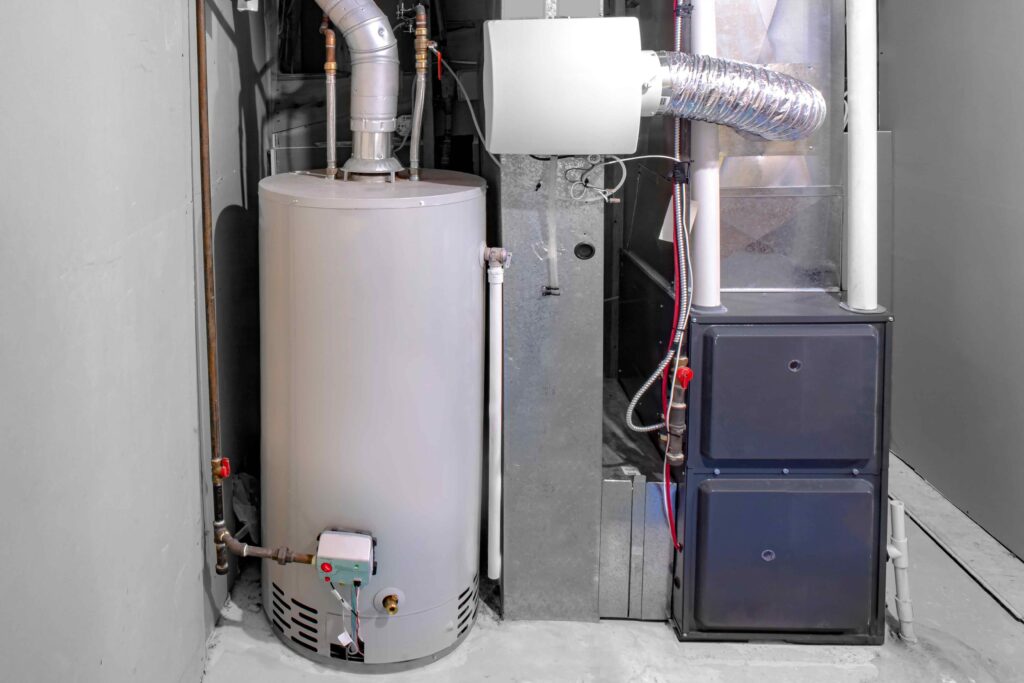
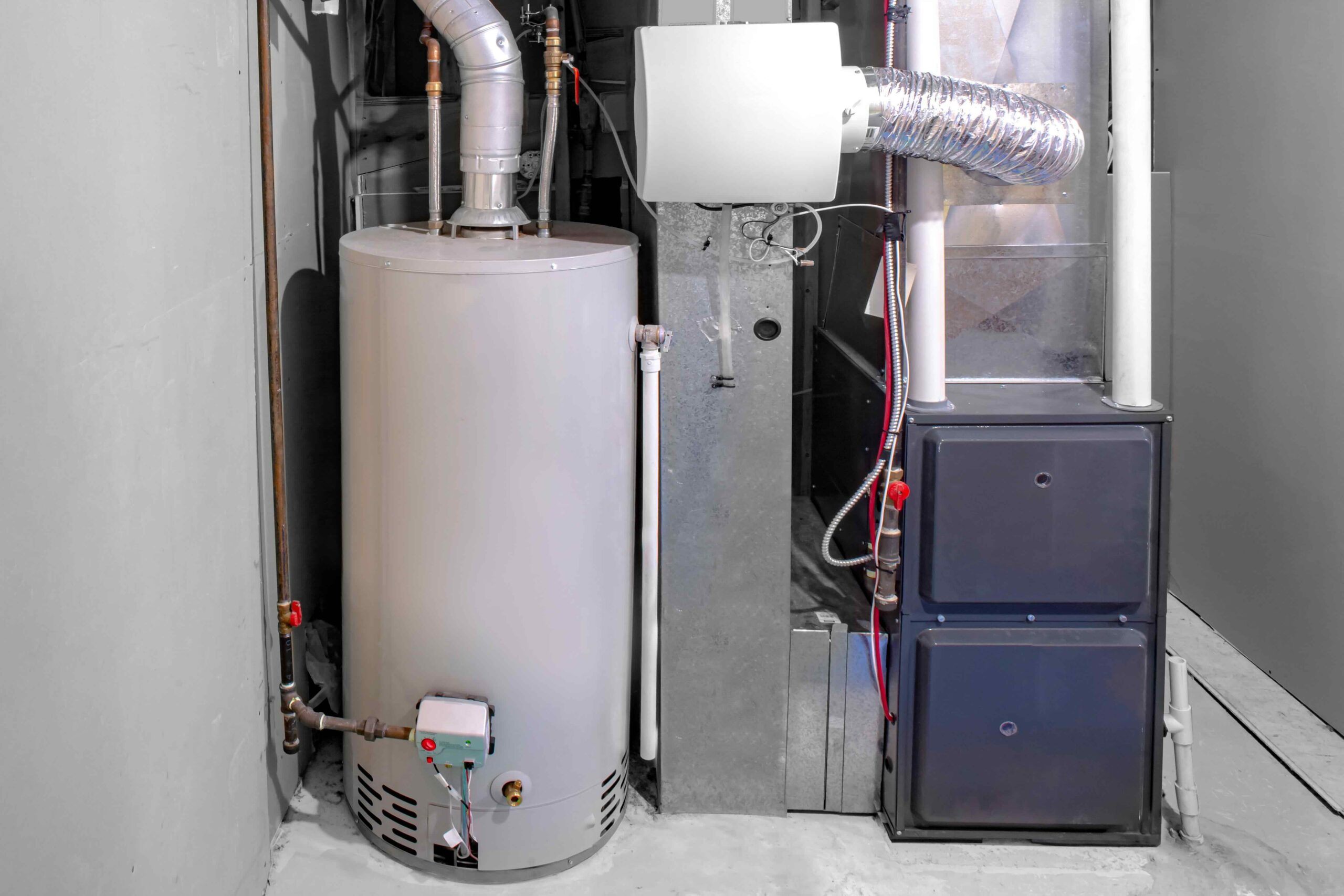
At its essence, a water heater is a system designed to heat and store water for use throughout the home. Broadly categorized into tank and tankless variations, these systems use gas, electricity, or solar power to heat water. The conventional tank water heater holds hot water in a reservoir, maintaining its temperature until needed. In contrast, tankless water heaters, also known as on-demand models, heat water directly via high-powered burners or electric coils only when hot water is required, offering space-saving efficiency.
How Does a Water Heater Work?
Water heaters operate by drawing in cold water through a dip tube that descends to the base of the tank. Here, the heating element warms the water, storing it in the vessel until a faucet or appliance draws it. A thermostat regulates the water’s temperature, ensuring it remains consistent. In tankless systems, water is instantaneously heated as it journeys via the unit’s burners or coils, removing standby heat loss and conserving energy, though requiring a robust electricity or gas supply.
The Advantages of Modern Water Heaters
Modern water heaters, more than just heating systems, embody significant advances in efficiency and technology. Tankless models, for instance, boast prolonged lifespans and substantial energy savings due to their on-demand mechanism. With reduced standby energy waste, homeowners witness lower utility bills and smaller carbon footprints. Additionally, upgraded tank heaters offer higher efficiency ratings and improved insulation, ensuring that traditional models remain competitive.
Potential Drawbacks to Consider
Despite their many advantages, water heaters are not without potential drawbacks. Traditional tank heaters occupy significant space and have a finite supply of hot water, risking cold surprises during peak usage. On the other hand, tankless heaters come with higher upfront costs and require proper sizing to match household demand. Professional installation is crucial, particularly with tankless systems, to avoid performance issues caused by inadequate gas or electrical supplies.
Practical Tips for Water Heater Maintenance
To maximize your water heater’s efficiency and lifespan, regular maintenance is key. For tank models, it’s advisable to annually drain the tank to remove sediment buildup, ensuring consistent heating capacity. Checking the pressure-relief valve and replacing the anode rod when signs of corrosion appear are critical. For tankless units, it’s essential to descale the system to prevent mineral deposit buildup. General inspection for leaks and heat loss areas, irrespective of the type, can avert costly repairs and improve performance.
Signs It Might Be Time for a Water Heater Upgrade
While routine maintenance extends lifespan, there are unmistakable signs your water heater demands replacement. Age is a primary indicator; conventional models over 10 years old often exhibit reduced efficiency. Unusual noises, decreased hot water supply, rust-colored water, and persistent leaks are telltale signs of impending failure. Transitioning to a more efficient unit, such as a tankless or hybrid model, can resolve these issues and cater to contemporary energy-saving expectations.
Making the Right Choice for Your Home
Selecting the perfect water heater involves evaluating household size, usage patterns, energy sources, and long-term savings. Tankless water heaters are ideal for small families and limited spaces, while tank models suit larger households with simultaneous hot water needs. Prioritizing energy efficiency and durability will pay off in the long run, reducing operational costs and environmental impact, further aligning with renewable energy adaptations.
Why Armadillo is Your Ideal Home Warranty Partner
In navigating home system decisions, ensuring adequate protection for your investments is essential. This is where Armadillo steps in, offering comprehensive home warranties tailored to your specific needs. A reliable warranty not only safeguards against unexpected repair costs but enhances peace of mind, knowing a professional team stands ready for any outcome. Armadillo’s dedication to customer satisfaction and efficient claims processing sets them apart in the industry. Check out their services at Armadillo and explore building your plan today with their easy-to-use plan builder. Choose Armadillo for confidence and security in your home systems.