Unhooking a Gas Range: A Homeowner’s Guide to Safety and Success
Your gas range is the culinary center of your kitchen, where meals are crafted with precision and flavor. Yet, there might come a time when you need to unhook it—whether for maintenance, replacement, or a complete kitchen overhaul. While the task may seem daunting, understanding how to properly unhook a gas range ensures safety and smooth transitions. In this guide, we’ll delve into everything you need to know about unhooking your gas range with confidence and care.
Understanding the Gas Range and How It Works
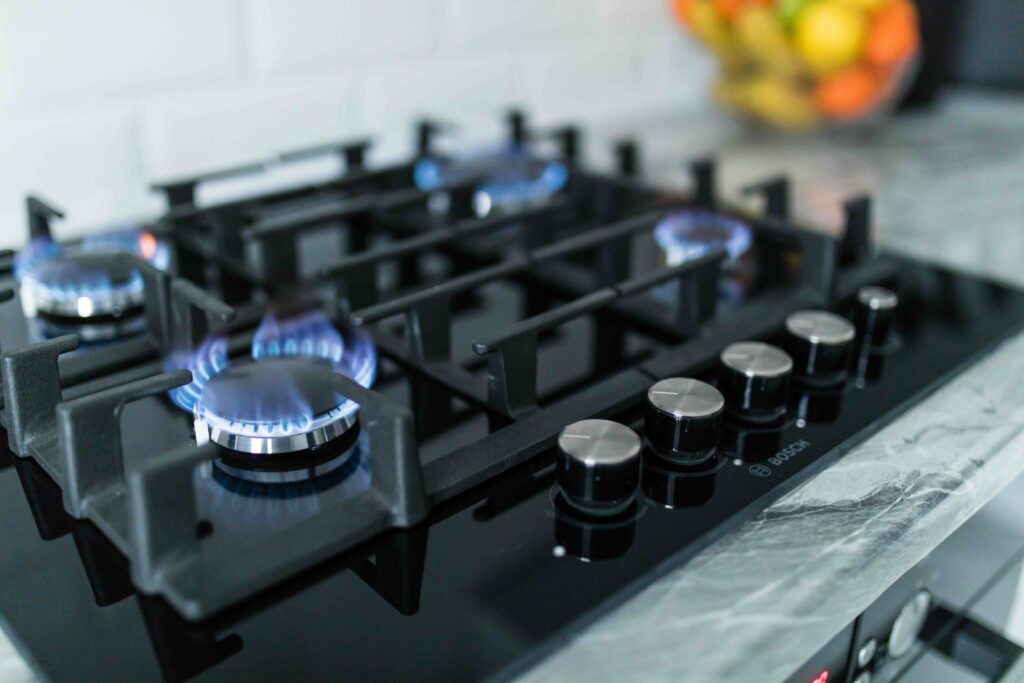
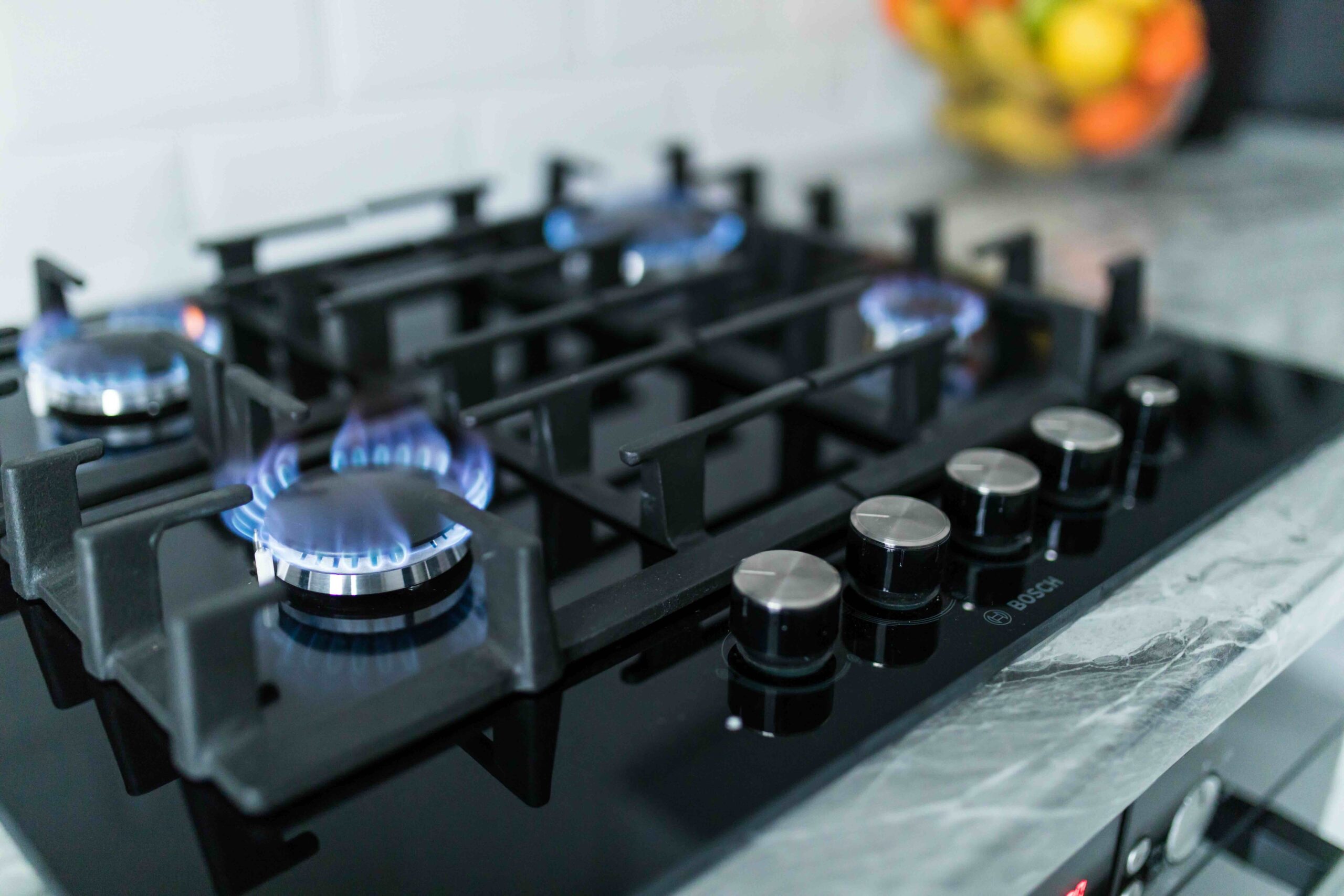
A gas range is an appliance that uses natural gas or propane to fuel the burners on the stovetop and the oven below. Unlike electric ranges, which use electricity to generate heat, gas ranges provide immediate and adjustable heat. By opening the control valve, you release gas which is then ignited by either a pilot light or an electric spark, depending on the model. This allows you to cook with precision and adjust the heat instantaneously—a feature cherished by many cooks.
Key Advantages of a Gas Range
The allure of a gas range lies in its efficiency and control. Gas ranges heat up quickly, which is crucial for saving time in meal preparation. The precision temperature control offered by a gas range allows for more accurate cooking and delicious results. Furthermore, in the event of a power outage, a gas range can still be used, providing a reliable cooking option irrespective of the electricity supply.
Common Drawbacks of a Gas Range
While gas ranges offer several benefits, they are not without their challenges. Installation requires access to a gas line, which may not be available in every home. Additionally, safety is a primary concern with gas appliances—with the risk of gas leaks being a potential hazard. Regulatory compliance and the need for regular maintenance are other considerations homeowners must keep in mind when opting for a gas range.
Steps to Unhook a Gas Range Safely
When you decide to unhook your gas range, following the correct steps is crucial for safety. Begin by turning off the gas supply to the range, typically found behind the appliance or within close proximity to it. Next, unplug the range from the electrical outlet to ensure there is no power source connected. Carefully locate the gas line connection; this is where the range is connected to the main gas line via a flexible hose. Use a wrench to gently loosen the connection, ensuring no gas escapes as you do so. Once disconnected, you may need to cap the open gas line with a safety plug to prevent leaks. Always move the appliance with caution to avoid damaging floors or walls.
Why Regular Maintenance is Essential
Regular maintenance of a gas range cannot be overstated. Ensuring that the gas connections are secure, and testing for leaks periodically, helps maintain a safe cooking environment. Clean the range surfaces and burners routinely to prevent the build-up of grease that can ignite. Schedule annual inspections by a certified technician to assess the integrity of the appliance and the surrounding installation.
When to Call a Professional
While a determined DIYer can handle many tasks around the home, certain situations call for professional expertise. If the gas line appears damaged, or you detect the smell of gas even with the supply turned off, contacting a professional is imperative. Complex installations or relocations that require alterations to the gas line are also best left to certified technicians, ensuring compliance with local codes and safety standards.
Why Consider Armadillo for Your Home Warranty?
Owning a home involves making countless decisions, often considering the safety and longevity of your household appliances. At Armadillo, we understand the importance of protecting your investments and ensuring peace of mind with comprehensive home warranty solutions. Whether it’s your trusty gas range, heating systems, or any other essential appliance, Armadillo’s warranty plans provide coverage tailored to your needs. Visit our homepage today at Armadillo Home Warranty to learn more. Ready to secure your home’s future? Start the journey with us at our plan builder page, and find the perfect warranty plan for your home.