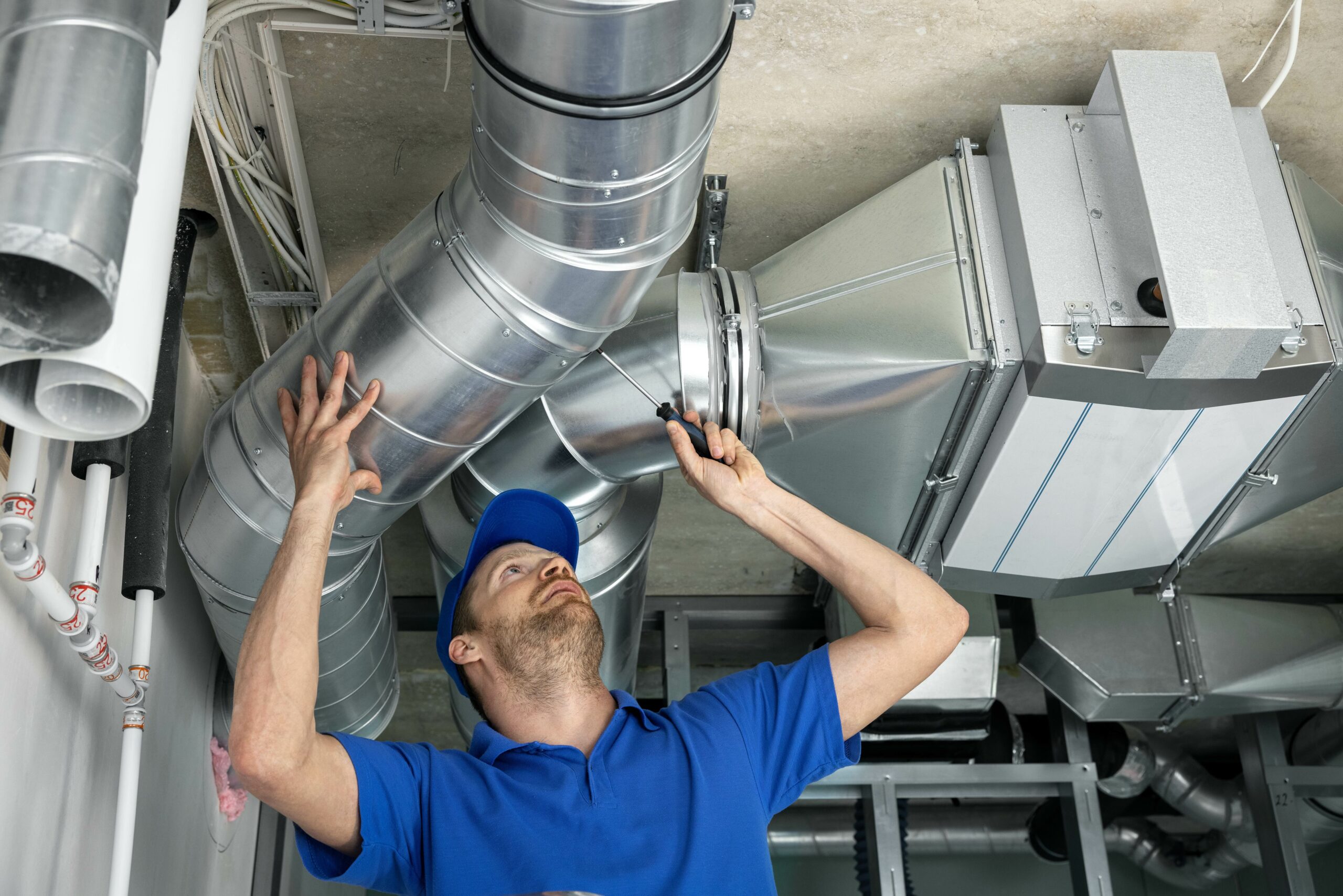
Understanding Your Home’s HVAC System: What It Is, How It Works, and Why It Matters
Your home’s HVAC system—Heating, Ventilation, and Air Conditioning—is more than just a fixture. It’s the invisible force that makes winter evenings cozy and summer afternoons bearable. Despite being one of the most critical systems in your home, most homeowners don’t think about it until there’s a problem: no cool air during a heatwave or no heat when temperatures drop. But understanding your HVAC system isn’t just about troubleshooting. It’s about making informed upgrades, maximizing efficiency, and protecting one of your home’s most expensive systems through smart decisions—including the right home warranty coverage.
What Is an HVAC System, Really?
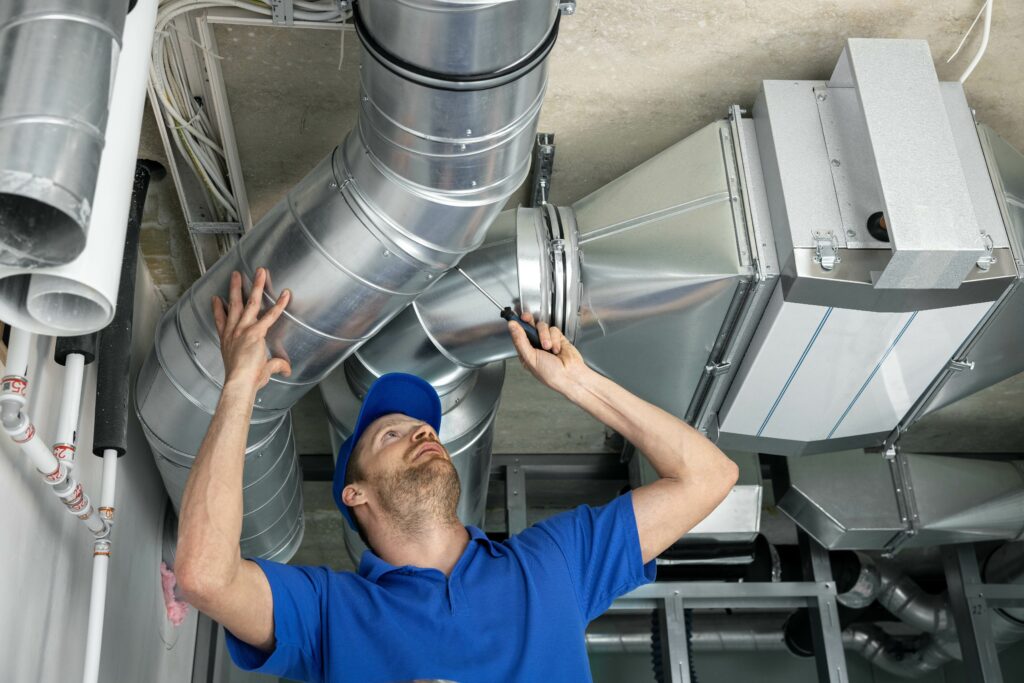
An HVAC system is a centralized setup designed to regulate the temperature, humidity, and air quality in a home. It’s comprised of interdependent parts including a furnace or boiler for heating, an air conditioner for cooling, ductwork that distributes conditioned air, return vents, exhaust outlets, air filters, and thermostats. Think of it as a climate control network, adjusting your indoor environment with every setting you change on your thermostat. Yet, with all that hardware, the HVAC system must strike a balance—efficiently maintaining comfort without ballooning energy bills or requiring frequent repairs.
How HVAC Systems Actually Work
The acronym tells part of the story, but let’s go deeper. Heating typically involves a furnace that burns fuel—usually gas or oil—to heat air, which is then distributed through ducts. Alternatively, a boiler heats water and supplies either hot water or steam for radiant heat. Ventilation ensures that fresh air circulates, bringing in clean air from outside and removing indoor pollutants. This happens naturally through windows and vents or mechanically via exhaust fans and air handlers. For cooling, the air conditioning component removes heat from indoor air using refrigerant, compressing it, then expelling the warmth outdoors. The now-cooled air moves back through ducts and fills your living spaces.
Advantages of a Modern HVAC System
A well-installed and well-maintained HVAC system provides immediate comfort benefits, sure, but there’s more. Consistent indoor temperatures make your home more livable year-round. Improved ventilation and filtration also lead to better air quality, especially for allergy sufferers. Modern HVAC units are increasingly energy-efficient, using advanced compressors and smart thermostats to reduce energy consumption. This cuts your monthly utility bills and decreases your carbon footprint. A newer or updated system often adds resale value to your home, offering a solid return on investment should you decide to sell.
Drawbacks and Common Issues to Watch Out For
No system is flawless. HVAC systems—particularly older units—face wear and tear from daily use. Common issues include clogged filters, refrigerant leaks, faulty thermostats, and mechanical failures in the fan or compressor. When those happen, your system either loses efficiency or stops working entirely. And while regular maintenance helps, service costs can add up. Improper sizing is another hidden problem; a unit that’s too large or too small for your home won’t operate efficiently. Finally, inconsistent maintenance not only lowers energy efficiency but can void manufacturer warranties and increase your home’s risk of mold or carbon monoxide leaks.
Signs It Might Be Time to Repair or Replace Your HVAC System
Timing is everything with HVAC decision-making. If your unit is more than 10 to 15 years old, needs frequent repairs, or causes unexplained spikes in utility bills, replacement may be more cost-effective than further band-aid fixes. Uneven cooling or heating, excess noise, or a persistent humidity problem could also mean your system is underperforming—or failing outright. Even a well-maintained system will eventually reach the end of its lifecycle. Pay close attention to these signals and consult licensed HVAC professionals early to weigh your options, especially before extreme seasonal weather hits.
The Smart Move: Covering Your HVAC System with a Home Warranty
Repairs and replacements of HVAC systems can be financially burdensome. That’s where a home warranty comes in. Unlike homeowner’s insurance, which generally only covers damage due to unforeseen events, a home warranty covers the breakdown of major home systems from normal wear and tear. This includes HVAC units, compressors, ductwork, and even smart thermostats. Instead of shelling out thousands on emergency replacements, a home warranty can significantly reduce your out-of-pocket costs and ensure pro service when you need it most. It acts as a financial buffer and gives you peace of mind all year long, especially if your HVAC system is aging or struggling with reliability.
Protect What Keeps You Comfortable with Armadillo
Your HVAC system is one of your home’s biggest investments—and most inconvenient to live without when it fails. That’s why smart homeowners choose a comprehensive home warranty through Armadillo. Our plans offer modern, fully digital coverage that’s transparent, easy to understand, and built for homeowners who expect more from protection plans. Whether your heating goes silent on a snow day or your AC sputters in July, we’ve got your back. Learn more about what Armadillo covers at Armadillo’s homepage, or start building your ideal plan today with our simple step-by-step tool at our plan builder. Your HVAC system deserves proactive coverage, and you deserve the confidence that comes with it.