What Are Hard Water Deposits and Why Should Homeowners Care?
Hard water is one of those household issues that sneaks up on you. You notice a white crust forming around the faucet, or maybe your showerhead starts spraying at weird angles. That buildup is limescale, the stubborn mineral residue left behind when water with high concentrations of calcium and magnesium evaporates. It is happening inside your pipes too, and that part you cannot see is usually the part worth worrying about. Understanding what hard water deposits are, how they form, and what they mean for your home systems is the kind of knowledge that pays for itself over time.
How Hard Water Deposits Form Inside Your Plumbing
When water travels through underground rock formations, it picks up dissolved minerals along the way. Calcium carbonate and magnesium bicarbonate are the most common culprits. Once that mineral-rich water enters your home and heats up, or simply sits and evaporates, those dissolved minerals come out of solution and bond to whatever surface they can find. Inside pipes, that surface is the interior wall. Over months and years, layer after layer of mineral crust accumulates, gradually narrowing the inner diameter of your pipes and reducing water flow. Water heaters are especially vulnerable because heat accelerates the deposit process significantly. The result is a slow, invisible degradation of your plumbing infrastructure that most homeowners do not notice until there is a real problem.
Signs That Hard Water Deposits Are Affecting Your Home
You do not need a water quality report to suspect you have a hard water problem. The signs show up in daily life, sometimes in small ways that seem unrelated at first. Paying attention to these indicators early can save you from much larger repair bills down the road.
- White or yellowish crust around faucets, drains, and showerheads
- Reduced water pressure throughout the home or in specific fixtures
- Soap that does not lather well and leaves a film on skin or dishes
- Water heater making popping or rumbling sounds during operation
- Laundry that feels stiff or looks dingy even after washing
- Spots and streaks on glassware, dishes, and chrome fixtures
- Higher energy bills without an obvious explanation
The Real Impact on Your Home Systems and Appliances
Limescale does not just look bad on your faucets. It actively shortens the service life of your home systems. A water heater working against a thick layer of mineral sediment on its heating element has to run longer and hotter to do the same job. That translates directly to wasted energy and accelerated wear on the unit itself. Dishwashers and washing machines face similar pressure, with internal components clogging and spray arms losing efficiency. Pipe narrowing caused by limescale buildup can increase internal water pressure, which puts stress on joints and fittings throughout the home. In severe cases, this contributes to pipe failure or leaks. The cost of ignoring hard water deposits compounds over time in a way that is genuinely frustrating once you work through the math.

Water Softeners: The Most Common Solution
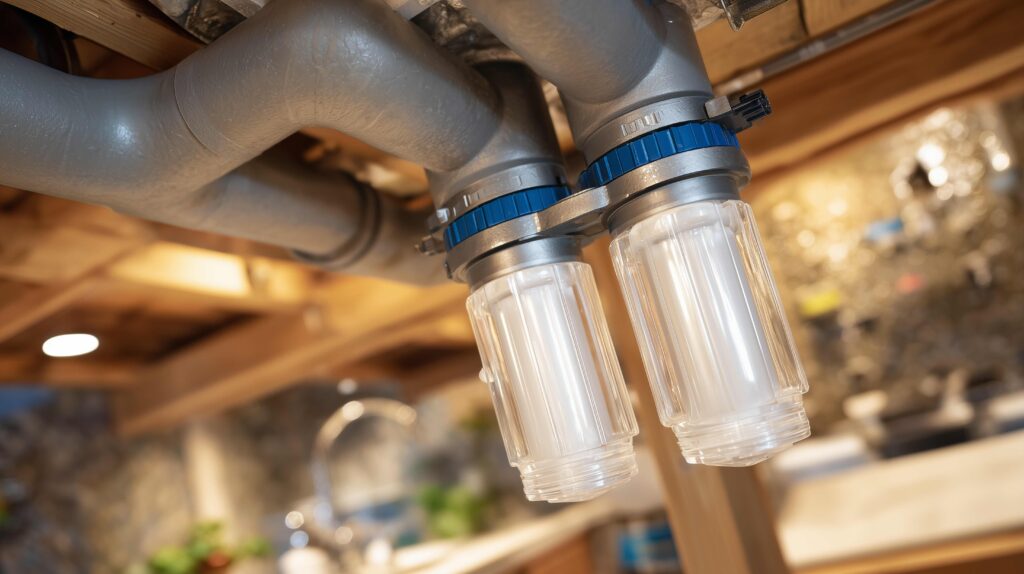
The most widely used fix for hard water is a whole-home water softener. These systems work through a process called ion exchange, where calcium and magnesium ions are swapped out for sodium ions as water passes through a resin tank. The result is softened water that is far less likely to leave mineral deposits on pipes, appliances, or fixtures. Installation is typically tied into the main water supply line, so every water-using system in the house benefits. The ongoing maintenance involves periodically replenishing the salt or potassium in the brine tank, which is a manageable task for most homeowners. Water softeners are effective, proven, and widely available, though they do come with upfront costs and ongoing salt expenses to consider.
Alternative Treatments Worth Knowing About
Water softeners are not the only option on the market. Salt-free water conditioners, sometimes called descalers or template-assisted crystallization systems, work by altering the physical structure of mineral particles so they are less likely to bond to surfaces. They do not remove minerals from the water but prevent them from forming scale. Magnetic and electronic water conditioners are another category, though the scientific evidence supporting their effectiveness is more limited and divided. For homeowners who are concerned about sodium intake or prefer a lower-maintenance approach, these alternatives are worth researching alongside traditional softeners. The right choice depends on your water hardness level, household size, budget, and how your home plumbing is configured.
How to Test Your Water Hardness at Home
Before investing in any treatment system, it helps to know exactly what you are dealing with. Water hardness is measured in grains per gallon or milligrams per liter. Anything above 7 grains per gallon is generally considered hard, and many regions in the United States sit well above that threshold. Simple test strips are available at hardware stores and online, and they give you a reliable reading within a minute. Your local water utility is also required to publish annual water quality reports that include hardness data. For a more detailed picture, professional water testing services can identify not just hardness but also pH, sediment levels, and any other contaminants worth addressing. Starting with accurate data makes every downstream decision easier and more cost-effective.
Protecting Your Pipes and Appliances Proactively
If a full water softener installation is not in your immediate budget, there are still practical steps you can take to manage mineral buildup and protect your systems. Flushing your water heater annually removes accumulated sediment from the tank floor, which is one of the most impactful maintenance tasks for extending appliance life. Cleaning showerheads by soaking them in a vinegar solution dissolves limescale without damaging the fixture. Checking and replacing aerator screens on faucets regularly keeps flow rates where they should be. Setting your water heater to 120 degrees Fahrenheit rather than higher temperatures also slows the rate of mineral deposit formation inside the tank. None of these replace a systemic solution, but they meaningfully extend the time before hard water causes serious damage.
What a Home Warranty Covers When Hard Water Causes Failures
Here is a piece of the conversation that does not come up often enough. Hard water damage creates a tricky situation in the home warranty world. Most standard home warranty plans cover mechanical failures that result from normal wear and tear, which can include components of water heaters, dishwashers, and plumbing systems that fail due to mineral buildup over time. However, plans vary considerably in how they define covered failures versus pre-existing conditions or damage attributed to improper maintenance. Reading your contract carefully and understanding what is and is not included in your specific plan is essential. Homeowners in hard water regions especially benefit from knowing the boundaries of their coverage before a repair situation arises unexpectedly.
Why Armadillo Is Worth Considering for Hard Water-Affected Homes
Living in a hard water region puts real and ongoing stress on your home systems, and that reality deserves a home warranty partner that takes it seriously. Armadillo was built around the idea that homeowners should feel protected, not trapped in fine print. If you are researching how to safeguard your plumbing, water heater, and appliances against the kind of gradual wear that hard water accelerates, explore Armadillo’s home warranty plans for plumbing and appliance protection to see how coverage is structured for real-world home conditions. The plans are designed to be straightforward, and the claims process is built to be human. When your water heater finally gives out after years of fighting mineral buildup, that is exactly the moment coverage should work without friction. Take a few minutes and get a personalized home warranty quote for hard water appliance coverage so you know what your options look like before something goes wrong rather than after.

Frequently Asked Questions About Hard Water Deposits in Home Plumbing
Homeowners dealing with hard water often have questions that go beyond the basics. Here are the answers to the ones that come up most frequently.
What is considered hard water?
Water is classified as hard when it contains more than 7 grains per gallon of dissolved minerals, primarily calcium and magnesium. Water above 10.5 grains per gallon is considered very hard and typically causes noticeable scaling on fixtures and appliances within a short period of time.
Can hard water damage pipes permanently?
Yes, over many years, significant limescale buildup can narrow pipe interiors to the point of requiring replacement, particularly in older galvanized steel pipes. Copper and PVC pipes are more resistant but not immune to the effects of prolonged mineral accumulation.
How do I know if my water heater has sediment buildup?
A water heater with significant sediment buildup often makes popping, rumbling, or banging noises during heating cycles. You may also notice longer heating times, inconsistent hot water supply, or higher energy bills without another clear cause.
Does a water softener affect water pressure?
Properly installed water softeners have minimal impact on water pressure. In fact, by preventing limescale from narrowing pipe interiors over time, a softener can help preserve healthy water pressure throughout the home across the long term.
Is softened water safe to drink?
Softened water is generally safe for most people, but it does contain slightly elevated sodium levels due to the ion exchange process. People on sodium-restricted diets may prefer to install a reverse osmosis filter on the kitchen tap for drinking and cooking water.
How often should I flush my water heater to remove sediment?
Most plumbing professionals recommend flushing a conventional tank water heater once a year. Homeowners in areas with very hard water may benefit from flushing every six months to prevent sediment from accumulating on the heating element and tank floor.
Will a water softener help my appliances last longer?
Research indicates that water softeners can meaningfully extend appliance lifespan. Dishwashers, washing machines, and water heaters operating on softened water accumulate less internal scale, which reduces wear on components and lowers energy consumption over time.
Does homeowners insurance cover hard water pipe damage?
Standard homeowners insurance typically does not cover damage caused by gradual deterioration, including mineral buildup from hard water. This type of long-term wear is generally considered a maintenance issue, which is why home warranty coverage is often more relevant in these situations.
What is the difference between a water softener and a water conditioner?
A water softener removes calcium and magnesium ions from water through ion exchange and replaces them with sodium ions. A water conditioner alters the physical structure of mineral particles to reduce scaling without actually removing the minerals or adding sodium to the water supply.
How much does it cost to install a whole-home water softener?
Whole-home water softener installation typically ranges from $800 to $2,500 depending on the system capacity, water hardness level, and local labor costs. Ongoing expenses include salt or potassium replenishment and occasional system maintenance, which adds a modest annual cost to ownership.