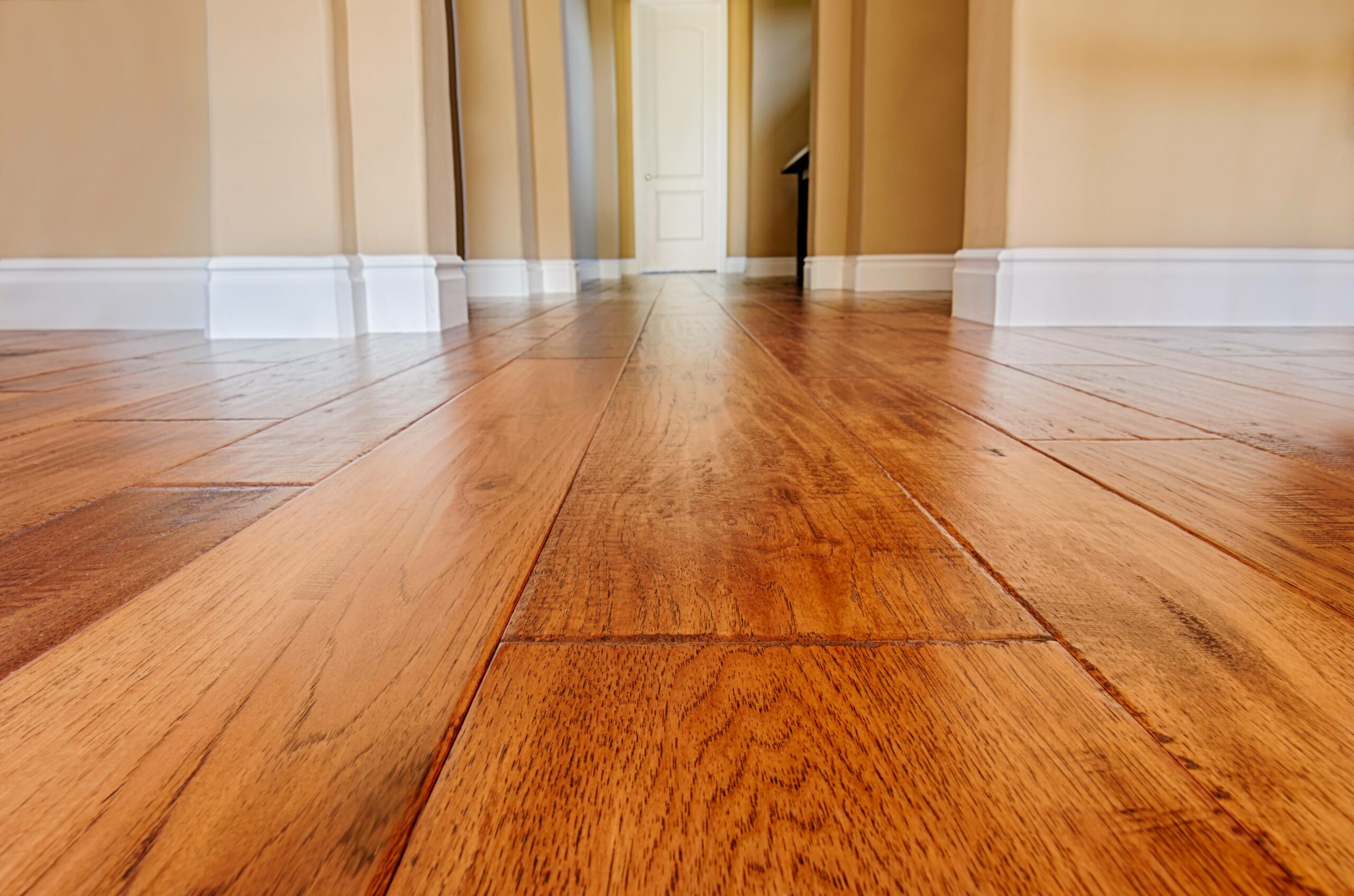
Hardwood Floors: What Every Homeowner Should Know Before, During, and After Installation
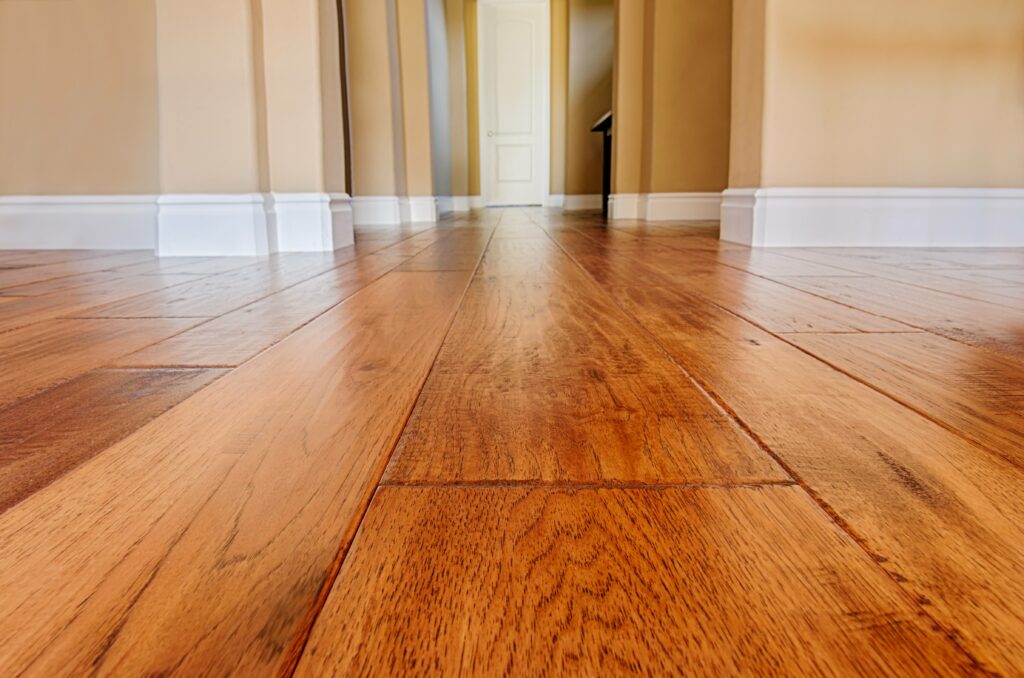
Hardwood flooring has been a staple of well-built homes for centuries, and honestly, it is not hard to see why. There is something about the warmth and character of real wood underfoot that no other flooring material quite replicates. But choosing hardwood, maintaining it, and protecting your investment over the long term — that is where things get more nuanced. Whether you are considering an installation, dealing with wear on an existing floor, or just trying to understand what you actually own, this guide covers everything you need to know about hardwood floors and how to care for them properly.
What Exactly Is Hardwood Flooring and How Is It Made
Hardwood flooring refers to planks milled directly from deciduous trees — trees that lose their leaves seasonally. Common species used in flooring include oak, maple, cherry, walnut, and hickory. Each species carries its own density rating, grain pattern, and color profile. The wood is harvested, kiln-dried to reduce moisture content, milled into planks, and then finished with a stain or protective coating. The result is a floor built from a single, solid piece of natural wood from top to bottom. This is distinct from engineered hardwood, which uses a real wood veneer bonded over a plywood core. Both are legitimate flooring options, but they behave differently under moisture, temperature changes, and foot traffic — which matters more than most homeowners initially realize.
Solid Hardwood vs. Engineered Hardwood: Understanding the Difference
This distinction trips up a lot of people, and it is worth slowing down on. Solid hardwood is exactly what it sounds like — one continuous piece of wood, typically three-quarters of an inch thick. It can be sanded and refinished multiple times over the course of its life, which is a significant advantage. Engineered hardwood, on the other hand, is constructed in layers. The top layer is a genuine hardwood veneer, but the core is plywood or high-density fiberboard. This layered construction makes engineered hardwood more dimensionally stable, meaning it expands and contracts less when humidity levels shift. For rooms below grade or in climates with extreme humidity swings, engineered hardwood is generally the better call. Solid hardwood, meanwhile, performs best in climate-controlled environments above grade where moisture is not a persistent concern.

The Real Benefits of Hardwood Flooring in Your Home
Hardwood floors offer a combination of aesthetic value and practical durability that few flooring types can match. Here is a snapshot of the key advantages homeowners point to most often:
- Longevity: With proper care, solid hardwood floors can last 50 to 100 years or more.
- Refinishing potential: Unlike tile or carpet, hardwood can be sanded and refinished to remove scratches, stains, and surface wear.
- Improved indoor air quality: Hardwood does not trap dust, pet dander, or allergens the way carpet does.
- Resale value: Real hardwood flooring consistently ranks as a high-return home improvement in real estate assessments.
- Timeless appeal: Wood floors work across nearly every interior design style, from traditional to contemporary.
Common Drawbacks Homeowners Should Not Ignore
Hardwood floors are not without their complications. The upfront cost is higher than most other flooring options, and installation requires skilled labor to avoid gaps, squeaks, or buckling over time. Solid hardwood is particularly vulnerable to moisture — a slow leak under a refrigerator or a flooded bathroom can cause irreversible warping if not caught quickly. Scratches from pet nails, furniture legs, and high heels are an ongoing concern, especially in high-traffic areas. Some wood species are softer and dent more easily than others. And while refinishing extends the life of the floor dramatically, it is not a free service — professional sanding and recoating can cost several thousand dollars depending on square footage.
Hardwood Floor Maintenance: A Practical Day-to-Day Approach
Caring for hardwood floors does not require a complicated routine, but consistency matters. Sweeping or dry mopping daily in high-traffic areas removes grit and fine particles that act like sandpaper underfoot. Avoid wet mopping — standing water is one of the fastest ways to damage a hardwood floor. When deeper cleaning is needed, use a hardwood-specific cleaner applied sparingly with a barely damp mop. Place felt pads under furniture legs and use area rugs in entryways and beneath dining tables to absorb impact. Maintaining indoor humidity between 35 and 55 percent year-round is one of the most effective and overlooked ways to prevent seasonal gapping and cupping. A whole-home humidifier can help during dry winter months.
Refinishing Hardwood Floors: When and How Often
Refinishing is the process of sanding down the top layer of a hardwood floor to remove surface damage, then applying a fresh coat of stain and finish. It is essentially the reset button for a worn floor. On average, solid hardwood floors can be refinished seven to ten times across their lifespan, depending on thickness. Most floors need refinishing every seven to ten years under normal use, though heavy foot traffic, pets, or neglected maintenance can shorten that timeline. Signs it may be time include dullness that cleaning cannot fix, visible surface scratches, discoloration, or areas where the finish has worn through entirely. Engineered hardwood can sometimes be refinished once or twice, depending on veneer thickness — it is always worth checking with a flooring professional before proceeding.
Water Damage and Hardwood Floors: What Homeowners Need to Know
Water is hardwood flooring’s primary adversary, and the damage it causes can range from minor surface staining to complete subfloor failure. When hardwood absorbs moisture, the individual planks expand. When they dry, they contract. Repeated cycles of this expansion and contraction lead to cupping, warping, buckling, and in severe cases, mold growth beneath the surface. Catching water damage early is critical. If a plank feels soft underfoot, shows raised edges, or develops a musty odor, moisture is likely the cause. Small, isolated areas of damage can sometimes be repaired by replacing individual planks. Widespread moisture damage, however, often requires full floor replacement — a significant and unexpected expense. This is one reason why many homeowners look to additional layers of financial protection for their homes.
Choosing the Right Finish for Long-Term Protection
The finish applied to hardwood floors is not just cosmetic — it is the primary barrier between the wood and everything the floor encounters daily. Polyurethane is the most widely used finish, available in water-based and oil-based formulas. Water-based polyurethane dries faster and carries less odor, while oil-based versions tend to be more durable and amber slightly over time. Hardwax oil finishes offer a more natural look and allow for spot repairs without full refinishing, though they require more frequent maintenance. The sheen level also matters — high gloss shows scratches more readily, while matte and satin finishes are more forgiving in lived-in spaces. Choosing the right finish from the start, and recoating before the finish fully wears through, is one of the smartest long-term investments a hardwood floor owner can make.
Why Armadillo Home Warranty Plans Are a Smart Fit for Hardwood Floor Homeowners
Owning hardwood floors means investing in both the beauty and the long-term performance of your home. But floors do not exist in isolation — they sit on subfloors, near plumbing systems, and adjacent to appliances that can fail without warning. A slow leak from a dishwasher, a burst pipe, or a malfunctioning HVAC system that causes humidity spikes can all lead to costly hardwood floor damage before you even notice a problem. That is where having a solid home warranty in place makes a real difference. Armadillo home warranty coverage for hardwood floor homeowners is designed with transparency and real value in mind — covering the key systems and appliances that, when they fail, can create cascading damage throughout your home. When you are ready to protect your home from the unexpected costs that no maintenance routine can fully prevent, get a free home warranty quote tailored to your home’s needs and see exactly what coverage looks like for your situation. Armadillo keeps it simple, honest, and built around what homeowners actually need.

Frequently Asked Questions About Hardwood Floors
Here are answers to the questions homeowners ask most often about hardwood flooring, care, and long-term performance.
How long do hardwood floors typically last?
Solid hardwood floors can last 50 to 100 years or more with proper maintenance and periodic refinishing. Engineered hardwood generally has a lifespan of 25 to 50 years depending on veneer thickness and wear conditions.
Can hardwood floors be installed in bathrooms or kitchens?
It is not recommended for full bathrooms due to high moisture exposure. Kitchens are more manageable but require diligent sealing around edges and prompt cleanup of any water spills. Engineered hardwood performs better than solid wood in these environments.
What is the best way to clean hardwood floors without damaging them?
Dry sweep or vacuum daily to remove grit. For deeper cleaning, use a pH-neutral hardwood floor cleaner with a barely damp mop. Avoid steam mops, soaking water, and generic household cleaners, which can strip the finish or introduce excess moisture.
How do I know when my hardwood floors need to be refinished?
Look for visible scratches that penetrate the finish, widespread dullness that cleaning does not resolve, discoloration, or areas where bare wood is exposed. A simple water droplet test can also help — if water absorbs rather than beads, the finish may be compromised.
Does hardwood flooring increase home resale value?
Yes. Hardwood floors consistently rank among the top home features buyers seek, and real estate data regularly shows that homes with hardwood floors sell faster and at higher prices than comparable homes without them.
What causes hardwood floors to squeak, and can it be fixed?
Squeaking is typically caused by planks rubbing against each other or against the subfloor as they shift underfoot. This can result from improper installation, subfloor movement, or seasonal wood expansion. Fixes range from applying talcum powder between planks for minor squeaks to securing loose subfloor sections from below for more persistent issues.
Is engineered hardwood considered real wood?
Yes. The top wear layer of engineered hardwood is genuine hardwood. The difference is in the construction — engineered hardwood has a plywood or composite core beneath the wood veneer, which makes it more resistant to moisture and temperature fluctuations than solid hardwood.
How does indoor humidity affect hardwood floors?
Hardwood naturally expands in high humidity and contracts in low humidity. Maintaining indoor relative humidity between 35 and 55 percent year-round minimizes seasonal gapping, cupping, and cracking. A whole-home humidifier or dehumidifier can help stabilize conditions in extreme climates.
Can individual hardwood planks be replaced without refinishing the entire floor?
In many cases, yes. Damaged or stained planks can be removed and replaced individually. However, matching the color and finish of existing flooring can be challenging, especially on older or sun-faded floors. A professional flooring contractor can assess whether spot replacement or full refinishing is the more practical solution.
Does a home warranty cover hardwood floor damage?
Standard home warranty plans typically cover systems and appliances rather than the floors themselves. However, damage caused by a covered system failure — such as a plumbing leak from a covered pipe — may have implications for how repairs are handled. Reviewing your warranty terms carefully and understanding what your plan covers is always the right first step.