What Is a Heat Pump and Why Are Homeowners Switching to Them?
If you have spent any time researching home heating options recently, you have probably come across the term heat pump more than once. It sounds technical, maybe even a little intimidating, but the concept is actually pretty straightforward once you break it down. A heat pump is a home comfort system that moves heat rather than generates it. Instead of burning fuel or converting electricity directly into warmth, it pulls thermal energy from the air or ground outside and transfers it inside your home. In the winter, it heats your space. In the summer, it reverses the process and acts as an air conditioner. One system, two functions, and a whole lot of efficiency. That combination is a big part of why so many homeowners are making the switch.
How Does a Heat Pump Actually Work?
Think about how a refrigerator operates. It does not create cold air — it removes heat from inside the fridge and releases it somewhere else. A heat pump works on that same principle, just applied to your entire home. The system uses a refrigerant that cycles between an indoor air handler and an outdoor unit. When heating is needed, the refrigerant absorbs heat energy from the outside air — even in cold temperatures — compresses it to raise the temperature further, and then releases that heat indoors. When cooling is needed, the cycle reverses and heat is pulled out of your home and released outside. The whole process is powered by electricity, which is a key distinction from gas furnaces or oil-based systems. What makes it efficient is that you are moving energy rather than producing it, and that difference really adds up over time on your energy bill.
The Different Types of Heat Pumps Available Today
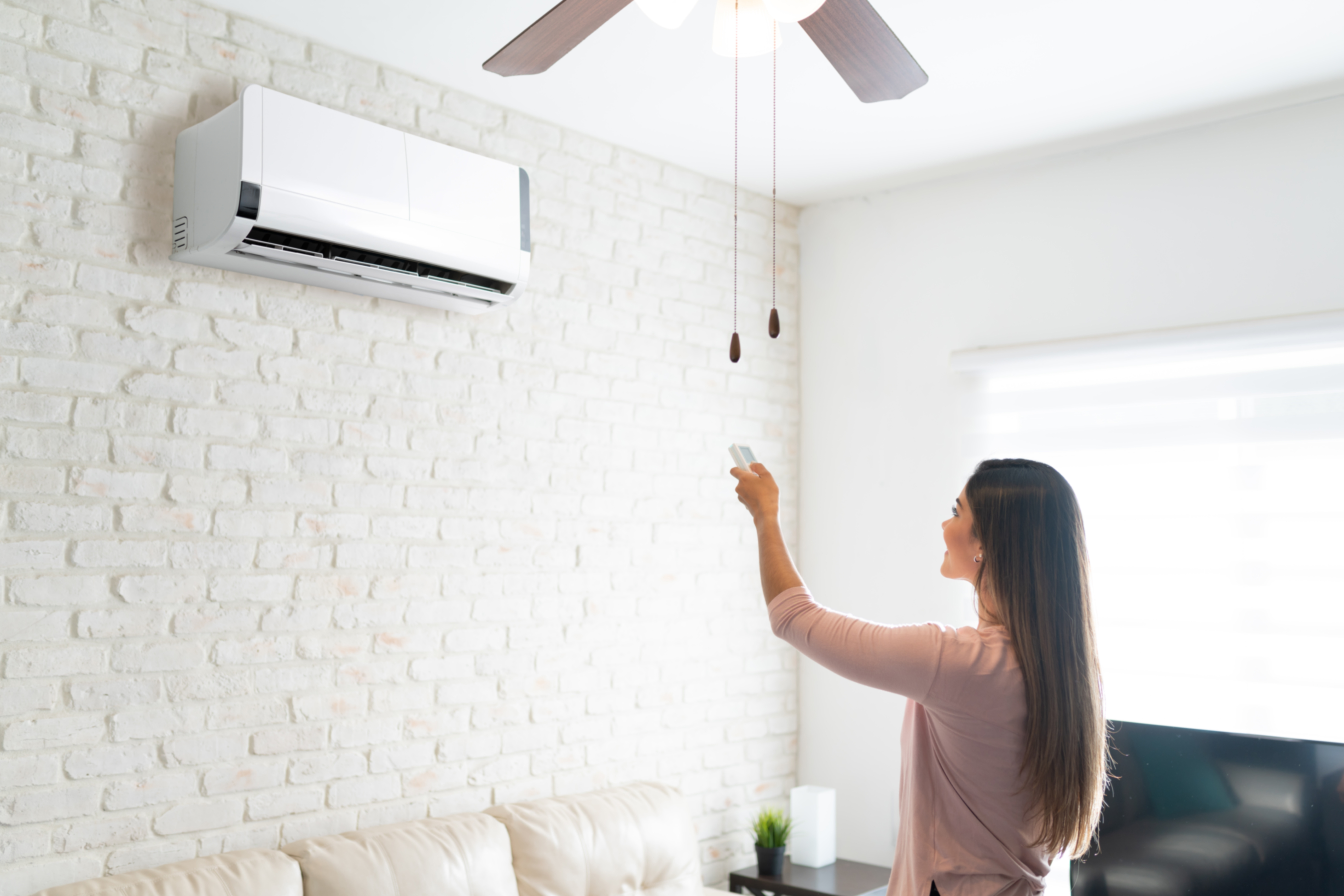
Not every home is the same, and the heat pump industry has expanded to reflect that. The most common type is the air-source heat pump, which transfers heat between your home and the outdoor air. These are widely available, relatively affordable to install, and work well in moderate climates. Then there are ground-source heat pumps, often called geothermal heat pumps, which draw heat from the ground where temperatures stay more consistent year-round. These tend to be more efficient but also more expensive upfront due to the underground installation required. There are also mini-split or ductless heat pumps, which are excellent for homes without existing ductwork or for room-by-room temperature control. Each type has its place depending on your home’s layout, your climate zone, and your budget.

Key Advantages of Installing a Heat Pump in Your Home
The benefits of heat pumps go well beyond just heating and cooling. Here is a closer look at what makes them worth serious consideration for most homeowners:
- Energy efficiency that can be two to three times greater than traditional electric resistance heating systems
- Dual functionality as both a heater and an air conditioner, which reduces the need for two separate systems
- Lower carbon footprint since no fossil fuels are burned during operation
- Improved indoor air quality due to better air filtration and humidity control in many models
- Potential eligibility for federal tax credits and local utility rebates, depending on your location
- Quieter operation compared to older furnace-based systems
From a financial standpoint, the savings on monthly energy bills can be significant over time, especially as electricity rates stabilize relative to natural gas costs in many parts of the country. The efficiency gains are real and consistently supported by utility data across multiple climate zones.
Common Drawbacks You Should Know Before Buying
No home system is perfect, and heat pumps are no exception. One of the most frequently cited concerns is performance in extremely cold climates. Traditional air-source heat pumps lose efficiency when outdoor temperatures drop well below freezing, though modern cold-climate models have made considerable improvements in this area and can operate effectively at temperatures as low as negative five degrees Fahrenheit. The upfront installation cost is another consideration — heat pumps tend to cost more to install than a standard central air conditioner or gas furnace, particularly if ductwork modifications are needed. Homeowners in areas with high electricity rates may also find that the long-term savings are less dramatic than expected. Lastly, because heat pumps are more complex mechanically than simpler systems, repairs can sometimes be more involved and require a technician with specific training.
Climate Considerations and Regional Suitability
Where you live genuinely matters when evaluating a heat pump. Historically, heat pumps were best suited for mild climates like the southeastern United States where winters rarely get brutal. That landscape has shifted considerably with newer technology. Cold-climate heat pumps are now engineered specifically for regions with harsh winters, and adoption has grown substantially in states like Minnesota, Maine, and Massachusetts. Coastal and Pacific Northwest climates tend to be ideal candidates because of the mild, consistent temperatures. If you are in a region that sees extended stretches of sub-zero temperatures, you may want to consider a hybrid system — a heat pump paired with a gas furnace as a backup — to ensure you are not left without heat during the most demanding days of winter.
Heat Pump Maintenance and What to Expect
Maintaining a heat pump is not dramatically different from maintaining a central air conditioning or forced-air heating system, but there are some specifics to keep in mind. The air filters should be checked monthly and replaced or cleaned every one to three months depending on usage and household conditions. The outdoor unit needs to stay clear of debris, leaves, and ice buildup during winter months. Coils should be inspected annually by a qualified HVAC technician, and refrigerant levels should be checked to ensure the system is running at peak efficiency. The blower components, electrical connections, and thermostat calibration are also part of a thorough annual service visit. Staying on top of routine maintenance extends the lifespan of the unit — typically between 15 and 20 years — and helps prevent the kind of unexpected breakdowns that always seem to happen at the worst possible time.
Is a Heat Pump Worth the Investment for Your Home?
The honest answer depends on several factors: your current heating system, your local climate, your electricity rates, and how long you plan to stay in the home. For most homeowners replacing an aging furnace or air conditioner, a heat pump is worth serious consideration. The efficiency benefits are substantial, the technology has matured significantly, and the availability of incentives through the Inflation Reduction Act makes the financial case stronger than it has ever been. If you are starting from scratch in a new home or planning a significant renovation, designing around a heat pump system from the beginning is often the most cost-effective path. For those in colder climates, the investment in a cold-climate or hybrid system pays dividends in both comfort and reliability.
How a Home Warranty Protects Your Heat Pump Investment
Installing a heat pump is a meaningful investment in your home’s comfort and efficiency. Protecting that investment is where a strong home warranty becomes genuinely valuable. When a heat pump compressor fails or a refrigerant line develops a leak, the repair costs can run into the thousands. That kind of unexpected expense can derail even a well-planned home budget. Armadillo home warranty coverage for heating and cooling systems is built specifically to address those real-world scenarios — covering the mechanical failures that happen after normal wear and tear, not just the ones that are convenient to cover. When you are ready to make sure your heat pump is covered against costly breakdowns, get a free heat pump home warranty quote from Armadillo and see exactly what protection looks like for your home. Armadillo keeps things transparent, straightforward, and built around what homeowners actually need.

Frequently Asked Questions About Heat Pumps
Answers to the most common questions homeowners ask when exploring heat pumps as a heating and cooling solution.
Can a heat pump replace both my furnace and air conditioner?
Yes, in most cases a heat pump can handle both heating and cooling functions, eliminating the need for two separate systems. Whether it fully replaces a furnace depends on your climate and the specific model selected.
How cold is too cold for a heat pump to work effectively?
Standard air-source heat pumps begin to lose efficiency below around 30 to 40 degrees Fahrenheit. Cold-climate models are designed to operate effectively at temperatures as low as negative five to negative thirteen degrees Fahrenheit, making them suitable for most regions in North America.
What is the average lifespan of a heat pump?
Most heat pumps last between 15 and 20 years with proper maintenance. Ground-source systems may last longer due to fewer exposed mechanical components.
Are heat pumps covered by home warranties?
Many home warranty plans include heat pump coverage under their heating and cooling system benefits. Coverage specifics vary by provider, so it is important to review what mechanical failures and components are included in the plan.
How much does it cost to install a heat pump?
Installation costs typically range from $4,000 to $10,000 or more depending on the type of system, home size, and whether ductwork modifications are required. Geothermal systems carry higher installation costs due to the underground infrastructure involved.
Do heat pumps work in humid climates?
Yes, heat pumps are well-suited for humid climates. In cooling mode, they also dehumidify indoor air, which improves comfort and reduces the load on standalone dehumidifiers.
Is a heat pump more efficient than a gas furnace?
In terms of energy conversion, heat pumps are significantly more efficient than gas furnaces. A high-efficiency gas furnace may convert around 95 percent of fuel into heat, while a heat pump can deliver two to three times more heat energy per unit of electricity consumed.
Can I get a tax credit for installing a heat pump?
Under current federal energy efficiency incentives, qualifying heat pump installations may be eligible for tax credits of up to 30 percent of the installation cost, subject to annual caps. State and utility rebate programs may offer additional savings.
What is a mini-split heat pump and is it right for my home?
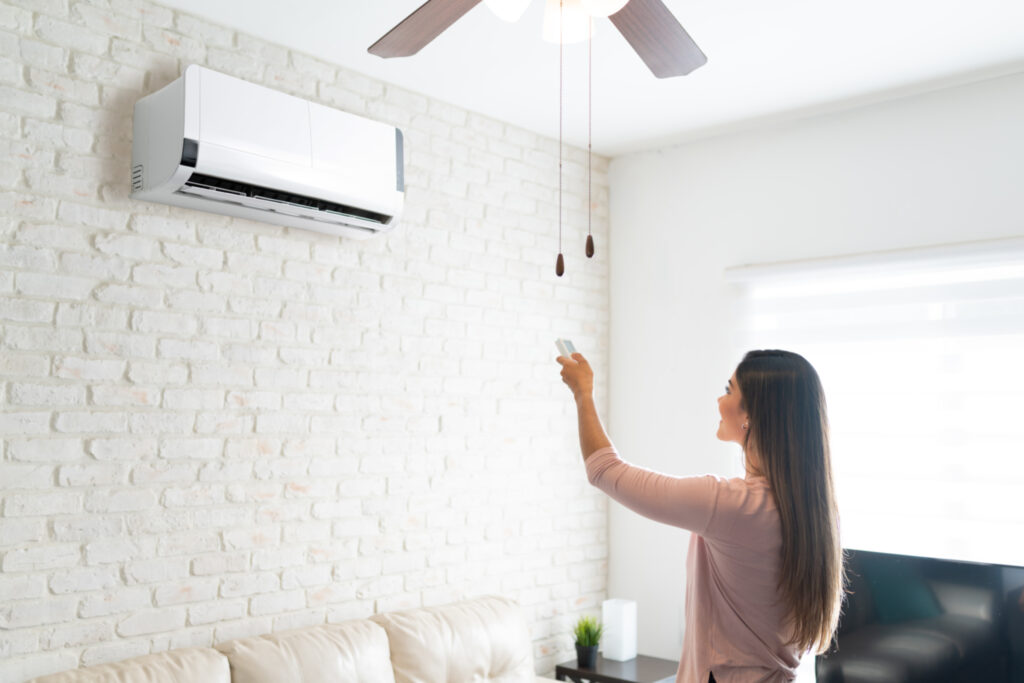
A mini-split heat pump is a ductless system that conditions individual rooms or zones using wall-mounted indoor units connected to an outdoor compressor. It is a strong option for homes without existing ductwork, room additions, or situations where zoned temperature control is a priority.
How do I know if my heat pump needs repair or replacement?
Signs that a heat pump may need attention include unusual noises, reduced heating or cooling output, frequent cycling on and off, higher-than-normal energy bills, and ice buildup on the outdoor unit outside of normal conditions. A qualified HVAC technician can diagnose whether repair or replacement is the appropriate course of action.