Understanding Heat Pumps: A Homeowner’s Guide to Efficient Heating and Cooling
In the intricate world of home systems, few appliances serve a dual purpose quite as efficiently as the heat pump. For homeowners searching for year-round climate control without the complexity of managing multiple systems, a heat pump can be a smart investment. But before replacing your furnace or air conditioner with one machine, you’ll want to understand how this technology works, how it benefits your home, and whether it’s the right fit for your local climate and living situation. Below, we’ll explore the ins and outs of heat pumps—how they function, what makes them appealing, where they occasionally fall short, and why they continue to grow in popularity across the country.
What Is a Heat Pump and How Does It Work?
A heat pump is a highly efficient, all-in-one system that provides both heating and cooling for your home. It operates using electricity and a refrigeration cycle, similar to how your refrigerator works—but reversed. In the summer, it removes heat from inside your home and transfers it outdoors. In the winter, the process flips: the heat pump extracts thermal energy from the outdoor air—even when it feels cold—and moves that heat inside. This is different from traditional heating systems like furnaces, which generate new heat through combustion. A heat pump doesn’t make heat; it moves it. This characteristic is what makes it significantly more energy efficient than conventional heating systems.
The Main Advantages of Installing a Heat Pump
One of the primary reasons many homeowners are switching to heat pumps is energy efficiency. Because heat pumps transfer heat instead of generating it, they can provide up to three times more heating energy than the electricity they consume. This leads to lower utility bills in many climates, especially those with moderate seasonal swings. Another advantage is simplicity. Rather than installing both a furnace and an air conditioner, homeowners can rely on a single unit for consistent indoor comfort throughout the year. Environmentally, heat pumps are generally less carbon-intensive, especially when paired with renewable energy sources such as solar panels or wind power. They also tend to have fewer maintenance demands than fuel-burning systems, reducing lifetime costs over time.
Understanding the Limitations of Heat Pumps
Despite clear advantages, it’s important to understand the practical limitations of heat pump systems. First and foremost is climate suitability. In extremely cold regions—think northern Minnesota or interior Alaska—conventional air-source heat pumps may struggle to pull enough heat from outdoor air during subzero temperatures. Although newer models, particularly cold-climate heat pumps, have begun to close this performance gap, in some areas, a backup heat source may still be required. There’s also the upfront investment. Heat pump systems generally cost more to install than traditional HVAC units, particularly if you’re switching from a fuel-based system and need to add or upgrade electrical connections. Finally, while newer models are quieter and more durable than in years past, some homeowners may notice increased noise levels compared to old-style gas furnaces or boilers.
Maintenance Tips to Keep Heat Pumps Running Smoothly
Like all central systems in a home, heat pumps require routine maintenance to work efficiently and avoid avoidable wear. Homeowners should clean or replace air filters every few months to reduce strain on the system. It’s also important to keep the outdoor unit free of debris—leaves, dirt, snow buildup—to ensure steady airflow. Annual tune-ups from a licensed HVAC technician are crucial as well. These checkups can help catch refrigerant leaks, worn electrical parts, or airflow issues before they lead to breakdowns. Regular maintenance not only extends the lifespan of your system but protects your comfort during peak heating and cooling months. It’s a familiar story: if something’s going to fail, it’s going to happen during the most extreme temperature swing of the year. Stay ahead of it by keeping your unit in optimal shape year-round.
Choosing the Right Type of Heat Pump for Your Home
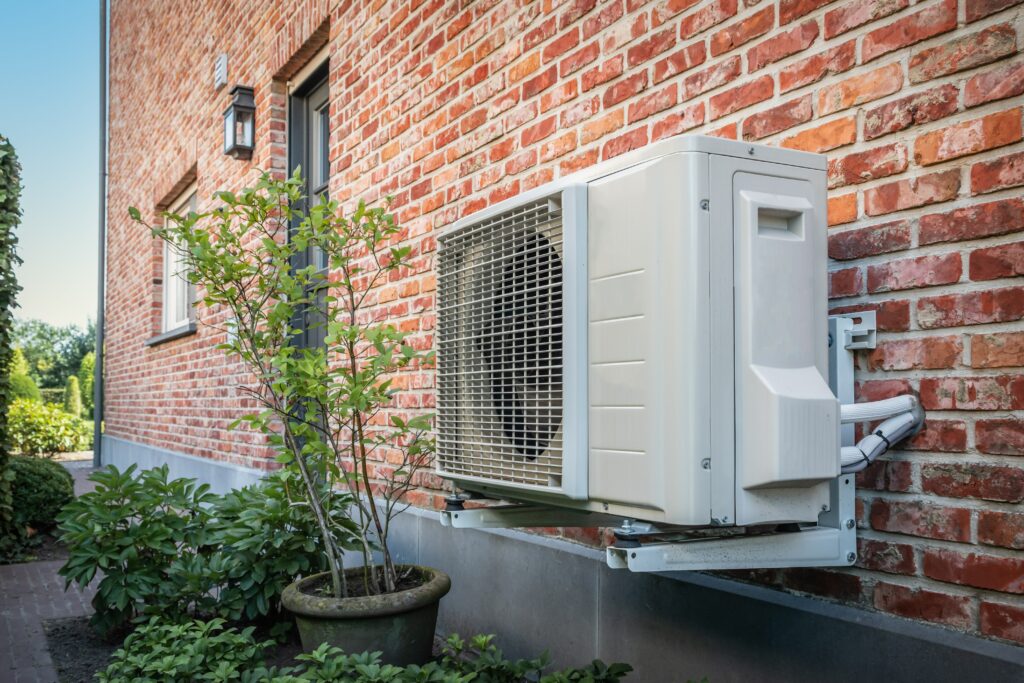
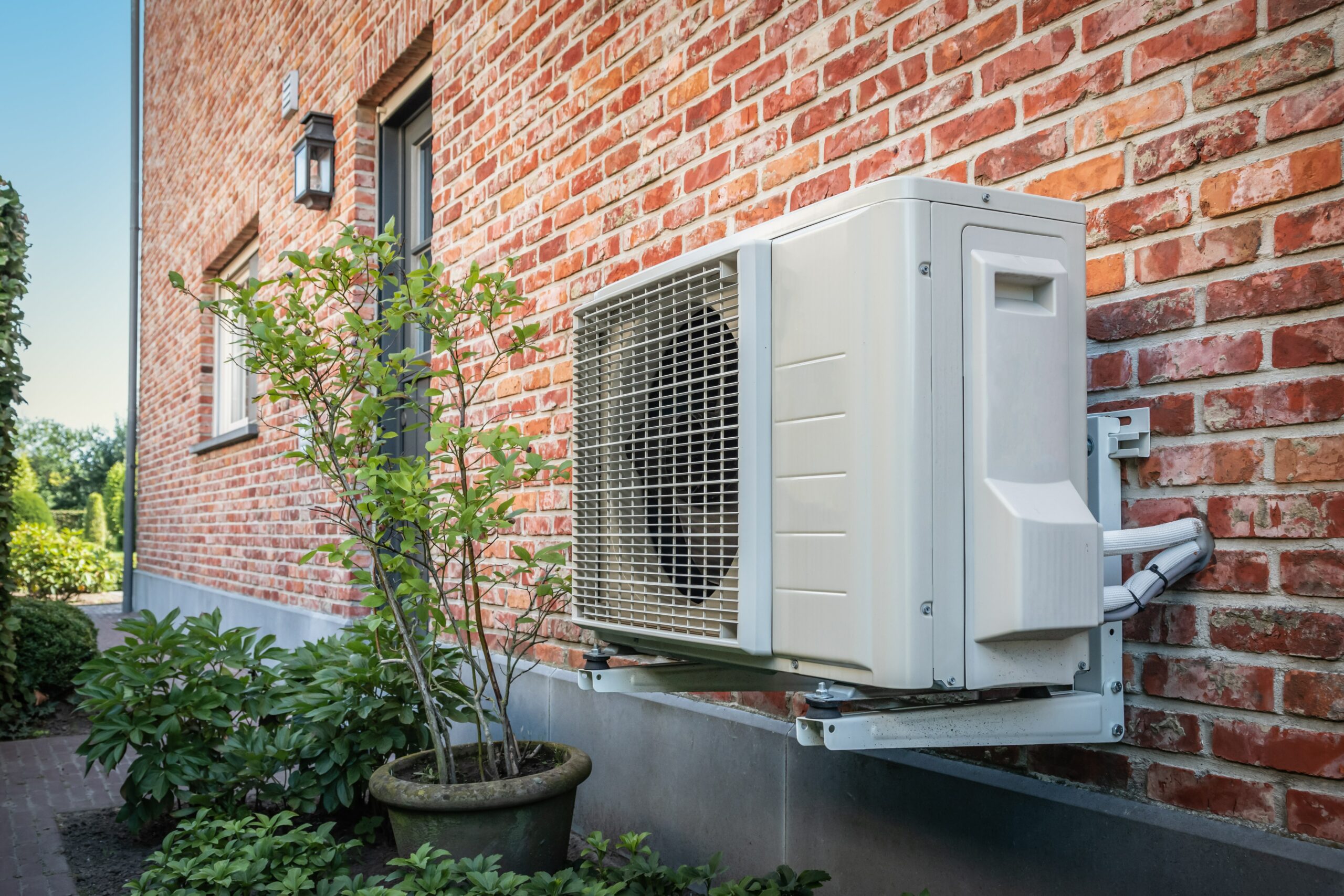
There are three primary types of heat pumps: air-source, ground-source (geothermal), and mini-split (ductless) systems. Air-source heat pumps are the most common and generally the most affordable, using outdoor air to transfer heat. Ground-source models tap into consistent underground temperatures to regulate indoor conditions. These geothermal units are highly efficient but often expensive to install. Finally, ductless mini-split systems provide flexibility and individual room control—ideal for additions or homes without existing ductwork. Choosing the right system depends on the size of your home, existing HVAC infrastructure, geography, and budget. A trusted HVAC professional can help assess your home’s needs and determine which setup makes the most economic and operational sense. And before any upgrade, consult your home warranty provider to ensure everything aligns with your coverage.
Is a Heat Pump Right for Your Region and Lifestyle?
Heat pumps perform best in moderate climates, where winter temperatures stay above freezing most of the time. That said, technology improvements have made cold-weather heat pumps far more viable in recent years. If you live in a region with damp or mild winters—such as the Pacific Northwest, Mid-Atlantic, or lower Midwest—a heat pump could be ideal for year-round comfort and efficiency. But that doesn’t mean homeowners in northern areas are out of the conversation. Dual-fuel systems, which combine a heat pump with a gas furnace, allow for optimized climate control based on outdoor conditions. With modern zoning systems, smart thermostats, and variable-speed motors, heat pumps have become a flexible solution for a wide range of homes. Still, your home’s insulation, windows, and ductwork condition all factor into overall performance. A comprehensive home energy audit can help identify whether your home is ready for a heat pump system or if upgrades should come first.
Protecting Your Heat Pump and Home Systems with Armadillo
Investing in a high-efficiency heat pump is a significant financial commitment—and one that demands smart protection. Unexpected breakdowns, refrigerant leaks, or compressor failures can be costly. That’s exactly where a home warranty from Armadillo proves its value. Armadillo offers straightforward, comprehensive coverage designed to protect the critical systems in your home, including major HVAC components. Should your heat pump experience a mechanical failure, Armadillo’s plans can help cover repair or replacement costs, minimizing disruption and keeping your home comfortable year-round. Their plans are customizable, seamless to set up, and backed by top-tier service professionals. Learn more at armadillo.one, or start building your personalized coverage today at armadillo.one/plan-builder. Just as every home is unique, so is every warranty plan—so you can build yours with total confidence and peace of mind.