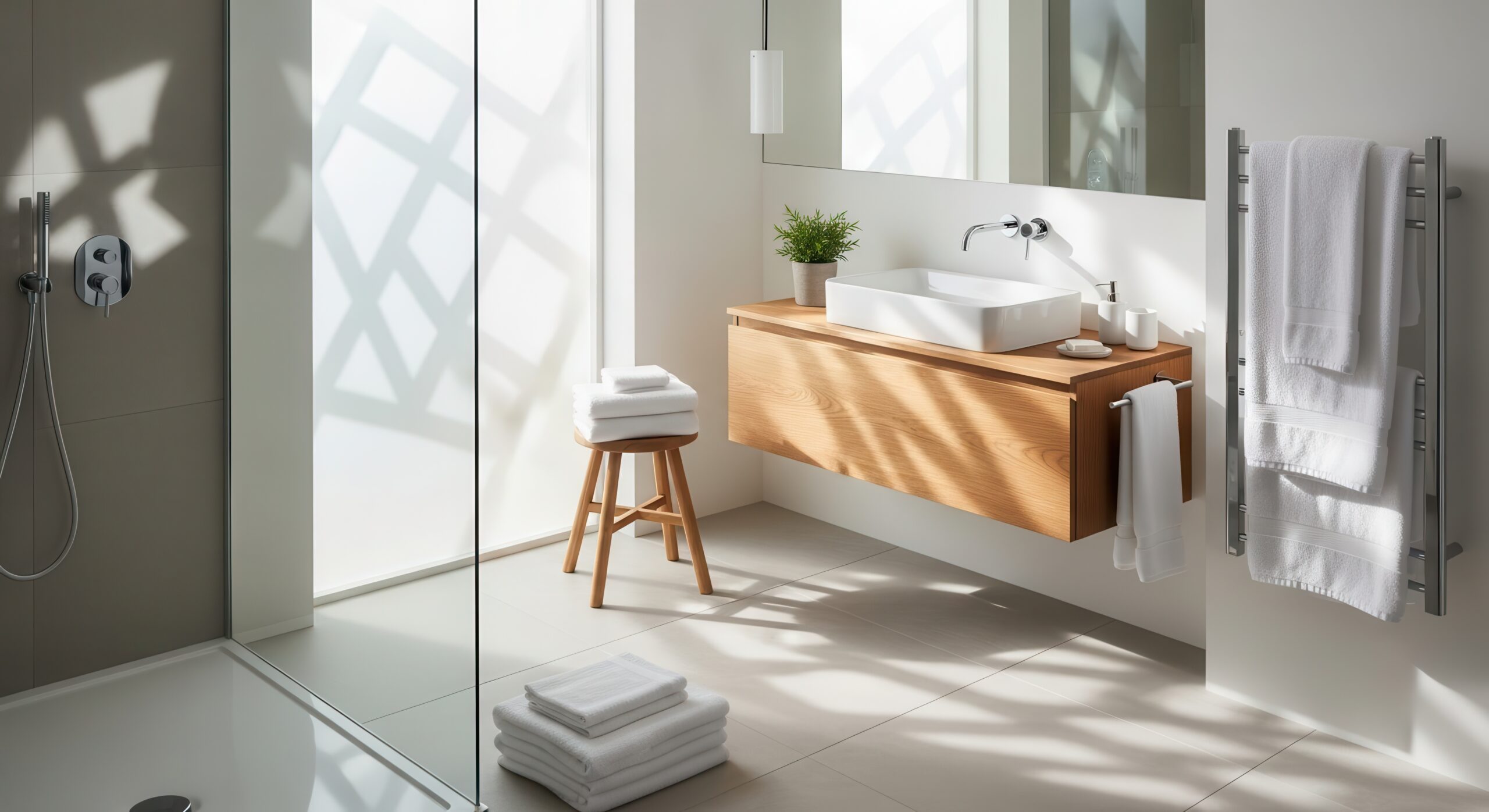
Heated Bathroom Floors: Comfort, Cost, and Considerations for Homeowners
Few things evoke everyday luxury quite like heated bathroom floors. Imagine stepping out of bed on a cold morning and into a bathroom that welcomes your feet with gentle warmth, not icy tile. While previously seen as a high-end feature reserved for luxury homes or upscale renovations, heated floors have increasingly become an attainable upgrade for homeowners seeking both comfort and efficiency. However, it’s not just about indulgence. Installing radiant heating in your bathroom can raise your home’s value, enhance energy efficiency, and eliminate the need for bulkier forced-air systems. Of course, any home improvement decision should involve more than just emotional appeal. Costs matter. Reliability matters. And long-term upkeep is something you can’t afford to overlook. In this article, we’ll introduce the essentials of heated bathroom flooring, including how the systems work, the advantages and drawbacks, what installation typically costs, and why homeowners need to think ahead when it comes to warranties and protection.
Understanding Heated Bathroom Floors
At its core, a heated bathroom floor uses radiant heat to warm the floor surface, which then transfers heat upward into the room. It’s a silent, invisible process, which can make it easy to underestimate just how complex the system is. Radiant floor heating comes in two main types: electric and hydronic. Electric systems rely on coils or mats embedded beneath the floor that warm up when powered. Hydronic systems use tubing laid under the floor to circulate warm water from a boiler or hot water heater. Of the two, electric systems are far more common in bathrooms due to the smaller square footage and lower long-term cost. They offer faster installation and less disruption, especially in renovations. Hydronic systems are more cost-effective for larger spaces or when integrated into new home construction. Both types require careful planning, and choosing the right one plays a significant role in the performance and efficiency of the system.
How Radiant Floor Heating Works
The science behind floor heating is relatively straightforward. Heat naturally rises, which makes the floor an ideal heat source when compared to forced air, which is immediately pulled upward and often loses efficiency. In electric radiant systems, thin wires or mats are installed beneath your tile or stone flooring. These elements connect to a thermostat that allows the user to control the temperature as needed, often on a timer. Hydronic systems use a closed-loop of flexible tubing connected to a water heater or boiler, circulating warm water beneath the floor. The heat radiates from the floor, warming both the surface and the air gradually. Because radiant systems distribute heat more evenly, rooms can feel warmer at lower thermostat settings, reducing the need for high energy input and eliminating cold drafts or hotspots. Once installed, the system is mostly automatic, requiring only occasional maintenance or adjustments.
The Average Cost of Heated Bathroom Floor Installation
Cost is often the first question homeowners ask. On average, the cost of installing an electric radiant floor heating system ranges between $10 to $20 per square foot. That includes both materials and professional labor. For a standard bathroom of about 50 square feet, total installation typically falls within $500 to $1,500. However, that’s only part of the picture. If you’re renovating and removing existing floors, you’ll need to factor in demolition and replacement costs, which can push the total higher. Hydronic systems, while cheaper to run long-term, are significantly more expensive to install and usually exceed $6,000 due to the complexity of routing water lines and connecting to your heating system. Professionally-installed electric systems generally include a thermostat (sometimes programmable), and more advanced installations might include zoning capabilities for customizing heating areas. These upgrades add cost but can significantly improve efficiency and control. Overall, while radiant floor heating may seem like a luxury, the price inflates most when larger changes to flooring or plumbing are needed, especially in older bathrooms.
Benefits of Heated Bathroom Floors
Heating flooring systems offer more than just the satisfying feeling of a warm tile. Radiant heat distributes evenly, creating a more stable and comfortable temperature throughout the space. This may enable you to lower the central thermostat, particularly during morning and evening peaks when you’re using the bathroom most. Additionally, heated floors help reduce moisture accumulation and dry surfaces faster, which can cut down on mold or mildew growth—especially in humid environments. Because radiant systems don’t use fans or blowers, there’s less air circulation of allergens and dust, making them inherently cleaner and quieter. In bathrooms with space limitations, getting warmth from the floor rather than a bulky wall heater or vent allows for a sleeker, more modern design approach. And from a resale perspective, heated floors are consistently listed as a high-impact improvement that’s attractive to buyers—particularly in colder regions. It may not vastly increase square footage, but it can increase perceived value.
Potential Drawbacks and Considerations
Of course, radiant flooring isn’t without drawbacks. The most immediately noticeable is cost and disruption—especially if installed as part of a bathroom retrofit rather than new construction. Once the tiles, subfloor, and heating components are embedded, accessing or altering the system is difficult and costly. Floor height can slightly increase after installation, which may require adjustments to cabinetry or door clearance. Another consideration is electrical load. Electric systems can demand a dedicated circuit, and not all older homes have adequate service without panel upgrades. While radiant floor systems are generally reliable, repairs—when needed—can be complex and expensive. In electric systems, a damaged wire or failed thermostat can necessitate removing tiles. Hydronic systems have more moving parts and connections, increasing the possibility of leaks or failure over time. That’s why pre-installation planning, using licensed and experienced contractors, and protecting your system afterward are crucial steps homeowners shouldn’t overlook.
Maintenance and Lifespan Expectations
Radiant floor systems are low-maintenance by design, especially electric types which have fewer mechanical components than hydronic systems. Once installed, these systems can last 20 years or more without issue. Routine maintenance for electric systems is minimal, usually limited to periodic checks on the thermostat or any linked smart controls. Hydronic systems, however, do require more regular upkeep to ensure pumps, valves, and water pressure remain within operating ranges. Usage habits—and the quality of installation—will influence the system’s longevity. That said, if a fault occurs beneath the floor, repairs can be intrusive and expensive. That’s why this is one area where homeowners often benefit from a comprehensive home warranty plan that includes radiant heating. Unforeseen failures, even rare, can pose significant financial disruptions. Having a proactive service or warranty agreement in place mitigates that risk.
Choosing Heated Floors for Your Bathroom Renovation
For homeowners already planning a bathroom renovation, incorporating a heated floor system makes a compelling case. Labor and construction effort are already underway, which reduces marginal costs. Tiles are being removed and replaced, electrical work is in motion—why not upgrade? But for those simply looking to add heated floors on their own, it’s important to analyze the cost-benefit ratio carefully. If you live in a region with long winters, consistently cold floors, or you’re upgrading for comfort aging-in-place, the investment could be well worth it. Working with qualified experts is essential in either scenario. They can advise not just on the best system type for your space, but also how to configure heating zones, timers, insulation, and connectivity. Be mindful of long-term electrical compatibility and impact on your energy footprint. Small changes now can save hundreds later. Finally, once installed, ensure the system is either included in a formal manufacturer warranty or enrolled under a broader home warranty umbrella to avoid future surprise expenses.
Protect Your Radiant Heating Investment with Armadillo
A radiant floor heating system may be a smart move for comfort and energy efficiency, but without proper protection, it can quickly become an expensive liability. That’s where Armadillo comes in. With tailored home warranty plans designed to cover your most critical home systems and appliances—including radiant floor heating—Armadillo helps safeguard against breakdowns and costly repairs. Our plans go beyond basic protection, giving you peace of mind knowing that one call connects you with verified professionals and transparent, modern service. Whether you’re installing your first heated floor or managing an existing one, the right backing matters. Explore flexible plans that fit your home’s needs at armadillo.one, or start building your customized coverage now at our plan builder page. Make your warm bathroom floor feel even more secure—with a warranty that’s as smart as your renovation.