What Is a Heated Shower Light and Why Are Homeowners Talking About It?
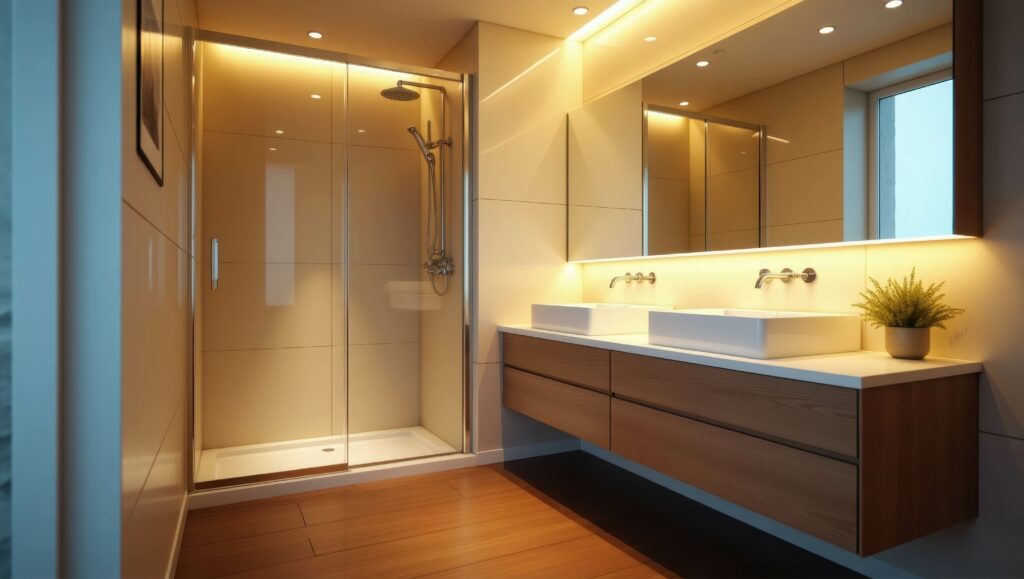
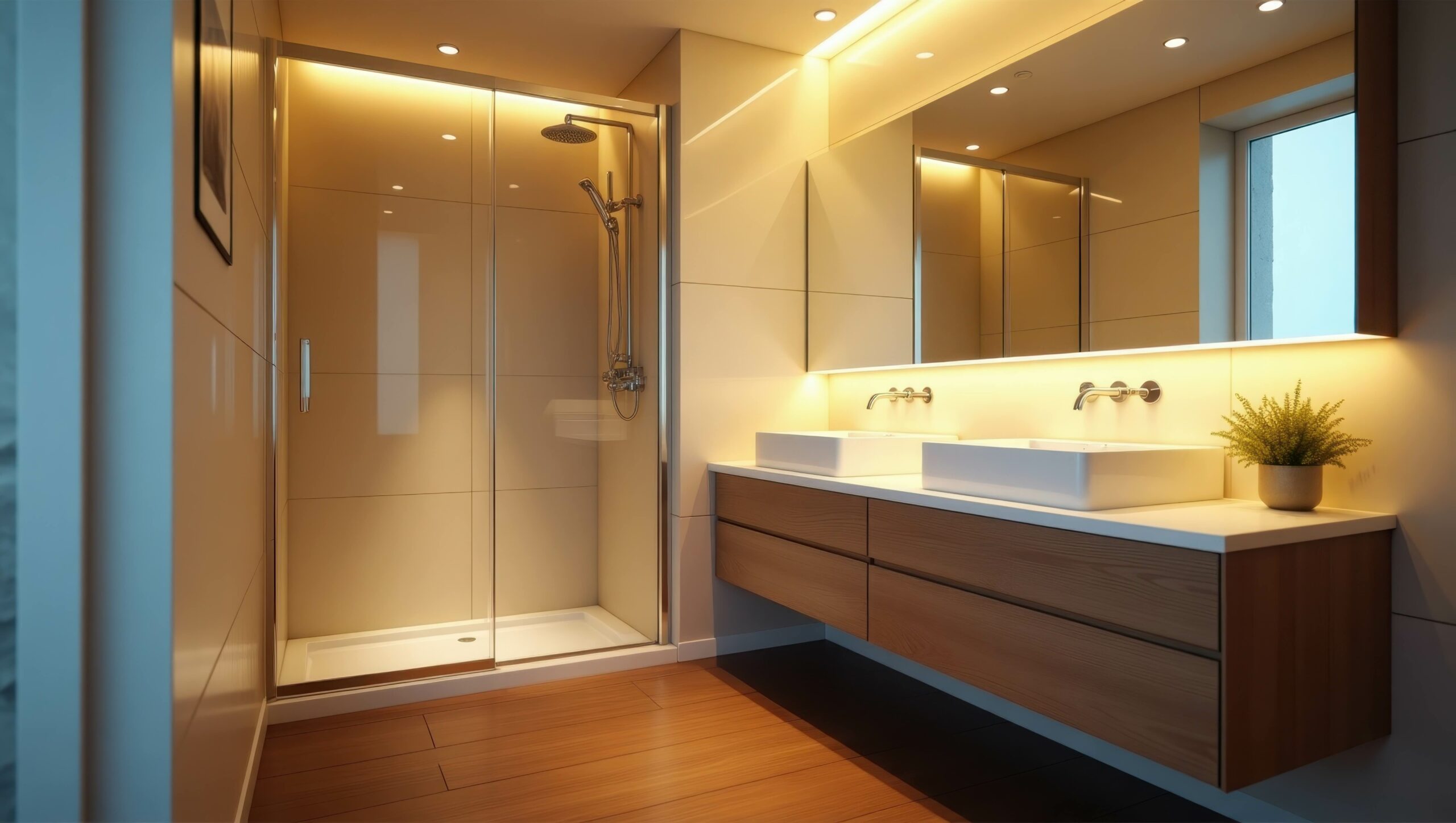
If you have never heard of a heated shower light before, you are not alone. It sits in one of those interesting intersections between bathroom safety, comfort technology, and smart home upgrades — and it is gaining traction fast. A heated shower light is exactly what it sounds like: a ceiling-mounted fixture installed in a shower or bathroom that combines overhead illumination with a built-in heating element. Some models also include ventilation fan functionality, making them a three-in-one solution for a space that tends to deal with cold air, poor lighting, and stubborn humidity all at once. Once you understand what these units actually do, it becomes a lot easier to see why they keep coming up in conversations about bathroom renovations and home comfort upgrades.
How a Heated Shower Light Actually Works
The mechanics here are not overly complicated, which is part of the appeal. Most heated shower light units use infrared heating technology or a resistive heating element housed inside the fixture casing. When activated, the unit radiates warmth downward into the shower or bathroom space, taking the edge off the cold air that tends to greet you before and after a hot shower. The lighting component operates independently or in tandem, depending on the model, and many units use energy-efficient LED bulbs to deliver bright, consistent light without contributing significantly to heat output. The ventilation component, present in combination units, draws out steam and moisture through ductwork connected to the exterior of the home. All three functions are typically controlled through a wall switch panel or, in newer models, through a smart home app or timer system.
The Key Advantages of Installing a Heated Shower Light
There are several reasons a homeowner might seriously consider this type of fixture, and the benefits stack up in a practical way. Here is a quick breakdown of what makes heated shower lights worth the conversation:
- They eliminate the cold shock of stepping into an unheated bathroom, especially during winter months
- Infrared heat warms skin directly rather than heating the surrounding air, which means warmth is felt almost immediately
- Combined ventilation helps reduce mold and mildew growth by controlling moisture levels
- Multi-function units replace the need for separate fixtures, which can simplify installation and reduce clutter on the ceiling
- Many models are compatible with smart home systems and programmable timers for added convenience
- They can add perceived value to a bathroom during a home sale or appraisal
The comfort factor alone is enough for many homeowners to explore this upgrade seriously. When you combine that with moisture control and improved lighting, it starts to look like a well-rounded investment rather than a luxury add-on.
Common Drawbacks and Limitations to Know Before You Buy
No home upgrade is without its trade-offs, and heated shower lights are no exception. The heating output from these units is designed for spot comfort rather than whole-room temperature regulation. If your bathroom is large or poorly insulated, the warmth may feel limited. Installation requires access to proper electrical circuits — many units demand a dedicated circuit or a higher amperage connection than standard bathroom outlets can provide, which means an electrician may need to be involved. That adds to the upfront cost. Additionally, combination units with fans and heating elements have more components that can wear out over time, which means more potential maintenance points down the road. Noise from the fan component can also be a minor annoyance depending on the model and installation quality.

What to Look for When Choosing the Right Model
The market for heated shower lights has grown enough that there are now genuinely distinct categories to consider. Wattage matters quite a bit — a 1,500-watt unit will produce noticeably more heat than a 750-watt model, so sizing your choice to your bathroom square footage is important. Look for units with an IP rating appropriate for wet locations, specifically IP44 or higher, which indicates the fixture has been tested for moisture resistance. Timer functionality is worth prioritizing because it prevents the unit from running unnecessarily and helps extend the lifespan of the heating element. If ventilation is a priority, check the CFM rating of the fan to make sure it is adequate for your bathroom size. CFM stands for cubic feet per minute, and a general rule of thumb is one CFM per square foot of bathroom space.
Installation Considerations Every Homeowner Should Understand
This is not typically a weekend DIY project unless you already have solid electrical knowledge and experience with bathroom fixture installation. The combination of water proximity and electrical work puts this firmly in the category of jobs where hiring a licensed electrician is the safer, smarter choice. Beyond the electrical side of things, the installation involves cutting into the ceiling drywall, running ductwork if ventilation is included, and securing the unit according to manufacturer specifications. If you are renovating your bathroom from scratch, this is the ideal time to incorporate a heated shower light, since access to the ceiling cavity is much easier. Retrofitting an existing bathroom is completely doable, but it does add complexity and cost to the project.
Energy Consumption and Operating Costs
Heated shower lights are not meant to run all day, which actually works in your favor from an energy standpoint. Most homeowners use them for short intervals — typically 15 to 30 minutes at a time before or after showering. At that usage pattern, the daily energy cost for a 1,500-watt unit is relatively minor, usually just a few cents per session depending on your local electricity rate. Timer-equipped models help manage this even further by shutting off automatically. Compared to running a space heater continuously in a bathroom, a properly used heated shower light is meaningfully more efficient. That said, homeowners who are already working to reduce their energy footprint may want to factor this into their overall household consumption plan.
Maintenance Tips to Keep Your Heated Shower Light Running Well
Like any bathroom fixture with multiple components, a little routine attention goes a long way. Dust and debris can accumulate inside the unit over time, particularly around the fan blades and heating element, which can reduce efficiency and create a minor fire risk if left unchecked. Cleaning the exterior grille regularly with a dry cloth and occasionally vacuuming the interior vents when power is off will help maintain performance. Check the ductwork connection periodically to make sure it remains sealed — disconnected or leaky ductwork defeats the purpose of the ventilation component entirely. If the heating element begins producing noticeably less warmth or the fan develops unusual sounds, those are reliable signals that a service call or component replacement is warranted before the issue compounds.
Is a Heated Shower Light Worth the Investment for Your Home?
The honest answer depends on your priorities and your bathroom setup. For homeowners who consistently deal with cold bathrooms, poor ventilation, and inadequate lighting, a heated shower light addresses all three of those friction points in a single installation. The upfront cost — typically ranging from a few hundred dollars to over a thousand depending on the model and installation complexity — can feel significant, but when spread across years of daily use, it tends to deliver solid value. Homes in colder climates stand to benefit the most, though the ventilation benefit is relevant in almost any region where bathroom moisture is a recurring concern. If comfort, functionality, and long-term home care are on your list, this upgrade tends to check the right boxes.
How Armadillo Helps Protect the Systems That Keep Your Bathroom Running
Once you invest in a bathroom upgrade like a heated shower light, protecting that investment becomes part of the conversation. Heated shower lights involve electrical systems, ventilation components, and mechanical parts that can and do wear out — and repair or replacement costs can catch homeowners off guard. That is where a home warranty from Armadillo home warranty protection plans makes a meaningful difference. Armadillo is built for homeowners who want straightforward coverage without the confusion, fine print surprises, or frustrating claim experiences that have made the warranty industry feel unreliable. When bathroom systems, electrical components, or ventilation elements run into problems, having the right plan in place means you are not absorbing the full cost out of pocket. If you have been considering coverage for your home’s systems and appliances, now is a smart time to get a free quote for heated bathroom system home warranty coverage and see exactly what a plan looks like for your home. Armadillo keeps it simple, honest, and worth your time.

Frequently Asked Questions About Heated Shower Lights
Here are answers to the questions homeowners ask most when researching heated shower lights for their bathrooms.
What is the difference between an infrared heated shower light and a standard bathroom heater?
An infrared heated shower light warms objects and people directly through radiant heat rather than warming the surrounding air, which means you feel the warmth faster. A standard bathroom heater typically warms the air in the room, which takes longer and dissipates quickly when the door is opened.
Can a heated shower light be installed in any bathroom?
Most bathrooms can accommodate a heated shower light, but the electrical setup must support it. Some units require a dedicated circuit or higher amperage than what is currently available at the fixture location, so a licensed electrician should assess your bathroom before installation begins.
Are heated shower lights safe to use in wet shower enclosures?
Yes, provided you select a unit with an appropriate IP moisture rating for wet locations. Look for a minimum IP44 rating, which indicates the fixture has been tested and certified for use in environments where water spray is present.
How long does a heated shower light typically last?
With proper installation and routine maintenance, most heated shower light units last between 10 and 20 years. The heating element and fan motor are the components most likely to require attention over that period, especially in bathrooms with heavy daily use.
Does a heated shower light replace the need for a separate exhaust fan?
Combination units that include a ventilation fan can replace a standalone exhaust fan, provided the CFM rating is sufficient for your bathroom size. Always verify the fan’s airflow capacity before assuming it will fully substitute for a dedicated ventilation unit.
How much does it cost to install a heated shower light?
Installation costs vary depending on your location, the complexity of the electrical work, and whether ductwork modifications are needed. Homeowners typically spend between 200 and 600 dollars on installation labor in addition to the cost of the unit itself, which can range from 100 to over 800 dollars.
Will a heated shower light significantly increase my electric bill?
When used in short intervals as intended, the increase to your monthly electricity bill is usually minimal. Running a 1,500-watt unit for 20 minutes per day adds only a small amount to your monthly usage, making it far more efficient than leaving a space heater running in the bathroom.
Can I connect a heated shower light to a smart home system?
Many newer heated shower light models are compatible with smart home platforms and can be controlled through apps, voice assistants, or automated schedules. Check the product specifications before purchasing if smart home integration is a priority for you.
Does a home warranty cover a heated shower light?
Coverage depends on the specific home warranty plan and provider. Some plans cover built-in electrical systems and bathroom components, while others may classify specialty fixtures differently. Reviewing your plan details or speaking with your warranty provider directly will clarify what is included.
What maintenance does a heated shower light require?
Routine maintenance includes cleaning the exterior grille, vacuuming interior vents periodically, and inspecting ductwork connections to ensure they remain sealed. Addressing unusual sounds or reduced heating output promptly helps prevent minor issues from developing into larger repairs.