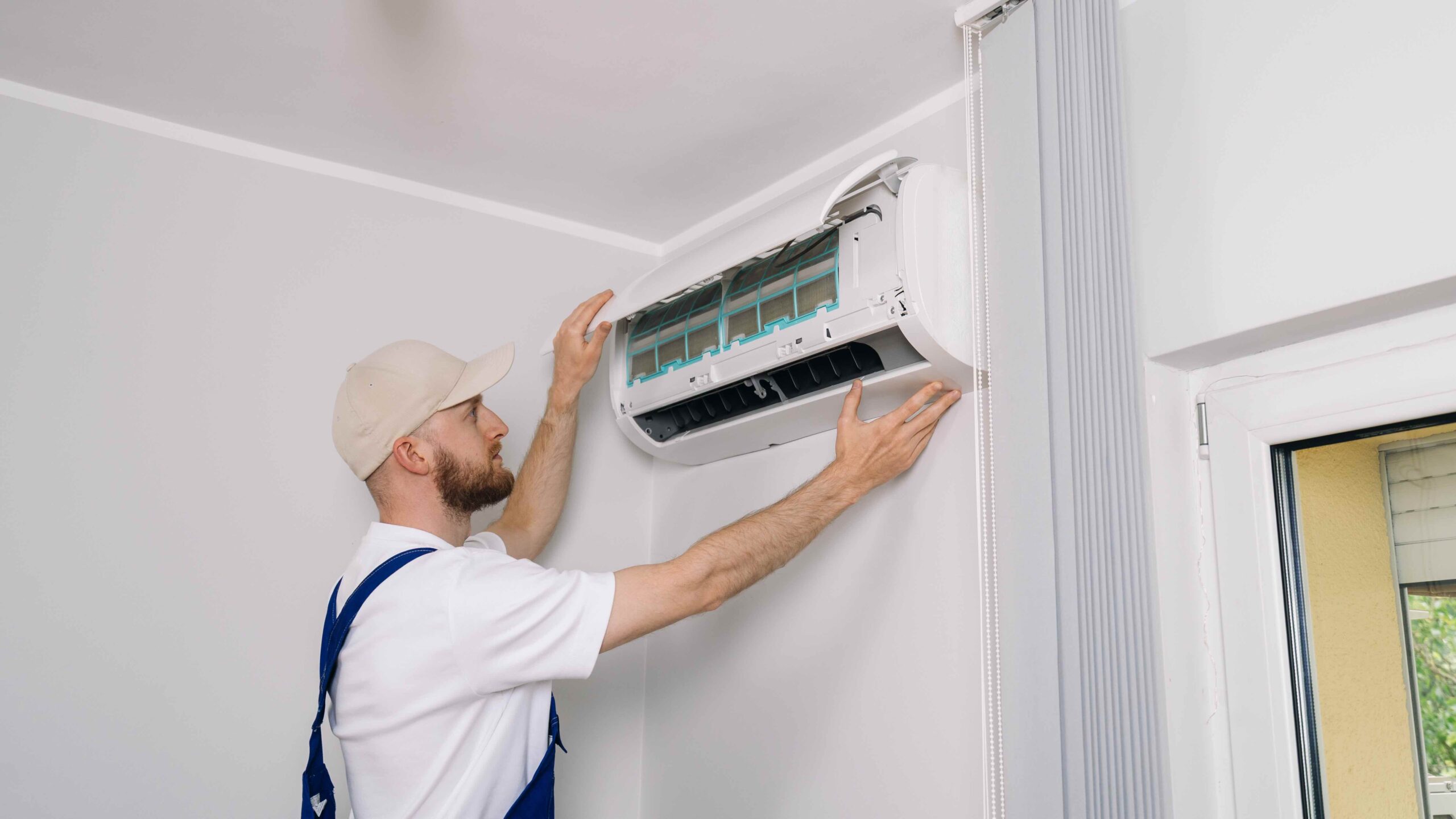
What Does It Actually Cost to Replace a Heating and Air Conditioning System?
If your HVAC system has ever gone out in the middle of July or during a January cold snap, you already know that sick feeling that comes with it. That moment when the air stops blowing, the temperature climbs, and the next thought is: how much is this going to cost me? Replacing a heating and air conditioning system is one of the most significant home expenses a homeowner can face, and yet most people have no idea what to expect until they are already in the middle of it. This guide breaks down the real costs, what drives them, and how to protect yourself before the next breakdown hits.
Understanding the HVAC System: What You Are Actually Replacing
HVAC stands for heating, ventilation, and air conditioning. It is the combined system responsible for keeping your home at a comfortable temperature year-round. Depending on the configuration of your home, this could mean a central air conditioner paired with a gas furnace, a heat pump that handles both heating and cooling, or a split system with separate indoor and outdoor components. The ductwork, thermostat, and air handler are all part of this picture too. When people talk about replacing their HVAC system, they could mean replacing one component or the whole thing, and that distinction matters enormously when it comes to cost.
Average Heating and Air Conditioning Replacement Costs in the U.S.
Replacement costs vary widely depending on the type of system, the size of the home, the region, and whether ductwork needs to be replaced or repaired alongside the equipment. That said, here is a general breakdown of what homeowners typically encounter:
- Central air conditioner replacement: $3,800 to $7,500 on average, with high-efficiency models pushing toward $10,000 or more
- Gas furnace replacement: $2,500 to $6,000 installed, depending on BTU output and efficiency rating
- Heat pump replacement: $4,000 to $8,000 for a standard unit, with geothermal systems ranging from $10,000 to $30,000
- Full HVAC system replacement (AC plus furnace): $7,000 to $15,000 or higher for a complete installation
- Ductwork repair or replacement: $1,000 to $5,000 depending on the scope of work
These are national averages, and your actual quote could fall above or below based on local labor rates and the specifics of your home. A two-story home with complicated duct runs will almost always cost more than a single-story ranch.

Key Factors That Drive HVAC Replacement Costs Higher
The sticker price on a new unit is just the beginning. Several variables can push your total out-of-pocket cost significantly higher than the baseline estimates suggest. The SEER rating, which measures energy efficiency in cooling systems, is one of the biggest drivers. Higher-efficiency units cost more upfront but deliver lower monthly utility bills over time. The size of your home also matters because HVAC systems are measured in tons, and a larger home requires a more powerful system. Installation complexity is another factor, especially in older homes where existing ductwork may not be compatible with modern systems. Finally, if your system runs on refrigerant that has been phased out, like R-22, you may face additional costs related to refrigerant handling and system upgrades during the replacement process.
Signs Your Heating or Cooling System May Need Replacing Soon
Most HVAC systems have a lifespan of 15 to 20 years with proper maintenance. Knowing when replacement is more cost-effective than repair can save you thousands. Watch for these warning signs:
- The system is more than 15 years old and requires frequent repairs
- Energy bills have increased noticeably without a change in usage habits
- Some rooms in the home are consistently too hot or too cold
- The system makes unusual noises like banging, grinding, or rattling
- Humidity levels inside the home feel uncontrolled or inconsistent
- The unit requires refrigerant refills more than once
Repair Versus Replace: How to Think Through the Decision
One of the most common questions homeowners ask is whether to repair a struggling system or replace it outright. A general rule of thumb used in the HVAC industry is the 5,000 rule: multiply the age of the unit by the estimated repair cost, and if the result exceeds $5,000, replacement is typically the smarter long-term investment. For example, a 12-year-old unit facing a $500 repair produces a score of $6,000, which leans toward replacement. This is not a hard rule, but it gives you a framework for the conversation with your contractor. Getting a second opinion from another licensed HVAC technician before committing to a major repair on an aging system is always worth the time.
Energy Efficiency and Long-Term Savings: The Bigger Picture
New HVAC systems are dramatically more efficient than equipment manufactured even a decade ago. A system with a high SEER rating can reduce your cooling costs by 20 to 40 percent compared to older models. When evaluating replacement costs, it helps to calculate the payback period, meaning how long it will take for the energy savings to offset the upfront investment. In warmer climates where air conditioning runs heavily for several months, the payback period on a high-efficiency system can be surprisingly short. Federal tax credits and utility company rebates may also be available for qualifying energy-efficient installations, so it is worth checking those programs before finalizing your purchase.
How to Get Accurate Quotes and Avoid Common Pitfalls
Getting multiple quotes is not just advisable, it is essential. Prices for the same system can vary by thousands of dollars between contractors, and the lowest bid is not always the best value. A reputable HVAC company will perform a Manual J load calculation to determine the correct system size for your home rather than simply matching the existing unit. Be cautious of contractors who skip this step. Ask for itemized quotes that separate equipment costs from labor, and confirm what warranties are included on both the equipment and the installation. Manufacturer warranties typically range from five to ten years on parts, and some offer extended coverage on compressors and heat exchangers.
Why a Home Warranty Can Make All the Difference With HVAC Costs
Here is the uncomfortable truth: even a well-maintained HVAC system can fail without warning, and the timing is rarely convenient or affordable. A home warranty plan that covers heating and air conditioning can be the difference between a manageable service call fee and a multi-thousand-dollar emergency expense. Armadillo home warranty plans built for HVAC coverage are designed with real homeowners in mind, offering straightforward protection without the fine print maze that makes filing a claim feel impossible. When your system fails, the last thing you want is to argue about coverage. Armadillo keeps it simple, responsive, and genuinely useful when it matters most. If you want to stop gambling on when your heating or cooling system decides to quit, the right move is to get a personalized HVAC home warranty quote for your home today and see exactly what your coverage could look like. Your future self, sweating through a broken AC in August, will thank you for thinking ahead now.

Frequently Asked Questions About Heating and Air Conditioning Replacement Costs
These are some of the most common questions homeowners have when facing an HVAC replacement.
How long does a typical HVAC system last before it needs to be replaced?
Most central air conditioning units last 12 to 17 years, while gas furnaces can last 15 to 20 years with regular maintenance. Heat pumps typically fall in the 15-year range. Proper annual servicing can extend equipment life significantly.
Is it better to replace just the air conditioner or the whole HVAC system at once?
If your furnace or air handler is also aging, replacing both units at the same time is often more cost-effective than replacing components separately. Mismatched equipment can also reduce efficiency and create compatibility issues.
What is the most expensive part of an HVAC replacement?
The compressor in an air conditioning unit and the heat exchanger in a furnace are typically the most expensive components to replace. In many cases, the cost of replacing these parts approaches the cost of a full system replacement.
Does homeowners insurance cover HVAC replacement?
Standard homeowners insurance does not cover HVAC replacement due to normal wear and tear or mechanical failure. It may cover damage caused by a covered event like a fire or severe storm, but routine system breakdowns are excluded from most policies.
What does a home warranty cover when it comes to HVAC systems?
A home warranty typically covers the repair or replacement of heating and cooling systems that fail due to normal wear and tear. Coverage details vary by provider, so reviewing what components are included is important before purchasing a plan.
How much does it cost to replace just the air conditioning unit without replacing the furnace?
Replacing only the outdoor AC unit and the coil while keeping the existing furnace and air handler typically ranges from $3,000 to $5,500. Costs depend on the size of the unit and the compatibility of existing equipment.
Are there financing options available for HVAC replacements?
Yes, many HVAC contractors offer financing through third-party lenders, and some manufacturers offer promotional financing on qualifying equipment. Utility companies and government programs may also offer low-interest financing for energy-efficient upgrades.
What SEER rating should I look for when replacing my air conditioner?
Current federal standards require a minimum SEER2 rating of 14.3 in most U.S. regions. Higher ratings between 18 and 21 SEER offer greater energy savings but come with a higher upfront cost. The right choice depends on your climate and how frequently you use your air conditioning.
How do I know if my HVAC contractor is giving me an accurate replacement quote?
A trustworthy contractor will perform a load calculation to determine the correct system size, provide an itemized written quote, and clearly explain equipment warranties. Avoid contractors who provide quotes without inspecting your home or existing system.
Can I reduce HVAC replacement costs by doing any of the work myself?
HVAC installation requires licensed professionals in most states due to electrical, refrigerant, and gas line requirements. Attempting a DIY installation can void manufacturer warranties, violate local codes, and create safety hazards. The installation cost is not an area where cutting corners pays off.