What Is a Hide Window Air Conditioner and How Does It Work?
If you have ever stood in front of a window air conditioner and thought, this thing is an eyesore, you are not alone. Window AC units are everywhere, and for good reason — they are affordable, effective, and relatively simple to install. But the way they look, hanging halfway out a window, is a compromise most homeowners tolerate rather than love. That is where the concept of a hide window AC comes in. Whether you are using a purpose-built concealment system, a decorative cover, or a built-in cabinet solution, hiding your window air conditioner is a real thing homeowners do, and it is worth understanding how to do it right — and what it means for your home systems coverage in the process.
Understanding the Anatomy of a Window Air Conditioner
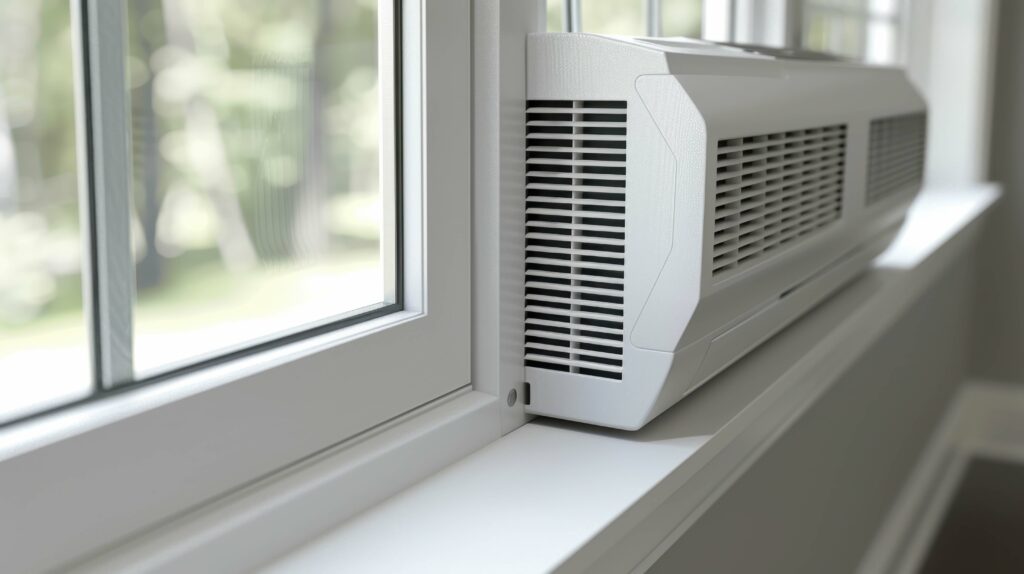
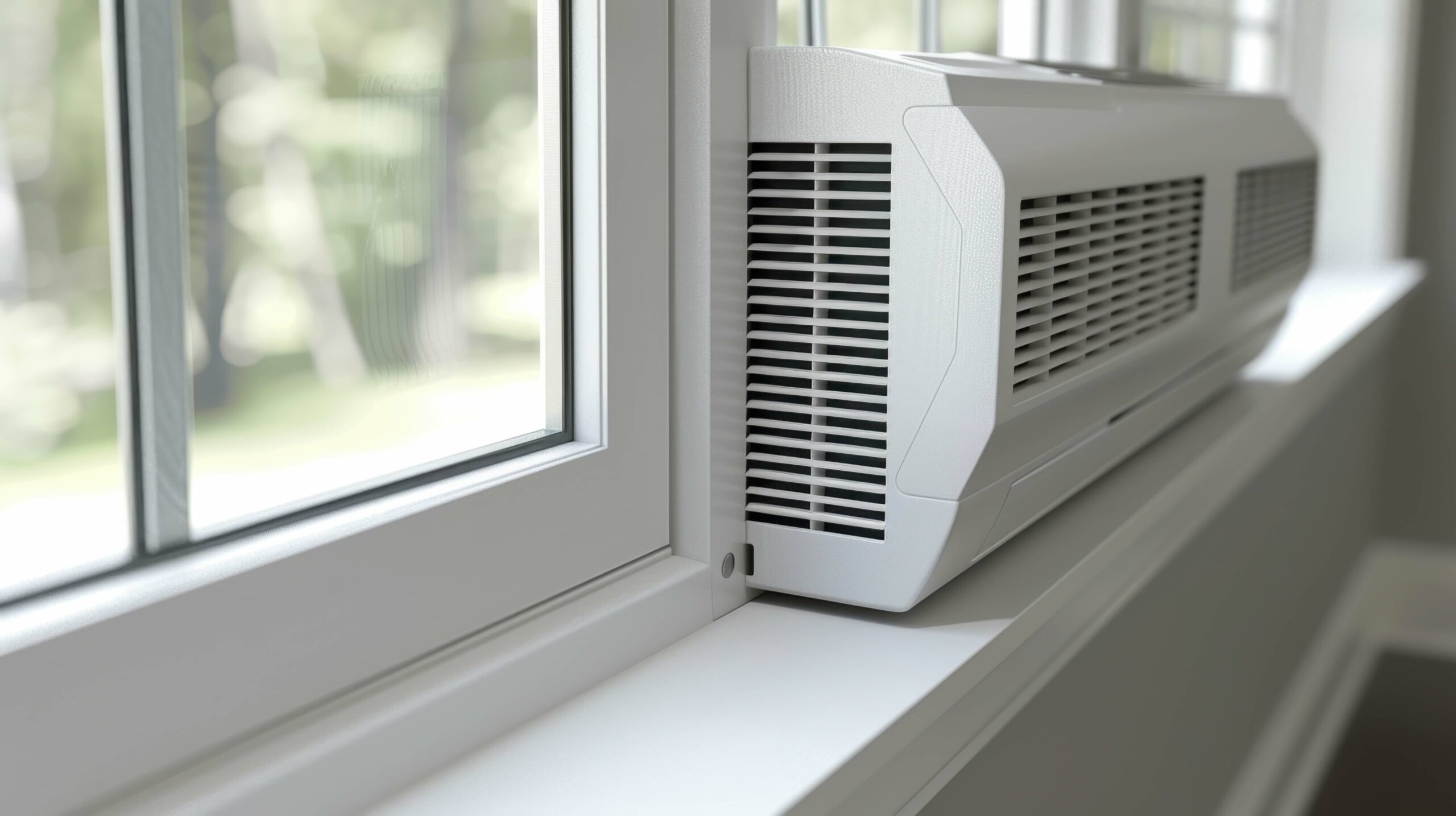
Before you start hiding anything, it helps to understand what you are working with. A window air conditioner is a self-contained unit that houses the compressor, condenser, evaporator coil, and fans all in one box. The front portion faces inward, blowing cool air into your room. The back portion hangs outside, releasing heat. The unit is seated in a window frame, supported by a mounting bracket or the sill itself. Airflow is critical here — the outdoor-facing components need ventilation to exhaust heat efficiently. Any concealment strategy has to account for that, or the unit will overheat and underperform.
Why Homeowners Want to Hide Their Window AC Units
There are a few reasons someone might want to conceal a window air conditioner, and they range from the obvious to the surprisingly practical. Aesthetics are the most common driver. Window units interrupt the visual flow of a room, block natural light, and look industrial against otherwise thoughtfully designed interiors. Beyond appearances though, some homeowners are also thinking about security — a visible window unit can be a point of entry if it is not secured properly. Others want to protect the unit from debris, harsh weather, or even theft. And in some cases, HOA rules or rental agreements actually require that units be concealed or at minimum covered when not in use.
Types of Hide Window AC Solutions Available to Homeowners
There is no single approach to hiding a window air conditioner. The options range from simple and inexpensive to more involved, semi-permanent solutions. Here is a breakdown of the most common types:
- Decorative AC covers: Fabric or rigid covers that slip over the indoor-facing portion of the unit. These do not block airflow when the unit is running, but they are typically used during off-season storage.
- Built-in cabinet enclosures: Custom or semi-custom cabinetry that frames the unit on the interior wall, making it look intentional and integrated. These require careful ventilation planning.
- Curtain and drape setups: A low-cost method that uses curtains hung near the unit to partially obscure it when not running. Not a full solution, but better than nothing.
- Exterior shrouds and housings: Rigid exterior covers, sometimes made of aluminum or ABS plastic, designed to protect and partially conceal the outdoor-facing components.
- Furniture and shelving workarounds: Some homeowners position furniture strategically to minimize the visual impact of the unit without directly covering it.
The Ventilation Problem You Cannot Ignore
Here is the thing that catches a lot of homeowners off guard. When you enclose or cover a running window air conditioner, you risk trapping heat around the condenser. The condenser needs to expel heat into the outside air to do its job. If that heat has nowhere to go because a cabinet or cover is blocking airflow, the unit will cycle harder, run less efficiently, and eventually overheat or shut down on thermal protection. Any hide window AC solution you pursue has to have adequate ventilation built in, either through slatted openings, ducted channels, or open-back designs. If it does not, you are not just reducing efficiency — you are potentially shortening the life of the unit significantly.

Key Advantages of Concealing Your Window Air Conditioner
When done correctly, hiding a window AC unit offers real benefits that go beyond looks. A well-designed enclosure can reduce noise transmission into the room by adding a layer of insulation around the unit. It can protect the unit from UV exposure and outdoor elements, potentially extending its functional lifespan. Interior cabinet setups can also provide additional storage space around the unit, turning a wasted corner into something useful. And from a resale perspective, a clean, integrated-looking cooling solution reads better to buyers than a unit hanging out of a window with visible gaps around the frame. The investment in a good concealment setup can pay dividends in multiple directions.
Common Drawbacks and Mistakes to Watch For
There are real pitfalls here worth understanding before you commit to any concealment approach. Beyond the ventilation issue already mentioned, homeowners sometimes build enclosures that make it difficult or impossible to access the unit for maintenance. Window AC filters need to be cleaned regularly, and the unit itself may eventually need to be repaired or replaced. If your cabinet or enclosure does not allow for easy removal, you have created a problem. Additionally, improper enclosures can trap moisture, which leads to mold growth around both the unit and the surrounding wall. Weight is another consideration — heavier decorative setups need to be secured properly to avoid putting stress on the window frame or surrounding structure.
How to Plan a Hide Window AC Setup the Right Way
Planning matters more than most people expect with this type of project. Start by measuring your unit precisely, including the depth of the exterior protrusion. Identify where the intake and exhaust vents are located and ensure any enclosure leaves those areas unobstructed. If you are building or buying a cabinet solution, look for designs that have been specifically rated or designed for use with window air conditioning units. Always leave at least a few inches of clearance around the unit on all sides. Consider how you will access the filter — ideally, the enclosure design should make that a routine, tool-free task. And if you are hiring someone to build a custom solution, make sure they understand HVAC clearance requirements before they start cutting wood.
What a Home Warranty Covers When It Comes to Window AC Units
This is where the home warranty piece becomes genuinely relevant for homeowners thinking about concealment. Window air conditioners are included in many home warranty plans, but coverage can vary depending on the provider and plan level. Generally speaking, a home warranty covers mechanical failures of the unit itself — think compressor failure, fan motor issues, or electrical component breakdowns. What it typically does not cover is damage caused by improper installation, modifications to the unit, or inadequate maintenance. If an improperly ventilated enclosure causes the compressor to fail prematurely, that is the kind of situation where a claim could get complicated. Understanding what your warranty covers — and what might void it — is an important part of any home improvement decision.
Why Armadillo Is the Smart Choice for Protecting Your Home Cooling System
Hiding your window air conditioner is a smart home improvement move when done correctly — but even the most thoughtfully designed concealment setup cannot prevent a mechanical failure from happening. That is where having the right home warranty makes all the difference. Armadillo is built for homeowners who want straightforward protection without the runaround. If your window AC unit breaks down — compressor, fan motor, or electrical components — a solid warranty plan means you are not scrambling to cover an unexpected repair bill out of pocket. Armadillo offers the kind of coverage that feels like it was designed by people who actually own homes. You can explore what Armadillo home warranty plans for cooling systems and home appliances look like, and when you are ready to take the next step, it takes only seconds to get a personalized home warranty quote that covers your window AC and more. Protection should be simple, and with Armadillo, it genuinely is.

Frequently Asked Questions About Hide Window AC Units
Real answers to the questions homeowners are actually searching for when it comes to concealing and maintaining window air conditioners.
Can you cover a window air conditioner while it is running?
You should never fully cover a window air conditioner while it is actively running. The unit needs unrestricted airflow to the condenser in order to expel heat efficiently. Covering it during operation traps heat, reduces cooling performance, and can cause the unit to overheat or shut down.
What is the best way to hide a window AC unit inside the room?
A custom or semi-custom cabinet enclosure designed with proper ventilation cutouts is generally the most effective interior solution. It gives the appearance of intentional design while keeping the unit functional and accessible for filter cleaning and maintenance.
Will hiding my window AC unit affect my home warranty coverage?
It can, depending on the nature of the failure and how the unit was concealed. If improper enclosure causes mechanical damage, a warranty provider may investigate whether the failure resulted from inadequate installation or modification. Always follow manufacturer guidelines for clearance and airflow.
How much clearance does a window AC unit need for proper airflow?
Most manufacturers recommend a minimum of six to twelve inches of clearance around the sides and rear of the unit for adequate heat dissipation. Always check the specific clearance requirements in your unit’s installation manual before building any enclosure around it.
Can a window AC enclosure help reduce noise inside the home?
Yes, to a degree. A well-built cabinet enclosure with insulated panels can help dampen some of the operational noise from the unit, though it will not eliminate it entirely. The effectiveness depends largely on the materials used and how tightly the enclosure is constructed.
Is it safe to hide a window air conditioner in a built-in bookshelf or cabinet?
It can be done safely, but only if the cabinet design specifically accounts for ventilation requirements. An airtight or poorly ventilated cabinet is a real risk for overheating. Purpose-built AC cabinet enclosures with open backs or slatted panels are a safer approach than repurposing standard furniture.
Do window AC covers protect the unit during winter months?
Exterior covers designed for off-season use can help protect the unit from debris, ice accumulation, and UV degradation during winter. Interior covers used when the unit is dormant can also help prevent drafts from entering the room through gaps around the unit frame.
What maintenance does a window air conditioner need inside an enclosure?
Regular filter cleaning, typically every two to four weeks during active use, is the most important routine maintenance task. The evaporator coils may also need periodic cleaning, and the condensate drain should be checked for blockages. Your enclosure should be designed so these tasks can be completed without dismantling the cabinet.
Can I hide a window AC unit and still qualify for a home warranty claim?
Yes, as long as the unit was properly installed, maintained, and the concealment method did not contribute to the mechanical failure. Keeping records of regular maintenance and ensuring your concealment setup meets airflow requirements are both important steps in protecting a potential warranty claim.
Are there window AC units designed to look less obvious without additional concealment?
Some manufacturers have produced window AC models with slimmer profiles, neutral color palettes, and quieter operation that are less visually intrusive than traditional units. However, these still protrude from the window opening and typically benefit from at least some level of intentional styling or framing to look fully integrated in a finished space.