What Is a Home AC Recharging System and Why Should Homeowners Care?
If your air conditioner has been blowing lukewarm air on a sweltering afternoon, there is a reasonable chance someone has mentioned the word “recharge” to you. It sounds simple enough, almost like plugging in your phone. The reality is a bit more involved, and understanding what home AC recharging actually means can save you money, protect your equipment, and help you avoid being taken advantage of by a vague service quote. This article breaks down exactly what refrigerant recharging is, how your central air conditioning system uses refrigerant in the first place, and what the process looks like when something goes wrong.
How Your Central Air Conditioning System Actually Works
Before diving into recharging, it helps to understand the basic mechanics of a central AC system. Your air conditioner does not create cold air the way a furnace creates heat. Instead, it moves heat from inside your home to the outside using a closed-loop refrigerant cycle. Refrigerant is the chemical compound that makes this possible. It flows between two main components, the indoor evaporator coil and the outdoor condenser unit, cycling between liquid and gas states to absorb and release heat. When the system is working correctly, refrigerant levels remain stable because the loop is sealed. Refrigerant is not consumed like fuel. It circulates continuously and should never need to be topped off under normal circumstances. That is an important distinction, and it is one that many homeowners do not realize going into a service call.
What Does It Mean to Recharge an AC System?
Recharging an AC system refers to adding refrigerant back into the system. Technicians sometimes call it a “refrigerant top-off” or use the brand name Freon, which is actually a specific type of refrigerant made by Chemours and has become a catch-all term in casual conversation. When a system is low on refrigerant, it typically means there is a leak somewhere in the refrigerant line. Simply adding more refrigerant without finding and repairing the leak is a temporary fix at best. A responsible HVAC technician will locate the source of the leak, repair it, and then recharge the system to the manufacturer-specified level. The type of refrigerant matters too. Older systems often use R-22, which has been phased out due to environmental regulations, while newer systems use R-410A or the increasingly common R-454B.
Signs Your AC System May Need a Refrigerant Recharge
Recognizing the warning signs early can prevent a minor issue from becoming a full system failure. Homeowners often overlook these symptoms or attribute them to other causes entirely. Here are the most common indicators that refrigerant levels may be low in your home cooling system:
- Warm or insufficiently cooled air coming from vents even when the thermostat is set low
- Ice forming on the refrigerant lines or on the outdoor unit
- Unusually high electricity bills without a change in usage habits
- A hissing or bubbling sound near the refrigerant lines, which can indicate an active leak
- The system runs continuously but never quite reaches the target temperature
- Increased humidity indoors because the evaporator coil cannot absorb moisture effectively
If you notice two or more of these signs occurring at the same time, it is worth scheduling a professional inspection rather than waiting for the system to fully give out in the middle of peak summer heat.
The Recharging Process Step by Step
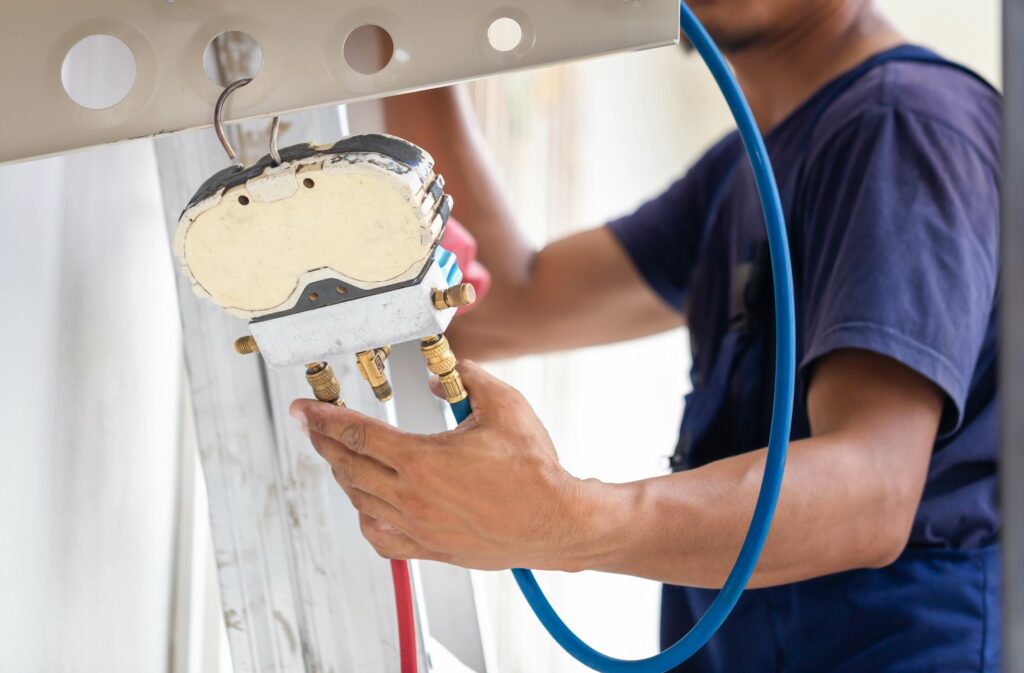
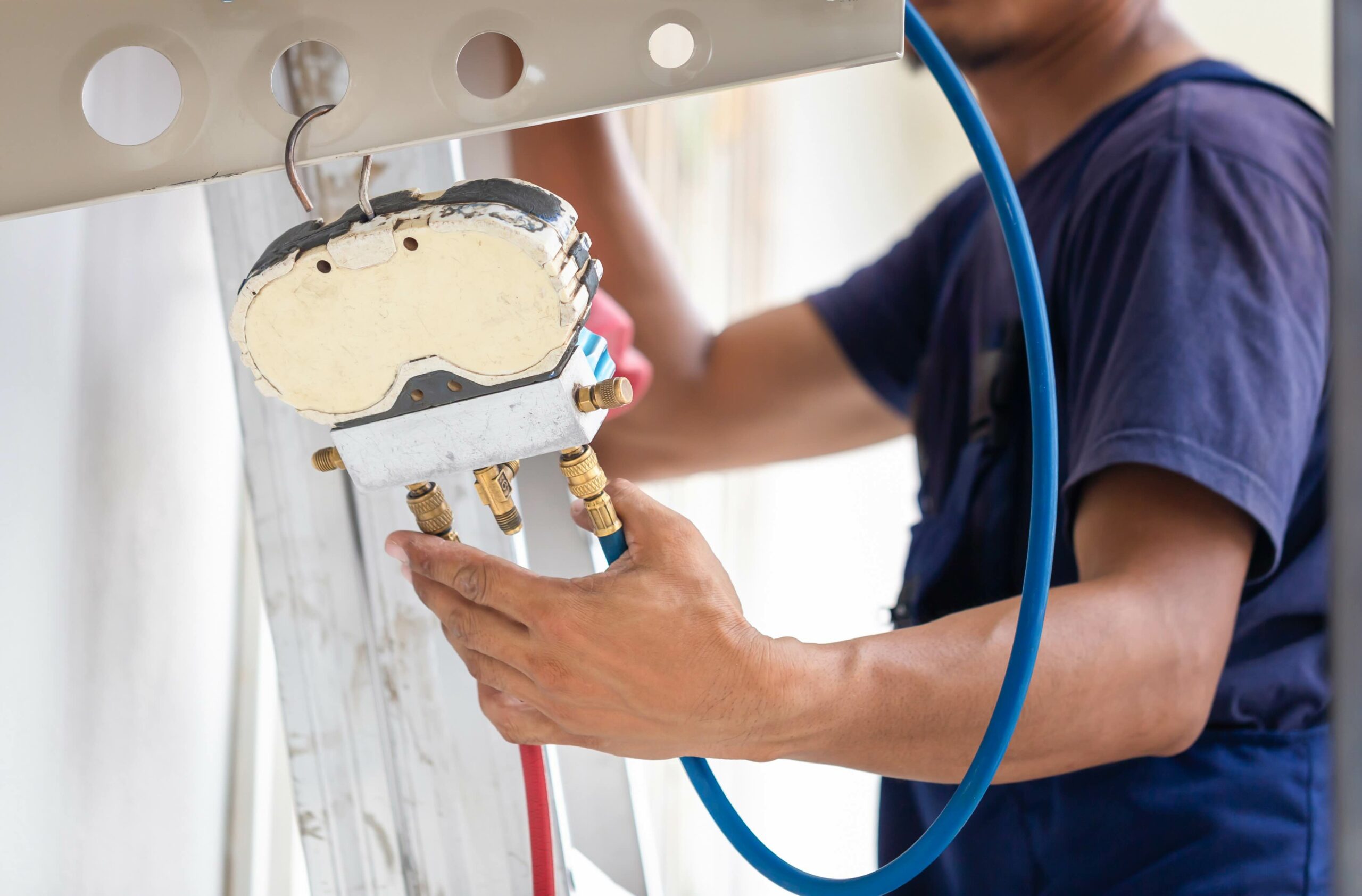
Recharging an AC system is not a DIY project for most homeowners. Refrigerant handling requires EPA certification in the United States, and improper handling can result in fines, equipment damage, and health hazards. When a licensed technician performs the service, they will typically begin with a full system inspection, check pressure readings using specialized gauges, identify and repair any leaks, evacuate the system to remove moisture and contaminants, and then add the correct type and amount of refrigerant based on manufacturer specifications. The entire process can take anywhere from one to three hours depending on the complexity of the repair and the size of the system. Cost varies significantly by region, refrigerant type, and leak severity, but homeowners should generally expect to pay several hundred dollars for a complete service that includes leak repair and recharge.

Key Advantages of Properly Maintaining Refrigerant Levels
Keeping your AC system properly charged is not just about comfort. It has a direct impact on system efficiency, equipment lifespan, and your monthly utility costs. A system running low on refrigerant works significantly harder to achieve the same cooling output. That increased strain translates into higher energy consumption and accelerated wear on the compressor, which is the most expensive component in your entire cooling system. Maintaining correct refrigerant levels helps your system run at peak efficiency, extends the life of major components, keeps indoor humidity at manageable levels, and preserves your manufacturer warranty requirements. Preventive attention here genuinely pays off over the life of the system.
Common Drawbacks and Limitations to Be Aware Of
Refrigerant recharging is not a perfect solution, and there are some real limitations homeowners should factor into their decision-making. If your system has a persistent or large leak, repeated recharges are not a sustainable strategy. Each recharge without addressing the underlying issue wastes money and releases refrigerant into the environment, which carries its own regulatory and ethical concerns. Additionally, if your system uses R-22, sourcing that refrigerant has become increasingly expensive and difficult as supply dwindles following the federal phase-out. In some cases, older systems with R-22 may be better candidates for full replacement rather than continued recharging. A transparent HVAC technician should walk you through a cost comparison so you can make an informed call.
How Often Should You Have Your AC System Inspected?
Annual maintenance is the industry standard recommendation for central air conditioning systems. A professional tune-up performed each spring before cooling season begins gives a technician the opportunity to check refrigerant pressure, inspect coils for corrosion, clean components, test electrical connections, and catch small problems before they become expensive repairs. Most homeowners skip this step until something goes wrong, and that is usually the more costly path. Scheduling a seasonal inspection also gives you documentation of your system’s condition, which can be helpful if you ever need to file a home warranty claim or negotiate during a home sale.
R-22 vs. R-410A vs. R-454B: Understanding Refrigerant Types
The type of refrigerant your system uses is worth knowing before any service call. R-22, often called Freon, was the industry standard for decades but has been phased out under the Clean Air Act due to its ozone-depleting properties. Systems manufactured before 2010 are likely to use R-22. R-410A replaced it as the standard refrigerant for most residential systems through the early 2020s. It is more environmentally stable but still has a high global warming potential. R-454B, marketed as Puron Advance, is the newer lower-GWP alternative being adopted by major manufacturers as environmental regulations continue to tighten. Knowing which refrigerant your system requires prevents costly mistakes and helps you have a more informed conversation with your HVAC technician.
Why Armadillo Home Warranty Is the Smart Companion to Your AC System
An AC system is one of the most expensive and most-used systems in any home. When a refrigerant leak turns into a compressor failure, or when a service call reveals that an aging unit needs full replacement, repair costs can reach into the thousands. That is exactly the kind of financial surprise that a home warranty is designed to absorb. Armadillo home warranty plans for central air conditioning systems are built to protect homeowners from unexpected mechanical breakdowns without the runaround or fine print that makes other providers frustrating to deal with. Armadillo covers the key components that keep your home cool, and the claims process is designed to be fast and transparent. If your cooling system is aging or you simply want a smarter financial safety net in place, taking a few minutes to get a free home warranty quote for your AC system and major home systems is one of the more practical decisions you can make as a homeowner. Peace of mind does not have to be complicated or expensive when the right coverage is in your corner.

Frequently Asked Questions About Home AC Recharging
Below are answers to some of the most common questions homeowners ask when they start researching AC refrigerant recharging and cooling system maintenance.
How do I know if my AC needs to be recharged?
The most common signs include warm air blowing from vents, ice forming on refrigerant lines, unusually high energy bills, and a system that runs constantly without reaching the set temperature. A licensed HVAC technician can confirm low refrigerant by checking system pressure with gauges.
Can I recharge my home AC system myself?
No. Handling refrigerant requires EPA Section 608 certification in the United States. Purchasing refrigerant without certification is illegal, and improper handling poses health and environmental risks. Always hire a licensed HVAC professional for this type of service.
How much does an AC recharge cost?
Costs vary based on refrigerant type, the amount needed, regional labor rates, and whether a leak repair is required. Homeowners should generally budget anywhere from two hundred to eight hundred dollars or more for a complete service that includes diagnosis, leak repair, and recharge.
Is a refrigerant recharge a permanent fix?
It depends entirely on whether the underlying leak is identified and repaired. Adding refrigerant without addressing a leak is a temporary solution. A proper fix involves locating the leak, sealing it, and then recharging to the correct specification.
How often does a home AC system need to be recharged?
A properly sealed system should never need to be recharged. Refrigerant does not get used up. If you are being told to recharge annually, there is almost certainly an unrepaired leak that needs professional attention.
What is the difference between R-22 and R-410A refrigerant?
R-22 is an older refrigerant that has been phased out due to its ozone-depleting properties and is now expensive and difficult to source. R-410A is the current standard for most residential systems and is more environmentally stable, though it still carries a high global warming potential compared to newer alternatives like R-454B.
Does a home warranty cover AC refrigerant recharging?
Coverage varies by provider and plan. Some home warranty plans cover the mechanical components of your AC system, including compressors, coils, and refrigerant lines, but may handle refrigerant costs differently. Reviewing your specific plan details and speaking with your warranty provider directly is the best way to understand your coverage.
Can low refrigerant damage my AC unit?
Yes. Running an air conditioner with low refrigerant puts excessive strain on the compressor, which is the most expensive component in the system. Prolonged operation in this condition can lead to compressor failure, which often means a costly repair or full system replacement.
What happens to the environment when refrigerant leaks?
Refrigerants are classified as greenhouse gases. R-22 is also an ozone-depleting substance. When refrigerant escapes into the atmosphere through a leak, it contributes to both ozone depletion and climate change, which is why the EPA regulates refrigerant handling and requires certified technicians for all refrigerant work.
Should I repair or replace an older AC system that keeps losing refrigerant?
If your system is more than ten to fifteen years old and requires frequent recharging, replacement is often the more cost-effective long-term decision. Newer systems are more energy-efficient, use updated refrigerants, and come with manufacturer warranties. A qualified HVAC technician can run a cost-benefit comparison to help you decide.