
What Is a Home AC Unit and Why Should You Care About It
Your home’s air conditioning system is one of the hardest-working pieces of equipment under your roof. It runs for months on end, sometimes all day, and most homeowners never think about it until something goes wrong. That is usually the exact moment it decides to stop working — during the hottest week of the year, of course. Understanding what your AC unit actually does and how it operates is not just useful knowledge; it is the kind of thing that helps you catch problems early, maintain the system properly, and make smarter decisions when repairs or replacements come up. So let us break this down in a way that actually makes sense.
The Basic Components of a Home AC System
A central home air conditioning system is made up of several interconnected parts that work together to move heat out of your home and circulate cool air in. The main components include the compressor, condenser coil, evaporator coil, air handler or furnace, refrigerant lines, expansion valve, and the thermostat that controls the whole operation. The outdoor unit — the boxy thing sitting on a concrete pad outside — houses the compressor and condenser. The indoor unit contains the evaporator coil and the blower. Both sides of the system need to function correctly for the whole thing to work, which is part of what makes AC repairs occasionally complicated and sometimes expensive.
How a Central Air Conditioning System Actually Works
Here is the simplified version. Your AC system does not generate cold air — it removes heat. Warm air from inside your home is pulled through return vents and passed over the evaporator coil, which is filled with refrigerant. That refrigerant absorbs the heat from the air, cooling it down before the air is pushed back through your supply vents into the living space. The refrigerant, now carrying the absorbed heat, travels through copper lines to the outdoor unit where the compressor pressurizes it and the condenser coil releases that heat outside. The refrigerant cools down and cycles back inside to start the whole process again. It is a continuous loop of heat exchange — nothing mystical about it, just physics doing its job.

The Role of Refrigerant in Your AC System
Refrigerant is the substance that makes the entire cooling process possible. It flows between the indoor and outdoor units, constantly changing between liquid and gas states as it absorbs and releases heat. For years, R-22 was the standard refrigerant used in residential systems, but it has been phased out due to environmental concerns. Most modern systems now use R-410A or newer alternatives. If your system is older and uses R-22, repairs can be significantly more expensive because the refrigerant itself is scarce. A refrigerant leak is a serious issue — not only does it affect performance, but it can also damage the compressor if left unaddressed. This is not a DIY fix; refrigerant work requires a certified HVAC technician.
Key Advantages of a Central AC System
There are real reasons why central air conditioning remains the preferred cooling solution in most American homes. The benefits go beyond just staying comfortable on a hot day.
- Whole-home coverage with consistent temperature control across every room
- Better air filtration compared to window units, improving indoor air quality
- Quieter operation since the loudest components are located outside
- Integration with smart thermostats for energy management and scheduling
- Higher resale value for homes equipped with central HVAC systems
- Humidity control, which is especially important in humid climates
Common Drawbacks and Limitations to Know
No system is without its weaknesses, and central AC is no exception. The upfront installation cost for a new system can range from several thousand dollars to well over ten thousand dollars, depending on the size of your home and the efficiency rating of the unit. Operating costs can be significant during peak summer months, particularly in older homes with poor insulation or ductwork issues. Speaking of ductwork — if your ducts are leaky, poorly sealed, or just old, a substantial portion of your cooled air may never reach the rooms you are trying to cool. That is money leaving your house before it ever does any good. Maintenance is also non-negotiable. Skipping annual tune-ups shortens the lifespan of your equipment and reduces efficiency.
How to Maintain Your AC Unit and Extend Its Lifespan
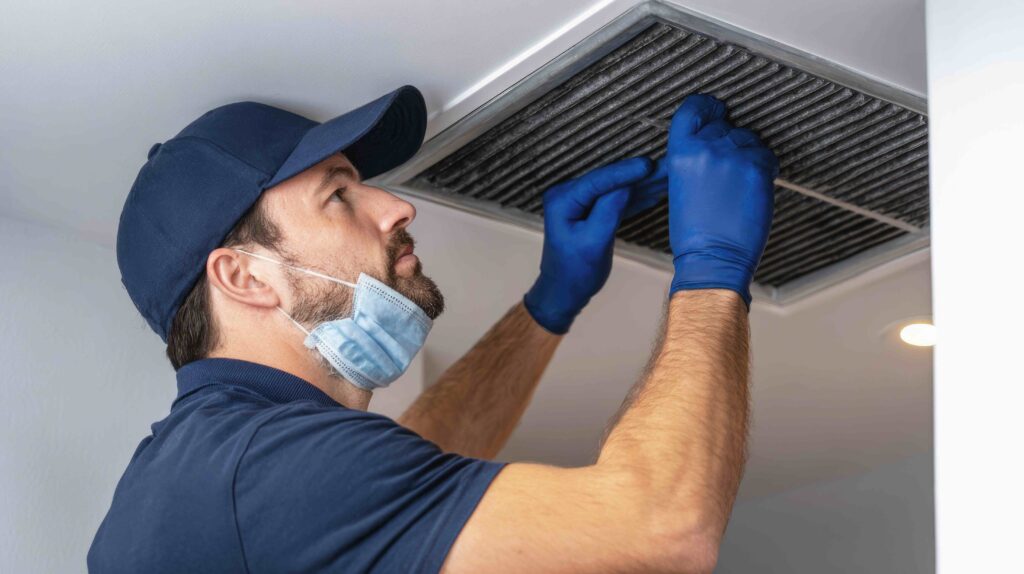
Routine maintenance is the single most effective thing a homeowner can do to protect their AC investment. The average central air system lasts between 15 and 20 years with proper care, but neglected systems often fail well before that. Changing your air filter every one to three months is the simplest and most impactful habit you can build. A clogged filter restricts airflow, forces the system to work harder, and contributes to component wear. Beyond that, keeping the outdoor unit clear of debris, cleaning the condenser coils annually, checking refrigerant levels, and scheduling a professional inspection each spring before cooling season begins will go a long way. HVAC technicians can spot early warning signs — worn capacitors, weak refrigerant charge, unusual vibrations — before they escalate into major failures.
Warning Signs Your AC System May Be Failing
Homeowners who know what to listen and look for are in a much better position when it comes to catching problems early. There are several red flags that indicate your system needs professional attention.
- Warm or inconsistent airflow from supply vents despite the thermostat being set correctly
- Unusual sounds such as grinding, banging, or persistent clicking during operation
- A noticeable increase in energy bills without a change in usage habits
- Ice forming on the refrigerant lines or evaporator coil
- Frequent short cycling — the system turning on and off rapidly
- Moisture or refrigerant leaks around the indoor or outdoor unit
Why a Home Warranty Makes Sense for AC System Owners
Understanding how your AC system works is important, but knowing what happens when it breaks down is just as critical. The compressor alone — the heart of the entire system — can cost over a thousand dollars to replace, and that is before labor. A full system replacement can easily reach five figures. That kind of expense landing unannounced in any given month can seriously disrupt a household budget. This is exactly where Armadillo home warranty coverage for central air conditioning systems provides real, tangible value. Armadillo is built around honest, straightforward protection — no fine print designed to surprise you, no runaround when you file a claim. When your AC compressor fails on a Tuesday in August, that is not the moment you want to find out your coverage has a loophole. With Armadillo, you can get a free home warranty quote for AC and HVAC system protection in minutes, so you know exactly what is covered before anything goes wrong. The peace of mind is the point.

Frequently Asked Questions About Home AC Units
These are the questions homeowners ask most often about central air conditioning systems, answered directly and clearly.
How long does a central air conditioning unit typically last?
Most central AC systems last between 15 and 20 years with regular maintenance. Systems that are neglected or frequently overworked may fail sooner, sometimes within 10 to 12 years.
How often should I replace my air filter?
Standard 1-inch filters should be replaced every 30 to 90 days depending on usage, pets, and air quality. Thicker media filters may last up to six months, but check them monthly during heavy-use seasons.
Why is my AC running but not cooling the house?
This is often caused by a dirty air filter, low refrigerant, a frozen evaporator coil, or a failing compressor. An HVAC technician should diagnose the issue before further damage occurs.
What does a home warranty cover on an AC unit?
Coverage varies by provider, but most home warranties cover the mechanical components of a central AC system including the compressor, condenser fan motor, evaporator coil, refrigerant lines, and electrical components within the unit.
Is it worth repairing an old AC unit or should I replace it?
A common industry guideline is the 5,000 rule: multiply the age of the unit by the cost of the repair. If the result exceeds 5,000, replacement is typically the more cost-effective choice.
What is SEER rating and why does it matter?
SEER stands for Seasonal Energy Efficiency Ratio. It measures how efficiently an AC unit converts electricity into cooling. Higher SEER ratings mean lower operating costs over time. The federal minimum for new units is currently 14 SEER in northern states and 15 SEER in southern states.
Can I run my AC unit without refrigerant?
Technically the system will still operate, but without adequate refrigerant it cannot transfer heat properly and the compressor will be under extreme stress. Running a low-refrigerant system accelerates compressor failure significantly.
How can I reduce my AC energy costs during summer?
Setting your thermostat a few degrees higher while you are away, using ceiling fans to improve air circulation, sealing duct leaks, and keeping the outdoor unit shaded and clear of debris all contribute to meaningful energy savings.
Does AC unit size matter for my home?
Absolutely. An undersized unit will run constantly without adequately cooling your home, while an oversized unit will short cycle, leading to poor humidity control and premature component wear. Proper sizing requires a Manual J load calculation performed by a qualified HVAC professional.
What should I do if my AC unit freezes up?
Turn the system off immediately and switch the fan to run-only mode to allow the ice to melt. Check for a dirty filter or blocked vents as the first step. If the problem recurs, schedule a service call to check for refrigerant issues or airflow restrictions.