What Is a Home Air Conditioner System and Why Does It Matter?
If you have ever walked into a cool house on a sweltering afternoon and felt instant relief, you already understand why a home air conditioner system is one of the most valued components in residential comfort. But beyond the comfort factor, your AC system is a significant mechanical investment, one that works hard, wears down over time, and demands a certain level of understanding from homeowners who want to get the most out of it. Whether you are buying your first home, dealing with a struggling unit, or simply trying to be a more informed homeowner, this article breaks it all down in plain language.
How a Central Air Conditioning System Actually Works
At its core, a central air conditioner does not create cold air. It removes heat from the air inside your home and releases it outside. The system accomplishes this through a refrigeration cycle involving four main components: the evaporator coil, the compressor, the condenser coil, and the expansion valve. Warm indoor air passes over the evaporator coil, where refrigerant absorbs the heat and changes from liquid to gas. That gas travels to the compressor, which pressurizes it and sends it to the condenser coil outside, where the heat is expelled into the outdoor air. The refrigerant then cools, returns to liquid form, and the cycle repeats. Your thermostat controls when this process starts and stops, keeping your home at a consistent temperature throughout the day.
The Main Types of Home AC Systems
Not every home uses the same type of air conditioning setup, and knowing the difference helps you make smarter decisions when it is time for repairs or replacements. The most common types include:
- Central split systems, which use an indoor air handler and an outdoor condenser unit connected by refrigerant lines
- Packaged units, which house all components in a single outdoor cabinet and are common in homes without basements
- Ductless mini-split systems, which deliver conditioned air directly to individual rooms without requiring ductwork
- Heat pumps, which can both heat and cool a home by reversing the refrigeration cycle depending on the season
Each type has its own installation requirements, energy profile, and maintenance needs. Central split systems are the most widely installed in American homes and tend to be what most homeowners picture when they think of home air conditioning.
Key Advantages of a Well-Functioning AC System
A properly maintained air conditioning system does more than just cool your home. It manages indoor humidity, which is a bigger deal than most people realize. High humidity makes spaces feel muggy and promotes mold growth, so the dehumidifying effect of your AC is genuinely important for indoor air quality. Modern systems also cycle air through filters, catching dust, pet dander, and other particulates before they circulate through your living spaces. Energy-efficient units, especially those with high SEER ratings, can significantly reduce your monthly utility bills compared to older models. And of course, consistent indoor comfort has real quality-of-life value, particularly for households with young children, elderly family members, or people with respiratory conditions.

Common Drawbacks and Limitations to Know
No home system is without its downsides, and air conditioning is no exception. Installation costs for a new central AC system can run several thousand dollars, and that does not include any ductwork modifications your home might need. Operating costs add up too, especially in regions with long, hot summers where the system runs almost continuously for months. Older systems or those with refrigerants that are being phased out can be expensive to service. And when a major component like the compressor fails, repair bills can be significant enough to make replacement the more economical option. The system also needs consistent maintenance to stay efficient, which is a real ongoing commitment for homeowners who are already managing a long list of responsibilities.
How Long Should a Home AC System Last?
Under normal conditions and with regular maintenance, a central air conditioning system typically lasts between 15 and 20 years. Heat pumps tend to have a slightly shorter average lifespan, closer to 10 to 15 years, due to the year-round workload they carry. Ductless mini-split systems, when properly maintained, often reach the higher end of that range. The variables that influence longevity include how often the system runs, how well it was installed, whether filters are changed on schedule, and whether small issues are addressed before they become large problems. Skipping routine maintenance is one of the fastest ways to shorten a system’s operational life.
Routine Maintenance Tasks Every Homeowner Should Know
Staying on top of basic maintenance is the single most effective thing you can do to extend the life of your air conditioner and keep it running efficiently. Homeowners should handle or schedule the following on a regular basis:
- Replace or clean air filters every one to three months, depending on household conditions and filter type
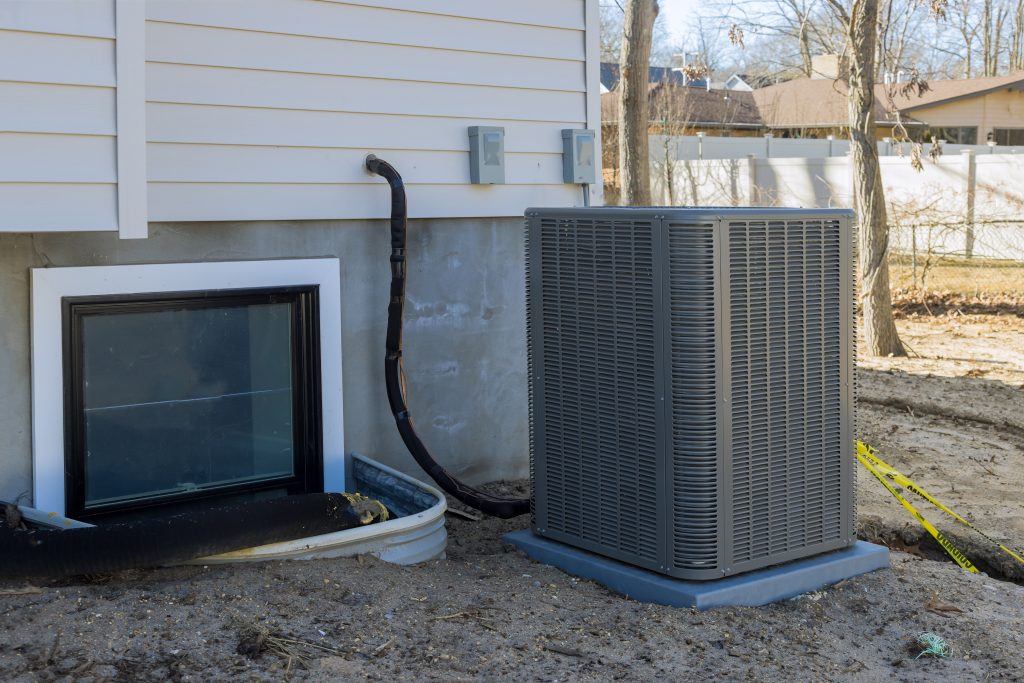
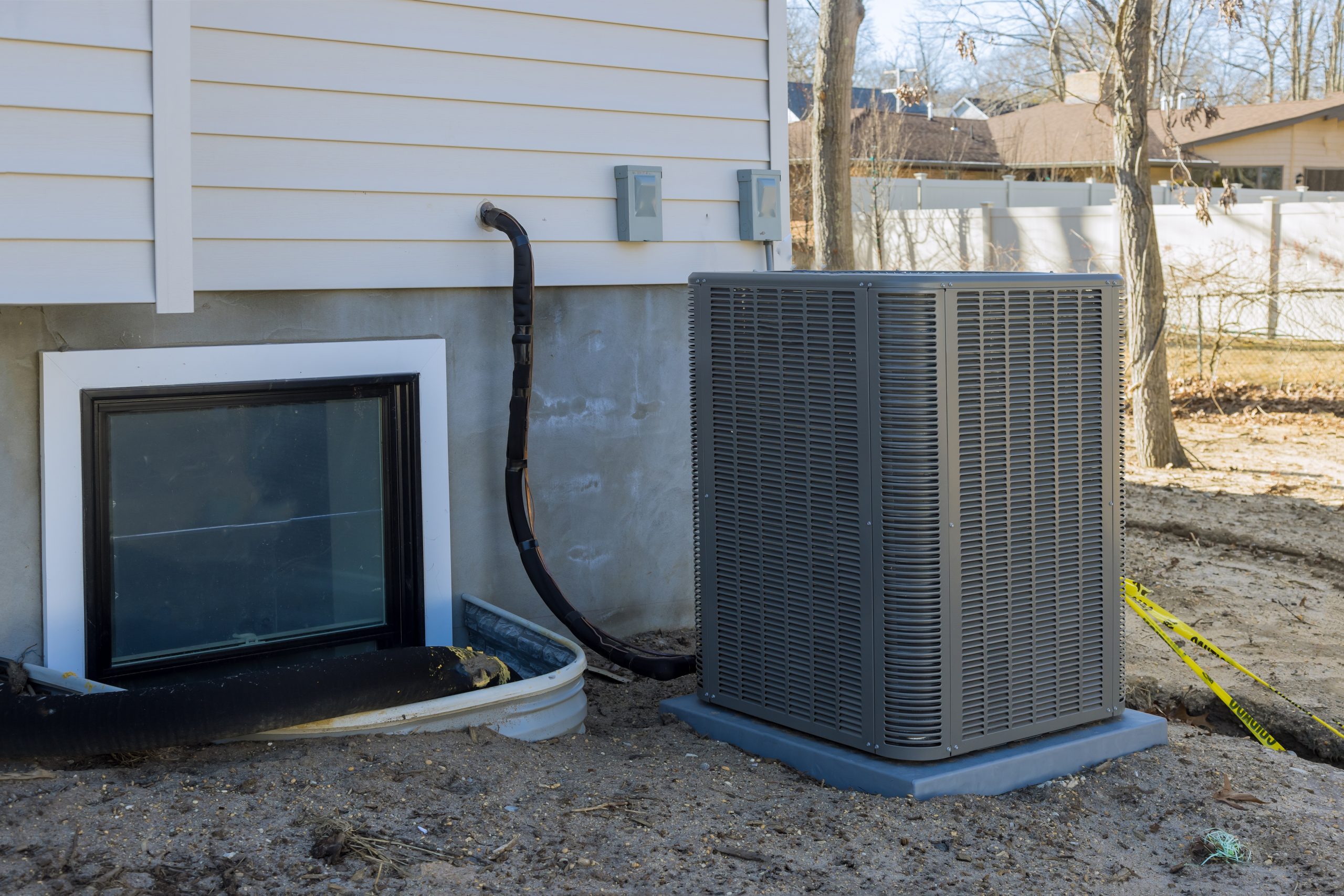
- Keep the outdoor condenser unit clear of debris, grass, and vegetation to maintain proper airflow
- Schedule a professional tune-up each spring before the cooling season begins
- Check refrigerant levels and inspect coils for buildup, which a licensed HVAC technician should handle
- Make sure drain lines are clear to prevent water backup and potential moisture damage
These are not complicated tasks, but they do require consistency. Building them into a seasonal home maintenance routine makes them easier to manage over time.
Warning Signs That Your AC System Needs Attention
Your air conditioner typically gives you signals before it fails completely. Warm air blowing from vents when the system is running is an obvious one, but there are subtler signs worth paying attention to. Unusual sounds like grinding, squealing, or banging suggest mechanical problems. A sudden spike in your energy bill without a clear reason often indicates the system is working harder than it should to maintain temperature. Frequent cycling, where the unit turns on and off in short intervals, can point to sizing issues or sensor problems. Visible ice on the refrigerant lines or the outdoor unit is another red flag. If your home is developing uneven temperatures from room to room, your system may be struggling to distribute air properly. Catching these early can mean the difference between a minor repair and a full system replacement.
Why Armadillo Is the Smart Choice for AC System Protection
When your air conditioner breaks down in the middle of summer, the last thing you want to deal with is uncertainty about costs and coverage. That is exactly where a home warranty built for real homeowners makes a measurable difference. Armadillo’s home warranty plans for air conditioning systems and HVAC coverage are designed to protect homeowners from the unpredictable repair and replacement costs that come with owning a home. Coverage through Armadillo means that when your compressor gives out or your system simply stops performing, you are not stuck navigating a complicated claims process or absorbing a four-figure repair bill on your own. If you are ready to take the guesswork out of home system ownership, get a free home warranty quote that covers your central air conditioning system today. Protecting the systems that keep your home livable is not just a smart financial move, it is a stress-reducing one.
Frequently Asked Questions About Home Air Conditioner Systems
These are the questions homeowners ask most often when trying to understand, maintain, or make decisions about their home air conditioning systems.
How often should I have my home AC system serviced by a professional?
Most HVAC professionals recommend a full tune-up once per year, ideally in the spring before the cooling season begins. Homes in extremely hot climates where the system runs heavily may benefit from a mid-season check as well.
What does a high SEER rating mean for my air conditioner?
SEER stands for Seasonal Energy Efficiency Ratio. A higher SEER rating means the unit uses less electricity to produce the same amount of cooling. Current federal minimums are 14 or 15 SEER depending on region, while high-efficiency models can reach 20 SEER and above.
Why is my air conditioner running but not cooling my home?
Several issues can cause this, including low refrigerant levels, a dirty evaporator coil, a failing compressor, or a clogged air filter. A licensed HVAC technician can diagnose the root cause accurately.
How do I know if my AC system is the right size for my home?
An undersized unit runs constantly without reaching the set temperature, while an oversized unit cycles on and off too frequently. Proper sizing is determined through a Manual J load calculation, which accounts for square footage, insulation, window placement, and climate.
What is the difference between an air conditioner and a heat pump?
A standard air conditioner only cools. A heat pump can both cool and heat a home by reversing the refrigeration process, making it a more versatile option in moderate climates where winters are not extremely cold.
Is it worth repairing an older AC system or should I replace it?
A common industry guideline is the 5,000 rule: multiply the age of the system by the estimated repair cost. If the result exceeds 5,000, replacement is generally the more economical choice. Energy savings from a newer, more efficient model also factor into the calculation.
Does a home warranty cover my air conditioning system?
Many home warranty plans do include air conditioning coverage, though the specifics vary by provider and plan. Coverage typically applies to mechanical failures due to normal wear and tear, rather than damage caused by neglect or improper installation.
What refrigerant does my air conditioner use, and does it matter?
Older systems used R-22 refrigerant, which has been phased out due to environmental regulations and is now costly and difficult to obtain. Newer systems use R-410A or the more recent R-32 and R-454B refrigerants. If your system still uses R-22, replacement may be more practical than continued maintenance.
How can I reduce my air conditioning costs without replacing the unit?
Keeping filters clean, sealing air leaks around windows and doors, using a programmable or smart thermostat, and ensuring your attic is properly insulated all help reduce the load on your AC system and lower monthly energy costs.
Can I install a home air conditioner system myself?
Central AC system installation requires handling refrigerants, which is federally regulated and requires EPA certification. While some ductless mini-split systems offer simplified installation options, professional installation is strongly recommended for all central systems to ensure safety, warranty validity, and proper system performance.