What Is a Home Boiler and Why Does It Matter?
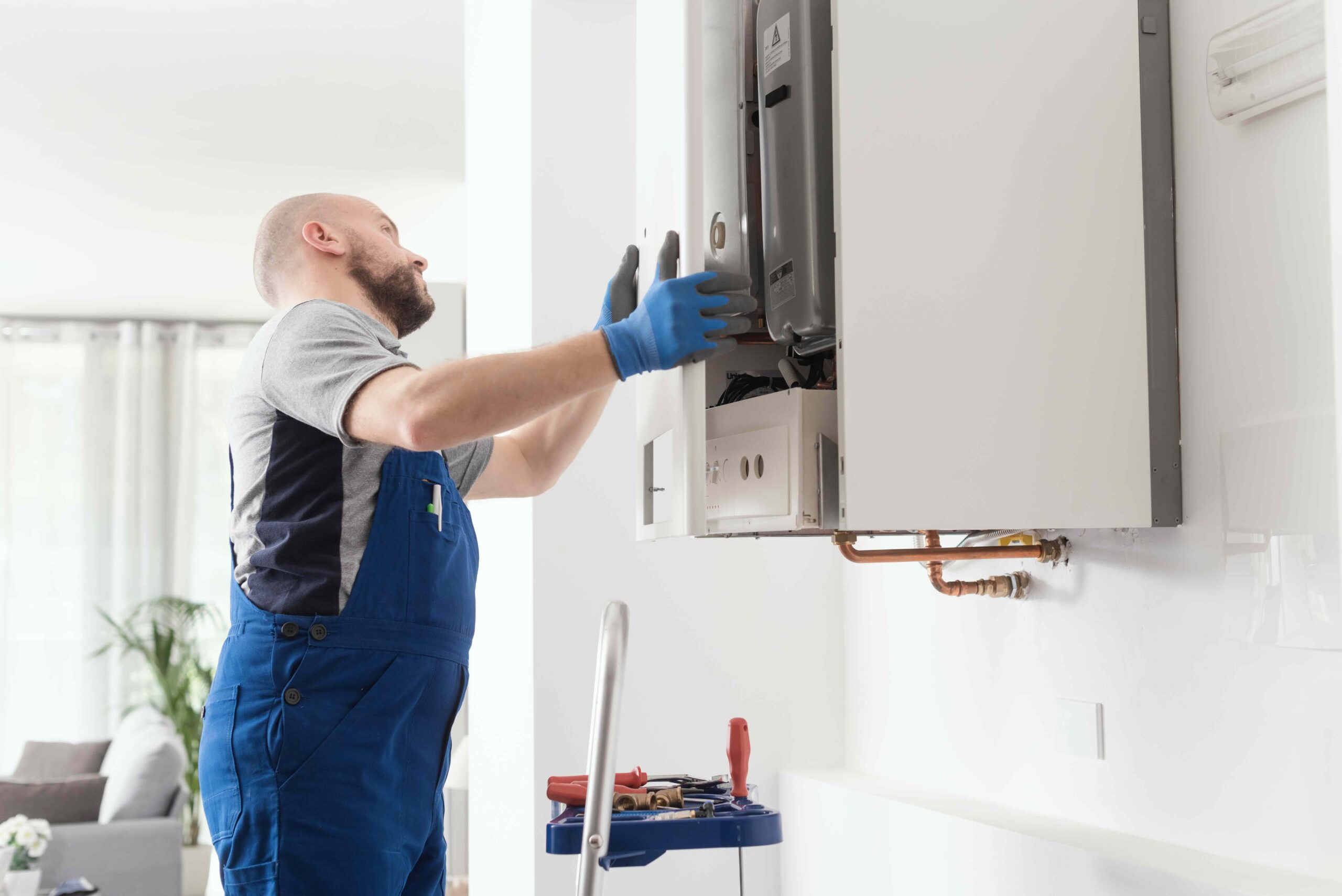
If your home uses a boiler for heat, you already know how quietly reliable they can be — until they are not. A boiler is a closed vessel that heats water, either converting it to steam or keeping it as hot water, and then distributing that heat throughout your home via radiators, baseboard heaters, or radiant floor systems. Unlike forced-air furnaces, boilers do not blow air around. They move heat through water, which is actually a far more efficient conductor of thermal energy. That distinction matters more than most homeowners realize, especially when energy bills start climbing in the winter months.
How a Home Boiler Actually Works
The basic concept is straightforward. A fuel source — natural gas, propane, oil, or electricity — heats water inside the boiler unit. That heated water or steam then travels through a network of pipes to your radiators or floor system, releases its heat into the room, and returns to the boiler to be reheated. The cycle repeats continuously as long as the thermostat is calling for heat. Modern boilers include safety controls, pressure relief valves, and expansion tanks to keep the whole system operating within safe parameters. The thermostat communicates with the boiler’s control board, which fires the burner and manages water temperature. It sounds simple, and in principle, it is — but the components that keep this loop running smoothly require regular attention.
Types of Boilers You Might Have at Home
Not all boilers are the same, and knowing which type you have helps when scheduling maintenance or calling for repairs. The most common residential types include steam boilers and hot water boilers. Steam boilers heat water past the boiling point to generate steam, which rises through the pipes and enters radiators. Hot water boilers, also called hydronic systems, circulate heated water at temperatures well below boiling. Combi boilers are a newer variation that provide both space heating and domestic hot water from a single unit, which is popular in smaller homes and condos. Electric boilers skip the combustion process entirely and use heating elements instead, making them cleaner but often more expensive to operate depending on local electricity rates.

The Real Advantages of Boiler-Based Heating
Boilers have some genuinely compelling advantages that keep them in homes for decades. Hydronic heat is radiant, meaning warmth rises evenly from the floor or radiator surface rather than blasting from a ceiling vent. This tends to feel more comfortable and consistent. Boilers also avoid circulating dust, allergens, and dry air the way forced-air systems can, which matters quite a bit for households with allergy concerns. On the efficiency side, modern condensing boilers can achieve Annual Fuel Utilization Efficiency ratings above 90 percent, meaning very little of the fuel you pay for goes to waste. And because water retains heat longer than air, boiler systems can maintain comfortable temperatures even after the burner cycles off.
Common Boiler Problems Homeowners Face
Even a well-maintained boiler will eventually show signs of wear. Some of the most frequently reported issues include:
- No heat or insufficient heat, often caused by a faulty thermostat, low pressure, or a failed pilot light
- Kettling, which is a rumbling or banging noise caused by limescale buildup restricting water flow inside the heat exchanger
- Pressure loss, which can result from a system leak, a failed pressure relief valve, or an issue with the expansion tank
- Radiators not heating evenly, usually due to trapped air that needs to be bled from the system
- Boiler lockouts, where the unit shuts itself down as a safety measure after detecting a fault
- Leaking around the boiler body, which may indicate a failing seal, valve, or corrosion on older units
Most of these issues are repairable, especially when caught early. Ignoring them tends to escalate both the damage and the repair cost.
Boiler Maintenance Tips That Actually Make a Difference
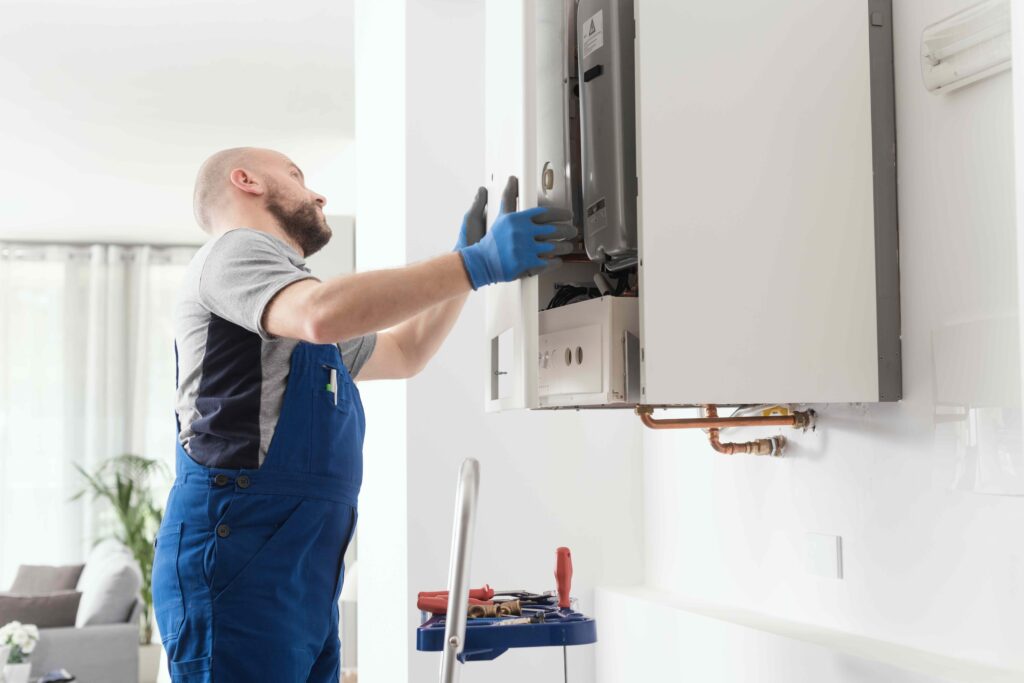
Annual servicing by a licensed technician is the single most important thing you can do for a boiler. During a professional service visit, the technician will inspect the heat exchanger, check flue gases, test safety controls, clean burners, and verify pressure settings. But there are also things homeowners can do between service appointments. Bleeding radiators once a year removes trapped air and ensures even heat distribution throughout the system. Checking the pressure gauge monthly helps you catch slow leaks before they become serious. Keeping the area around the boiler clear of clutter and ensuring the flue pipe is unobstructed are simple habits that support safe operation. If you have an older boiler, ask your technician about inhibitor chemicals that reduce internal corrosion and limescale buildup.
When Boiler Repair Makes Sense Versus Replacement
This is the question every homeowner eventually faces. A general rule of thumb in the HVAC industry is that if the repair cost exceeds 50 percent of the value of a new unit, replacement is worth serious consideration. Boiler age matters too — most units have a reliable lifespan of 15 to 25 years, depending on the type and how well it was maintained. If your boiler is under 10 years old and experiencing a single component failure, repair is almost always the right call. If it is over 20 years old, losing efficiency, requiring repeated repairs, or struggling to maintain consistent pressure and temperature, a newer high-efficiency model will likely pay for itself over time through energy savings and reduced service calls.
What Boiler Repairs Typically Cost Without Coverage
Repair costs vary depending on the component, the labor market in your area, and whether parts need to be ordered. Minor repairs like thermocouple replacement or bleeding radiators might run a couple hundred dollars. Replacing a circulator pump can cost between 300 and 800 dollars depending on the model. A heat exchanger replacement, if one is even available for your unit, can run well over 1,000 dollars in parts and labor. Emergency service calls that fall outside of business hours carry premium pricing on top of standard rates. For homeowners without a financial cushion set aside for mechanical breakdowns, these numbers can create real stress — especially when the heat goes out in January.
Why Armadillo Is the Smart Choice for Boiler Coverage
When your boiler fails, the last thing you want to deal with is figuring out who to call, whether the repair is covered, and how much it is going to cost you out of pocket. That is exactly the kind of situation a home warranty is designed to handle. Armadillo home warranty plans built for modern homeowners are designed with transparency and simplicity at the center — no confusing exclusion lists, no surprise denials on legitimate claims. Armadillo covers key home systems including heating, which means when your boiler starts acting up, you have a clear path to getting it looked at without the financial uncertainty. If you want to stop dreading the next mechanical breakdown, get a free boiler and home systems warranty quote from Armadillo today and see what coverage looks like for your specific home. Peace of mind is not a luxury — it is just a smart part of owning a home.

Frequently Asked Questions About Home Boiler Repair and Maintenance
These are the questions homeowners ask most often when it comes to boiler systems, repairs, and coverage.
How do I know if my boiler needs to be repaired or replaced?
If your boiler is under 15 years old and the repair is a single, isolated issue, repair is usually the better financial choice. If it is older, inefficient, or requiring repeated service calls within the same heating season, replacement is worth evaluating seriously.
Why is my boiler making a banging or rumbling noise?
This is commonly called kettling and is caused by limescale or mineral deposits building up inside the heat exchanger. It restricts water flow and causes localized boiling. A qualified technician can flush the system and add descaling inhibitor to address the root cause.
How often should a home boiler be serviced?
Once per year is the standard recommendation for most residential boilers. Annual service keeps the unit operating efficiently, validates manufacturer warranty requirements, and allows technicians to catch developing issues before they become emergencies.
What does it mean when my boiler loses pressure?
Pressure loss typically indicates a slow leak somewhere in the system, a failing pressure relief valve, or an issue with the expansion tank. Check the pressure gauge on your boiler and contact a technician if the reading is consistently below the manufacturer’s recommended range.
Can I bleed my radiators myself?
Yes, bleeding radiators is a task most homeowners can handle safely. You will need a radiator key, a cloth, and a small container. Turn off the heating system, locate the bleed valve on each radiator, open it slightly until air escapes and water begins to flow, then close it and check the boiler pressure afterward.
Does a home warranty cover boiler repairs?
It depends on the provider and the specific plan. Many home warranty plans include heating system coverage, which can encompass boiler components. Always review what is included and what is excluded before selecting a plan so you understand exactly what is covered when a breakdown occurs.
What is the average lifespan of a residential boiler?
With proper maintenance, most residential boilers last between 15 and 25 years. Gas boilers with annual service records tend to reach the higher end of that range, while neglected systems or those in regions with hard water may experience a shorter operational life.
Why are some of my radiators hot and others cold?
Uneven heating across radiators is usually caused by trapped air, poor system balancing, or sludge buildup inside the pipes. Bleeding the affected radiators is the first step. If the problem persists, a technician may need to flush the system or adjust the lockshield valves to rebalance the flow.
Is it safe to use my boiler if it is leaking?
No. A leaking boiler should not be operated until the source of the leak is identified and repaired. Leaks can indicate failing seals, corroded components, or pressure issues that carry both water damage and safety risks. Shut the system down and call a licensed technician promptly.
What fuel types do residential boilers use?
Residential boilers can run on natural gas, propane, heating oil, or electricity. Natural gas is the most common in urban and suburban areas, while oil-fired boilers remain prevalent in older homes and rural regions. Electric boilers are available but typically cost more to operate depending on local utility rates.