Grounding and Electrical Systems in the Home: What Homeowners Need to Know
Every home relies on a network of systems that stay mostly invisible when everything’s working properly—until something doesn’t. Among the most critical, yet often overlooked, is your home’s electrical grounding system. It’s easy to take for granted, but when trouble strikes, grounding can be the dividing line between a harmless scare and a serious disaster. Whether you’re upgrading appliances, renovating an old home, or just trying to make sense of your inspection report, understanding how your home’s grounding system works can save you time, frustration, and expense. Let’s dissect the electrical grounding system: what it is, why it matters, and what risks and benefits it brings to your home.
What Is an Electrical Grounding System?
Electrical grounding is the process of creating a direct physical connection between your home’s electrical system and the earth. It involves conductive paths that lead excess electricity—either from surges, faults, or lightning strikes—safely into the ground. The goal is to protect your appliances, wiring, and, most importantly, anyone living in the home from electrical shock or fire.
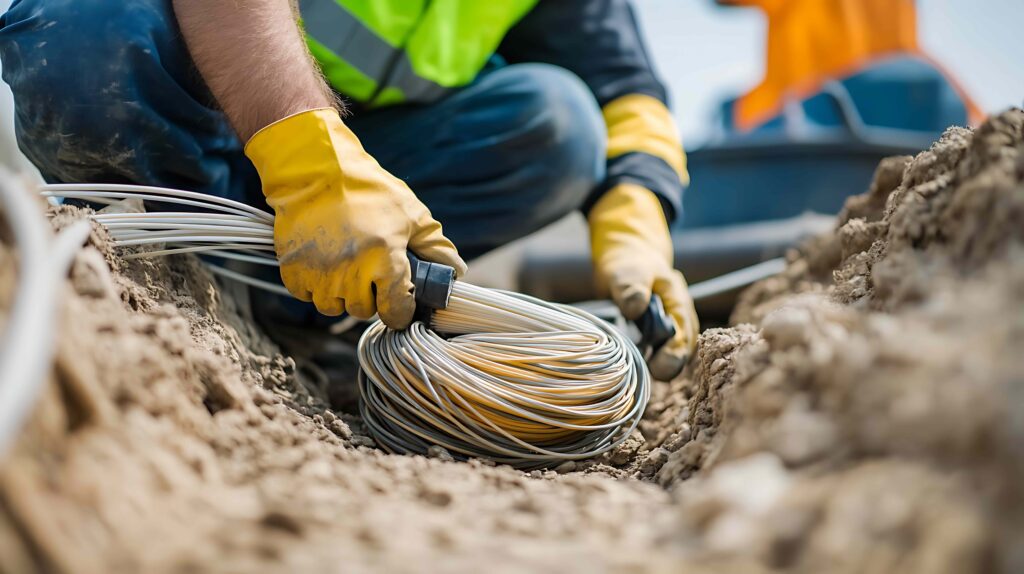
When an electrical system is properly grounded, it uses grounding electrodes (usually metal rods or pipes buried into the earth) connected to the main panel via grounding conductors. If a fault occurs, the grounding system offers an immediate path of least resistance, which helps trip breakers or blow fuses quickly before damage can occur. Grounding is a fundamental part of your home’s overall electrical code compliance and is essential for safe equipment operation and personal protection.
How Grounding Systems Work in the Home
Picture the grounding system as a safety net. In a properly wired home, each circuit has a hot wire (current in), a neutral wire (current out), and a ground wire (extra safety). The ground wire isn’t meant to carry current during normal use—it’s a fail-safe for when things go wrong, like a short circuit or a lightning strike.
In most modern homes, grounding takes place via a rod or plate driven into the earth outside your home. This connects to the main electrical panel, where it’s tied into the neutral bus bar. Older homes may not have up-to-date grounding, relying instead on outdated two-prong outlets and lacking modern circuit protection. That’s where upgrades—whether DIY or via professional help—become critical to maintain safety and code compliance.
Key Benefits of a Properly Grounded Home
Safety always sits at the top of the list. Grounding protects you and your home from the dangerous effects of electrical shock. If a fault develops in an appliance—say, due to water exposure or worn wiring—grounding routes that rogue electricity down a safe path, away from anything or anyone it could harm.
It also enhances fire prevention. By enabling breakers to trip immediately when a fault occurs, grounding prevents overheated wires from sparking fires behind your walls. Grounding also helps with surge protection. While it’s not the only safeguard for your electronics, it supports whole-home surge protection devices by directing dangerous voltages away from sensitive systems like HVAC, home offices, and smart appliances.
Another key value lies in system reliability. Grounding improves power quality by regulating voltage levels. Without grounding, some sensitive electronics could behave unpredictably, wear down faster, or fail prematurely. Efficient, safe operation of your entire system depends on grounding doing its silent work, 24/7.
Common Problems with Grounding Systems
Despite its importance, grounding systems are prone to issues. Incomplete or deteriorating ground connections can expose both property and people to unnecessary risk. Corrosion at grounding rods or faulty wiring during additions or renovations are frequent culprits. In some cases, grounding may be missing altogether in parts of older homes. That’s especially common in pre-1960s construction, which might still feature two-prong outlets without any grounding wire at all.
Sometimes the issue lies not in the ground itself, but in misbehavior upstream. Reverse polarity wiring mistakes, overloaded circuits, or wrongly sized breakers can overload grounded systems and delay a proper trip response. Then there’s the DIY factor—when electrical projects are done without permits or adequate knowledge, grounding inconsistencies can sneak in under the radar.
Identifying Grounding Issues Before They Escalate
Efficiency in electrical safety isn’t about waiting for problems to be obvious. Being proactive is less expensive—and infinitely safer. Symptoms of faulty grounding can include frequent breaker trips, mild shocks when touching appliances, flickering lights, or a burning odor near outlets or switches. Any of these signs should prompt immediate inspection.
You can also run simple tests. A receptacle tester plugged into an outlet can confirm if it’s grounded correctly. For peace of mind—or to prep for a renovation or home sale—bring in a licensed electrician to conduct a thorough grounding inspection. They’ll test continuity, verify compliance with national and local codes, and identify aging components that might need repair or replacement.
Upgrading Grounding Systems in Older Homes
If your home shows signs of grounding deficiencies, upgrading isn’t as intimidating as it seems. The scope can range from replacing outlets with GFCI models to establishing a full grounding path with new rods and a panel update. Often, the most important step is converting two-prong outlets to three-prong, grounded ones. But beware—this cannot be done safely unless a proper ground wire already exists behind the wall.
A full upgrade may involve reevaluating your main service panel, including the bond between neutral and ground, plus ensuring all metal plumbing and gas lines are properly bonded. Depending on where you live, electrical code may require specific types of grounding electrodes or clamp configurations. Trust the professionals for this one—installing grounding incorrectly is worse than lacking it entirely.
How Grounding Supports Appliance Protection—and Your Warranty
All major home appliances—from kitchen ranges to washing machines—rely on grounded outlets. Product warranties often stipulate that improper use, including incorrect grounding, voids coverage. This is where a well-grounded electrical system becomes your first insurance line. If a surge fries your HVAC or sparks damage your fridge control board, proper grounding increases the odds your breaker trips early enough to spare the system.
When paired with a home warranty, grounding also sets you up for better long-term protection. Warranty providers may reject claims if the home electrical system was out of compliance or contributed to appliance failure. Grounding, while not flashy, is one of the most defensible upgrades you can make—and it helps your warranty stand stronger when you need it.
Get Peace of Mind with Armadillo Home Warranty Coverage
Keeping your home systems grounded—literally and financially—starts with making smart electrical investments and having the right protection in place. A home warranty from Armadillo isn’t just about covering big-ticket repairs; it’s about making sure your systems work together safely and reliably. Whether you’re maintaining older wiring or building out new improvements, our plans offer affordable coverage for the home systems and appliances that keep your life moving. Learn how we help safeguard your repairs, replacements, and peace of mind by visiting our home page. Ready to build your custom plan? Start here with our plan builder. A grounded home is a safer home, and we’re here to keep it that way.