What Is a Home Electrical Panel and Why Does It Matter?
Your home’s electrical panel is one of those things that quietly does its job every single day — and most homeowners never think about it until something goes wrong. It sits in a utility closet or garage, humming away, and somehow the lights stay on, the refrigerator keeps running, and your devices charge overnight. But understanding what it actually does, how it ages, and when it might need attention? That is genuinely useful knowledge for any homeowner, whether you are moving into your first place or you have lived in the same house for twenty years.
How a Home Electrical Panel Actually Works
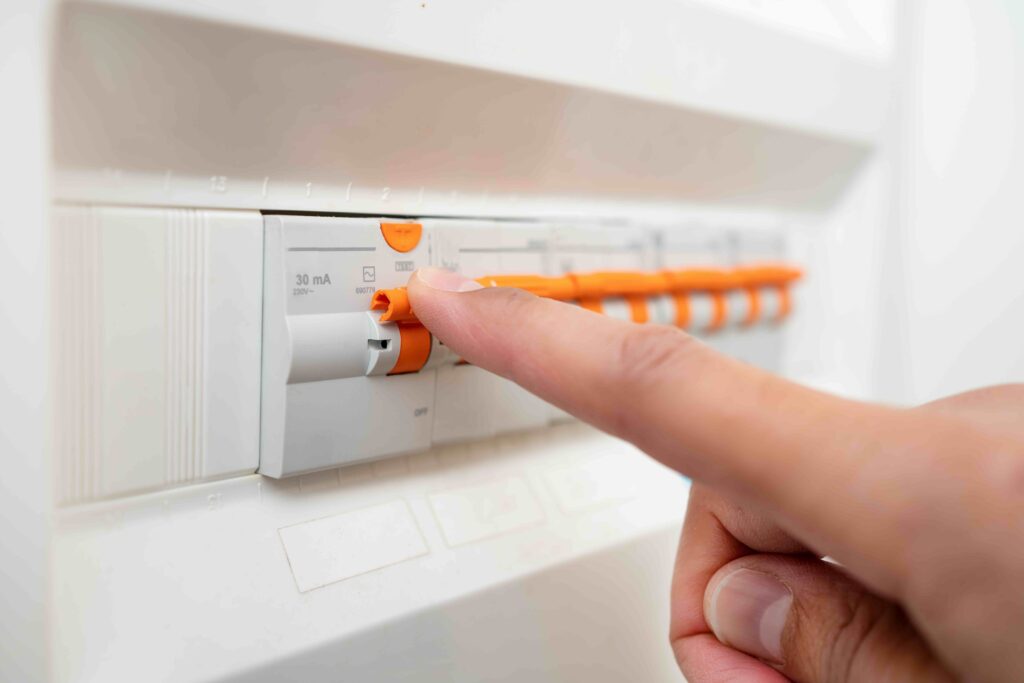
The electrical panel — sometimes called a breaker box or load center — is the distribution hub for all the electricity that enters your home. Power comes in from the utility company through a service line, passes through an electric meter, and then lands at your panel. From there, it gets divided into individual circuits, each protected by its own circuit breaker. Those breakers serve two important functions: they deliver electricity to specific areas of your home, and they automatically shut off if a circuit draws more current than it is designed to handle. That automatic shutoff is what prevents overloaded wires from overheating and potentially causing a fire. Each breaker is rated for a specific amperage — commonly 15 or 20 amps for standard household circuits — and the panel itself has a total capacity rating, usually 100, 150, or 200 amps for most modern homes.
Standard Panel Sizes and What They Mean for Your Home
Panel capacity is measured in amperes, and the right size for your home depends on how much electrical demand you have. Older homes from the mid-twentieth century were sometimes built with 60-amp service, which made sense when homes had fewer appliances and no central air conditioning. Today, that is considered inadequate for most households. A 100-amp panel is workable for a smaller home with modest electrical usage. A 200-amp panel is now the standard recommendation for most single-family homes, particularly those with electric appliances, EV chargers, or central HVAC systems. If you are adding a home addition, finishing a basement, or installing a hot tub, your electrician may recommend upgrading to accommodate the increased load.
Key Advantages of a Modern, Properly Sized Electrical Panel
- Improved safety through reliable circuit protection that trips before wiring becomes dangerously hot
- Capacity for modern electrical demands including EV chargers, home offices, and smart home systems
- Reduced risk of nuisance tripping when appliances and HVAC systems run simultaneously
- Better compliance with current electrical codes, which matters during home sales and insurance reviews
- Easier integration of solar panels or battery storage systems if you choose to add them later
A well-functioning, correctly sized panel is essentially a safety net built into your home’s infrastructure. It is not glamorous, but it is one of the most consequential components in the entire structure.
Common Problems Homeowners Experience With Electrical Panels
Even well-maintained panels develop issues over time. Breakers can wear out and fail to trip properly, which is actually more dangerous than a breaker that trips too often. Corrosion can develop on bus bars and terminals, especially in areas with humidity. Double-tapped breakers — where two wires are connected to a single breaker not rated for that configuration — are a common code violation found in older homes. And then there are the panels that were simply manufactured with known defects. Federal Pacific Electric Stab-Lok panels and Zinsco panels, both installed widely from the 1950s through the 1980s, have well-documented histories of breaker failure and fire risk. If your home has one of these, an electrician’s evaluation is not optional — it is urgent.

Signs Your Electrical Panel May Need Attention
There are warning signs that something is off, and learning to recognize them early can save you from a much more expensive and disruptive situation down the road. Breakers that trip frequently under normal usage, a burning or metallic smell near the panel, visible scorch marks or rust inside the box, flickering lights that are not related to the bulb itself, or a panel that feels warm to the touch — any of these should prompt a call to a licensed electrician. Similarly, if your home is older and still running on fuses rather than circuit breakers, that alone warrants an evaluation. Fuse-based systems are not inherently dangerous, but they are limited in capacity and often incompatible with modern electrical loads.
When to Repair Versus When to Replace
Not every electrical panel issue requires a full replacement. A single faulty breaker can typically be swapped out by a licensed electrician at a reasonable cost. Terminal cleaning, wire re-termination, and minor repairs are all within scope for a competent professional. However, if your panel is more than 25 to 30 years old, is a known problematic brand, is physically undersized for your home’s current demands, or shows widespread signs of wear and corrosion, replacement becomes the more sensible path. A full panel upgrade — service upgrade included — typically runs between $1,500 and $4,000 depending on your location, panel size, and whether any additional work is required to bring the installation up to current code.
What to Expect During a Panel Replacement
A panel replacement is not a weekend DIY project. It requires a licensed electrician, a permit from your local building department, and in most cases, coordination with your utility company to temporarily disconnect service. The electrician will install the new panel, transfer all circuits to the new breakers, label everything clearly, and ensure the installation passes inspection. The whole job typically takes one full day for a straightforward replacement, though larger homes or those requiring a service upgrade may take longer. Your power will be off for several hours during the work, so planning ahead makes the day go more smoothly.
How Home Warranty Coverage Relates to Your Electrical System
Here is where a lot of homeowners get caught off guard. Many people assume their homeowners insurance covers electrical panel repairs or replacements. It generally does not — insurance covers damage caused by sudden, unexpected events, not component wear and failure over time. That gap is exactly where a home warranty steps in. A home warranty plan designed to cover electrical systems can help offset the cost of failed breakers, wiring faults within the panel, and related components. That said, coverage details vary by provider, so reading the fine print and understanding what is and is not included in your specific plan is essential before you assume you are protected.
Why Armadillo Is Worth Considering for Electrical System Protection
When your electrical panel fails, the last thing you want is to be navigating repair costs alone while simultaneously trying to find a qualified electrician. That is where having the right coverage in place ahead of time makes all the difference. Armadillo home warranty plans built for modern homeowners are designed to be straightforward — no confusing exclusions buried in dense contract language, no runaround when you need service. Armadillo covers the kinds of real, everyday system failures that homeowners actually deal with, including electrical components that wear out over time. If you have been putting off thinking about what would happen if your panel needed sudden attention, now is a reasonable moment to take five minutes and get an instant home warranty quote that covers your electrical system. It is a practical step, not a dramatic one, and it could save you a significant amount of stress and money down the road.

Frequently Asked Questions About Home Electrical Panels
How long does a home electrical panel typically last?
Most electrical panels have a functional lifespan of 25 to 40 years with proper maintenance. However, age alone does not determine replacement need — panel brand, usage load, and physical condition all factor into how long a specific panel remains safe and adequate.
What is the difference between a circuit breaker panel and a fuse box?
A circuit breaker panel uses resettable breakers that trip automatically when a circuit is overloaded. A fuse box uses single-use fuses that must be replaced after they blow. Circuit breaker panels are the modern standard and offer more flexibility and capacity than fuse-based systems.
Is a 100-amp panel enough for a modern home?
A 100-amp panel can be sufficient for a smaller home with gas appliances and modest electrical demand. However, homes with central air conditioning, electric dryers, EV chargers, or multiple high-draw appliances generally benefit from 200-amp service.
Can I replace a circuit breaker myself?
Replacing a circuit breaker involves working in close proximity to live electrical components and carries a genuine risk of electrocution. This work should be performed by a licensed electrician. DIY electrical work may also void your home warranty coverage and violate local building codes.
What is a double-tapped breaker and is it dangerous?
A double-tapped breaker occurs when two separate wires are connected to a single breaker terminal that is not rated for that configuration. This is a code violation in most jurisdictions and can create overload risk. An electrician can correct it by adding a tandem breaker or installing a subpanel.
Does homeowners insurance cover electrical panel replacement?
Standard homeowners insurance typically does not cover panel replacement due to age, wear, or mechanical failure. Insurance is designed for sudden damage caused by covered perils like fire or storm. A home warranty plan is better suited to cover component failure from normal use over time.
What are the warning signs of a failing electrical panel?
Warning signs include frequently tripping breakers, a burning smell near the panel, visible scorching or rust inside the enclosure, flickering lights unrelated to bulb issues, and a panel that feels warm to the touch. Any of these symptoms warrants prompt evaluation by a licensed electrician.
How much does it cost to upgrade an electrical panel?
A typical panel replacement or upgrade costs between $1,500 and $4,000, depending on panel size, geographic location, permit requirements, and whether additional work such as a service entrance upgrade is needed. Costs can be higher in regions with elevated labor rates or in homes requiring significant rewiring.
What is a subpanel and when would I need one?
A subpanel is a secondary distribution panel connected to your main panel, used to extend electrical capacity to a detached garage, workshop, addition, or other area that requires its own dedicated circuits. It draws power from the main panel but operates independently for circuit distribution purposes.
How does a home warranty cover electrical systems?
A home warranty with electrical coverage typically pays for the repair or replacement of failed components within the electrical system, such as breakers, wiring faults, and related parts, when the failure is due to normal wear and use. Coverage specifics vary by provider, so reviewing your plan details carefully is always recommended.