What Is a Home Electrical Panel and Why Does It Matter More Than You Think?
Your electrical panel is essentially the command center of your home. Every light switch, outlet, appliance, and ceiling fan traces its power back to that gray metal box mounted somewhere in your garage, basement, or utility closet. Most homeowners never give it a second thought — until something trips, sparks, or stops working entirely. Understanding how your electrical panel functions, what it handles, and when it might be nearing the end of its useful life is one of the more practical things you can do as a homeowner. And yes, it connects directly to your home warranty coverage in ways that are worth knowing about.
How the Electrical Panel Actually Works
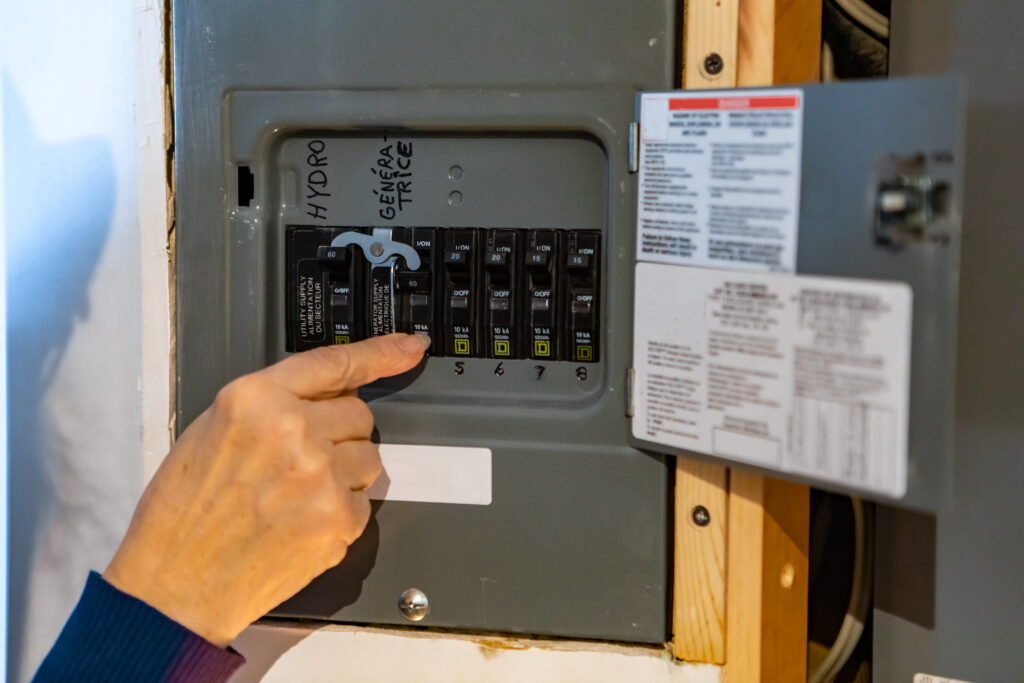
Power enters your home from the utility company through a service line that connects to your meter, then feeds directly into the main electrical panel. Inside that panel, the incoming electricity is distributed across individual circuit breakers — each one assigned to a specific zone or appliance in the home. The breakers act as safety valves. When a circuit draws more current than it is rated to handle, the breaker trips and cuts the power before wiring overheats or damage occurs. The panel is rated by amperage, typically 100, 150, or 200 amps in most residential homes. Older homes sometimes have 60-amp panels, which were considered sufficient decades ago but often struggle under the demands of modern households. Every device, appliance, and smart home gadget you add pulls from that total capacity, so knowing your panel’s rating is genuinely useful information.
The Different Types of Electrical Panels Found in Homes
Not every panel is built the same, and the type you have matters quite a bit when it comes to safety and functionality. The most common type in modern homes is the standard breaker panel, which uses circuit breakers that can be reset after tripping. Older homes may still have fuse boxes, where blown fuses must be physically replaced rather than reset. Some homes also have sub-panels, which are secondary panels that extend capacity to areas like detached garages or finished basements. Then there are tandem breaker panels, which fit two breakers into a single slot to accommodate additional circuits without replacing the full panel. Each type comes with its own set of considerations for capacity, safety, and compatibility with modern electrical loads.

Key Advantages of a Modern, Properly Sized Electrical Panel
Upgrading or maintaining a properly functioning electrical panel brings benefits that go well beyond just keeping the lights on. A modern panel gives your home the capacity it needs to run without constant tripping, which is a quality-of-life issue as much as a safety one. It also positions your home for current and future technology — EV chargers, smart home systems, whole-home generators, and high-efficiency HVAC equipment all require adequate electrical infrastructure. From a resale standpoint, buyers and home inspectors will flag outdated or undersized panels, so having a current, code-compliant setup protects your home’s value. There is also the insurance angle. Some homeowners insurance carriers will not cover homes with certain outdated panel brands due to known safety concerns, and others may charge higher premiums.
Common Problems and Drawbacks to Be Aware Of
Electrical panels are not without their complications. Here are some of the most frequently encountered issues homeowners face:
- Frequent breaker trips that suggest circuits are overloaded or the panel is undersized for current demand
- Flickering lights or inconsistent power delivery, which can point to loose wiring or failing breakers
- Burning smells or visible scorch marks near the panel, which are immediate red flags requiring professional attention
- Panels from brands like Federal Pacific or Zinsco, which have documented histories of breaker failure and are considered fire hazards by many electricians and insurers
- Panels approaching or exceeding 25 to 40 years of age, which may have degraded components even if they appear to be functioning normally
None of these issues are minor. An electrical panel that is not performing correctly represents a genuine safety risk, and the cost to address problems early is almost always far lower than dealing with the aftermath of a failure.
Signs It Might Be Time to Upgrade Your Panel
You do not need to be an electrician to recognize when your panel might be struggling. Some of the most telling signs show up in everyday life — breakers that trip repeatedly when running common appliances, outlets that feel warm to the touch, or a panel that physically lacks the space to add new circuits. If you have added major appliances like a washer and dryer, a hot tub, or central air conditioning to a home with an older panel, that added load may be pushing the system beyond what it was designed for. Rust, corrosion, or moisture around the panel box itself is also worth flagging quickly. A licensed electrician can assess your current setup and give you a straight answer about whether an upgrade makes sense.
What a Panel Upgrade Actually Involves
Upgrading an electrical panel is not a weekend DIY project. It requires a licensed electrician, a permit from your local municipality, and often a coordination with your utility company to temporarily disconnect power during the work. The process typically involves removing the old panel, installing the new one, transferring existing circuits, adding new circuits as needed, and completing an inspection before power is restored. Costs vary significantly depending on your location, the size of the new panel, and whether any additional wiring work is required. A straightforward upgrade from a 100-amp to a 200-amp panel might run anywhere from one thousand to three thousand dollars, though more complex situations can push that figure higher. Getting multiple quotes from licensed contractors is always a smart move.
How Electrical Systems Fit Into Your Home Warranty Picture
This is where things get practical for homeowners who carry — or are considering — a home warranty. Many home warranty plans include coverage for internal electrical systems, which typically covers wiring, outlets, switches, and circuit breaker panels. It is important to read the specific terms carefully, because coverage varies by provider and plan. Pre-existing conditions, code upgrades required during repair, and certain panel brands may be excluded depending on the policy. That said, when a covered component fails unexpectedly, a home warranty can significantly reduce your out-of-pocket costs on what could otherwise be an expensive service call. For systems like electrical, where repairs can range from minor to substantial, having that financial buffer matters.
Why Armadillo Is Worth Considering for Electrical and Whole-Home Coverage
When your electrical panel or any other major home system fails, the last thing you want is to navigate a complicated claims process or discover that your coverage has more holes than protections. That is where Armadillo home warranty coverage for electrical systems and major home appliances stands apart from the traditional home warranty experience. Armadillo was built with transparency at its core — clear terms, honest coverage, and a claims process that does not feel like a second job. If you want to see exactly what protection looks like for a home like yours, you can get a personalized home warranty quote that covers your electrical panel and home systems in just a few minutes. For homeowners who take their electrical infrastructure seriously, pairing that diligence with the right warranty coverage is simply good sense.

Frequently Asked Questions About Home Electrical Panels
Answers to the most common questions homeowners ask about electrical panels, upgrades, and coverage.
How long does a home electrical panel typically last?
Most electrical panels have a functional lifespan of 25 to 40 years, though this varies based on the brand, installation quality, and how heavily the system has been used over time. Regular inspection by a licensed electrician can help you determine if your panel is aging well or approaching the end of its reliable service life.
What amp panel do I need for a modern home?
Most modern homes function best with a 200-amp panel, which provides enough capacity for central air conditioning, major appliances, electric vehicle chargers, and standard household circuits. Homes with 100-amp panels can sometimes manage, but they leave little room for additional loads without risking chronic overloading.
Is it dangerous to have an old electrical panel?
It can be, especially if the panel is from a brand with known safety defects, has outdated fuse-based technology, or shows signs of physical deterioration. Overloaded or malfunctioning panels are a leading cause of residential electrical fires, which makes professional inspection a worthwhile investment.
Does a home warranty cover my electrical panel?
Many home warranty plans include coverage for the electrical system, which can include the breaker panel, wiring, outlets, and switches. Coverage details vary by provider and plan tier, so reviewing the specific terms before purchasing is essential to understanding what is and is not included.
What brands of electrical panels should I be concerned about?
Federal Pacific Electric panels with Stab-Lok breakers and Zinsco panels are the most widely flagged brands due to documented histories of breaker failure and fire risk. If your home has either of these, consulting a licensed electrician and your homeowners insurance carrier is strongly recommended.
Can I add circuits to my existing electrical panel?
If your panel has open slots and sufficient amperage capacity, a licensed electrician can add new circuits. If the panel is full or undersized, a sub-panel installation or full panel upgrade may be necessary to safely accommodate additional circuits.
How much does it cost to replace an electrical panel?
Costs typically range from one thousand to three thousand dollars for a standard residential panel replacement, though pricing depends on your location, the panel size, permit fees, and whether any supplemental wiring work is needed. Complex upgrades or homes with older wiring infrastructure can cost more.
Will my homeowners insurance cover electrical panel replacement?
Homeowners insurance generally covers damage caused by sudden and accidental events, such as a surge or fire, but it does not typically cover repairs or replacements due to age, wear, or mechanical failure. That gap is where a home warranty is designed to provide financial protection.
How do I know if my electrical panel is overloaded?
Common indicators include circuit breakers that trip frequently, lights that flicker or dim when appliances run, outlets that feel warm, or a buzzing sound coming from the panel itself. Any of these symptoms warrants a call to a licensed electrician for a professional assessment.
Do I need a permit to upgrade my electrical panel?
Yes, in virtually all jurisdictions, a permit is required for electrical panel replacement or upgrade. This ensures the work is inspected and meets current safety codes. A licensed electrician will handle the permitting process as part of the project, and skipping this step can create liability issues when you sell the home.