The Essential Guide to Home Generator Installation: Powering Peace of Mind
Power outages have become less of an if and more of a when. Between extreme weather events, aging infrastructure, and increasing energy demands, homeowners are seeing a growing need for reliable backup power. That’s where home generators come in. If you’ve ever wondered how a generator works or whether it’s worth the investment, this guide offers a practical and comprehensive look into the world of home generator installation. We’ll cover how these systems function, the benefits they deliver, and the considerations every homeowner should weigh, including what a home warranty does—and does not—typically cover.
What Is a Home Generator and How Does It Work?
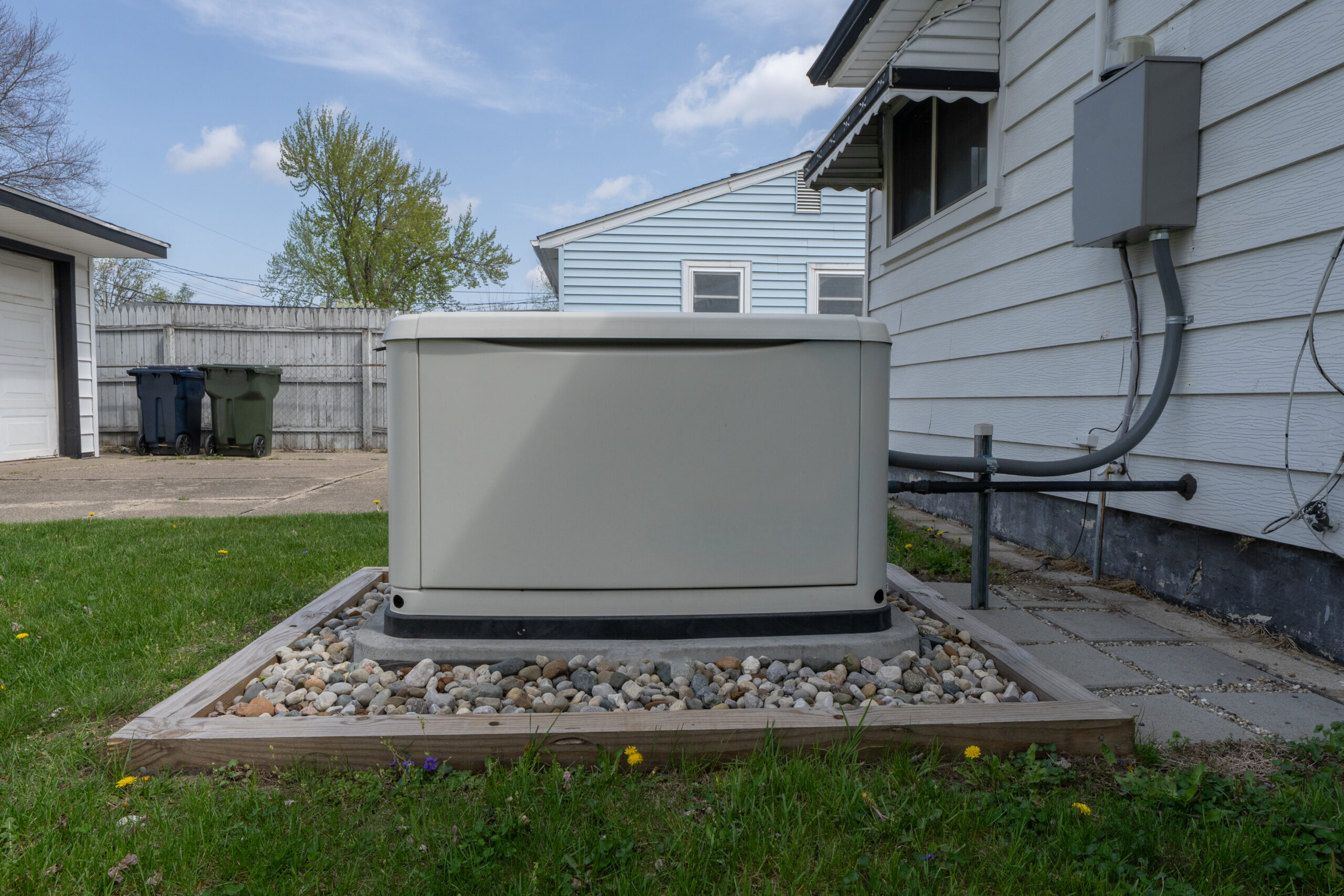
A home generator is a backup electrical system designed to power key appliances or entire homes during an outage. These generators automatically detect when there’s an interruption to the main power grid and switch on to provide seamless electricity until service is restored. Most residential setups involve standby generators installed outside the home, typically fueled by natural gas or propane. They’re permanently wired into the home’s electrical system and paired with an automatic transfer switch that handles the shift in power source without human intervention.
At the core, the process is straightforward. Once power from the utility grid drops, the transfer switch detects the failure, signals the standby generator to start, reroutes electrical flow to your home’s circuits, and keeps your essential systems running—think HVAC, refrigerator, and lights. When the grid is back online, the switch flips the process in reverse: electricity returns to its original path, and the generator powers down, ready for the next event.
The Key Benefits of Installing a Home Generator
Security, comfort, and convenience are the hallmark advantages of owning a home generator. At the top of the list is peace of mind—knowing your home can maintain power during outages is particularly critical for households with medical devices, security systems, or young children. A generator can also prevent costly damage caused by power loss, such as sump pump failure or spoiled food. Another notable benefit is safety; a well-installed and properly ventilated generator reduces the hazards associated with using portable alternatives, which often come with risks of carbon monoxide poisoning.
It’s not just about emergencies. A home generator helps maintain day-to-day continuity, allowing you to stay connected, work from home, or simply keep your home lit and your environment comfortable. Depending on your region, an installed generator can even boost property value or curb a buyer’s hesitation during resale. When extended outages become commonplace, backup power shifts from luxury to necessity.
Common Drawbacks and Installation Considerations
No solution is without its drawbacks, and home generators are no exception. The initial cost can be significant. Generator units range widely in price, and installation adds another layer of expense, especially when retrofitting older homes. Homeowners should also consider ongoing operational costs. Fuel consumption, routine maintenance, and potential repairs all play into the long-term financial picture.
Noise is another factor. While today’s models are quieter than earlier generations, they’re not silent. Some homeowners may need to consider placement carefully to reduce disturbances to neighbors or meet local zoning restrictions. Fully integrated systems require professional installation, which means scheduling, permitting, and inspections—all of which extend installation timelines and increase complexity.
Is a Generator Covered by a Home Warranty?
This is where things get nuanced. Most standard home warranty plans do not cover home generators. That’s largely because generators are considered optional stand-alone systems rather than integral built-in components. However, some home warranties offer optional coverage add-ons for built-in systems like standby generators. Be sure to read provider terms carefully; if you’re relying on a warranty to cover repairs, maintenance, or replacement, you’ll want clear documentation that includes the generator in your plan.
It’s also worth noting that even when coverage is available, it typically applies only to systems installed by licensed professionals and kept in proper working order with routine maintenance. Improper installation or neglect often voids warranty support. That makes selecting a qualified installer critically important not only for performance, but also future protection. If you’re purchasing a new home generator, it’s a good time to simultaneously evaluate your home warranty coverage and make sure it aligns with your investments.
Maintenance Requirements and Long-Term Care
Just like any appliance or home system, generators require maintenance for optimal performance. Recommended upkeep includes regular oil changes, air filter replacements, and operational testing. Many manufacturers suggest a full service annually—or seasonally for properties experiencing extreme weather. Diagnostics checks like battery inspection and fuel system testing can prevent unexpected breakdowns when you need your generator most.
Some newer models feature remote monitoring systems that alert homeowners or technicians when service is needed. That connectivity serves as a helpful safeguard, allowing for proactive management. Despite automation, it’s wise to manually test your unit under load at least once a month. Routine inspections and early repairs prevent more costly, inconvenient issues down the road—especially when outages themselves are unpredictable.
Choosing the Right Generator for Your Home
Sizing is one of the most critical aspects of generator selection. A generator that’s too small won’t be able to meet your household’s needs. One that’s oversized increases fuel consumption and installation costs unnecessarily. Start by identifying which appliances and circuits you want to power during an outage—this will help determine the kilowatt requirements. Some homeowners prioritize partial-home systems, running only essentials like heating and refrigeration, while others aim for whole-home coverage. Your specific needs, local fuel availability, and property layout all influence the right model and configuration for you.
Consulting with a licensed electrician or generator provider yields accurate load calculations and helps pinpoint compatible models based on your setup. It’s also wise to verify your jurisdiction’s permitting and inspection standards before selecting a unit. Some municipalities have stringent codes on emissions, noise levels, or proximity to windows and doors for exhaust safety. Knowing the rules upfront prevents installation delays and fines.
Partner with Armadillo to Protect What Powers Your Home
Investing in a home generator significantly improves your resilience during power outages, but it’s just one piece of the puzzle. To round out your protection, consider a home warranty designed to complement your home systems—and tailored to your lifestyle. At Armadillo, we believe your home should work for you, no matter what’s in the forecast. While most standard home warranties don’t include generators, our flexible plans let you customize coverage options, ensuring your investments see long-term support. Get started today at our homepage (https://www.armadillo.one) or build your plan in minutes with our coverage configurator (https://app.armadillo.one/plan-builder?current=zip). Choose protection that keeps your power—and your peace of mind—on.