What Is a Home Generator and Why Does Every Homeowner Need to Know About It
A home generator is a standby or portable power system designed to supply electricity to your home when the utility grid goes down. It sounds simple, and in concept it is, but the installation process, the maintenance requirements, and the long-term costs are all things worth understanding before you commit. Power outages are not a minor inconvenience anymore. Between increasingly unpredictable weather patterns and aging grid infrastructure, losing power for hours or even days has become something millions of homeowners deal with regularly. A home generator is one of the most practical investments you can make in the stability and safety of your home.
How Home Generators Actually Work
Here is the basic idea. A generator converts mechanical energy into electrical energy using an engine, typically powered by natural gas, propane, or diesel. Portable generators run manually and require you to start them and connect them yourself during an outage. Standby generators, the kind most homeowners choose for permanent installation, are hardwired directly into your home’s electrical panel through a transfer switch. That transfer switch is important. It automatically detects when grid power is lost and signals the generator to kick on, usually within seconds. The generator then powers your home’s circuits just like normal utility power would. When grid power returns, the transfer switch routes electricity back to the utility supply and shuts the generator off. The whole handoff can happen without you lifting a finger.
Types of Home Generators Available to Homeowners
Not all generators serve the same purpose, and choosing the wrong type is one of the most common and costly mistakes homeowners make. There are three primary categories worth knowing about.
- Portable generators are the most affordable option, typically ranging from a few hundred to a couple thousand dollars. They are not permanently installed and must be started manually. They work best for powering a few essentials like a refrigerator, a few lights, or window AC units.
- Inverter generators are a cleaner, quieter version of portable generators. They produce more stable electricity, which is safer for sensitive electronics like laptops and medical equipment.
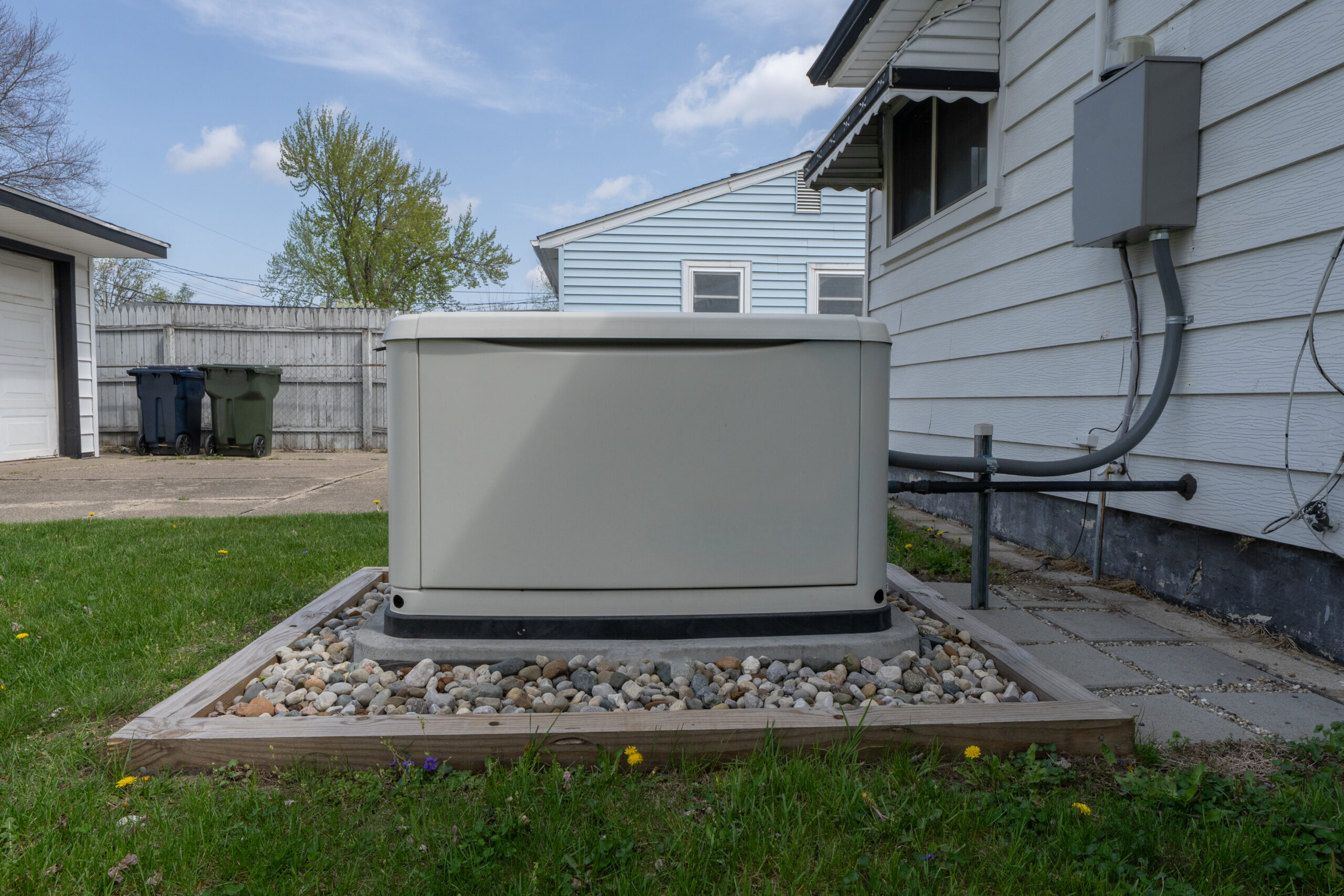
- Standby generators are permanently installed outside the home and connect directly to your electrical system. They run on natural gas or propane, start automatically, and can power the entire home. These range from several thousand dollars to well above ten thousand dollars, including installation.
The Installation Process for Standby Home Generators
Installing a standby generator is not a weekend DIY project. It involves permits, licensed electricians, and in many cases, coordination with your gas utility provider. The process starts with selecting the right generator size, measured in kilowatts, based on your home’s power needs. A licensed electrician will then install the automatic transfer switch and connect the unit to your electrical panel. A gas line connection is established, or a propane tank is placed on the property. Most installations take one to three days from start to finish. Local codes vary, so what is required in one municipality may differ from another. Pulling the proper permits is not optional, and any installation done without them could create problems down the road with your homeowner’s insurance or when you try to sell the home.

Key Advantages of Installing a Home Generator
The benefits of a home generator go beyond just keeping the lights on. For households with medical equipment, elderly residents, or young children, an uninterrupted power supply is not a luxury, it is a necessity. Generators also protect your home from secondary damage. A refrigerator full of food, a sump pump that keeps your basement dry, or a heating system that prevents pipes from freezing during a winter outage, these are all things a generator keeps running. There is also a real estate angle here. Homes with installed standby generators often carry a higher resale value, particularly in regions that experience frequent storms or power disruptions. And from a pure peace of mind standpoint, knowing that a power outage will not derail your life is worth something that is genuinely hard to put a dollar amount on.
Common Drawbacks and Limitations to Consider
There is no perfect home system, and generators come with their share of trade-offs. The upfront cost of a standby generator is significant, and installation adds to that considerably. Ongoing maintenance is also required, including annual servicing, oil changes, air filter replacements, and periodic test runs to make sure everything functions properly when you actually need it. Fuel dependency is another factor. Natural gas is reliable during most outages, but in large-scale disasters, gas supply can also be disrupted. Propane requires you to monitor tank levels and schedule refills. Portable generators introduce safety risks if not used correctly. Carbon monoxide poisoning from improper generator placement is a serious and documented hazard. Noise is another consideration, standby generators are quieter than portables but are not silent, which can be relevant if you live in a neighborhood with close proximity to adjacent homes.
Sizing Your Generator Correctly for Your Home
Undersizing a generator is a mistake that shows up fast, usually the first time you try to run too many appliances at once and the unit shuts down or struggles to maintain load. Oversizing costs more money upfront and burns more fuel than necessary. The right approach is to calculate your home’s wattage needs by identifying which systems and appliances you want to keep running during an outage. A central air conditioning system, a water heater, and major kitchen appliances all draw significant power. A licensed electrician or generator installer can help you perform a load calculation. As a general guideline, a 10 to 16 kilowatt generator handles most average-sized homes, while larger homes or homes with high-demand systems may need 20 kilowatts or more.
Maintenance Requirements That Homeowners Often Overlook
A generator that does not run regularly is one that may not run reliably when you need it. Most standby generators are programmed to conduct a weekly self-test, typically running for 10 to 20 minutes to keep internal components lubricated and the battery charged. Beyond that automated feature, annual professional servicing is strongly recommended. This typically includes an oil and filter change, spark plug inspection, battery testing, and a check of all electrical connections. Keeping a maintenance log is a good habit, and one that can also be useful if warranty or service questions arise. Neglecting maintenance is one of the top reasons generators fail during actual outages, which is exactly the worst time to find out something is wrong.
How Home Warranty Coverage Relates to Your Generator
This is where things get interesting for homeowners who already have or are considering a home warranty. Standard home warranty plans are built around your home’s core systems and appliances, things like your HVAC, plumbing, electrical, and major kitchen appliances. Generators exist in a bit of a gray zone in the warranty world. Some plans cover permanently installed standby generators as part of the home’s electrical system, while others treat them as separate add-ons or exclude them entirely. The distinction often comes down to how the generator is installed and whether it is considered a permanently integrated system. Before assuming your generator is covered, read your plan documents carefully and ask your provider directly. Understanding what is and is not covered helps you avoid unexpected repair costs down the road.

Why Armadillo Is the Right Partner for Home Protection After Your Generator Installation
Installing a home generator is a meaningful investment in your home’s resilience. But a generator is one piece of a much larger system, and protecting everything else in your home is just as important. That is where Armadillo’s comprehensive home warranty plans for whole-home system protection come in. Armadillo is built around transparency, straightforward coverage, and genuine responsiveness when something goes wrong. No confusing exclusion language, no runaround when you file a claim. For homeowners who have just invested in a standby generator and want to make sure the rest of their home systems are equally protected, it makes sense to take the next step and get a free home warranty quote tailored to your home’s systems and appliances. Protecting your generator investment means protecting everything around it too, and that is exactly what a well-structured home warranty is designed to do.
Frequently Asked Questions About Home Generator Installation
How much does it cost to install a standby home generator?
The total cost of a standby generator installation typically ranges from $5,000 to $15,000 or more, depending on the generator size, fuel type, local permit requirements, and complexity of the electrical work involved. Larger homes with higher power demands will generally fall on the higher end of that range.
Do I need a permit to install a home generator?
Yes, in most jurisdictions a permit is required to install a standby generator. This typically involves electrical permits and sometimes gas permits. A licensed electrician or generator installer will usually handle the permit process on your behalf, but it is important to confirm this before work begins.
How long does a standby generator last?
A well-maintained standby generator can last between 20 and 30 years. Regular servicing, including annual oil changes, filter replacements, and battery checks, plays a significant role in the unit’s overall lifespan and reliability.
What fuel type is best for a home generator?
Natural gas is the most convenient option for homeowners who already have a gas line, as it provides an uninterrupted fuel supply without storage concerns. Propane is a strong alternative for homes without natural gas access. Diesel generators are more common in commercial applications due to their fuel storage requirements.
Can a home generator power my entire house?
Yes, a properly sized standby generator can power an entire home. The key is selecting the right kilowatt capacity based on your home’s total electrical load. Most whole-home generators fall in the 20 to 22 kilowatt range for average-sized homes, though larger properties may require more capacity.
How often does a standby generator need to be serviced?
Standby generators should be professionally serviced at least once per year. In addition to annual maintenance, most units are programmed to perform a weekly self-test to keep internal systems conditioned and ready for operation.
Is a home generator covered by a home warranty?
Coverage varies by provider and plan. Some home warranty companies cover permanently installed standby generators as part of the home’s electrical system, while others exclude them or offer coverage as an add-on. Review your plan documents carefully and confirm coverage directly with your warranty provider.
What is the difference between a standby generator and a portable generator?
A standby generator is permanently installed, hardwired to your electrical panel, and starts automatically when the power goes out. A portable generator is a movable unit that must be started manually and connected through extension cords or a transfer switch. Standby generators are more reliable and convenient, while portable generators are more affordable but require more hands-on management.
How far from my house does a generator need to be installed?
Most manufacturers and local codes require a standby generator to be installed at least 18 inches from the home, though five feet or more is commonly recommended to ensure proper ventilation and reduce noise transmission. Local codes should always be consulted for specific setback requirements.
Will a home generator increase my property value?
Research and real estate professionals generally agree that a permanently installed standby generator adds value to a home, particularly in areas prone to severe weather or grid instability. The added value typically represents a portion of the installation cost and can be a meaningful selling point for prospective buyers.