What Is a Home HVAC System and Why Does It Matter More Than You Think?
Your HVAC system is, without question, one of the hardest-working systems in your entire home. It regulates temperature, manages humidity, filters the air you breathe, and runs quietly in the background every single day. Most homeowners do not give it much thought until something goes wrong, and by then, the repair bill has a way of getting your full attention. Understanding how your HVAC system actually works, what can go wrong, and how to keep it running well is genuinely useful knowledge, and it can save you real money over the life of your home. So let us break it all down in a way that actually makes sense.
HVAC Explained: What the Acronym Actually Means
HVAC stands for Heating, Ventilation, and Air Conditioning. It is not just one appliance. It is a collection of interconnected components that work together to maintain a comfortable indoor environment year-round. The heating side typically involves a furnace or heat pump. The cooling side is usually a central air conditioner or that same heat pump running in reverse. Ventilation ties everything together through a network of ducts, vents, and air handlers that distribute conditioned air throughout every room. Some systems also include air purifiers, humidifiers, or dehumidifiers built directly into the setup. When all of those components are functioning properly and maintained regularly, your home stays comfortable regardless of what the weather is doing outside.
How Your HVAC System Actually Works
Here is the simplified version. Your thermostat acts as the brain of the system. When the indoor temperature drifts outside your set range, the thermostat signals the appropriate component to kick on. In cooling mode, the air conditioner pulls warm air from inside your home, passes it over refrigerant-filled coils that absorb the heat, and then circulates the cooled air back through your ductwork. In heating mode, the furnace burns fuel or uses electric resistance to generate heat, which is then pushed through the same duct system. A heat pump works a little differently, moving heat rather than generating it, which makes it notably energy efficient in moderate climates. The air handler and blower fan keep everything moving, and the air filter catches dust, debris, and allergens along the way.
The Key Benefits of a Well-Maintained HVAC System
When your HVAC system is properly maintained, the advantages go well beyond just staying comfortable. Here is what a healthy, well-tuned system actually delivers for your household:
- Consistent comfort in every room throughout every season
- Lower monthly energy bills due to efficient operation
- Better indoor air quality through proper filtration and ventilation
- Longer system lifespan, which protects your investment
- Fewer unexpected breakdowns and emergency repair calls
- Improved humidity control, which protects your home structure and furnishings
A system that is neglected will work harder to achieve the same results, which accelerates wear and drives up your utility costs. The relationship between maintenance and performance is direct and consistent.
Common HVAC Problems Homeowners Run Into
Even well-maintained systems encounter issues over time. HVAC components have finite lifespans, and certain problems are more common than others. Refrigerant leaks can cause your air conditioner to stop cooling effectively. A failing blower motor means conditioned air is not being distributed through your home. Clogged filters restrict airflow and force the system to work harder than it should. Dirty evaporator or condenser coils reduce efficiency and can eventually cause the system to freeze up or overheat. Faulty thermostats lead to erratic temperature cycles. And ductwork that has developed leaks or gaps over the years can silently waste a significant portion of your conditioned air before it ever reaches its destination. The costs associated with these issues vary widely, but major component failures like a compressor or heat exchanger replacement can run into the thousands of dollars.
HVAC Maintenance: What You Should Actually Be Doing
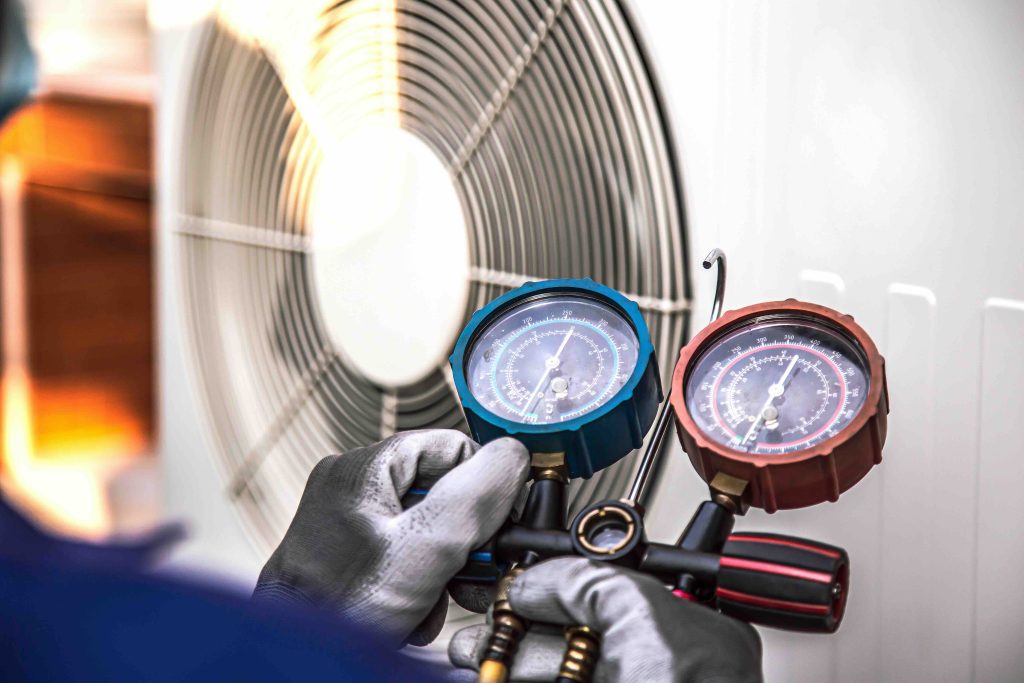
Routine maintenance is the single most impactful thing you can do to protect your HVAC investment. Changing your air filter every one to three months is the most basic step, and it costs almost nothing. Beyond that, scheduling a professional tune-up twice per year, once before cooling season and once before heating season, allows a technician to catch developing problems before they become expensive ones. During these visits, a qualified technician will clean coils, check refrigerant levels, inspect electrical connections, lubricate moving parts, and test overall system performance. On your own, you can keep the area around your outdoor condenser unit clear of debris, check that all supply and return vents are open and unobstructed, and monitor your energy bills for unexpected increases that might signal a performance issue.
How Long Does an HVAC System Last?
The average lifespan of a central air conditioning system is roughly 15 to 20 years. Furnaces tend to last a bit longer, typically in the 20 to 30-year range with proper care. Heat pumps, because they handle both heating and cooling, tend to fall somewhere in the middle, often lasting 15 to 20 years. These are averages, and actual lifespan depends heavily on how well the system has been maintained, the quality of the original installation, how hard the system has had to work relative to your local climate, and whether minor issues were addressed promptly or allowed to compound over time. If your system is approaching the end of its expected lifespan and requiring more frequent repairs, replacement is often the more financially sensible path forward.
Energy Efficiency Ratings and What They Mean for Your Wallet
If you are shopping for a new HVAC system or evaluating your current one, energy efficiency ratings matter. For air conditioners, the relevant rating is SEER, which stands for Seasonal Energy Efficiency Ratio. A higher SEER rating means the unit produces more cooling per unit of energy consumed. The current federal minimum is 14 SEER in most regions, and high-efficiency units can reach 20 SEER or above. For furnaces, the equivalent is AFUE, or Annual Fuel Utilization Efficiency, expressed as a percentage. A 95% AFUE furnace converts 95 cents of every dollar of fuel into usable heat. Heat pumps carry a HSPF rating for heating efficiency. Upgrading from an older, lower-efficiency system to a modern high-efficiency unit can reduce your heating and cooling costs by a meaningful margin over time.
When to Repair Versus When to Replace Your HVAC System
This is the question homeowners wrestle with most, and there is a practical rule of thumb that helps. Multiply the age of your system by the estimated repair cost. If that number exceeds $5,000, replacement is generally the better investment. A newer system will be more efficient, more reliable, and may also qualify for utility rebates or federal tax incentives. On the other hand, if your system is relatively young and the repair is straightforward, fixing it makes clear sense. The trickier decisions fall somewhere in the middle, and that is where having a trusted technician with a transparent track record becomes genuinely valuable. Getting a second opinion on major HVAC repairs is always a reasonable step before committing to a significant expense.
Why Armadillo Home Warranty Is a Smart Companion for Your HVAC System
HVAC systems represent one of the largest and most unpredictable repair expenses a homeowner can face. A single compressor replacement can cost more than two thousand dollars. A full system replacement can reach well into the five-figure range. That is where a home warranty makes a tangible difference. Armadillo home warranty coverage for HVAC systems and major home appliances is designed specifically to protect homeowners from those high-cost, hard-to-predict breakdowns that come with owning a home. Armadillo keeps the process straightforward, transparent, and genuinely useful, without the fine-print surprises that frustrate homeowners with other providers. If your HVAC system is aging, or if you simply want the confidence of knowing a covered repair will not derail your budget, now is a good time to take action. You can get a free HVAC home warranty quote and explore Armadillo plan options in just a few minutes. Real protection for one of your home’s most essential systems is worth having before you actually need it.

Frequently Asked Questions About Home HVAC Systems
These are the questions homeowners ask most often about their heating and cooling systems, answered clearly and directly.
How often should I change my HVAC air filter?
Most standard 1-inch filters should be replaced every one to three months. If you have pets, allergies, or live in a dusty environment, changing it monthly is a reasonable approach. Thicker media filters may last up to six months, but always follow the manufacturer’s recommendation.
What temperature should I set my thermostat to in order to save energy?
The U.S. Department of Energy recommends 78 degrees Fahrenheit when you are home and cooling, and 68 degrees when you are home and heating. Adjusting the temperature when you are away or asleep can reduce energy use by up to 10 percent annually.
Why is my HVAC system running but not cooling my home?
Several issues can cause this, including a dirty air filter restricting airflow, a refrigerant leak, frozen evaporator coils, or a failing compressor. Start by checking your filter and thermostat settings, and then contact a licensed HVAC technician if the problem persists.
How do I know if my ductwork has leaks?
Signs of leaky ductwork include uneven temperatures between rooms, higher than expected energy bills, and excessive dust accumulation. A professional duct inspection or blower door test can confirm whether leaks exist and where they are located.
What is the difference between a heat pump and a furnace?
A furnace generates heat by burning fuel or using electric resistance. A heat pump does not generate heat; it transfers it from outside air or the ground into your home. Heat pumps are generally more energy efficient in mild to moderate climates but may require a supplemental heat source in very cold regions.
How much does a new HVAC system cost?
Costs vary based on system type, size, efficiency rating, and local labor rates. A standard central air conditioning and furnace combination typically ranges from $5,000 to $12,000 or more installed. High-efficiency systems or those requiring ductwork modifications will fall at the higher end of that range.
Does a home warranty cover my HVAC system?
Many home warranty plans include coverage for HVAC systems, including the furnace, air conditioner, and sometimes the ductwork. Coverage details vary by provider and plan, so reviewing what is included and what is excluded before purchasing is essential.
How do I improve the air quality in my home through my HVAC system?
Using higher-rated MERV filters, adding a whole-home air purifier or UV light sanitizer, and ensuring your system is properly ventilated are all effective strategies. Keeping humidity levels between 30 and 50 percent also helps prevent mold growth and improves overall comfort.
Why does my HVAC system short cycle?
Short cycling, where the system turns on and off rapidly without completing a full heating or cooling cycle, is often caused by an oversized system, a refrigerant leak, a malfunctioning thermostat, or a dirty air filter. It increases wear on the system and should be diagnosed promptly by a qualified technician.
Can I service my HVAC system myself?
Homeowners can safely handle basic tasks like replacing filters, clearing debris from around the outdoor unit, and checking thermostat settings. However, tasks involving refrigerant, electrical components, or internal mechanical work require a licensed HVAC technician and should not be attempted without proper training and certification.