What Is Home Plumbing and Why Does It Matter More Than You Think?
Most homeowners do not think about their plumbing system until something goes wrong. A slow drain, a dripping faucet, a water stain on the ceiling — and suddenly, a system that ran invisibly in the background becomes the center of your attention. Your home’s plumbing is one of its most essential systems, responsible for delivering clean water in and carrying wastewater out. It works around the clock, every single day, and it does so quietly enough that most people take it entirely for granted. That is, until they shouldn’t. Understanding how your plumbing system actually works can save you money, help you catch problems early, and make you a much more informed homeowner when it comes time to call a professional.
How a Home Plumbing System Actually Works
At its core, a residential plumbing system has two jobs: supply and drainage. The supply side brings pressurized water into your home from a municipal source or private well. That water travels through a network of pipes — typically copper, CPVC, or PEX — that branch out to your sinks, showers, toilets, dishwasher, washing machine, water heater, and outdoor hose bibs. The drainage side, often called the DWV system (drain-waste-vent), carries used water and waste away from fixtures and out to the sewer line or septic system. The vent portion of that system might surprise people who are new to this — those pipes running up through your roof are not decorative. They allow sewer gases to escape safely and maintain the air pressure that keeps water flowing properly through your drain lines. It is a more interconnected system than most people realize.
The Key Components Every Homeowner Should Know
You do not need a plumber’s license to understand the basics, but knowing the key components of your system makes a real difference when something breaks or when you are talking to a contractor. Here is a breakdown of what lives inside your plumbing system:
- Main shut-off valve: Controls all water flow into the home. Knowing where this is located can stop a burst pipe from becoming a flood.
- Water meter: Tracks your household water usage and is typically located near the street or at the property line.
- Water heater: Either a traditional tank unit or a tankless system, responsible for delivering hot water throughout the home.
- Supply lines and branch pipes: The network of pipes that distribute pressurized water to individual fixtures.
- Drain lines and P-traps: Curved pipe sections beneath sinks and other fixtures that hold standing water to block sewer gas from entering living spaces.
- Pressure regulator: Reduces incoming water pressure to a safe level for household use, typically between 40 and 80 psi.

Common Plumbing Problems in the Home and What Causes Them
Even well-maintained plumbing systems develop problems over time. Pipes corrode, seals wear out, mineral buildup accumulates inside water heaters, and tree roots find their way into sewer lines. Some issues are gradual and easy to miss, while others announce themselves with considerable urgency. Leaky faucets, running toilets, slow drains, low water pressure, and discolored water are among the most frequently reported problems. What makes plumbing particularly tricky is that a visible symptom — like water damage on a ceiling — might trace back to a leak that started somewhere completely different. Diagnosing plumbing problems correctly often requires more than just following the water.
The Advantages of a Well-Maintained Plumbing System
Staying on top of your plumbing system pays off in multiple ways. Efficient fixtures and properly sealed pipes reduce water waste, which translates directly to lower utility bills. A functioning pressure regulator protects your appliances from premature wear caused by excessively high water pressure. Clean drain lines and properly vented pipes reduce the risk of sewage backups, which can cause significant property damage and health hazards. There is also the matter of water quality — corroded or aging pipes can introduce contaminants into your water supply, so monitoring pipe condition over time is genuinely important. Simply put, a plumbing system that is in good shape protects your home, your wallet, and your family.
Common Drawbacks and Limitations to Be Aware Of
Plumbing systems, for all their engineering, have some genuine vulnerabilities. Older homes built before the 1980s may still contain galvanized steel pipes, which corrode from the inside out and can restrict water flow significantly over time. Homes in regions with hard water — water that carries high mineral content — deal with scale buildup inside pipes and water heaters that shortens component lifespan. Slab leaks, which occur when pipes beneath a concrete foundation develop leaks, are particularly difficult and expensive to access and repair. And because so much of a plumbing system is hidden behind walls or underground, problems can go undetected for a long time before the damage becomes visible.
Practical Tips for Homeowners to Protect Their Plumbing
Routine attention goes a long way with plumbing. A few habits can meaningfully reduce the likelihood of a major failure. Know where your main shut-off valve is and confirm it actually works — turn it periodically to prevent it from seizing. Schedule a water heater flush once a year to clear sediment from the tank. Install drain strainers in showers and tubs to keep hair and debris out of drain lines. Watch your water bill for unexplained increases, which can signal a hidden leak. If your home has older pipes, consider having a licensed plumber perform a camera inspection of your main sewer line every few years. None of this is complicated, but the consistent application of these habits makes a measurable difference over time.
When to Call a Licensed Plumber
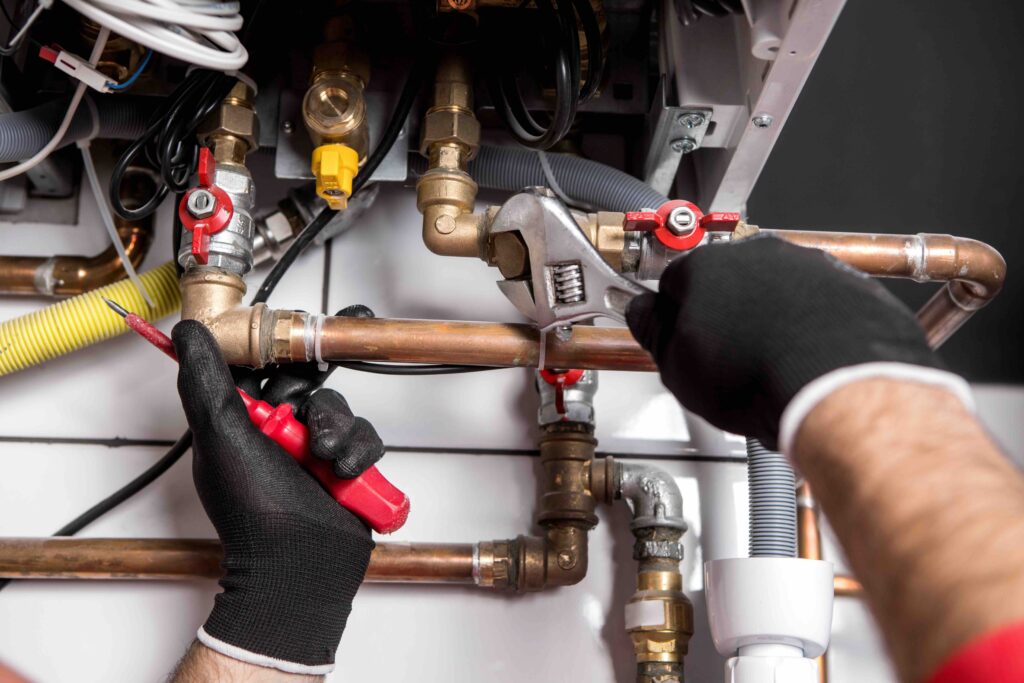
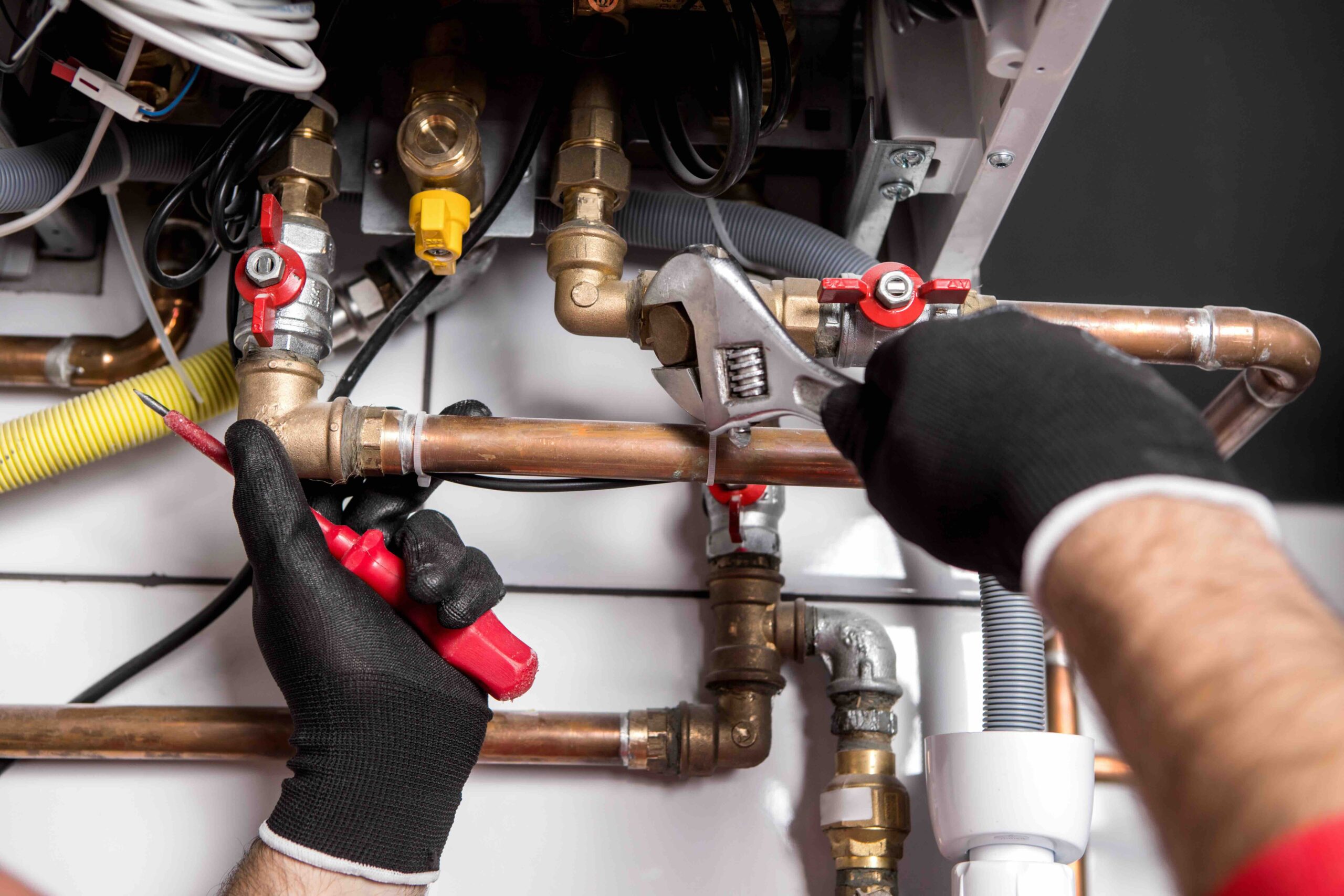
DIY plumbing has its place for minor tasks — replacing a faucet cartridge, swapping out a toilet flapper, or tightening supply line connections. But there are situations where calling a licensed professional is clearly the right call. Any work involving your main water line, sewer line, gas-connected water heater, or in-wall pipe repairs should be handled by someone with the right credentials and tools. Water pressure that suddenly drops without explanation, any sign of sewage backup, discolored water from multiple fixtures, or visible water stains that keep returning after drying — these are all indicators that something more significant is happening and that a professional diagnosis is warranted.
How a Home Warranty Can Protect You When Plumbing Fails
Plumbing repairs can be expensive — and often arrive without warning. A burst pipe, a failed water heater, or a sewage line issue can generate repair bills that are genuinely disruptive. That is where a home warranty makes a meaningful difference. At Armadillo, a home warranty service built for modern homeowners who want real plumbing protection, covered repairs to your plumbing system are handled without the financial shock that typically comes with unexpected failures. Armadillo covers a range of plumbing components — from interior pipe leaks to water heater failures — so when something breaks, you are not left scrambling to find a contractor and negotiate a repair bill on your own. If protecting your home’s plumbing system from unpredictable costs sounds like a smart move, you can get a free home warranty quote that covers plumbing systems and more in just a few minutes. Your plumbing works hard every day, and it deserves coverage that works just as hard.

Frequently Asked Questions About Home Plumbing
These are the questions homeowners ask most often about their plumbing systems, answered directly and without unnecessary complexity.
What are the signs that I have a hidden plumbing leak?
Common signs include an unexplained increase in your water bill, damp or discolored spots on walls or ceilings, the sound of running water when no fixtures are in use, and a musty smell that lingers in certain areas of the home.
How long do residential plumbing pipes typically last?
Lifespan varies by material. Copper pipes can last 50 years or more. PEX and CPVC are generally rated for 25 to 40 years. Galvanized steel pipes, common in older homes, have a typical lifespan of 20 to 50 years but are prone to internal corrosion that can shorten that range significantly.
What water pressure is considered normal for a home?
Normal residential water pressure ranges between 40 and 80 psi. Pressure consistently above 80 psi can damage fixtures, appliances, and pipe joints over time. A pressure regulator can be installed or adjusted to bring high pressure into a safe range.
Why does my toilet keep running after flushing?
A continuously running toilet is almost always caused by a faulty flapper valve that is not sealing properly inside the tank. It can also result from a float that is set too high, causing water to spill into the overflow tube. Both are typically inexpensive repairs.
Is it safe to use chemical drain cleaners regularly?
Chemical drain cleaners should be used sparingly. They can be effective for minor clogs but are corrosive and can damage pipe materials — particularly older metal pipes and PVC — with repeated use. Mechanical options like drain snakes are generally safer for regular use.
What is a P-trap and why does it matter?
A P-trap is the curved pipe section beneath sinks and other fixtures. It holds a small amount of standing water that acts as a seal, preventing sewer gases — including hydrogen sulfide — from entering your home through the drain opening. If a drain goes unused for a long time, the water in the trap can evaporate, allowing those gases through.
How often should a water heater be flushed?
Most plumbers recommend flushing a traditional tank water heater once a year. This removes sediment that accumulates at the bottom of the tank, which can reduce heating efficiency and shorten the unit’s overall lifespan.
Does a home warranty cover plumbing repairs?
Many home warranty plans include coverage for interior plumbing components such as pipe leaks, water heater failures, and certain fixtures. Coverage terms vary by provider and plan, so it is important to review what is specifically included and excluded before purchasing a policy.
What causes low water pressure throughout my home?
Low water pressure affecting multiple fixtures simultaneously can indicate a partially closed main shut-off valve, a failing pressure regulator, significant sediment buildup inside pipes, or a leak somewhere in the supply line. A licensed plumber can diagnose the specific cause with a pressure test and visual inspection.
When should I consider repiping my entire home?
Whole-home repiping becomes worth considering when pipes are reaching the end of their material lifespan, when recurring leaks are appearing in multiple locations, when water discoloration is persistent, or when a plumber’s inspection reveals widespread corrosion or pinhole leaks throughout the system.