What Is a Home Warranty and Why Every Homeowner Should Understand It
Owning a home is one of the most significant financial commitments a person can make. And somewhere between the excitement of getting the keys and the reality of your first major repair bill, most homeowners start wondering whether there is a smarter way to protect themselves from unexpected costs. That is exactly where a home warranty enters the picture. It is one of those things that sounds straightforward on the surface but actually has a lot of nuance worth understanding before you sign up or dismiss it entirely. So let us walk through what a home warranty actually is, how it works, what it covers, and whether the cost makes sense for your situation.
Defining a Home Warranty in Plain Terms
A home warranty is a service contract that covers the repair or replacement of major home systems and appliances when they break down due to normal wear and tear. This is different from homeowners insurance, which covers damage from events like fires, storms, or theft. Think of a home warranty as a financial safety net for the mechanical and functional components of your home. When your HVAC system stops blowing cold air in August or your dishwasher decides to give up mid-cycle, a home warranty is the coverage that steps in to help manage those costs. Most plans run on an annual contract basis and are renewable year after year.
How a Home Warranty Actually Works
The process is more straightforward than most people expect. When a covered system or appliance fails, you contact your home warranty provider and submit a service request. The provider then dispatches a licensed technician from their network to diagnose and address the issue. Instead of paying the full cost of repair or replacement out of pocket, you typically pay a service call fee, which is a flat amount per visit. If the repair or replacement is covered under your plan, the warranty company pays the rest up to the plan’s stated limits. It is a system designed to take the financial unpredictability out of home ownership, which anyone who has ever gotten a surprise HVAC repair quote can appreciate.
What a Home Warranty Typically Covers
Coverage varies by provider and plan tier, but most standard home warranty plans include a combination of the following systems and appliances. Understanding what is included helps you evaluate whether a plan actually addresses your home’s needs.
- Heating and cooling systems, including furnaces, heat pumps, and central air conditioning units
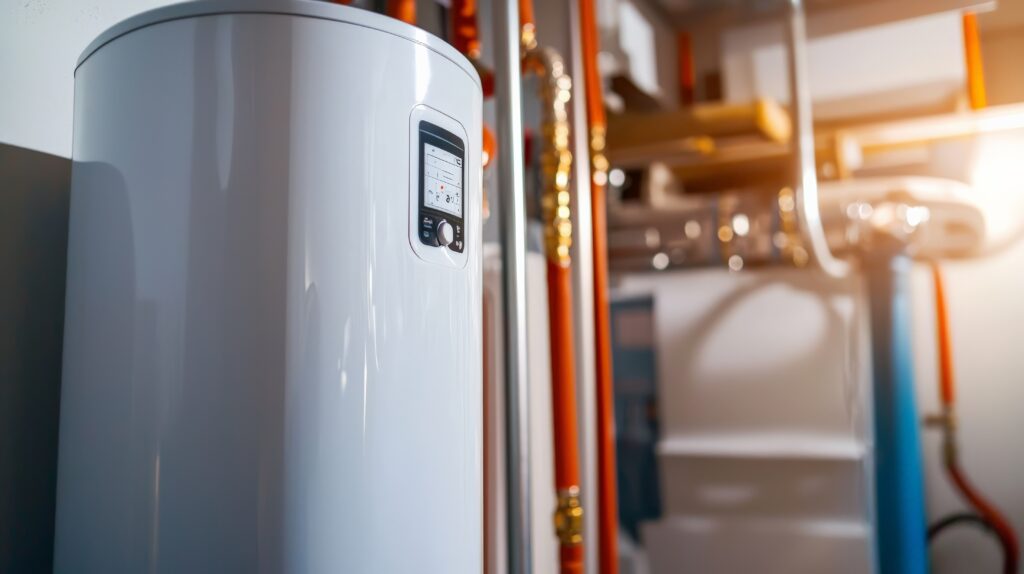
- Plumbing systems, including pipes, fixtures, and water heaters
- Electrical systems, including wiring, panels, and outlets
- Kitchen appliances such as refrigerators, ovens, dishwashers, and built-in microwaves
- Washers and dryers
- Garage door openers
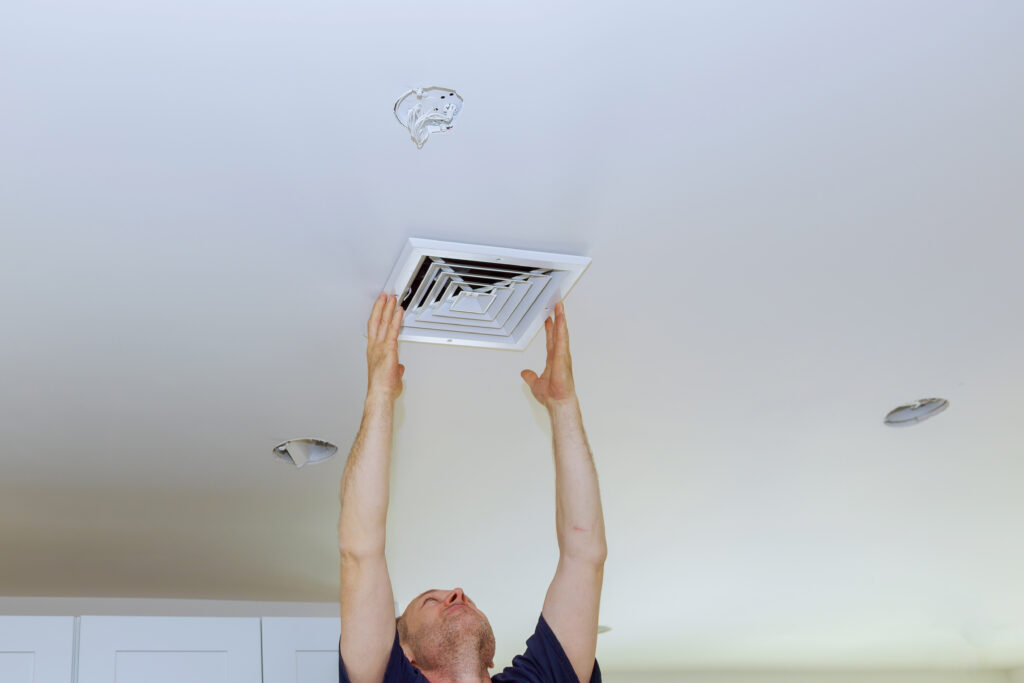
- Ductwork and ceiling fans
Premium plans often expand coverage to include items like pool and spa equipment, additional refrigerators, or even roof leak repairs. The key is reading the contract carefully because exclusions and coverage caps vary significantly between providers.
The Real Cost of a Home Warranty
Home warranty pricing depends on several factors, including the size of your home, your geographic location, the plan tier you select, and any add-ons you choose. On average, a standard home warranty plan costs somewhere between $300 and $600 per year, though more comprehensive plans with premium appliance coverage can push that number higher. Service call fees typically range from $75 to $125 per visit. When you compare those numbers against the average cost of replacing a central air conditioning unit, which can easily run between $3,000 and $7,000, the math starts to look pretty favorable. For older homes with aging systems, the value proposition becomes even clearer.
Key Advantages of Having a Home Warranty
The benefits of a home warranty extend beyond just financial protection. There is a real convenience factor that homeowners tend to undervalue until they actually need it. Rather than scrambling to find a reputable contractor in a moment of stress, your warranty provider handles the dispatch for you. That alone saves time and reduces the anxiety that comes with unexpected repairs. Budget predictability is another major advantage. Knowing your worst-case scenario is a service call fee rather than a multi-thousand-dollar repair bill allows homeowners to plan finances more confidently. For landlords and property managers, a home warranty also simplifies maintenance logistics across multiple units.
Common Drawbacks Worth Knowing About
A home warranty is not a perfect solution for every homeowner, and being honest about the limitations is just as important as highlighting the benefits. Pre-existing conditions are one of the most common sticking points. Most providers will not cover a system or appliance that was already malfunctioning before the contract started. There can also be coverage caps, meaning the warranty pays only up to a certain dollar amount per repair or replacement, leaving you responsible for anything above that limit. Some homeowners also find the technician assignment process frustrating if they prefer using contractors they already trust. Additionally, there is sometimes a waiting period of 15 to 30 days after purchase before coverage kicks in, so it is not a same-day safety net.
Tips for Choosing the Right Home Warranty Plan
Not all home warranty providers are created equal, and doing a little homework upfront can save a lot of frustration later. Here are some practical considerations to guide your decision.
- Review the sample contract before committing, paying close attention to exclusions and coverage limits
- Check independent customer reviews for insight into claim processing and customer service quality
- Confirm that the provider services your geographic area and maintains a vetted contractor network
- Compare service call fee structures because a lower premium with a high service fee can cost more over time
- Look for flexible plan options that allow you to tailor coverage to your home’s specific systems and appliances
Understanding what you are buying before you sign is the single most effective way to get real value from a home warranty.
Home Warranty Costs Versus Homeowners Insurance: Knowing the Difference
This is a distinction that trips up a lot of new homeowners, and it is worth addressing directly. Homeowners insurance is designed to cover structural damage and losses caused by external events, theft, liability, and similar risks. It is typically required by mortgage lenders. A home warranty, on the other hand, covers the internal mechanical and functional components of a home when they break down from regular use. Neither product replaces the other. They serve different purposes and ideally work together to give homeowners a more complete layer of protection. If your water heater rusts through from the inside over years of use, that is a home warranty situation. If a tree falls on your roof and damages the attic, that is an insurance situation.
Why Armadillo Is the Smart Choice for Home Warranty Coverage
When it comes to protecting the systems and appliances that keep your home running, not every provider brings the same level of clarity, value, or customer experience to the table. Armadillo was built specifically to address the frustrations homeowners have historically had with traditional warranty companies, including confusing contracts, slow service, and limited flexibility. As a trusted home warranty provider for modern homeowners, Armadillo offers straightforward coverage options, a transparent claims process, and real support when you need it most. Whether your HVAC system is aging, your appliances are approaching the end of their lifespan, or you simply want peace of mind built into your monthly budget, Armadillo makes it easy to find coverage that fits. Take a few minutes to get a personalized home warranty quote for your home’s systems and appliances and see exactly what your protection could look like without any pressure or guesswork involved.
Frequently Asked Questions About Home Warranty Costs and Coverage
What is the average cost of a home warranty per year?
Most homeowners pay between $300 and $600 annually for a standard home warranty plan. Comprehensive plans with expanded coverage for premium appliances or additional systems can cost more, and pricing also varies based on home size and location.
Is a home warranty worth the cost?
For most homeowners, especially those with older systems or appliances, a home warranty offers strong financial value. A single covered repair or replacement can easily exceed the annual cost of the plan, making it a practical risk management tool.
What does a home warranty not cover?
Home warranties typically do not cover pre-existing conditions, cosmetic damage, structural components, improper installation or maintenance issues, and items not listed in the contract. Coverage caps may also limit how much the provider pays for a single repair or replacement.
How is a home warranty different from homeowners insurance?
Homeowners insurance covers damage caused by external events such as fires, storms, and theft. A home warranty covers the mechanical breakdown of home systems and appliances due to normal wear and tear. They serve different purposes and are not interchangeable.
Can I get a home warranty on an older home?
Yes, most home warranty providers cover older homes. However, some may require a home inspection before issuing coverage, and pre-existing conditions identified during that process may be excluded from the plan.
How do I file a claim with a home warranty company?
You contact your home warranty provider by phone or through their online portal, describe the issue, and request a service visit. The provider dispatches a technician from their network, and you pay the service call fee at the time of the visit. The warranty handles covered repair or replacement costs beyond that.
What is a service call fee and how does it work?
A service call fee is a flat amount you pay each time a technician visits your home under a warranty claim. It typically ranges from $75 to $125 per visit and is separate from your annual premium. It functions similarly to a copay in health insurance.
Does a home warranty cover HVAC systems?
Most home warranty plans include coverage for heating and cooling systems, including furnaces, air conditioning units, and heat pumps. Coverage limits and specific components included can vary by plan, so reviewing the contract details is always recommended.
Is there a waiting period before my home warranty coverage starts?
Many providers enforce a waiting period of 15 to 30 days after the contract begins before coverage is active. This prevents homeowners from purchasing a warranty solely to cover an issue they already know exists.
Can I choose my own repair technician with a home warranty?
Most home warranty companies require you to use technicians from their approved service network. Some providers offer options for using out-of-network contractors in certain circumstances, but reimbursement amounts and processes vary by provider and plan.