
Understanding Pre-Existing Conditions in Home Warranty Coverage
Homeownership comes with an array of responsibilities, from regular maintenance to unexpected repairs. One way savvy homeowners manage the risk of costly system or appliance failures is through a home warranty. But amidst the fine print, one often misunderstood term surfaces: pre-existing condition. Understanding what qualifies as a pre-existing condition under your home warranty plan doesn’t just make you a more informed consumer—it may also help you avoid unnecessary claims rejections and repair headaches. In this article, we’ll unpack what pre-existing conditions are, how they’re determined, what they mean for coverage eligibility, and how you can strengthen your home’s protection with the right plan.
What Is a Pre-Existing Condition in a Home Warranty?
A pre-existing condition, in the context of home warranty coverage, is a problem or defect in a home system or appliance that existed before the coverage period began. That sounds straightforward, but it can quickly become nuanced. Home warranty companies draw a firm line: if the system or appliance was already malfunctioning, failing intermittently, or not operating due to mechanical or electrical failure before the start date of the contract, coverage may be void for that item.
This isn’t meant to catch homeowners off guard. It’s a logical protection mechanism. Just as an auto insurer doesn’t cover an accident that occurred before you bought the policy, a home warranty provider needs confirmation that an item was in proper working order before they agree to cover future breakdowns.
How Pre-Existing Conditions Are Identified
Despite being a recurring concern in coverage disputes, identifying a pre-existing condition is ultimately about documentation and diagnostics. When a claim is submitted and a service technician is dispatched, they assess the source of failure. If evidence indicates the breakdown developed over time, or was present prior to the coverage effective date, it is categorized as “pre-existing.” This could include signs of rust, corrosion, failing parts, or long-standing installation issues, all of which suggest poor working order prior to the activation of the warranty.
For instance, if your water heater leaks a week after your policy starts, and the tech notes heavy rust build-up and sediment accumulation that likely took months or years to develop, the cause would be deemed pre-existing. It isn’t damaged from one week of usage but from years of prior neglect or age-related deterioration.
Types of Pre-Existing Conditions You May Encounter
Not all pre-existing conditions are the result of active neglect. Some may stem from outdated parts, improper installation, or incompatible modifications. Homeowners are often unaware that, even if something “seems” to be working, unresolved installation issues or code violations count as pre-existing conditions. For example, a central air conditioning unit installed without proper refrigerant pressure, or an appliance wired outside manufacturer specifications, might still function but be ineligible for warranty coverage due to inadequate setup.
Furthermore, certain conditions—like irregular cycling, frequent resets, or odd operating noises—can suggest internal issues that are pre-existing on a mechanical level, even when the surface-level function appears fine. Home inspections prior to purchasing a home warranty can occasionally help flag these, but they’re not always comprehensive.
Why Pre-Existing Conditions Are Not Covered—and What That Means for You
Home warranty companies are designed to provide coverage for breakdowns that occur due to normal wear and tear during the contract term. Covering pre-existing issues would distort risk models and raise plan prices for everyone. It would also potentially incentivize some homeowners to delay repairs until a warranty is in place, which isn’t sustainable for the provider or practical in the field.
As a homeowner, this reality emphasizes the importance of proactive maintenance and early coverage. If you wait until something starts acting up before purchasing a home warranty, you’re unlikely to receive protection for that item. A home warranty plan is best viewed as a preventive partnership—one that rewards care and reliability from both sides.
How to Avoid Coverage Gaps Due to Pre-Existing Conditions
One of the most effective strategies for avoiding frustration is timing. Homeowners who lock in a policy before signs of failure arise position themselves for better coverage peace of mind. Additionally, taking time to review your coverage start date is vital. Most warranties don’t activate immediately. Many apply a 30-day waiting period, during which breakdowns are considered pre-existing by default.
Another smart step: service history. Keep documentation of past repairs or inspections. If you’re able to show proof that the system or appliance was working prior to coverage activation, your claim stands on a stronger footing. For added confidence, opt for warranties that use visual and operational eligibility rules, rather than intrusive inspections. Providers like Armadillo lead here, keeping qualification simple while ensuring fair, flexible coverage standards.
Common Home Systems and Appliances Affected by Pre-Existing Condition Clauses
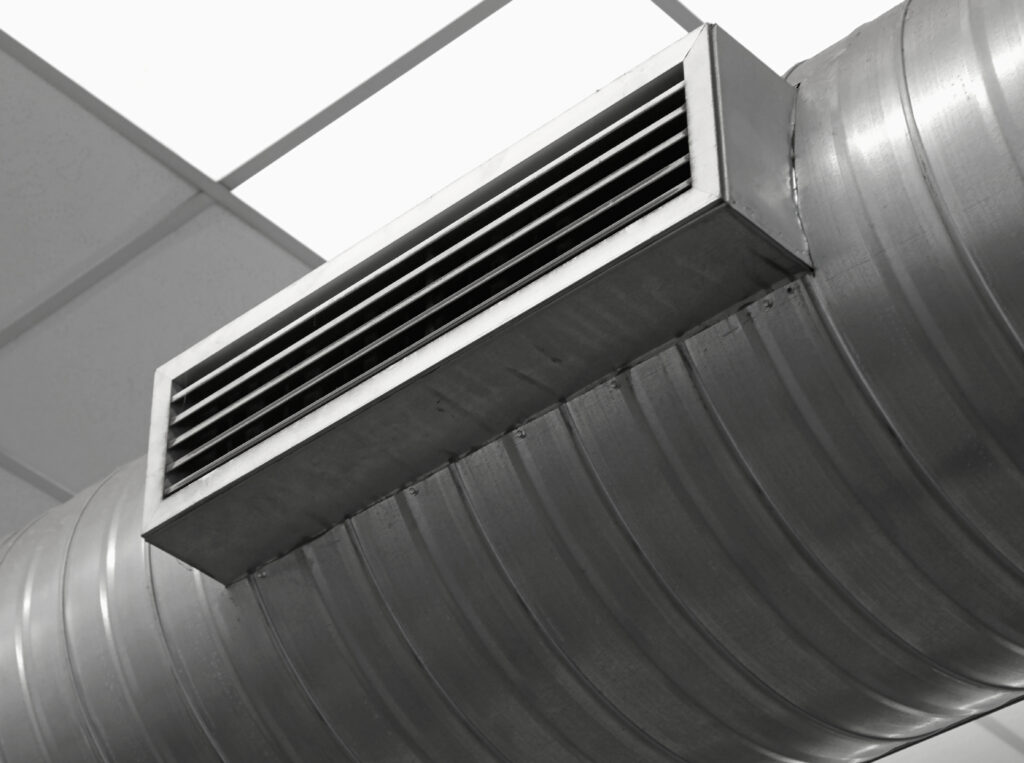
Let’s frame this with some real examples. HVAC systems are frequent sources of pre-existing condition questions. A non-functioning blower motor or aging condensate coil can both be precluded if signs of wear were present upon inspection. Refrigerators, dishwashers, and laundry machines also fall into this category. Uneven cooling or drainage issues that slowly manifest over time can be traced back to improper maintenance or extended usage without repair.
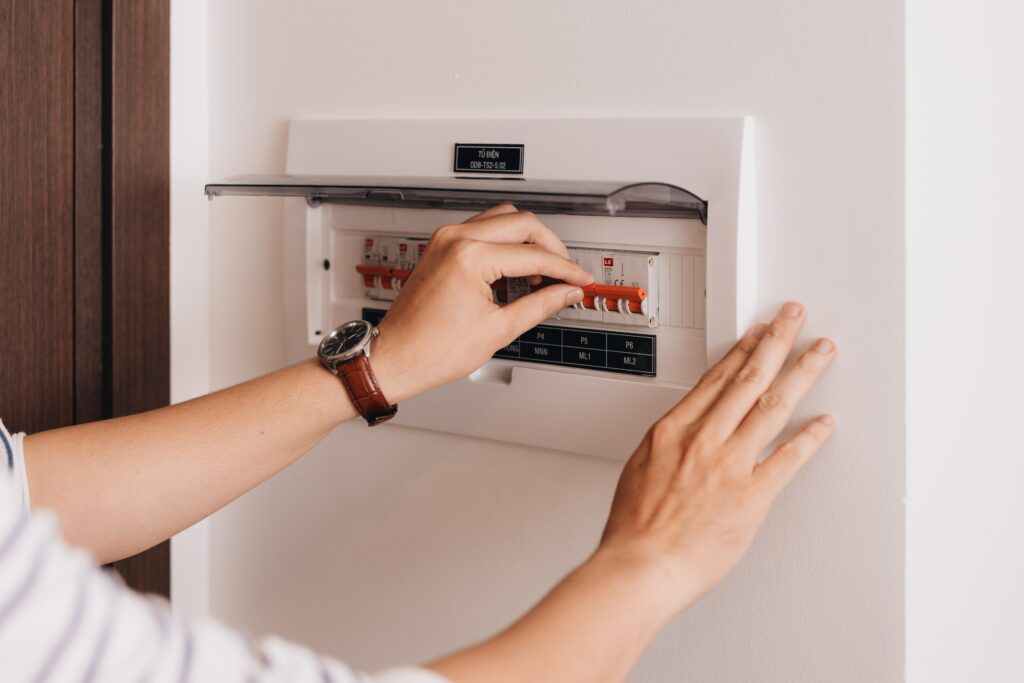
Water heaters, electrical panels, and plumbing joints equally fall under scrutiny. A small leak that develops into full-blown pipe failure shortly after coverage starts will raise red flags. That’s why being vigilant, observant, and engaged with the state of your home before you purchase a warranty is step one in getting meaningful long-term protection from your plan.
Smart Homeownership Starts with the Right Partner
Pre-existing condition exclusions shouldn’t scare you away from purchasing a home warranty—they should inform when and how you buy one. A reliable provider like Armadillo can guide you through plan options that are straightforward, data-backed, and accessible. With Armadillo, you benefit from smart diagnostics, transparent service, and flexible plans that let you start protection when the time is right. Ready to stop guessing and start protecting? Learn more at armadillo.one or begin building your custom plan directly at our Plan Builder. Because being prepared doesn’t start after something breaks—it starts now.