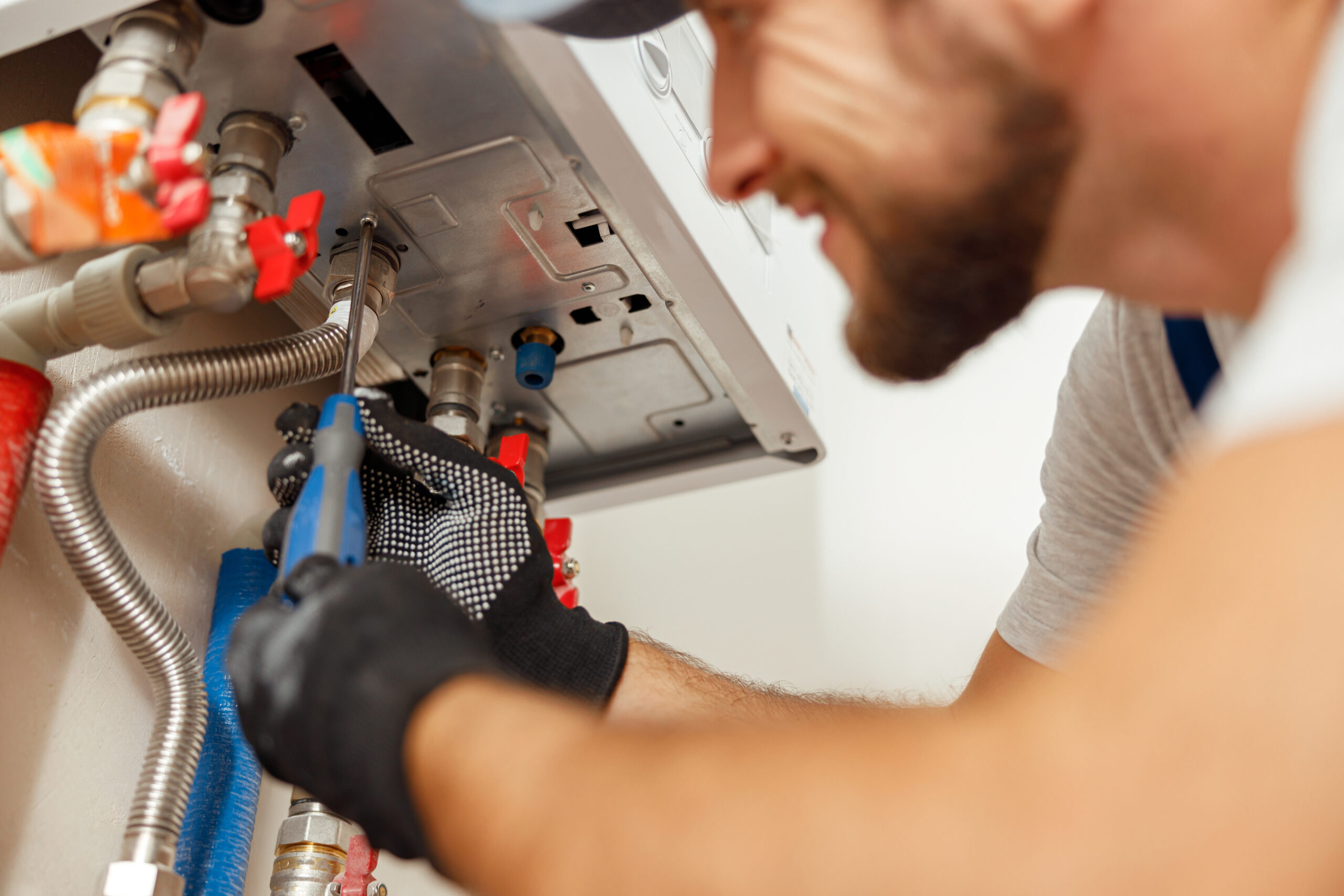
Understanding Water Heaters: A Homeowner’s Guide to Functionality, Value, and Protection
The water heater is one of the most essential—and often overlooked—appliances in any home. It operates quietly behind the scenes, delivering hot water for cooking, cleaning, bathing, and more. Yet, for many homeowners, its inner workings remain a mystery—until something goes wrong. This guide demystifies the water heater, exploring how it functions, the benefits and challenges of owning one, and why protecting it with a quality home warranty makes practical sense. Whether you’re a long-time homeowner or a first-time buyer, gaining insight into this system is key to maintaining the comfort and efficiency of your home.
What Is a Water Heater and How Does It Work?
At its core, a water heater is a household appliance that heats water and maintains it at a set temperature until needed. There are several types of water heaters, but most fall into two main categories: storage tank and tankless models. Storage tank water heaters are the most common and feature a large insulated tank that holds and heats water continuously. On the other hand, tankless or on-demand systems heat water only when it is needed, using high-powered burners or electric elements.
In a conventional tank system, cold water is drawn into the tank through a dip tube, where it is heated by either a gas burner located below the tank or electric heating elements within it. A thermostat monitors water temperature and activates the heat source as necessary to maintain consistent warmth. Heated water rises to the top of the tank and exits via a hot water outlet pipe when a tap is turned on. Safety features like pressure relief valves are included to prevent dangerous pressure build-up.
Tankless systems operate without a storage tank. Instead, cold water travels through a pipe and is heated by a gas burner or electric coil as soon as a hot water tap is activated. This approach eliminates standby heat loss, making it more energy-efficient in certain scenarios.
Advantages of a Home Water Heater
A properly functioning water heater is central to modern living. One of the primary advantages is the convenience it offers. From morning showers to evening dishwashing, hot water is available on demand. Whether you opt for a tank or tankless model, these appliances are designed for reliability and efficiency depending on household needs.
Another noticeable benefit is the control over temperature. A quality water heater comes equipped with thermostats that allow customization of water temperature, helping reduce the risk of scalding and improve energy efficiency. Modern systems also offer improved insulation and energy-efficient components, translating to lower utility bills.
Cost-wise, the range of available models allows homeowners to find systems that align with their budget—be it high-efficiency electric units for smaller households or gas-powered workhorses for larger families. Longevity adds to the list of positives: with proper maintenance, water heaters can last anywhere from 8 to 15 years, offering extended service before requiring replacement.
Common Drawbacks and Challenges
Despite their advantages, water heaters aren’t without shortcomings. The most immediate concern is the eventual need for repairs. Common issues include leaking tanks, worn-out heating elements, faulty thermostats, and corrosion. Sediment build-up in the tank is also a frequent problem that can reduce efficiency and cause premature wear.
Energy consumption can be another drawback, especially in older models or systems that aren’t properly insulated. Tank-style water heaters maintain a constant supply of hot water, leading to what’s known as standby heat loss—the energy wasted to keep unused water warm. This can inflate utility bills and affect environmental impact.
Another challenge is installation complexity. Tankless systems, in particular, may require extensive modifications to existing plumbing or electrical systems, leading to higher upfront costs. Likewise, replacing a tank water heater often includes dealing with building codes, venting requirements, and disposal of the previous unit—none of which are particularly homeowner-friendly without professional guidance.
Signs Your Water Heater May Need Attention
Routine failures aren’t just inconvenient—they can catch homeowners off guard, especially if a water heater is aging. Recognizing warning signs can help you act before a full breakdown occurs. Water that doesn’t heat properly, fluctuates in temperature, or runs out quickly may indicate failing heating elements or sediment accumulation. Discolored water, strange noises like banging or popping, and visible leaks are also major red flags.
A significant clue is the age of the unit. Most conventional water heaters have a lifespan of around 10 years. Past that point, efficiency drops and the likelihood of unexpected repair costs increases. If you’re unsure of the age, the serial number—usually located on the unit’s label—can help decode the manufacturing date.
Timely repairs and consistent maintenance are essential in extending the unit’s life and avoiding escalating issues. However, unexpected breakdowns can—and do—happen, often at the worst possible moment. That’s why many homeowners turn to home warranty plans as a smart safety net.
How a Home Warranty Complements Your Water Heater
A water heater is a costly appliance. Replacement alone can range from $800 to over $2,500 depending on the type and complexity of installation. A home warranty acts as a financial buffer, covering repair or replacement costs resulting from regular wear and tear. This is distinctly different from homeowners insurance, which typically only steps in after incidents like fires or storm damage.
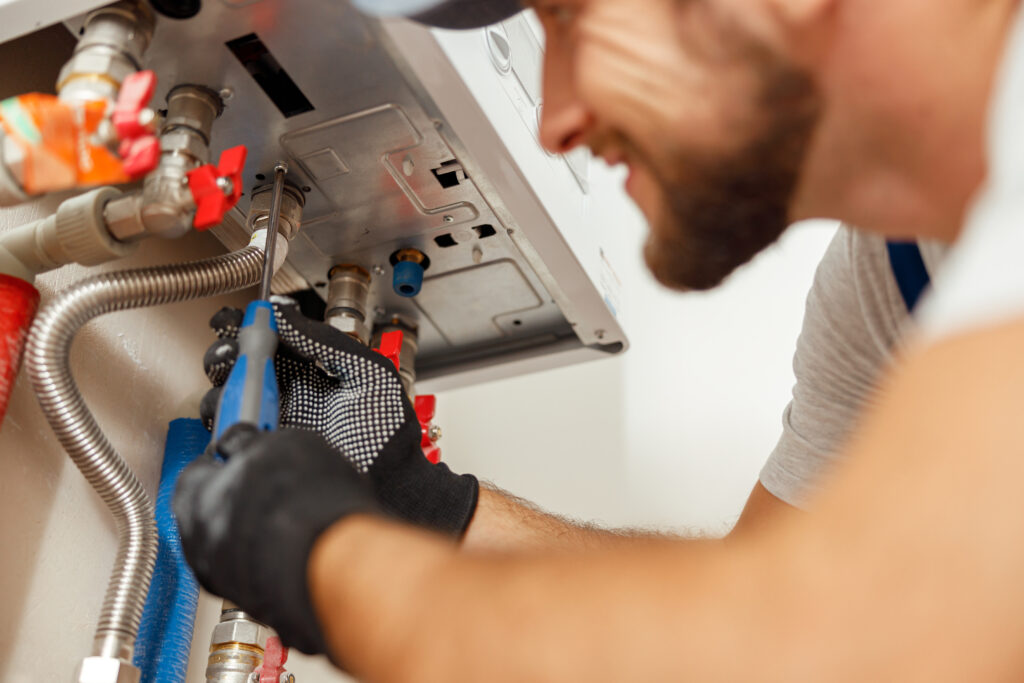
With a comprehensive home warranty plan, a malfunctioning water heater doesn’t have to disrupt daily life or drain your savings. Instead, you place a service request, a licensed technician is dispatched, and covered repairs are handled professionally—usually for a modest service fee. The critical advantage here is the peace of mind that accompanies predictable household expenses and reduced disruption during household breakdowns.
Choosing the Right Water Heater for Your Home
There is no one-size-fits-all solution. The right water heater for your home will depend on your family’s hot water consumption, the size of your household, local energy costs, and installation conditions. Tank-style water heaters are generally easier to install and repair, while tankless models offer long-term energy savings and unlimited hot water on demand. Efficiency ratings, warranty terms, and system size (measured in gallons for tanks or flow rate for tankless) should all factor into your decision-making process.
If you’re on a budget or have a smaller household, a conventional electric unit may meet your needs. Larger families or homes with higher hot water demands may benefit from gas systems or high-efficiency tankless options. Consulting a professional installer or technician can provide insight into local efficiency regulations, rebate programs, and the right system size for maximum performance.
Why You Should Consider Armadillo for Water Heater Protection
A water heater failure rarely waits for a convenient moment. Sudden breakdowns often turn into budget-breaking emergencies. That’s where Armadillo steps in. With reliable home warranty coverage tailored to real homeowner needs, Armadillo takes the guesswork—and stress—out of unexpected water heater issues. Their modern, transparent approach means you know exactly what’s covered and how to get help, fast. Protecting essentials like your water heater has never been easier or more worthwhile. Learn more about how Armadillo can safeguard your home’s vital systems at Armadillo, or get started by building your custom plan today at this link.