What Is Home Winterization and Why Does It Matter More Than You Think?
Every fall, millions of homeowners do one of two things: they either prepare their homes for cold weather, or they find out the hard way that they should have. Home winterization is the process of preparing your house and its key systems for the stress that freezing temperatures, ice, and moisture bring along with them. It is not just about comfort — it is about protecting what is likely your single largest investment. When pipes freeze and burst, when heating systems fail during the coldest week of the year, or when drafts quietly push your energy bills through the roof, you feel it immediately. Winterizing your home gives you control over what happens next, instead of just reacting to it.
How Home Winterization Actually Works
Winterization is not one single task — it is a coordinated series of steps across multiple home systems. Think of it as an annual audit that covers insulation, plumbing, HVAC, roofing, doors, windows, and outdoor equipment. The goal is to reduce heat loss, prevent water damage, and keep critical systems operating reliably when temperatures drop. Some tasks are simple enough to complete on a weekend. Others, like servicing your furnace or inspecting your roof, benefit from a professional eye. Understanding which is which makes a real difference in how much time and money you spend before winter, versus how much you spend repairing things after it.
The Key Systems You Need to Address Before Cold Weather Hits
There are several home systems that take the hardest hits during winter, and they deserve focused attention during your annual winterization process. Missing even one of them can cascade into expensive repairs.
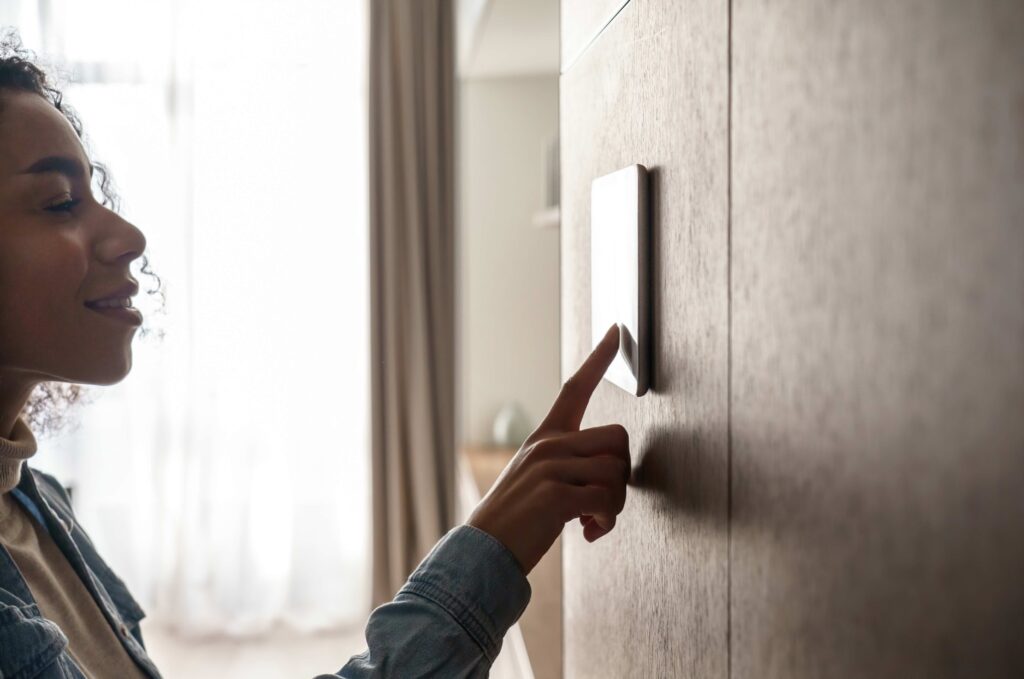
- Heating system: Have your furnace or heat pump professionally inspected and serviced each fall. Replace air filters, check ignition components, and confirm that your thermostat is calibrated correctly.
- Plumbing: Insulate exposed pipes in unheated spaces like garages, crawl spaces, and attics. Disconnect and drain outdoor hoses and shut off exterior faucets from the inside.
- Roof and gutters: Clear gutters of debris so water drains properly. Inspect your roof for damaged shingles or flashing that could allow water infiltration under ice and snow.
- Windows and doors: Check weatherstripping and caulking around all exterior windows and doors. Even minor gaps allow significant heat loss over time.
- Attic insulation and ventilation: Confirm your attic has adequate insulation and proper airflow to prevent ice dams from forming along the roofline.
The Advantages of a Thorough Winterization Routine
When winterization is done right, the payoff shows up in multiple ways. Your energy bills drop because your heating system is not working against preventable heat loss. Your home stays comfortable without constant thermostat adjustments. You reduce the risk of emergency repairs during the months when contractors are hardest to reach and most in demand. There is also the matter of home systems lasting longer when they are not being pushed to their limits under poor conditions. A furnace that is maintained annually, operating inside a properly insulated home, simply lasts longer than one that has been neglected. That is not speculation — it is consistent with what HVAC technicians report season after season. And beyond the mechanical side of things, winterization gives you peace of mind. That is worth something real.
Common Drawbacks and Limitations to Be Aware Of
No process is without its complications. Winterization has a few honest limitations that homeowners should factor into their planning. First, the upfront time and cost can feel significant, especially if your home has been neglected for a few seasons and needs more than routine maintenance. Second, even the most thorough winterization does not guarantee that systems will not fail — it significantly reduces risk, but it does not eliminate it. Older homes in particular may have infrastructure that requires more than seasonal prep; they may need actual upgrades to windows, insulation, or plumbing. And third, many homeowners underestimate the scope of what needs to be done and end up with a partial checklist that leaves gaps. That false sense of security can sometimes be worse than not starting at all.

Practical Winterization Tips You Can Act on Right Now
If you are putting together your winterization plan, there are several practical steps you can take immediately that require minimal tools and pay off quickly. Start by walking your home’s exterior and noting anywhere you can see daylight through gaps, feel drafts, or see peeling caulk. Pick up a tube of exterior-grade caulk and a roll of door weatherstripping — these two materials alone can make a measurable difference in heat retention. Inside, reverse your ceiling fans to run clockwise at low speed. This pushes warm air that has risen to the ceiling back down along the walls. Check your water heater’s temperature setting and consider wrapping the tank with an insulating blanket if it is in an unheated space. These are not dramatic renovations — they are smart, targeted moves that compound over a winter season.
Winterizing Your Plumbing System Specifically
Frozen pipes are one of the most expensive and disruptive winter emergencies a homeowner can face. A single burst pipe can release hundreds of gallons of water into your home before anyone realizes what has happened. The fix is not complicated, but it does require taking action before the temperature drops. Insulate any pipe that runs through an unheated area. Know where your main water shut-off valve is located so you can act immediately if a pipe does burst. If you are planning to travel during the winter, keep your thermostat set to at least 55 degrees Fahrenheit even while you are away. Open cabinet doors under sinks on exterior walls to allow warm interior air to circulate around the pipes. These are small habits that protect against very large problems.
HVAC Maintenance as Part of Your Winter Preparation
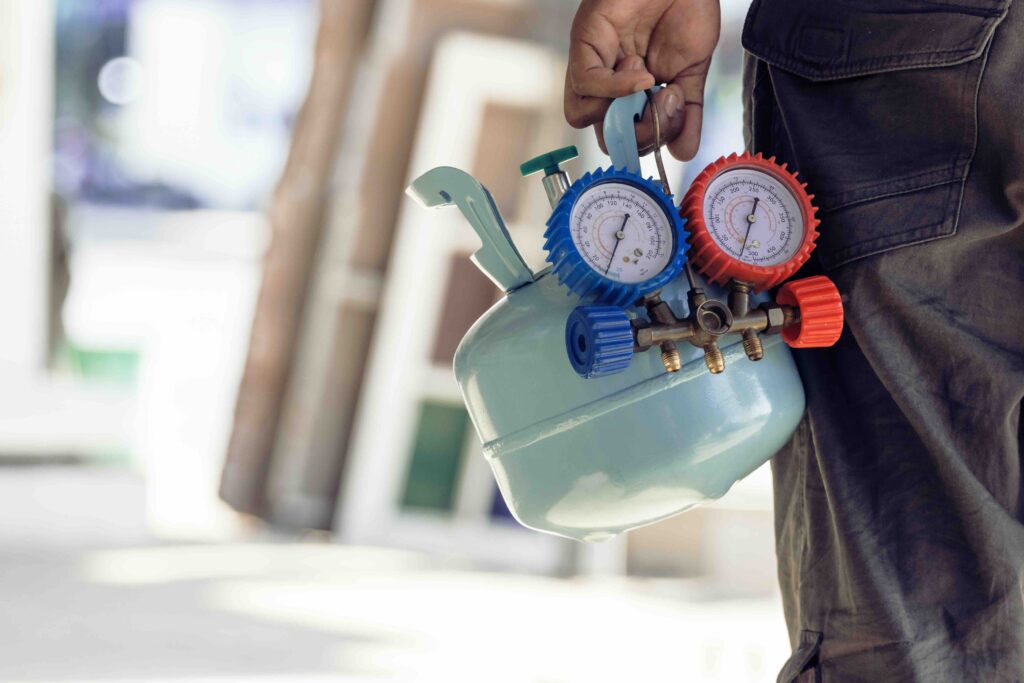
Your heating system works harder in winter than at any other time of year. Asking it to perform at peak output without any preparation is like running a race without warming up — something is likely to give out. Annual HVAC maintenance involves cleaning or replacing filters, inspecting the heat exchanger for cracks, checking refrigerant levels on heat pump systems, and testing the blower motor and ignition system. A professional tune-up typically costs between $80 and $150, which is a modest investment compared to the cost of an emergency furnace repair in January. If your system is more than fifteen years old, it is worth discussing its overall condition with a technician. Knowing what you are working with before temperatures drop gives you options. Waiting until it fails leaves you with far fewer.
What Winterization Does Not Cover — and Where a Home Warranty Fills the Gap
Winterization reduces risk. It does not eliminate it. Systems fail even when they are well-maintained, and appliances do not always give warning signs before they stop working. That is the specific gap that a home warranty is designed to fill. Even a homeowner who follows every item on a winterization checklist can still face a broken furnace, a failed water heater, or a malfunctioning sump pump on the worst possible winter day. When that happens, cost and contractor availability become immediate problems. A home warranty plan provides a defined path forward — covered repair or replacement, access to a vetted service network, and a predictable cost structure that takes the financial shock out of an otherwise terrible situation.
If you want to go into winter with both preparation and protection, Armadillo home warranty plans built for modern homeowners give you coverage designed around the systems and appliances that matter most — including heating, plumbing, and water heaters. When a covered system fails, Armadillo handles the repair coordination so you are not scrambling for a contractor in freezing temperatures. The value is not just financial — it is the removal of the logistical chaos that comes with an unexpected breakdown. Take two minutes and get a free winter home warranty quote for your heating system and home appliances to see what coverage looks like for your specific home. It is an easy next step after you have already done the smart work of winterizing.

Frequently Asked Questions About Home Winterization
Answers to the most common questions homeowners have when preparing their home for cold weather.
When should I start winterizing my home?
The best time to begin winterization is in early to mid-fall, before temperatures consistently drop below freezing. Starting in September or October gives you time to schedule professional service appointments before contractors become fully booked with emergency calls.
How much does it cost to winterize a home?
Costs vary significantly depending on your home’s size, age, and current condition. Basic DIY winterization with caulk, weatherstripping, and pipe insulation can cost under $100. Professional services like HVAC tune-ups, roof inspections, and plumbing prep can bring total costs to $300 to $700 or more for a full seasonal preparation.
What happens if I skip winterizing my home?
Skipping winterization increases the risk of frozen or burst pipes, heating system failures, ice dam formation on your roof, and significantly higher energy bills. These outcomes can cost thousands of dollars in repairs and are largely avoidable with proactive preparation.
Does homeowners insurance cover winter damage?
Homeowners insurance typically covers sudden and accidental damage, such as a burst pipe, but it generally does not cover damage resulting from neglect or lack of maintenance. This is one reason why winterization matters — it helps you meet the maintenance standards insurers expect.
Does a home warranty cover winter-related system failures?
A home warranty can cover the mechanical failure of systems like your furnace, water heater, and plumbing — regardless of the season. It does not cover damage from frozen pipes in the same way insurance might, but it does provide repair and replacement coverage for systems that break down due to normal wear and tear.
How do I prevent ice dams on my roof?
Ice dams form when heat escapes through the roof and melts snow, which then refreezes at the cold eaves. Preventing them requires adequate attic insulation, proper attic ventilation, and sealed air leaks between your living space and the attic. Keeping gutters clean also helps meltwater drain before it can refreeze.
Should I drain my pipes if I am leaving for the winter?
If you plan to leave your home unoccupied for an extended period during cold weather, draining the plumbing system is a sound precaution. Turn off the main water supply and open all faucets to release pressure. Alternatively, maintain indoor heat at a minimum of 55 degrees Fahrenheit to keep pipes from freezing.
What is the most important thing to winterize in a home?
Your heating system is the highest priority. A functioning, well-maintained furnace or heat pump is what keeps everything else in your home safe during cold weather — including your pipes, your family, and your appliances. Schedule a professional inspection before the season begins.
Can I winterize my home myself, or do I need a professional?
Many winterization tasks are well within DIY range — caulking, weatherstripping, reversing ceiling fans, and insulating exposed pipes. However, HVAC servicing, roof inspections, and chimney evaluations should be handled by licensed professionals who can identify issues that are not visible during a casual walkthrough.
How does winterization affect my home’s energy efficiency?
Proper winterization directly reduces heat loss, which means your heating system runs less frequently to maintain the same indoor temperature. This translates to lower monthly energy bills throughout the heating season. Sealing air leaks alone can reduce energy costs by 10 to 20 percent according to energy efficiency studies.