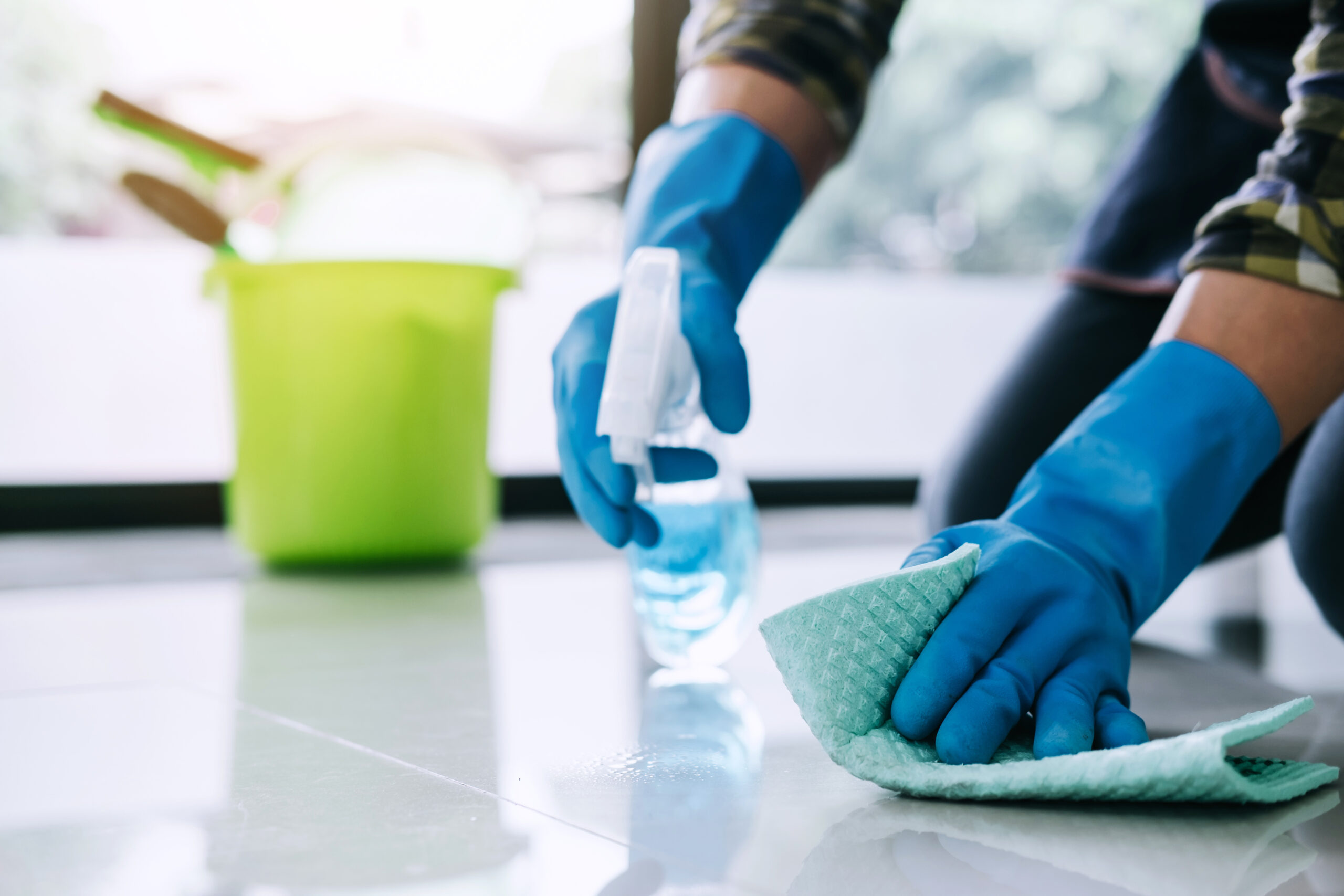
Homemade Disinfectant Floor Cleaner: How It Works, Why It Matters, and What Homeowners Need to Know
Keeping your floors clean isn’t just about aesthetics—it’s a key part of maintaining a healthy, functioning home. While store-bought floor cleaners are readily available, many homeowners are turning to homemade disinfectant solutions. These DIY products can offer a surprising blend of power, cost-effectiveness, and environmental friendliness. As a homeowner, understanding the implications of the cleaning products you use, especially how they interact with your home systems and appliances, matters more than you might think. From hardwood to tile, the cleaner you choose touches every inch of one of the home’s largest surfaces. If you’re considering a homemade disinfectant floor cleaner, or you’re curious about its impact on your flooring and home warranty coverage, this guide was written with you in mind.
What Is a Homemade Disinfectant Floor Cleaner?
A homemade disinfectant floor cleaner is a cleaning solution made using everyday household ingredients like vinegar, baking soda, essential oils, and soap. These natural components can be combined in different ways to create effective cleaners tailored to specific floor types, such as sealed wood, laminate, tile, or linoleum. The appeal lies in their simplicity. Many of these ingredients are already in your kitchen, and recipes can be easily adjusted based on the level of disinfecting required—especially in high-touch, high-traffic areas like kitchens or entryways. Safe, customizable, and often eco-conscious, these cleaners provide an alternative to chemical-based commercial products. But it’s not just about swapping out ingredients—it’s about understanding what your floors need.
How Homemade Cleaners Work on Different Flooring Materials
Every floor type is built differently and therefore demands a different care strategy. Tile and vinyl floors can handle more acidic cleaners—such as vinegar-based solutions—because they resist water and chemical absorption. Hardwood and laminate, on the other hand, require extra caution. Too much moisture, or the wrong acidic balance, can erode finishes or warp planks. Homemade cleaners work primarily by breaking down grime, killing bacteria through natural antibacterial properties (thanks, vinegar and tea tree oil), and leaving behind less chemical residue. It’s important for homeowners to understand both the materials in their flooring and what kind of maintenance each one tolerates. Without that baseline of understanding, even the most natural cleaner can end up doing damage, potentially invalidating home warranty coverage or voiding manufacturer warranties.
Advantages of Homemade Disinfectant Floor Cleaners
The benefits of homemade floor cleaners go beyond cost alone. First, they offer control. You know exactly what’s going into the solution and onto your floors—particularly attractive for families with allergies or pets. Many store-bought options contain synthetic fragrances and potentially harsh additives that can irritate respiratory systems or damage delicate floor coatings over time. Second, they tend to be more environmentally sustainable. Less plastic packaging, lower manufacturing emissions, and biodegradable ingredients make for a cleaner choice—literally and figuratively. Lastly, when you have the option to make your own cleaner, restocking becomes a task of seconds, not another errand. You’re not just saving space under your sink—you’re streamlining your home maintenance routines. For long-term homeowners, that kind of predictability matters.
Common Drawbacks to Consider
Despite their advantages, homemade cleaners are not without limitations. Many DIY solutions don’t go through rigorous testing, which means their disinfectant capabilities can vary. Vinegar, for example, is often used as an all-purpose weapon, but it doesn’t eliminate viruses as effectively as bleach-based options. Also, while experimentation can be part of the process, improper dilution ratios can leave sticky residues or create film buildup that wears down floor finishes. Without careful attention to ingredients and floor compatibility, homeowners could actually shorten the life span of their surfaces. That matters when it comes to home warranties as well—many policies don’t cover damage caused by improper maintenance or unapproved cleaning methods. Knowing where flexibility ends and risk begins is key.
How Homemade Floor Cleaners Align With Home Warranties
It’s worth pausing here and talking directly about home warranty implications. Home warranty providers often offer repair or replacement coverage for major home systems and appliances—but with one major caveat: proper maintenance. Improper cleaning practices, even if well-intentioned, can be considered neglect or misuse. If a claim is filed for a damaged flooring system or for components such as underfloor heating, and an inspection shows incompatible cleaner use, coverage can be denied. Homeowners should always ensure that their homemade disinfectant cleaner aligns with the manufacturer’s care guidelines for flooring. Keep records if possible, including ingredient lists and methods. That might sound excessive, but when claim time rolls around, that kind of documentation could make the difference. A proactive homeowner is a protected one.
Tips for Creating and Using an Effective Homemade Floor Cleaner
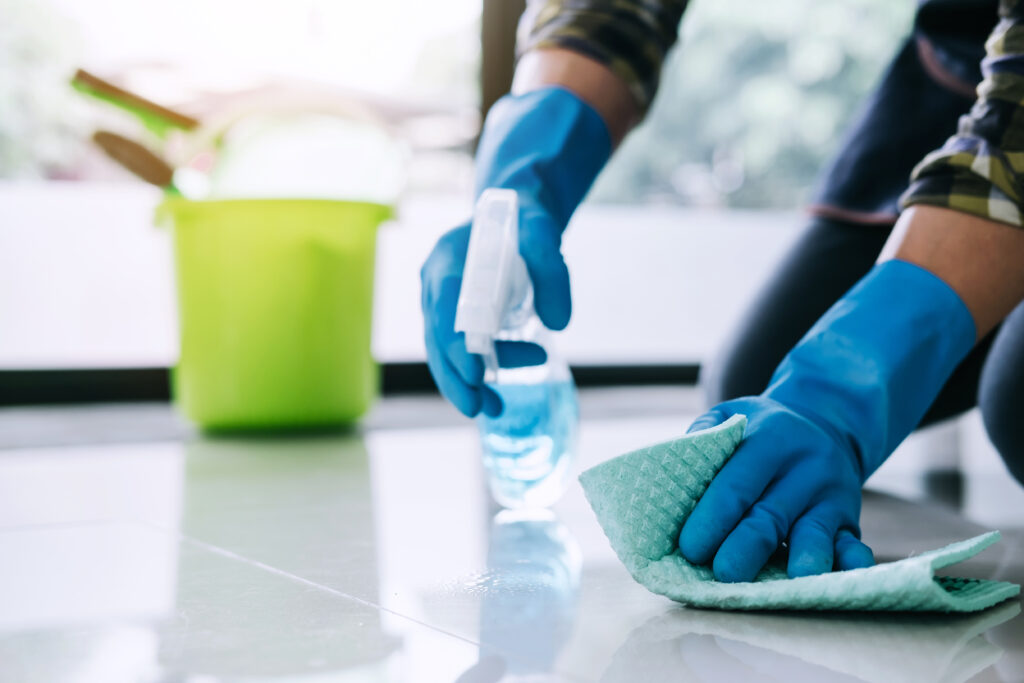
Crafting a well-balanced disinfectant cleaner starts with knowing your floor’s finish. Polyurethane-coated wood floors react differently than laminate or tile. For general disinfecting on hard, sealed floors, a combination of vinegar, water, and essential oils like tea tree or lavender can both clean and reduce surface bacteria. Avoid using soap-heavy formulas on hardwood—residue can dull the finish. Never pour homemade cleaners directly onto the floor; use a spray bottle or damp mop to maintain control over moisture and spread. Store mixtures in cool, dark locations and label with dates. It’s important to refresh your batch regularly. And remember: when in doubt, spot-test an inconspicuous area first. A beautiful floor doesn’t come from chance—it comes from repeated, thoughtful care.
When Homemade Cleaners Aren’t Enough
There are instances when a homemade solution won’t be the right answer. In homes with compromised sanitation concerns, especially post-illness or pet accidents, higher-strength disinfectants or steam cleaning methods should be applied. Similarly, newer floors that are still under manufacturer warranty may require use of approved products only. If your flooring has developed strange odors, unusual stains, or warping after using a DIY cleaner, stop and assess—those could be red flags that go deeper than surface-level cleaning. At that stage, professional maintenance might be necessary. Balancing DIY efforts with expert oversight is smart homeownership. Knowing your limits as a home caretaker protects not just your property, but your coverage as well.
Protect What’s Underfoot with Armadillo Home Warranty
Being strategic about floor care isn’t just about keeping up appearances—it’s about long-term home health, efficiency, and value. And while a homemade floor cleaner can play a solid role in your maintenance routine, true protection comes from reliable coverage. Armadillo provides home warranty plans designed for the real world—covering major systems and appliances when life inevitably gets messy. Our intelligent digital platform makes it easy to tailor a plan that fits your lifestyle and your property’s needs. Ready to add an extra layer of protection beneath your feet? Visit armadillo.one to learn more or head to our plan builder to get started. Because when it comes to caring for your home, skipping the guesswork is half the battle.