Homemade Floor Cleaner with Vinegar: What Homeowners Should Know
For many homeowners, maintaining clean, safe flooring is a priority, both for aesthetic appeal and long-term durability. Floors, after all, bear the literal weight of your household. While commercial cleaning solutions line the shelves of every store, a growing number of homeowners are turning toward homemade alternatives—searching for safer, simpler options. Among the most common is a vinegar-based floor cleaner. But what do you really need to know about using vinegar on your floors? How does it interact with home materials, systems, and warranties? This article explores the ins and outs of homemade floor cleaner with vinegar through a homeowner-focused lens, helping you make confident, well-informed decisions about cleaning practices and home protection.
Understanding What Vinegar-Based Floor Cleaner Is
Homemade floor cleaner with vinegar generally consists of only a few basic ingredients: white distilled vinegar, warm water, and occasionally a small addition of essential oil for scent or dish soap to cut grease. It’s often praised for its non-toxic composition, affordability, and simplicity. The driving force behind this DIY solution is acetic acid—a key component in vinegar—that cuts through dirt, grease, and grime without relying on heavy chemicals. The idea is compelling: keep your floors spotless without introducing unwanted synthetic elements into your home. But while the solution seems straightforward, there’s significant nuance involved. Dilution levels, frequency of use, and floor material compatibility all impact the effectiveness and safety of vinegar-based cleaning techniques.
How Vinegar Works as a Cleaning Agent
Vinegar’s low pH level makes it acidic, giving it the ability to break down mineral deposits, soap scum, and general buildup. When diluted with water—typically a one-to-one or one-to-four ratio—it serves as a versatile cleaner for non-porous surfaces. On sealed hardwood, laminate, tile, and linoleum floors, the vinegar solution can efficiently lift surface dirt and even neutralize odors. On the microbial level, vinegar demonstrates mild antibacterial properties, though it’s not classified as a disinfectant. This distinction matters for homeowners who might believe vinegar alone is a universal cleaning solution. For heavy-duty sanitation (such as after a plumbing leak or HVAC moisture exposure), professionals typically recommend EPA-approved disinfectants. Still, as a regular weekly floor wipe-down, the vinegar-water blend offers a reliable way to maintain visible cleanliness with a lighter environmental footprint.
Advantages of Homemade Vinegar-Based Floor Cleaner
There are several compelling reasons homeowners move toward vinegar-based homemade floor cleaners. First is cost. A gallon jug of white distilled vinegar costs a fraction of most commercial floor products, especially if you’re regularly cleaning large spaces. Second is safety. For households with children, pets, or sensitive occupants, vinegar avoids the foam, fragrances, and industrial chemicals that commercial solutions might carry. Third is sustainability. Many choose homemade cleaners to reduce plastic waste and simplify home supply storage. Finally, it offers homeowners control. You know exactly what’s in your cleaner and can adjust ingredients to suit your household’s needs or flooring types. This kind of flexibility can be particularly reassuring as more homeowners invest in eco-conscious living and long-term home care.
Common Drawbacks and Missteps to Avoid
Despite its natural origins, vinegar is not universally harmless. One of the most frequent homeowner mistakes is assuming that “natural” equals “safe on all surfaces.” In reality, vinegar can be abrasive to certain materials—damage to natural stone surfaces like marble, granite, or travertine is common. On some engineered flooring, especially floors without high-grade sealants, acetic acid may break down protective coatings, dulling finishes or exposing substrates to moisture. Also, excessive use—over-mopping or using an overly concentrated solution—can contribute to swelling on wood floors. It’s also important to understand that vinegar leaves a scent, and while temporary, some homeowners find it unpleasant. Misjudging these nuances can complicate warranty claims, especially if damage arises from routine cleaning practices. Knowing where to use vinegar, how often, and in what dilution is essential for responsible DIY alternatives.
Compatibility with Home Systems and Warranty Considerations
Flooring as a home system—like your HVAC, electrical setup, or plumbing network—represents a critical asset to household functionality. Whether it’s engineered hardwood, tile, or laminate, the type of surface you maintain influences not only daily comfort but resale value. Home warranties, like those offered by Armadillo, can cover flooring damage stemming from mechanical failure such as in-floor radiant heating or severe moisture exposure from appliance breakdowns. However, warranties generally do not cover damage resulting from homeowner negligence or improper maintenance. Using vinegar incorrectly or applying DIY cleaners where the manufacturer recommends specific products may void coverage. That’s why understanding flooring material specifications and tying that knowledge back to warranty conditions is important. Always consult your floor’s care guidelines and your home warranty terms before integrating homemade solutions into your cleaning routine.
Practical Application Tips for Homeowners
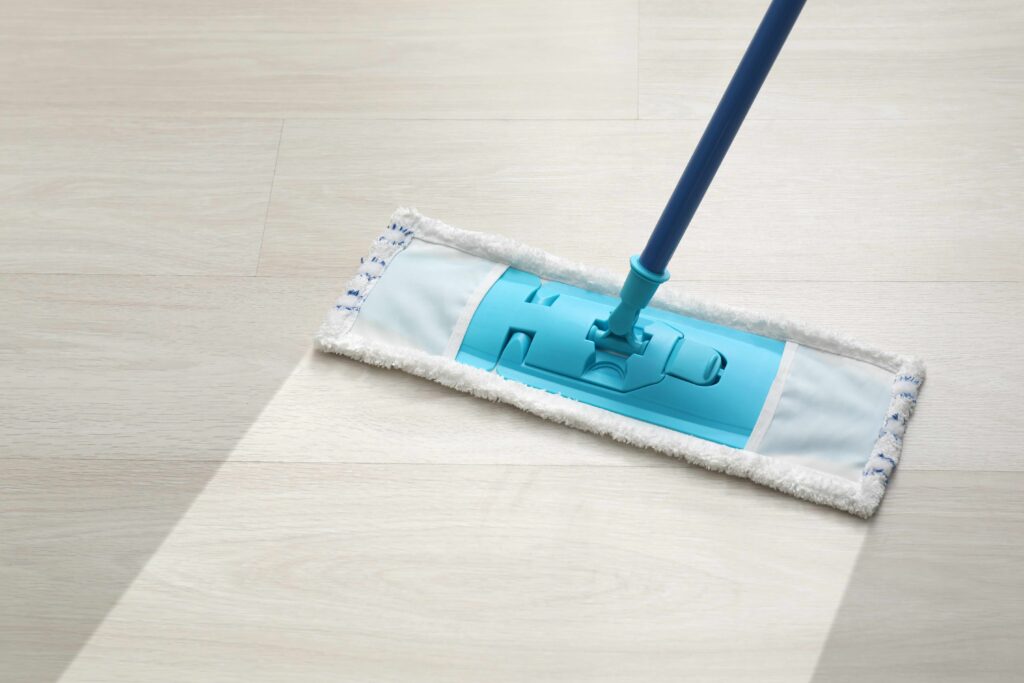
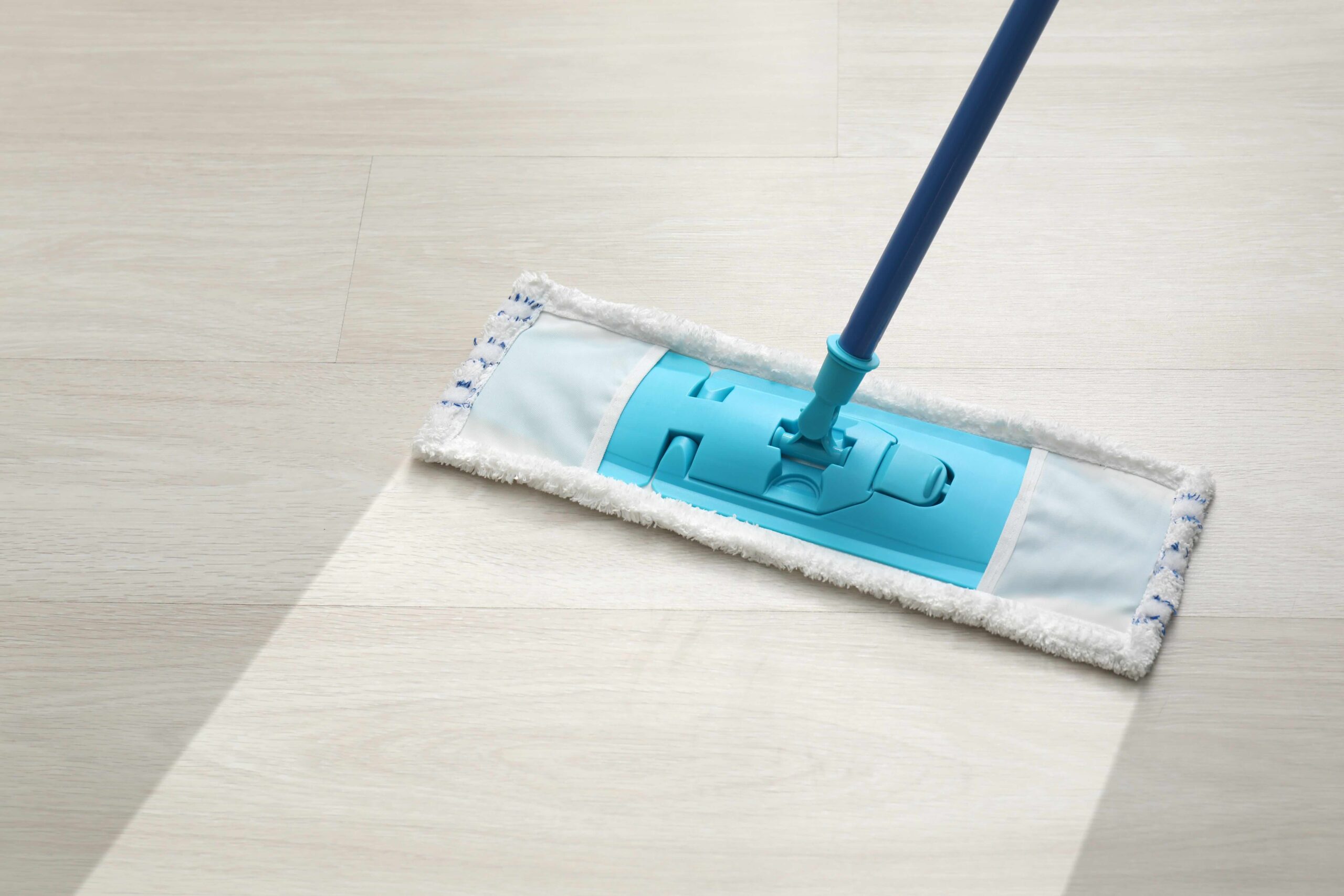
If you’re committed to using homemade vinegar floor cleaner, begin with a measured approach. Always test on a small, inconspicuous area first. For optimal impact, stick with the standard mixture of one cup white vinegar to one gallon of warm water. Use a well-wrung microfiber mop to minimize water saturation, particularly on wood or laminate floors. Don’t rush the drying process—ensure the floor is completely dry before placing rugs or furniture back. If spills or sticky buildup persist, adding one drop of castile or dish soap may help. Avoid overuse; once a week is generally sufficient for most floors. And finally, store your cleaner away from direct sunlight and out of children’s reach. While effective on the surface, DIY cleaning solutions come with responsibility. That balance—between ease and diligence—keeps your flooring intact and your home systems properly maintained.
Long-Term Impact on Floor Durability and Maintenance
Over time, the cumulative effect of using vinegar on compatible floors can be overwhelmingly positive—clean surfaces, minimal chemical exposure, and reduced allergen retention. But the reverse is also true if misapplied. Repeated exposure of porous or improperly sealed flooring to acidic cleaners can degrade structural components and aesthetic finishes. For homeowners planning on long-term occupancy, or those considering future resale value, maintenance choices made today echo into next year’s inspection reports. This is especially true in homes with radiant floor heating or integrated electrical systems, where floor integrity directly influences energy efficiency and climate control. An effective cleaning regimen doesn’t just result in a clean floor—it safeguards your home’s total health and value. Smart maintenance feeds good warranty compliance, fosters safer living spaces, and helps prevent repairs that stem from misuse rather than failure.
How Armadillo Helps Protect What’s Beneath Your Feet
Keeping your floors in top shape goes beyond choosing the right mop or cleaner. It’s about understanding your flooring as part of your home’s greater system—and protecting it accordingly. At Armadillo, we specialize in exactly that. Our home warranty plans help shield you from the unexpected—leaks that damage subfloors, appliance overflows that warp boarding, and system failures that lead to costly fixes. We don’t just help after the damage is done; we help you make smarter decisions before it ever happens. If you’re exploring homemade solutions like vinegar cleaners, pairing them with a robust home warranty ensures that your proactive habits are backed by comprehensive protection. Learn more about our customizable coverage at armadillo.one, or get started in a few simple steps at our plan builder. Your home deserves nothing less than care—with confidence.