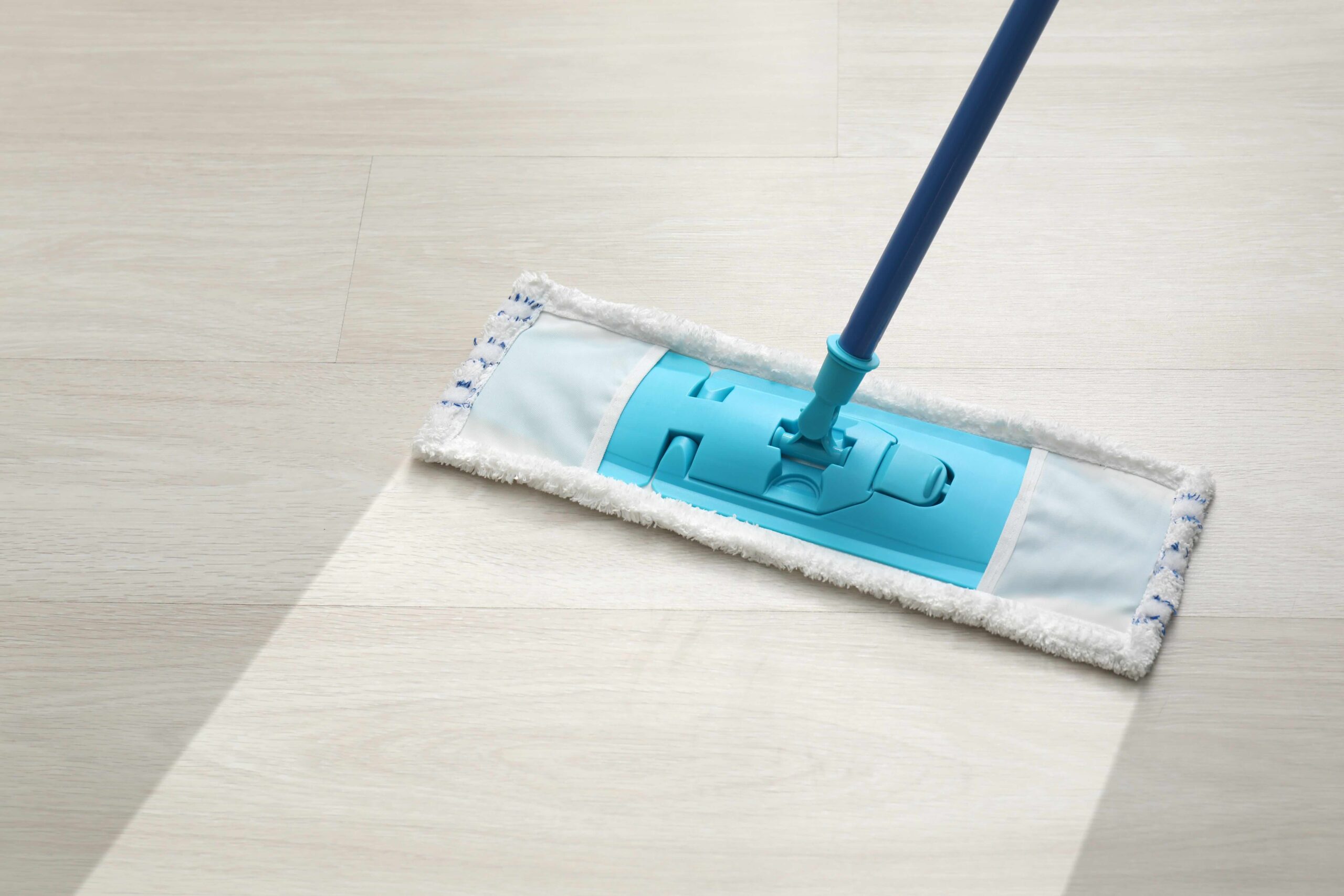
What Is a Homemade Vinegar Floor Cleaner and Why Should You Care?
If you have ever stood in the cleaning aisle staring at a wall of floor cleaners wondering which one is worth the price, you are not alone. Homemade floor cleaner with vinegar has become one of the most searched DIY cleaning solutions among homeowners, and for good reason. It is inexpensive, it works on a surprisingly wide range of floor surfaces, and you probably already have the ingredients sitting in your kitchen right now. The concept is simple: distilled white vinegar, diluted properly with water, acts as a mild acid that cuts through grease, grime, and light buildup without leaving behind chemical residue. It sounds almost too straightforward, which is probably why so many people second-guess it. But the science holds up, and when used correctly, it can be a genuinely effective part of your home maintenance routine.
How Vinegar Works as a Floor Cleaning Agent
Vinegar is acetic acid, typically around five percent concentration in the distilled white variety you find at grocery stores. That acidic quality is what makes it effective at dissolving mineral deposits, soap scum, and certain types of grease. When diluted with warm water, usually in a ratio of half a cup of vinegar per gallon of water, it becomes mild enough to clean most sealed hard floor surfaces without causing damage. Some recipes add a few drops of dish soap for added grease-cutting power, or essential oils like lavender or tea tree for scent. The mixture works by lowering the pH at the surface level just enough to break down residue, and because it evaporates quickly, it tends to dry without streaking when used with a well-wrung mop. It is not a disinfectant in the clinical sense, but it does have mild antimicrobial properties that make it useful for general household hygiene.
Which Floor Types Work Best with Vinegar Cleaner
This is where homeowners need to slow down and pay attention. Not every floor surface is compatible with vinegar-based cleaners, and using the wrong solution on the wrong floor can cause real damage. Here is a breakdown to help guide your decisions:
- Sealed hardwood floors can tolerate a heavily diluted vinegar solution occasionally, but frequent use may dull the finish over time
- Vinyl plank and vinyl tile floors generally handle vinegar well and benefit from its streak-free drying properties
- Ceramic and porcelain tile with sealed grout respond well to vinegar-based cleaners
- Laminate floors should be approached with caution since moisture is the primary enemy, but a lightly damp mop with diluted vinegar can work if dried quickly
- Natural stone floors including marble, travertine, and limestone should never be cleaned with vinegar because the acid etches and permanently damages the surface
- Unsealed hardwood floors are not appropriate candidates for any water-based cleaner including vinegar
Knowing your floor type before mixing a batch is not optional. It is the most important step in this entire process.
How to Make Homemade Vinegar Floor Cleaner Step by Step
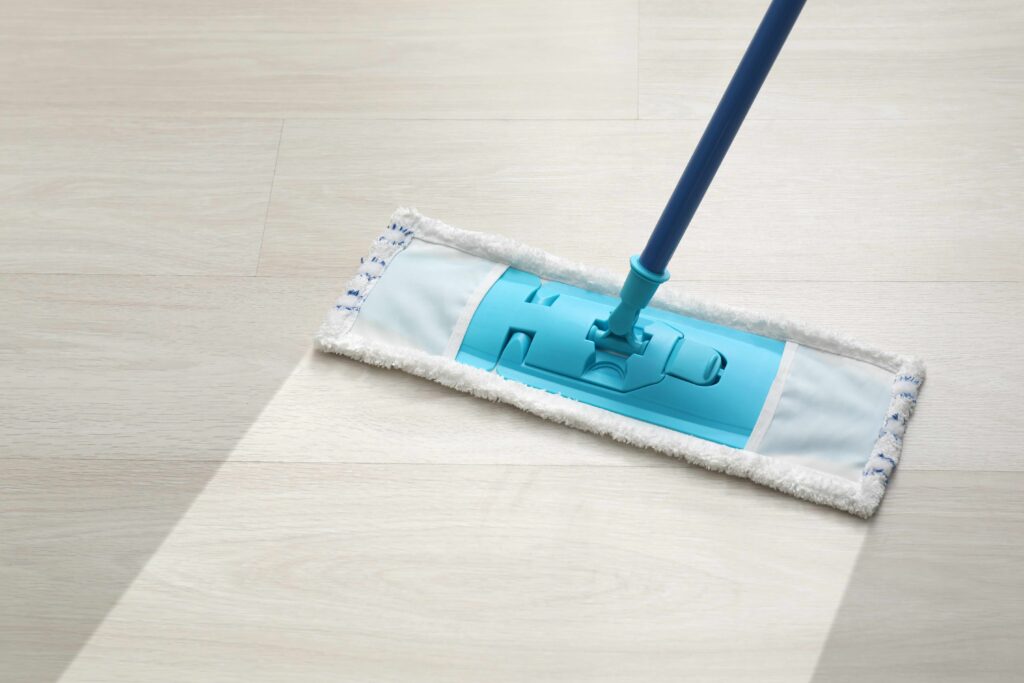
The basic recipe is almost embarrassingly simple. Start with one gallon of warm water, add half a cup of distilled white vinegar, and mix gently. For harder jobs with grease or sticky residue, add a small squirt of castile soap or standard dish soap. If the vinegar smell bothers you, and it does bother a lot of people, a few drops of essential oil will help. Some homeowners also add a tablespoon of rubbing alcohol to speed up drying time, which is a solid trick for vinyl floors in high-traffic areas. Mix everything in a clean bucket, wring your mop thoroughly so it is just barely damp, and work in sections across the floor. Avoid saturating the floor, especially near seams or edges where water can seep underneath and cause warping or swelling. The whole process takes about as long as mopping normally would, which is part of the appeal.

The Key Advantages of Using a Vinegar-Based Floor Cleaner
There is a reason this solution keeps coming up in homeowner conversations, home improvement forums, and cleaning blogs. The advantages are real and worth taking seriously. Cost is the most obvious one. A gallon of distilled white vinegar typically costs well under two dollars, and a single bottle can last months of regular cleaning. Commercial floor cleaners, especially the name-brand options formulated for specific surfaces, can cost ten to twenty dollars or more per bottle. Beyond cost, vinegar leaves no chemical residue, which matters a lot in homes with children or pets who spend time on the floor. It is also biodegradable, which is a meaningful consideration for environmentally conscious homeowners. The simplicity of the ingredient list also means there is no guesswork about what you are exposing your family to, which is a genuine comfort that many store-bought products cannot easily match.
Common Drawbacks and Limitations to Know About
Vinegar floor cleaner is not without its drawbacks, and being upfront about them is the only way to use this solution responsibly. The smell is the first hurdle. Acetic acid has a sharp, unmistakable odor that dissipates as the floor dries, usually within fifteen to thirty minutes, but during that window it can be quite strong in enclosed spaces. Ventilation helps significantly. More importantly, vinegar is not a true disinfectant and will not eliminate bacteria, viruses, or pathogens the way hospital-grade or EPA-registered disinfectants do. If sanitation is the primary goal, this solution falls short. There is also the risk of surface damage when used incorrectly or too frequently, particularly on hardwood floors where repeated acid exposure can degrade the protective finish. And while the solution is effective for routine cleaning, it struggles with heavy grease buildup or deeply embedded dirt that might require a stronger commercial cleaner or professional treatment.
Tips for Getting the Best Results Every Time
Small adjustments in technique make a noticeable difference. Always sweep or vacuum before mopping to remove loose debris that would otherwise get pushed around and potentially scratch the surface. Use warm water rather than cold because it activates the cleaning properties of vinegar more effectively. Change your mop water if it becomes visibly dirty mid-session rather than spreading grime back across a clean floor. For stubborn spots, apply a small amount of undiluted vinegar directly, let it sit for two to three minutes, and then wipe clean before mopping the broader area. Keep the mop as dry as possible by wringing thoroughly, and do not let puddles form anywhere on the floor. Following up with a dry microfiber cloth or a dry Swiffer pad on high-traffic areas can pick up any remaining moisture and leave the surface looking clean and streak-free.
Vinegar Floor Cleaner and Your Home Maintenance Routine
Regular floor cleaning is part of the broader picture of responsible home maintenance. Clean floors are not just about appearance. They extend the life of flooring materials, reduce allergens, and help homeowners notice issues like cracks, moisture damage, or warped boards early before they become expensive problems. A simple, cost-effective cleaning routine like this one supports that overall approach to home care. But it is worth remembering that floors are just one component of a larger home system. Plumbing, HVAC, electrical systems, and appliances all require attention, and the cost of repairing or replacing them can be significant when something goes wrong unexpectedly.
How Home Warranty Coverage Connects to Floor and System Care
Taking care of your home is a full-time commitment, and even the most diligent homeowners face unexpected repair bills. That is where home warranty coverage becomes a practical conversation. A well-maintained home still experiences system and appliance failures, not because the homeowner neglected anything, but because mechanical components wear out over time regardless of how carefully you clean or maintain them. Armadillo home warranty plans for proactive homeowners are built around that reality. Whether it is a water heater giving out mid-winter or an HVAC system failing during the hottest week of the year, having a plan in place means the financial hit is manageable. Keeping your floors clean and your home well-maintained is the foundation, but protecting the systems beneath your feet and behind your walls is equally important. If you want to understand what that protection actually looks like for your home, you can get a personalized home warranty quote for covered systems and appliances in just a few minutes. It is a straightforward way to close the gap between what you can maintain yourself and what requires professional repair.

Frequently Asked Questions About Homemade Vinegar Floor Cleaner
Answers to the questions homeowners ask most often about using vinegar as a floor cleaning solution.
Is it safe to use vinegar floor cleaner on hardwood floors?
Diluted vinegar can be used occasionally on sealed hardwood floors, but frequent use risks dulling the finish over time. Always use a minimal amount of solution and dry the floor quickly after mopping.
What is the correct vinegar to water ratio for a floor cleaner?
A standard ratio is half a cup of distilled white vinegar per gallon of warm water. For lighter cleaning or more delicate surfaces, reduce the vinegar to a quarter cup per gallon.
Does vinegar floor cleaner actually disinfect?
Vinegar has mild antimicrobial properties but is not an EPA-registered disinfectant. It is effective for routine cleaning and odor control but should not be relied upon for killing pathogens or bacteria.
Can I use vinegar cleaner on laminate floors?
Yes, with caution. Use a very lightly damp mop and dry the surface quickly. Excessive moisture is the primary risk factor for laminate floors, so less solution is always better.
Why does my floor still look streaky after using vinegar cleaner?
Streaking is usually caused by too much solution on the mop or residual soap buildup on the floor from previous cleaning products. Wring the mop thoroughly and consider doing a plain warm water rinse pass after the vinegar cleaning.
Can vinegar damage tile grout?
Sealed grout handles vinegar well. Unsealed or cracked grout can be degraded by repeated acid exposure. Check your grout condition before using vinegar-based cleaners regularly on tile floors.
Is homemade vinegar floor cleaner safe for pets and children?
Yes, once the floor has dried, diluted vinegar cleaner is generally considered safe for households with pets and children. The absence of synthetic chemicals is one of its primary advantages for families.
How often should I clean my floors with a vinegar solution?
For most hard floor surfaces in average-traffic areas, once a week is appropriate. High-traffic areas may benefit from more frequent cleaning, while delicate surfaces like sealed hardwood should be mopped less often.
Can I add essential oils to my vinegar floor cleaner?
Yes. A few drops of essential oil such as lavender, lemon, or tea tree can help neutralize the vinegar odor and add a light scent. Use sparingly to avoid leaving an oily residue on the floor surface.
What floors should never be cleaned with vinegar?
Natural stone floors including marble, travertine, limestone, and slate should never be cleaned with vinegar. The acid etches the surface and causes permanent damage that is costly to repair or restore.