When the Hot Water Stops: Understanding Why Your Water Heater Fails to Heat
There is a particular kind of frustration that comes with stepping into a cold shower expecting warmth. It catches you off guard every single time. If your hot water heater is not heating up, you are not alone — it is one of the most common home system complaints homeowners face, and the causes range from something simple to something that requires professional attention. Understanding why it happens and what to do about it is the first step toward getting things back to normal without overspending or panicking unnecessarily.
How a Hot Water Heater Actually Works
Before diagnosing a problem, it helps to understand what you are working with. A conventional storage water heater holds a large tank of water — typically between 30 and 80 gallons — and keeps it heated to a set temperature, usually around 120 degrees Fahrenheit. Gas models use a burner at the bottom of the tank, while electric models rely on one or two heating elements submerged inside the tank. Either way, a thermostat monitors the temperature and signals the heat source to activate when the water cools below the target level. Tankless models work differently — they heat water on demand as it flows through the unit — but the fundamentals of failure are often similar. When any one of these components stops working correctly, the result is lukewarm water, or no hot water at all.
Common Reasons Your Hot Water Heater Is Not Heating Up
There is rarely just one explanation for a water heater that fails to produce heat. The cause depends on the type of unit you have, its age, and how well it has been maintained over the years. That said, some culprits show up far more often than others.
- Faulty heating elements (electric water heaters) — Over time, the upper or lower heating element can burn out, leaving you with insufficient or no hot water at all.
- Pilot light issues (gas water heaters) — If the pilot light has gone out, the burner cannot ignite. This is often the first thing to check on a gas unit.
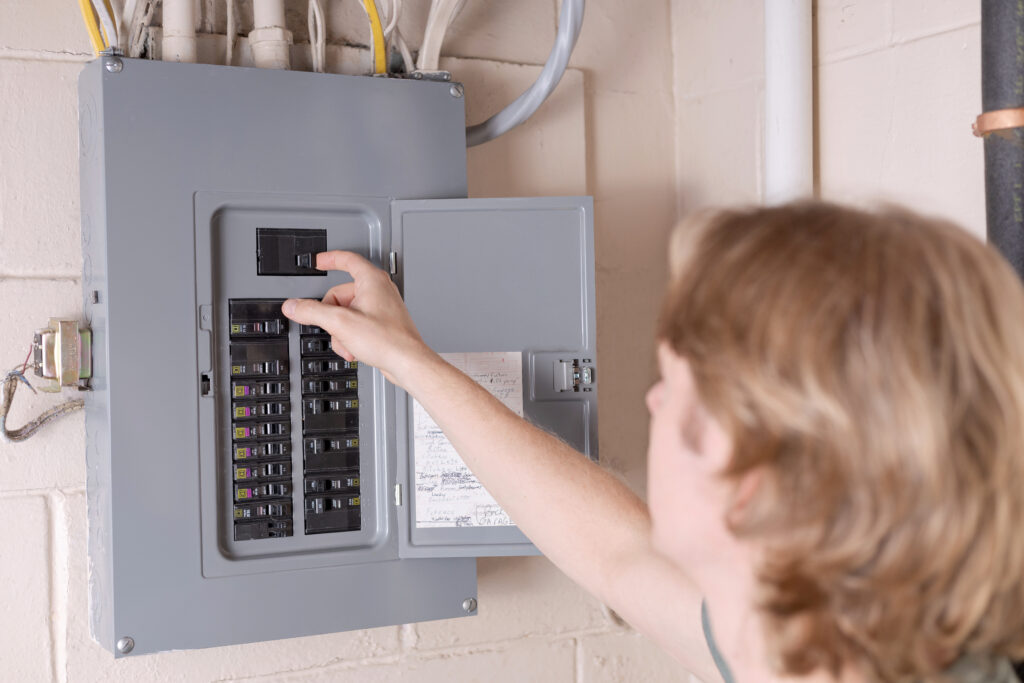
- Tripped circuit breaker — Electric heaters draw significant power, and a tripped breaker will cut power to the unit entirely.
- Thermostat failure — A malfunctioning thermostat may not signal the heating element or burner to activate, even when the water is cold.
- Sediment buildup — Mineral deposits settle at the bottom of the tank over time, reducing heating efficiency and in severe cases, blocking heat transfer altogether.
- Faulty dip tube — This component directs cold water to the bottom of the tank. A broken dip tube mixes cold water with the hot at the top, making it seem like the heater is not working.
The Role of the Thermostat and Heating Elements
If you have an electric water heater, the thermostat and heating elements deserve serious attention when troubleshooting. Most electric units have two thermostats — one upper and one lower — each paired with a corresponding heating element. The upper element and thermostat take priority. If the upper one fails, the lower one may never activate at all, meaning you will have little to no hot water even if half the system is functioning. Testing these components requires a multimeter and a basic understanding of electrical safety. When in doubt, a licensed plumber or appliance technician is always the right call.
Gas vs. Electric: Does It Change the Diagnosis?
Yes, the type of water heater you have changes where you start looking. Gas water heaters rely on a functioning pilot light, thermocouple, and gas valve. If the thermocouple — the safety device that detects whether the pilot is lit — malfunctions, it will shut off the gas supply even if everything else is working correctly. Electric water heaters, on the other hand, are more susceptible to electrical issues like tripped breakers, burned-out elements, and wiring problems. Both types share common failure points like sediment buildup and thermostat wear, but gas units carry the added consideration of combustion safety. If you ever smell gas near your water heater, leave the area immediately and contact your utility provider before attempting any inspection.

How Age and Maintenance Affect Water Heater Performance
The average storage water heater has a lifespan of eight to twelve years. Tankless units can last longer — sometimes up to twenty years with proper care — but no water heater is immune to wear. Sediment accumulation is one of the biggest threats to longevity and performance. Hard water areas, in particular, tend to accelerate mineral buildup inside the tank. Flushing the tank annually is one of the simplest ways to extend the unit’s life and maintain heating efficiency. Replacing the anode rod — the component that prevents tank corrosion — every few years is equally important. Skipping routine maintenance does not just reduce efficiency; it shortens the life of a unit that costs between $500 and $1,500 or more to replace.
When to Repair and When to Replace Your Water Heater
Not every no-hot-water situation means you need a brand-new unit. A burned-out heating element or a failed thermocouple are relatively affordable fixes when caught early. However, if your water heater is over ten years old, showing signs of rust or corrosion, or requiring repeated repairs, replacement is often the smarter long-term investment. The math shifts quickly when repair costs start approaching 50 percent of the cost of a new unit. Energy-efficient models available today — including heat pump water heaters and high-efficiency tankless systems — can also meaningfully reduce monthly utility bills, which helps offset the upfront replacement cost over time.
Practical Troubleshooting Steps Before Calling a Pro
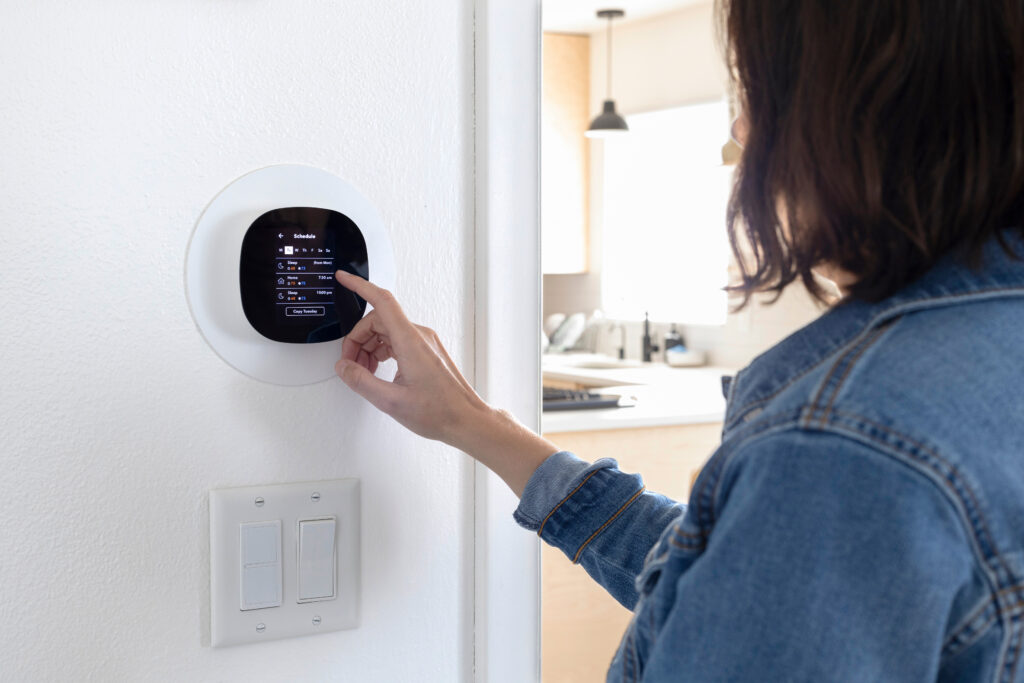
Before scheduling a service call, there are a few things worth checking on your own. Start by confirming the unit has power — check the breaker panel for electric heaters or verify the pilot light for gas models. Check the thermostat setting to make sure it has not been accidentally lowered. Listen for unusual sounds like rumbling or popping, which can indicate sediment buildup. Look for visible signs of water pooling around the base of the tank, which may point to a leak rather than a heating issue. None of these steps require advanced technical knowledge, and they can save you time and money by narrowing down the problem before a technician arrives.
What Homeowners Often Overlook About Water Heater Costs
The cost of a water heater repair or replacement rarely arrives at a convenient time. Emergency service calls outside regular business hours can drive labor costs significantly higher, and parts for older units are sometimes difficult to source quickly. What catches many homeowners off guard is not the price of any single repair, but the cumulative cost of water heater issues over the lifetime of homeownership. A unit that needs a new element one year, a thermostat the next, and ultimately full replacement a few years after that represents a meaningful financial burden — especially when combined with the other systems in a home that also require attention.
How a Home Warranty Can Protect You When Your Water Heater Stops Heating
This is where having the right coverage in place changes everything. A home warranty is designed specifically for moments like a water heater that fails to heat — covering the repair or replacement costs that standard homeowners insurance typically does not touch. Armadillo home warranty plans built for modern homeowners are structured to provide straightforward, no-nonsense coverage for exactly these kinds of essential home systems. When your water heater gives out, you should not be scrambling to find a contractor or stressing about an unexpected bill. With Armadillo, the process is simple: submit a claim, get connected with a qualified technician, and let the coverage do what it was designed to do. If you are ready to stop leaving one of your most-used home appliances unprotected, get a free home warranty quote that covers water heater repairs and more and see exactly what your home could be covered for today.

Frequently Asked Questions About Hot Water Heaters Not Heating Up
Here are answers to the questions homeowners ask most often when their water heater stops producing hot water.
Why is my hot water heater running but not heating the water?
The most likely causes are a failed heating element, a malfunctioning thermostat, or a tripped reset button. On gas units, a faulty thermocouple or extinguished pilot light can prevent the burner from firing even when the unit appears to be operating.
How do I know if my water heater thermostat is bad?
If your water heater is receiving power but the water remains cold or only slightly warm, the thermostat may not be sending the signal to activate the heating element or burner. A technician can test it with a multimeter to confirm whether it needs replacement.
Can sediment buildup cause a water heater to stop heating?
Yes. Heavy sediment accumulation at the bottom of the tank insulates the water from the heat source, dramatically reducing efficiency. In severe cases, it can prevent the unit from reaching the target temperature entirely. Annual flushing helps prevent this.
How long does it take for a water heater to heat up after running out of hot water?
Recovery time depends on the unit type and size. A standard electric water heater typically takes 60 to 80 minutes to fully reheat a tank. Gas water heaters generally recover faster, often within 30 to 40 minutes. Tankless units provide hot water immediately on demand.
Is it safe to use a water heater that is not heating properly?
In most cases, a water heater that fails to heat is a comfort issue rather than a safety hazard. However, gas water heaters with thermocouple or valve problems warrant immediate professional inspection to rule out any combustion or gas-related risks.
What is the average cost to repair a water heater that is not heating?
Repair costs vary by component and labor rates in your area. Replacing a heating element typically costs between $150 and $300. Thermostat replacements fall in a similar range. A thermocouple replacement on a gas unit is usually less expensive, often under $150 including labor.
How do I reset my water heater?
Most electric water heaters have a reset button located on the upper thermostat, behind the access panel. Press it firmly until you hear a click. If the unit trips repeatedly after resetting, there is an underlying issue that requires professional diagnosis rather than continued resets.
Does a home warranty cover water heater repairs?
Many home warranty plans cover water heater repairs and replacements, including issues caused by normal wear and tear. Coverage details vary by provider and plan, so it is important to review what components are included before assuming full coverage applies.
When should I replace my water heater instead of repairing it?
If your water heater is more than ten years old, has visible rust or corrosion, leaks from the tank body, or requires repairs that cost more than half the price of a replacement, replacing the unit is typically the more cost-effective decision long term.
Can I fix a hot water heater not heating on my own?
Some issues, like relighting a pilot light or resetting a tripped breaker, are safe for homeowners to address independently. More involved repairs, including replacing heating elements or working with gas components, are best left to a licensed professional to ensure safety and proper repair.