When the Hot Water Heater Pilot Won’t Light: What Every Homeowner Should Know
You turn on the shower, wait for the warm water that never comes, and realize something is off. You head to the utility closet, crouch down, and discover the pilot light on your water heater has gone out. It sounds simple enough to fix, but if your attempts to relight it keep failing, you are dealing with something more involved than a one-step solution. This article breaks down why that pilot refuses to cooperate, what the most common causes are, and how a home warranty factors into the repair or replacement process in a meaningful way.
How a Gas Water Heater Pilot Light Actually Works
Before troubleshooting anything, it helps to understand the basic mechanics. A traditional gas water heater uses a pilot light, which is a small, continuously burning flame, to ignite the main burner when the thermostat calls for heat. The pilot flame is kept alive by a steady trickle of gas flowing through a dedicated supply line. A component called the thermocouple sits right next to the pilot flame and acts as a safety sensor. When the flame is burning properly, the thermocouple generates a small electrical current that keeps the gas valve open. If the flame dies, that current stops, the gas valve closes, and gas flow shuts off as a safety measure. That is the system working exactly as intended. When the pilot will not light or stay lit, the issue is almost always somewhere in that chain of components.
Common Reasons a Water Heater Pilot Light Will Not Stay Lit
There is rarely just one explanation. Several different issues can cause this problem, and identifying the right one makes all the difference in how quickly it gets resolved. Here are the most frequent culprits homeowners encounter:
- A worn or faulty thermocouple that no longer generates enough voltage to hold the gas valve open
- A dirty or bent thermocouple that is not positioned correctly within the pilot flame
- A clogged pilot orifice that restricts gas flow and produces a weak or inconsistent flame
- A failing gas control valve that is not releasing gas to the pilot properly
- A draft or air current near the water heater that keeps blowing the flame out
- Low gas pressure at the supply line, sometimes related to issues elsewhere in the home
In many cases, the thermocouple is the first thing a technician will test and often the first thing they replace. It is a relatively inexpensive part, and the repair is straightforward when that is the only issue. When the gas valve itself is failing, the repair cost climbs considerably and sometimes crosses the line into replacement territory, particularly on older units.
Is This a DIY Fix or a Job for a Professional?
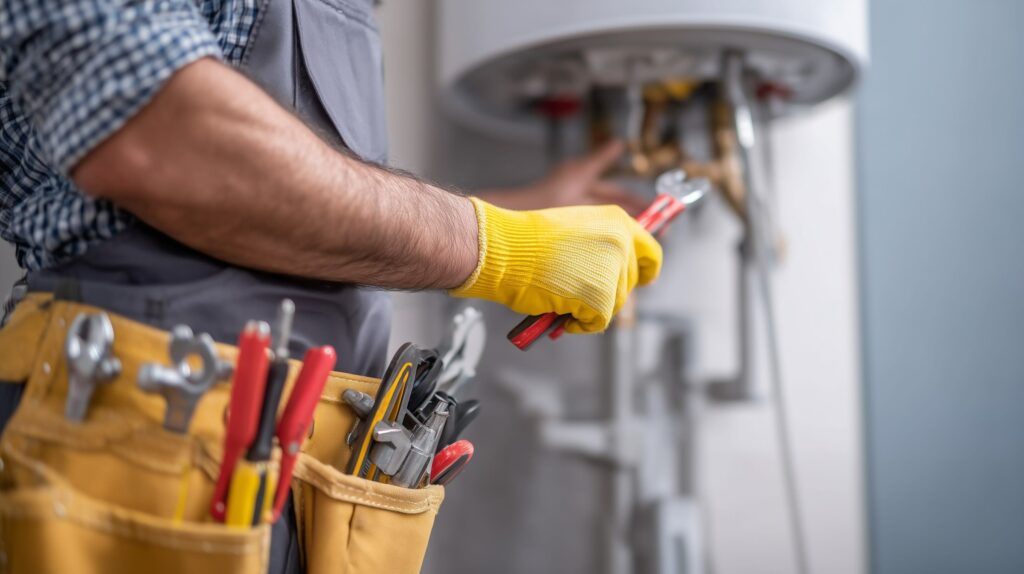
Homeowners often want to know whether they can handle this themselves. The honest answer is that relighting the pilot according to the manufacturer’s instructions is something most adults can do safely. The steps are usually printed right on the water heater. You hold the reset button, use a lighter or igniter, and wait. If the flame holds, problem solved. If it does not, that is where DIY confidence should take a step back. Testing a thermocouple, cleaning a pilot orifice, or diagnosing a gas control valve involves gas line components that carry real risk when mishandled. A licensed plumber or HVAC technician can run through the diagnosis efficiently and safely, and for anything beyond a simple relight, that is the recommended path.

What Does Water Heater Age Have to Do With It?
A lot, actually. Most conventional tank water heaters have a service life of somewhere between eight and twelve years, depending on the unit, the water quality in your area, and how well it has been maintained. If your water heater is pushing a decade or older and the pilot light is suddenly giving you trouble, the timing is worth noting. Older thermocouples degrade over time. Sediment builds up in tanks and creates inefficiency. Gas valves that have cycled thousands of times begin to wear. A single pilot light failure on a ten-year-old water heater might be the first indicator that the appliance is approaching the end of its reliable service window. A technician can give you an honest assessment of whether a repair makes financial sense or whether replacement is the smarter move.
The Role of Sediment and Maintenance in Pilot Light Problems
This part often surprises homeowners. Sediment accumulation inside the tank, which happens naturally as minerals in water settle over time, can affect burner performance in ways that indirectly contribute to pilot light issues. Heavy sediment buildup forces the burner to work harder, creates irregular heat distribution, and can cause the unit to overheat, trigger safety shutoffs, and disrupt the pilot system. Flushing the tank annually is one of the most effective and underutilized maintenance steps a homeowner can take. It extends appliance life, maintains efficiency, and reduces the likelihood of nuisance failures like a pilot that keeps going out.
Safety Considerations You Should Not Skip
If you approach your water heater and notice a strong smell of gas, do not attempt to relight the pilot. Leave the area, avoid using any switches or open flames, and contact your gas utility company immediately. That situation is different from a simple pilot outage and requires emergency response. For standard pilot relighting without any gas odor, the process is safe when followed correctly. Always refer to the label on your specific unit, as the procedure can vary slightly between manufacturers and models. If the pilot lights but goes out within sixty seconds of releasing the reset button, stop trying and call a technician. Repeated attempts without understanding the underlying cause will not resolve the issue and can occasionally make diagnosis harder.
How a Home Warranty Covers Water Heater Pilot and Ignition Issues
This is where home warranties become genuinely relevant, and understanding the distinction between what is covered and what is not matters before a problem occurs. Most quality home warranty plans cover the water heater as an appliance, including mechanical failures of internal components like the thermocouple, the gas valve, and the ignition system. When a pilot will not light due to a covered mechanical failure, the warranty typically dispatches a service technician, and the homeowner pays only a service call fee rather than the full cost of diagnosis and repair. What warranties generally do not cover includes failures caused by lack of maintenance, pre-existing conditions, or physical damage. That is why keeping a record of any annual maintenance you perform on the unit is a smart habit. It documents that you held up your end of responsible homeownership.
Repair Costs Versus Replacement: Knowing When to Make the Call
Thermocouple replacement typically runs between one hundred fifty and three hundred dollars with labor. A gas control valve replacement can range from three hundred to six hundred dollars or more depending on the unit. A full water heater replacement, depending on tank size and installation complexity, can run anywhere from eight hundred to over fifteen hundred dollars. When you are looking at a repair that costs more than half the value of a replacement unit, most professionals suggest putting that money toward a new appliance. A home warranty with water heater coverage can significantly change that math, covering eligible repairs and sometimes contributing toward replacement costs when the unit is deemed non-repairable. It is the kind of financial cushion that makes an unexpected cold shower a manageable inconvenience rather than a budget emergency.
Why Armadillo Is the Right Partner When Your Water Heater Gives Out
When a pilot light issue turns into a larger repair or an outright water heater failure, having a reliable home warranty in your corner changes the entire experience. Armadillo home warranty coverage for water heaters and essential home systems is built around transparency, reasonable pricing, and a claims process that does not feel like an obstacle course. Armadillo covers the mechanical components that matter, connects homeowners with qualified service professionals, and keeps the language of coverage clear so you know what to expect before anything goes wrong. If you have been putting off protecting one of the most-used appliances in your home, now is the right time to take a look. You can get a home warranty quote that covers water heater repairs and pilot light failures in just a few minutes and find a plan that fits your home and your budget without unnecessary complexity.

Frequently Asked Questions About Water Heater Pilot Light Problems
Answers to the questions homeowners ask most often when the hot water heater pilot will not light.
Why does my water heater pilot light keep going out?
The most common reason is a faulty or worn thermocouple that is no longer generating enough voltage to hold the gas valve open. A dirty pilot orifice, drafts near the unit, or a failing gas valve can also cause repeated pilot outages.
Can I relight the pilot light myself?
Yes, relighting the pilot according to the instructions printed on your water heater is generally safe for most homeowners. If the pilot will not stay lit after a few attempts, stop and contact a licensed technician to diagnose the underlying cause.
How long does a thermocouple last on a water heater?
A thermocouple typically lasts between five and ten years, though this varies depending on the unit and operating conditions. If your water heater is older and the pilot keeps going out, the thermocouple is the first component worth testing.
Is a water heater pilot light covered under a home warranty?
Most home warranty plans that include water heater coverage will cover mechanical failures related to the ignition system, thermocouple, and gas valve. Coverage specifics vary by plan, so reviewing your contract terms is always recommended.
What does it cost to fix a water heater pilot light that will not stay lit?
Thermocouple replacement typically costs between one hundred fifty and three hundred dollars with labor. Gas valve replacements can run three hundred to six hundred dollars. A home warranty can significantly reduce or eliminate those out-of-pocket costs for covered repairs.
How do I know if my gas valve is causing the pilot to fail?
If the thermocouple tests as functional but the pilot still will not hold, a faulty gas control valve is the likely culprit. This diagnosis requires a technician with the proper tools to test gas pressure and valve operation safely.
Should I smell gas if my pilot light is out?
No. If the safety system is working correctly, the gas valve closes when the pilot goes out, which means no gas should be escaping. A strong smell of gas near your water heater is a serious safety concern that requires immediate evacuation and a call to your gas utility provider.
How often should I have my water heater serviced?
Annual maintenance, including flushing the tank to remove sediment and inspecting the anode rod and pilot system, is the standard recommendation. Regular maintenance extends appliance life and helps prevent pilot light issues from developing.
At what age should I replace my water heater instead of repairing it?
Most conventional tank water heaters have a reliable service life of eight to twelve years. If your unit is approaching or past that range and facing a significant repair, replacement is often the more cost-effective long-term decision.
Does a home warranty cover full water heater replacement?
Some home warranty plans include replacement coverage when a covered water heater is deemed non-repairable. The specifics depend on your plan, coverage limits, and the age and condition of the unit. Reviewing your policy terms before a failure occurs will give you a clear picture of what to expect.