What Is a Hot Water Heater and Why Does It Matter More Than You Think?
Most homeowners do not think about their water heater until something goes wrong. And when something does go wrong, it tends to go wrong at the worst possible time — early morning, middle of winter, right before guests arrive. That is just how it works. The water heater is one of those essential home systems that quietly does its job every single day, heating somewhere between 40 and 80 gallons of water on demand, and asking for nothing in return. Until it does. Understanding how this appliance works, what can go wrong, and how to protect yourself financially is genuinely worth your time.
How a Hot Water Heater Actually Works
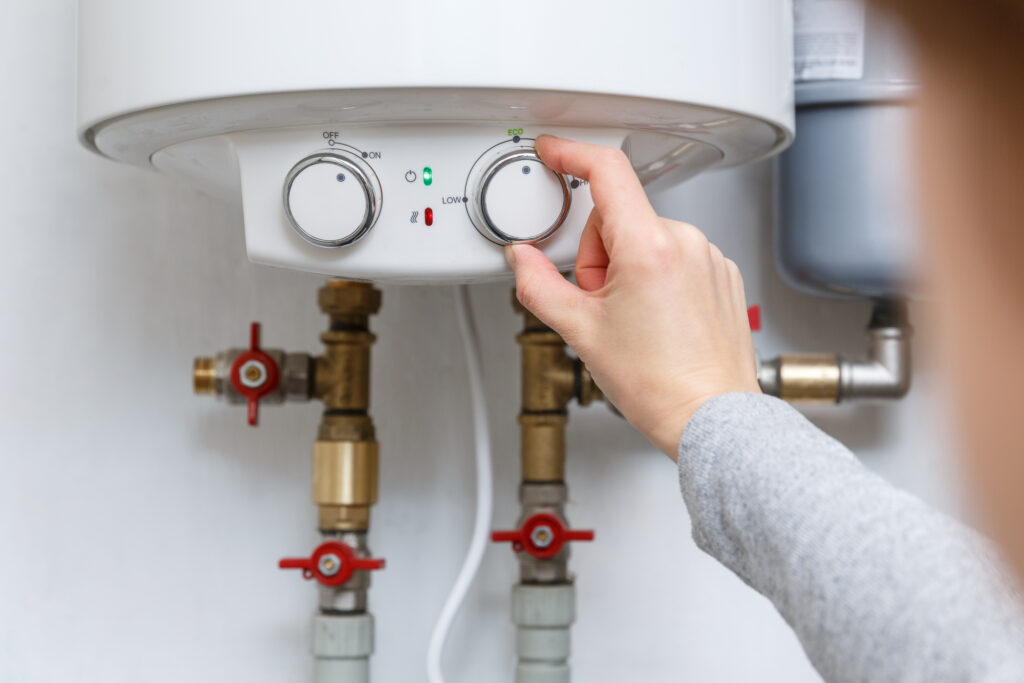
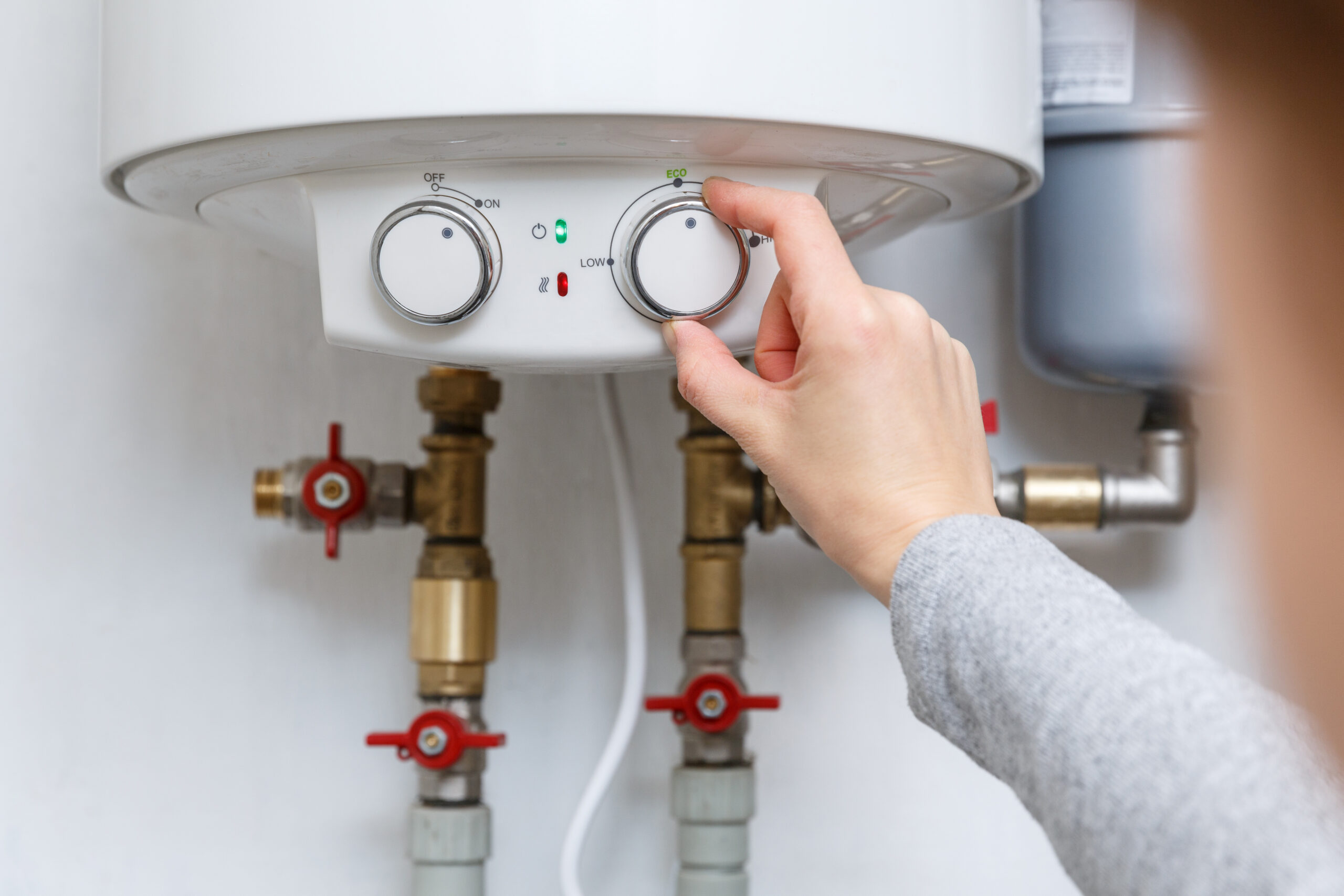
There are a few different types of water heaters, but the most common in American homes is the traditional tank-style water heater. Cold water enters the tank through a supply line, and a heating element — either gas-powered or electric — warms the water to a set temperature, typically around 120 degrees Fahrenheit. The hot water sits in the insulated tank until you turn on a faucet or appliance that needs it. A thermostat regulates the temperature. A pressure relief valve acts as a safety mechanism to prevent dangerous pressure buildup. The system is not complicated, but it has enough components that any one of them can fail and disrupt the whole operation. Tankless water heaters, on the other hand, heat water on demand as it passes through the unit, which is a different approach with its own advantages and limitations.
The Most Common Hot Water Heater Problems Homeowners Face
Water heater issues tend to fall into a few predictable categories, and recognizing them early can make a real difference in terms of repair costs and damage prevention. Here are the problems that show up most often:
- No hot water at all, which often points to a failed heating element, a tripped circuit breaker, or a faulty thermostat
- Lukewarm water that never quite gets hot enough, typically a sign of a struggling heating element or an undersized unit
- Rusty or discolored water coming from hot taps, which can indicate corrosion inside the tank or a failing anode rod
- Strange sounds like popping, rumbling, or banging, often caused by sediment buildup at the bottom of the tank
- Water pooling around the base of the unit, which is never a good sign and usually means a leak or a failing pressure relief valve
- A rotten egg smell, which in gas water heaters can be related to the anode rod reacting with sulfur in the water
Sediment buildup is particularly worth calling out. Over time, minerals from hard water settle at the bottom of the tank. That layer insulates the water from the heating element, forces the system to work harder, and shortens the overall lifespan of the unit. Flushing the tank annually is one of the simplest maintenance steps a homeowner can take.
Tank vs. Tankless: Understanding Your Options
The debate between tank and tankless water heaters is one that comes up constantly in home improvement conversations, and both sides have legitimate arguments. Traditional tank heaters are less expensive upfront, easier to install, and work reliably for 8 to 12 years on average. The downside is that they continuously heat water whether you need it or not, which adds to your energy bill. Tankless units are more energy-efficient because they only activate when there is demand, and they can last 20 years or more with proper maintenance. However, they cost significantly more to purchase and install, and in larger households with multiple simultaneous demands, they can struggle to keep up. Neither option is universally better — it really depends on your household size, budget, and long-term plans for the home.

Key Signs It Is Time to Replace Your Water Heater
Repairs are not always the answer. At some point, continuing to patch an aging water heater stops making financial sense, and replacement becomes the smarter investment. A unit that is more than 10 years old and starting to show signs of corrosion or recurring mechanical problems is probably approaching the end of its useful life. If you notice rust-colored water consistently coming from hot taps, if the tank is visibly leaking from the body rather than a connection point, or if your repair bills are stacking up with no end in sight, those are signals worth taking seriously. Replacement can feel like an expensive decision in the moment, but an unexpected flood from a failed tank tends to cost far more than a planned installation.
How to Extend the Life of Your Hot Water Heater
Routine maintenance goes a long way. Most homeowners skip it entirely, which is understandable — water heaters are not the most exciting home system to think about. But a few simple habits can meaningfully extend the life of the unit and prevent costly repairs down the line. Flushing the tank once a year removes sediment buildup. Testing the pressure relief valve periodically ensures that safety mechanism is functioning properly. Checking the anode rod every two to three years and replacing it when it is significantly depleted protects the interior of the tank from corrosion. Keeping the thermostat set at 120 degrees Fahrenheit is both safe and efficient. These are not complicated tasks, but they make a real difference over the lifetime of the appliance.
What a Hot Water Heater Repair or Replacement Actually Costs
Costs vary quite a bit depending on the type of unit, the nature of the problem, and where you live. A straightforward thermostat replacement might run between $150 and $300 including labor. A heating element replacement is in a similar range. A new anode rod is relatively inexpensive. But a full water heater replacement is a different story. Traditional tank units typically cost between $900 and $1,800 installed, depending on the size and fuel type. Tankless units can run anywhere from $1,500 to $3,500 or more once installation is factored in. Emergency service calls and after-hours labor add to those numbers quickly. That financial unpredictability is one of the primary reasons homeowners turn to home warranty coverage.
Understanding What a Home Warranty Covers for Water Heaters
A home warranty is a service contract that covers the repair or replacement of major home systems and appliances when they fail due to normal wear and tear. Water heaters are among the most commonly covered items under a standard home warranty plan. When a covered component fails, the homeowner places a service request, pays a trade service fee, and the warranty provider coordinates a qualified technician to diagnose and address the problem. This structure turns an unpredictable and potentially large expense into a manageable, predictable cost. It is worth reading the specifics of any plan carefully, because coverage terms vary — some plans cover both tank and tankless units, while others may have limitations based on age, capacity, or installation type.
Why Armadillo Is Worth a Serious Look for Water Heater Protection
When your water heater fails, the last thing you want to spend time doing is scrambling to find a reliable technician, negotiating repair costs, and hoping the work holds up. That is exactly the kind of stress that Armadillo home warranty coverage for major systems and appliances is designed to eliminate. Armadillo offers straightforward, transparent plans that cover water heater repairs and replacements without the fine print surprises that have given the home warranty industry a complicated reputation. The service is built around the homeowner experience — fast claim processing, vetted technicians, and coverage that actually makes sense for real life. If you want to stop worrying about what the next water heater breakdown is going to cost you, you can get a personalized home warranty quote for water heater and system protection in just a few minutes. It is a genuinely smart financial decision, especially for homeowners with aging units or older homes where system failures are not a matter of if but when.

Frequently Asked Questions About Hot Water Heaters
Here are answers to the questions homeowners ask most often when it comes to understanding, maintaining, and protecting their hot water heater.
How long does a typical hot water heater last?
A traditional tank water heater typically lasts between 8 and 12 years with average use and basic maintenance. Tankless water heaters tend to last significantly longer, often 20 years or more, provided they receive proper care and periodic servicing.
What temperature should I set my hot water heater to?
The U.S. Department of Energy recommends setting your water heater thermostat to 120 degrees Fahrenheit. This temperature is hot enough for daily use, reduces the risk of scalding, and helps minimize energy consumption and mineral buildup.
Why is my hot water heater making a popping or rumbling noise?
Popping and rumbling sounds are almost always caused by sediment buildup at the bottom of the tank. As the heating element warms the water, it forces heat through the sediment layer, creating those noises. Flushing the tank can resolve the issue and improve efficiency.
Is it normal for a water heater to run out of hot water quickly?
Not if the unit is properly sized for your household. Running out of hot water quickly often indicates a failing heating element, significant sediment buildup, or a tank that is simply too small for current demand. A technician can assess which factor is at play.
Does a home warranty cover water heater replacement?
Many home warranty plans do cover water heater replacement when the unit fails due to normal wear and tear. Coverage details vary by provider and plan, so it is important to review what is included, any limits on tank capacity, and whether both tank and tankless units are covered.
How often should I flush my hot water heater?
Most plumbing professionals recommend flushing your water heater tank at least once per year to remove sediment. If you live in an area with particularly hard water, flushing every six months may be beneficial to maintain efficiency and extend the life of the unit.
What is an anode rod and why does it matter?
An anode rod is a metal rod, typically made of magnesium or aluminum, that runs through the center of the water heater tank. It attracts corrosive elements in the water, sacrificing itself to protect the tank lining from rust. Replacing a depleted anode rod every two to three years can significantly extend the life of your water heater.
Can I repair my water heater myself?
Some minor tasks, like adjusting the thermostat or relighting a pilot light, can be handled by a capable homeowner. However, repairs involving the pressure relief valve, gas connections, or internal electrical components should always be handled by a licensed professional to avoid safety hazards.
What causes rusty water from my hot water tap?
Rust-colored water from hot taps usually points to corrosion inside the water heater tank or a deteriorated anode rod. In some cases, it can also indicate corroded supply pipes. If only the hot water is discolored, the water heater is the likely source and should be inspected promptly.
When should I replace rather than repair my water heater?
If your unit is more than 10 years old, showing signs of tank corrosion, leaking from the tank body, or requiring frequent repairs, replacement is typically the more cost-effective decision. Ongoing repair costs on an aging unit rarely justify the investment compared to the reliability of a new installation.