When the Hot Water Stops: What Every Homeowner Needs to Know
There are few household inconveniences as immediately frustrating as turning on the faucet and realizing the hot water is gone. No warning, no countdown, just cold. Whether it hits you mid-shower or while doing the dishes after a long day, the experience is jarring. The good news is that understanding your water heater — how it works, what can go wrong, and how to protect yourself when it does — puts you in a much better position as a homeowner. This is not as complicated as it might seem, and a little knowledge goes a long way.
Understanding Your Water Heater: The Basics
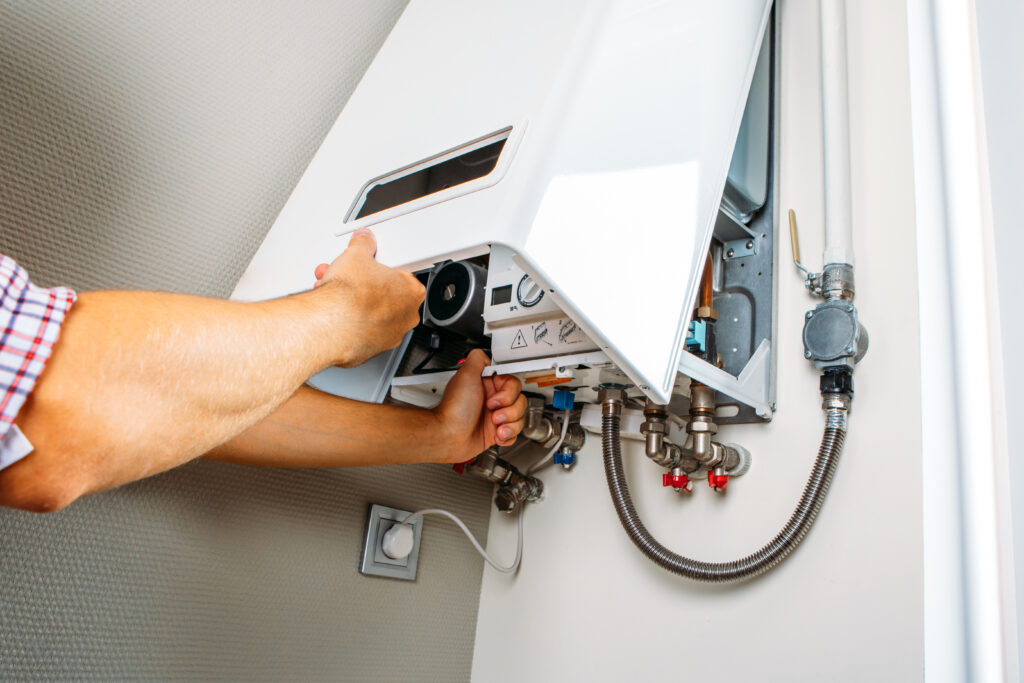
Most homes in the United States rely on one of two types of water heaters: traditional tank water heaters or tankless water heaters. Traditional units store a set volume of heated water — typically between 30 and 80 gallons — and keep it warm continuously. Tankless units, sometimes called on-demand heaters, heat water as it flows through the system rather than storing it. Both types can run on natural gas, propane, or electricity, and both serve the same fundamental purpose: providing consistent hot water throughout your home. The differences come down to efficiency, upfront cost, and what happens when something breaks.
Common Reasons Your Hot Water Stops Working
The causes of a hot water failure vary depending on your system, but several culprits show up time and again across both tank and tankless models. Knowing what to look for can help you communicate clearly with a technician and understand the scope of the repair before anyone even sets foot in your home.
- A failed heating element is one of the most frequent causes in electric water heaters, and it typically results in lukewarm or completely cold water.
- A malfunctioning thermostat can prevent the unit from reaching or maintaining the correct temperature.
- Sediment buildup inside the tank reduces efficiency and, over time, can cause the unit to stop heating effectively altogether.
- A faulty pilot light or igniter on gas-powered units is another common issue that leaves homeowners without hot water until it is relit or repaired.
- A tripped circuit breaker or a blown fuse can cut power to an electric water heater entirely, making it appear like a major failure when the fix is straightforward.
- On tankless systems, flow sensors, heat exchangers, and venting issues are frequent culprits.
How to Troubleshoot Before Calling a Pro
Before picking up the phone to schedule a service call, it is worth running through a few quick checks. For electric water heaters, confirm the unit is receiving power by checking the breaker panel. For gas units, verify the pilot light is lit and the gas supply valve is open. Check the thermostat setting on your water heater — the Department of Energy recommends 120 degrees Fahrenheit for most households. If the unit is making unusual noises like popping or rumbling, sediment buildup is likely the cause. These checks do not replace professional diagnosis, but they can save you time and potentially money if the issue turns out to be something minor.
The Lifespan of a Water Heater and When to Expect Trouble
Traditional tank water heaters typically last between 8 and 12 years, while tankless models often reach 15 to 20 years with proper maintenance. Age is one of the strongest predictors of failure. If your unit is approaching or past that range and starting to show signs of strain — inconsistent temperatures, discolored water, visible rust, or pooling moisture near the base — replacement is likely on the horizon. Understanding where your unit falls in its lifecycle helps you plan instead of react, which is always the more comfortable position to be in as a homeowner.

Key Advantages of Understanding Your Water Heating System
Homeowners who take the time to understand their water heater tend to catch problems earlier, make smarter decisions about repairs versus replacements, and budget more effectively for maintenance. Annual flushing of a tank water heater, for instance, removes sediment and extends the unit’s lifespan noticeably. Inspecting the anode rod — the component inside the tank that prevents corrosion — every two to three years can be the difference between a heater that lasts a decade and one that fails at year six. Small investments in maintenance yield significant returns in system longevity.
The Real Cost of a Water Heater Repair or Replacement
Repair costs for water heaters vary widely depending on the issue. A thermostat replacement might run between $150 and $300, while a heating element swap is in a similar range. Replacing a traditional tank unit, however, can cost anywhere from $900 to over $2,000 when factoring in the unit and installation. Tankless water heater installations often run higher, sometimes reaching $3,000 or more. These are not small numbers, and they tend to arrive without much warning. A unit rarely announces its impending failure with enough lead time to save up for it, which is part of what makes the unexpected cost sting as much as the cold shower did.
What a Home Warranty Actually Covers When Hot Water Fails
A home warranty is a service contract that covers the repair or replacement of home systems and appliances when they break down due to normal wear and tear. Water heaters are among the most commonly covered items under home warranty plans, and for good reason. When a covered component fails — such as the thermostat, heating element, or control valve — the warranty provider coordinates a service call and covers the associated cost, subject to your plan’s terms. It is worth reading the fine print carefully: coverage limits, exclusions for pre-existing conditions, and caps on replacement costs can all affect how much financial protection the plan actually delivers when you need it.
Drawbacks to Keep in Mind With Water Heater Coverage
Home warranty plans are not without their limitations, and water heater coverage is no exception. Some plans exclude certain components or cap replacement reimbursements below the actual cost of a new unit. There may also be service call fees each time a technician is dispatched, which add up over time. Additionally, coverage typically does not extend to issues caused by improper installation, lack of maintenance, or code violations. Understanding these boundaries upfront helps homeowners use their warranty effectively rather than being caught off guard by a denied claim.
Why Armadillo Is the Right Partner When Your Hot Water Fails
When your water heater stops working, the last thing you want to navigate is a confusing claims process or an unhelpful customer service team. That is where Armadillo stands apart. Armadillo offers straightforward home warranty coverage designed with real homeowners in mind — no runaround, no unnecessary complexity. As a trusted provider of home warranty plans that cover water heaters and essential home systems, Armadillo focuses on making the experience as painless as the breakdown is stressful. When a covered component in your water heater fails, Armadillo connects you with qualified service professionals and handles the coordination so you are not left scrambling. If you are ready to stop leaving a critical home system unprotected, take a moment to get a free home warranty quote for water heater and system coverage and see exactly what a plan looks like for your home. It takes minutes, and the peace of mind is worth far more than that.

Frequently Asked Questions About Hot Water Issues and Home Warranty Coverage
These are the questions homeowners ask most often when their hot water stops working and they are trying to figure out their next move.
Why did my hot water suddenly stop working?
The most common causes include a tripped circuit breaker, a failed heating element, a faulty thermostat, a burnt-out pilot light on gas units, or a malfunctioning temperature and pressure relief valve. Starting with a breaker check and then moving to the water heater itself is the recommended first step.
How long does it take for hot water to come back after a water heater reset?
After resetting an electric water heater, it typically takes between 30 minutes and two hours to fully reheat the tank, depending on tank size and the incoming water temperature. Gas water heaters generally recover faster, often within 30 to 45 minutes.
Does a home warranty cover water heater replacement?
Many home warranty plans cover water heater repair and replacement when the failure results from normal wear and tear. Coverage limits and component exclusions vary by provider and plan, so reviewing your specific contract terms is essential before assuming full replacement is included.
What is the average lifespan of a home water heater?
Traditional tank water heaters typically last 8 to 12 years. Tankless water heaters tend to last longer, often between 15 and 20 years. Regular maintenance, including annual flushing and anode rod inspection, extends the lifespan of both types.
Can sediment buildup cause a water heater to stop producing hot water?
Yes. Sediment accumulates at the bottom of the tank over time and insulates the water from the heating element, reducing efficiency significantly. In advanced cases, it can cause the unit to overheat, triggering safety shutoffs and resulting in no hot water at all.
Is it worth repairing an old water heater or should I replace it?
If the unit is within the first half of its expected lifespan and the repair cost is below 50 percent of the replacement cost, repair is often the practical choice. If the unit is aging and repairs are becoming frequent, replacement is usually the more cost-effective long-term decision.
What is the recommended temperature setting for a home water heater?
The U.S. Department of Energy recommends setting your water heater thermostat to 120 degrees Fahrenheit. This temperature is hot enough to meet household needs while reducing energy consumption and minimizing the risk of scalding.
Will a home warranty cover my tankless water heater?
Some home warranty providers cover tankless water heaters, but coverage is not universal. It depends on the provider and the specific plan. Confirming whether a plan covers your water heater type and the specific components within it before purchasing is an important step.
How do I know if my water heater needs to be replaced rather than repaired?
Key signs include the unit being past its expected lifespan, rust-colored water coming from hot taps, visible corrosion on the tank, pooling water around the base, or a pattern of increasing repairs. Any of these signals warrants a professional assessment.
What should I do immediately when I have no hot water?
Check the circuit breaker or fuse for electric units and the pilot light for gas units. Confirm the thermostat is set correctly and the water supply valve is open. If those checks reveal nothing obvious, contact a licensed plumber or water heater technician for a proper diagnosis.