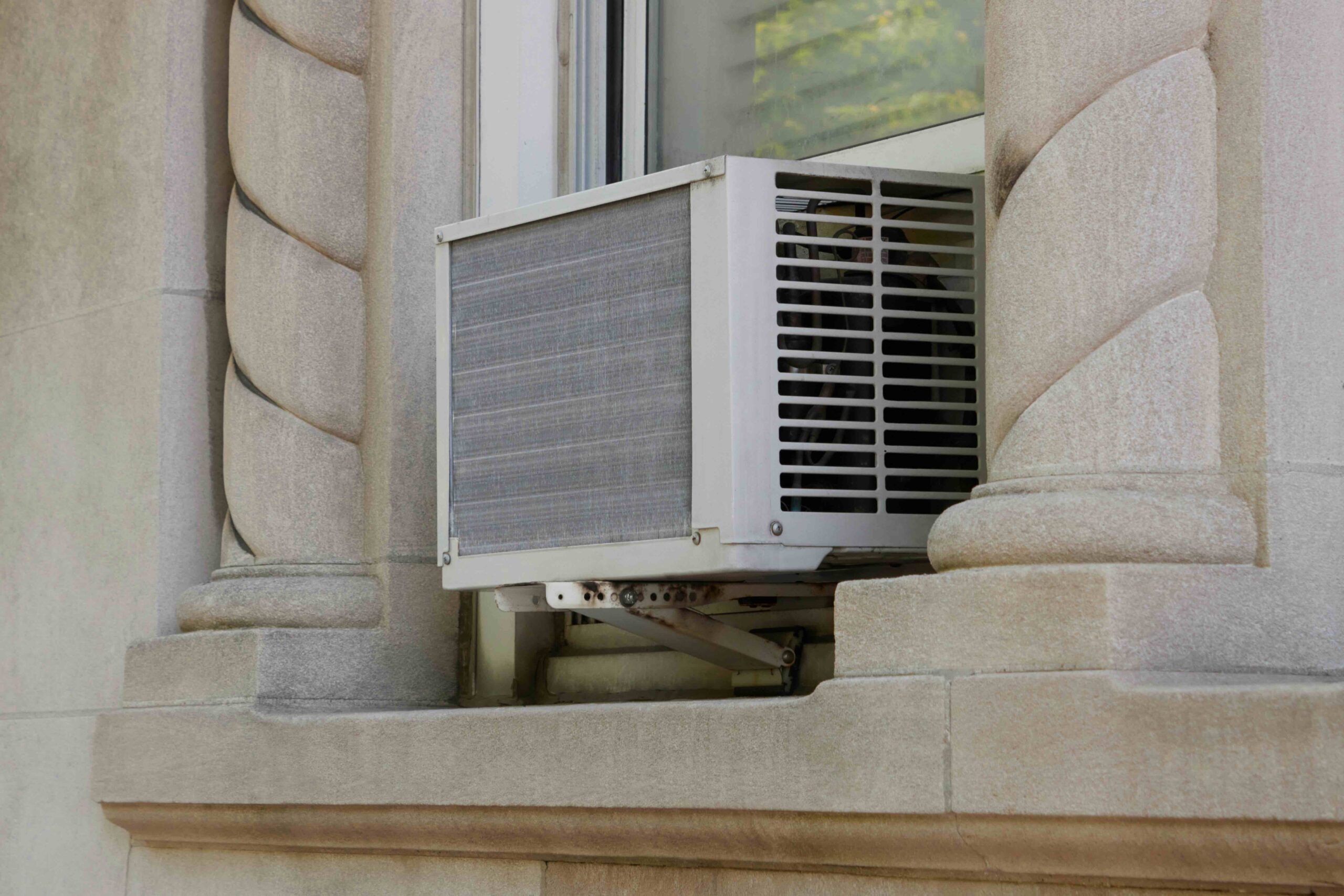
What Is a Window Air Conditioner and Why Do So Many Homeowners Rely on One
If you have ever rented an apartment, stayed in an older home, or tried to cool a room that your central system just cannot seem to reach, you have almost certainly encountered a window air conditioner. These compact, self-contained units have been a staple of American home cooling for decades, and for good reason. They are relatively affordable, surprisingly effective, and do not require the kind of professional installation that a full HVAC system demands. But how does a window unit air conditioner actually work, and what should homeowners understand before buying one, relying on one, or trying to maintain one? That is exactly what this article is here to cover.
The Basic Science Behind How a Window Unit Air Conditioner Works
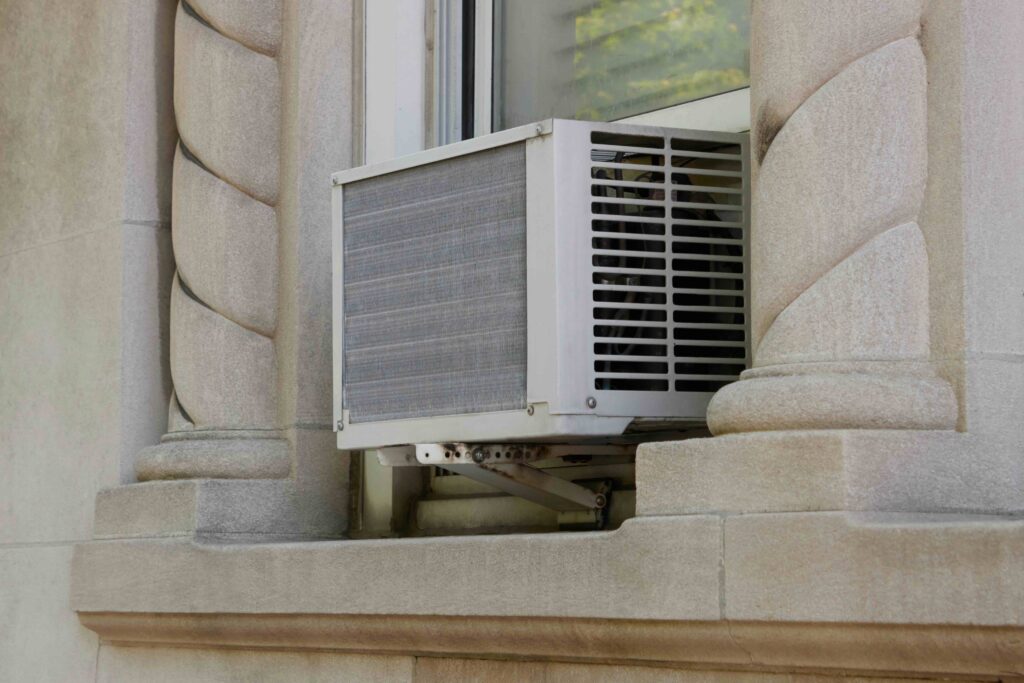
At its core, a window air conditioner operates on the same refrigeration cycle that powers your central air system, your refrigerator, and most other cooling appliances in your home. It just does all of it in one tidy box mounted in your window. The unit pulls warm indoor air across an evaporator coil that contains refrigerant. That refrigerant absorbs the heat from the air, which cools the air down. The refrigerant then carries that heat to the condenser coil on the outdoor-facing side of the unit, where a fan exhausts it outside. The cooled air is then blown back into your room. Moisture is also removed from the air during this process, which is why window units help with humidity in addition to temperature. It is a closed-loop system, meaning the refrigerant cycles continuously without being used up.
The Key Components Inside a Window Air Conditioner
Understanding the parts of a window unit helps homeowners recognize what can go wrong and what to watch for when something seems off. Here is a breakdown of the main components:
- Evaporator coil: Located on the indoor side, this is where warm air is cooled and moisture is removed.
- Condenser coil: Located on the outdoor side, this is where absorbed heat is expelled outside.
- Compressor: The heart of the system, it pressurizes the refrigerant to keep the cooling cycle moving.
- Fan and blower: These circulate indoor air across the evaporator coil and push hot air out through the condenser.
- Thermostat and controls: These regulate the temperature settings and control unit cycling.
- Air filter: Captures dust and debris to keep airflow clean and the coils from getting clogged.
- Drainage system: Removes condensation collected during the cooling process.
Each of these components has to work in coordination. When one fails, the whole system tends to feel the strain, which is why regular maintenance matters more than most homeowners realize.
Advantages of Using a Window Air Conditioner in Your Home
There are real, practical reasons why window units remain so popular despite the widespread availability of central air systems. For one, the upfront cost is dramatically lower. A quality window unit can be purchased for a few hundred dollars and installed in under an hour without a contractor. They are also energy-efficient in specific use cases, particularly when you only need to cool one or two rooms rather than an entire home. Running a window unit in the room you actually occupy instead of cooling your whole house with central air can lead to meaningful savings on your energy bill. They are also portable in the sense that they can be removed and stored in the offseason, and they do not require ductwork, which makes them ideal for older homes or room additions that were never connected to the main system.
Common Drawbacks and Limitations to Know Before You Buy
Window units are not without their frustrations. The most common complaint is noise. The compressor and fans create a persistent hum that some people find tolerable and others find genuinely disruptive. They also partially block the window they are installed in, which affects light and visibility. From a security standpoint, a window that is permanently propped open by an appliance introduces a potential vulnerability if the unit is not properly secured. Window units are also not ideal for large open floor plans or spaces with high ceilings, as their cooling capacity is limited by BTU rating and designed for defined square footage. And while they are cheaper upfront, they can be less energy-efficient than modern central systems when cooling large areas, potentially driving up electricity costs if used excessively or in the wrong application.

How to Choose the Right Window Air Conditioner for Your Space
Selecting the right unit starts with BTUs, which stands for British Thermal Units and measures cooling capacity. A unit that is too small will run constantly and never adequately cool the room. A unit that is too large will cool the space quickly but cycle off before removing enough humidity, leaving the air feeling clammy. As a general guideline, a 150-square-foot room needs around 5,000 BTUs, while a 350-square-foot room calls for roughly 8,000 BTUs. Beyond BTUs, look at the Energy Efficiency Ratio, or EER, which tells you how efficiently the unit converts electricity into cooling. A higher EER means lower operating costs. You should also consider the unit’s noise rating if sound sensitivity is a concern, and make sure the unit is compatible with your window type and electrical outlet.
Window Air Conditioner Maintenance Tips Every Homeowner Should Know
Maintenance is genuinely straightforward with window units, and staying on top of it extends the life of the appliance considerably. Clean or replace the air filter every two to four weeks during heavy use. A clogged filter restricts airflow and forces the unit to work harder, which increases wear on the compressor. Clean the evaporator and condenser coils once a season using a soft brush or coil cleaner spray. Make sure the drainage hole or tray is clear so condensation can exit properly. When removing the unit for winter storage, clean it thoroughly and store it in a dry location. When reinstalling in spring, inspect the unit for any signs of rust, mold, or physical damage before powering it on.
When a Window Unit Stops Working and What It Usually Means
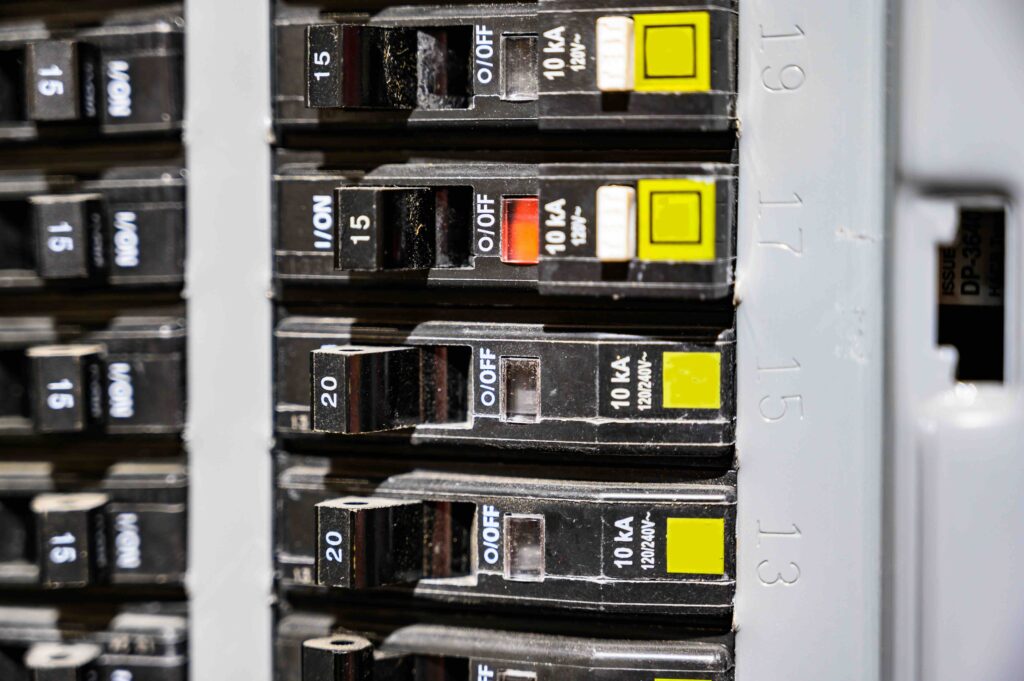
Window units do fail, and understanding common failure points helps homeowners respond quickly and decide whether repair or replacement makes more sense. If the unit runs but does not cool, the refrigerant may be low, or the coils may be frozen or dirty. If the unit does not turn on at all, the issue could be the thermostat, a tripped circuit breaker, or a failed compressor. Compressor failure is typically the most expensive repair and often makes replacement more economical depending on the age of the unit. Units typically last eight to twelve years with proper care. If yours is approaching that range and showing signs of strain, replacing it proactively is often smarter than waiting for a complete breakdown in the middle of a heat wave.
How Window Air Conditioners Fit Into the Bigger Picture of Home System Coverage
Here is something that does not get discussed enough: window air conditioners, like all home appliances and systems, represent a financial risk when they fail unexpectedly. A replacement unit might only cost a few hundred dollars, but if you are relying on multiple units throughout your home, or if a failure happens at the worst possible time, the cost adds up. This is where understanding your home warranty coverage becomes genuinely important. Many homeowners assume their homeowners insurance covers appliance breakdowns, and it typically does not. Homeowners insurance covers damage from specific events like fire or flooding. Appliance and system breakdowns due to normal wear and tear are an entirely different category, and that is exactly what a home warranty is designed to address.
Why Armadillo Is Worth Considering for Window AC and Home Appliance Protection
When a window unit fails, the last thing you want is to navigate repair costs alone, especially when the breakdown happens during peak summer heat. That is where having the right home warranty provider makes a genuine difference. Armadillo home warranty coverage for cooling systems and appliances is built around transparency, straightforward claims, and real support when homeowners need it most. There are no confusing exclusion lists designed to deny claims at the last minute, and coverage options are designed to reflect how real people actually use their homes. If you rely on window air conditioners as part of your home cooling strategy and want to make sure you are not left absorbing unexpected repair or replacement costs out of pocket, now is the right time to take a closer look at your options. You can get a free home warranty quote for window AC and home appliance protection in just a few minutes and see exactly what a plan would cost and cover for your specific situation. Protecting your home does not have to be complicated, and with Armadillo, it genuinely is not.

Frequently Asked Questions About Window Air Conditioners
How does a window air conditioner cool a room?
A window air conditioner cools a room by pulling warm indoor air across a refrigerant-filled evaporator coil, which absorbs the heat and moisture from the air. The cooled air is then blown back into the room while the absorbed heat is expelled outside through the condenser coil.
How long does a window air conditioner typically last?
With proper maintenance, a window air conditioner typically lasts between eight and twelve years. Units that are cleaned regularly, used within their designed capacity, and stored properly during the offseason tend to reach the higher end of that range.
What size window air conditioner do I need for my room?
The size you need depends on the square footage of the space. A room around 150 square feet generally requires a unit with 5,000 BTUs, while larger rooms up to 350 square feet will need approximately 8,000 BTUs. Always match the BTU rating to the room size for best efficiency.
Why is my window air conditioner running but not cooling?
If your unit is running but not producing cold air, the most common causes are a dirty air filter restricting airflow, frozen evaporator coils, low refrigerant, or a failing compressor. Start by checking and cleaning the filter, then inspect the coils for ice buildup.
Does a window air conditioner also reduce humidity?
Yes. As warm air passes over the evaporator coil, moisture condenses out of the air in addition to heat being removed. This makes window units effective at reducing indoor humidity levels, which contributes to a more comfortable environment beyond just temperature reduction.
Is it safe to leave a window air conditioner running all day?
Modern window units are designed to run for extended periods and have built-in thermostats that cycle the compressor off once the set temperature is reached. Running the unit continuously is generally safe as long as the filter is clean, the unit is properly sized, and the electrical circuit can handle the load.
Does a home warranty cover window air conditioners?
Coverage varies by provider and plan. Some home warranty plans include window air conditioners under appliance or cooling system coverage, while others may exclude them or offer them as an add-on. It is important to review your specific plan terms and ask your provider directly about window unit coverage.
How often should I clean my window air conditioner filter?
During periods of heavy use, the air filter should be cleaned every two to four weeks. A dirty filter reduces airflow, forces the compressor to work harder, and can lead to coil freezing or premature component failure. Most filters can be rinsed with water and reused after drying completely.
Can a window air conditioner be used in any window?
Most window units are designed for standard double-hung windows. Casement windows, sliding windows, and some custom window styles may require special installation kits or may not be compatible at all. Always check the unit’s installation requirements against your window type before purchasing.
What is the most common reason a window air conditioner stops working entirely?
The most frequent causes of complete failure include a tripped circuit breaker, a faulty thermostat, a burned-out capacitor, or compressor failure. Compressor failure is typically the most costly issue and often makes full unit replacement more economical than repair, particularly in older units.