Understanding Your Air Conditioner: How It Works and Why It Matters for Homeowners
When temperatures soar, your air conditioner becomes more than a luxury—it’s the silent guardian of your home’s comfort. But if you’re like most homeowners, you probably don’t think about your AC system until it stops working. And at that point, you’re left scrambling, sweating, and invoice-watching. By understanding how your air conditioning system works, what its advantages and drawbacks are, and how a home warranty can help protect it, you can make smarter, more proactive choices about one of the hardest-working systems in your home.
What is an Air Conditioning System?
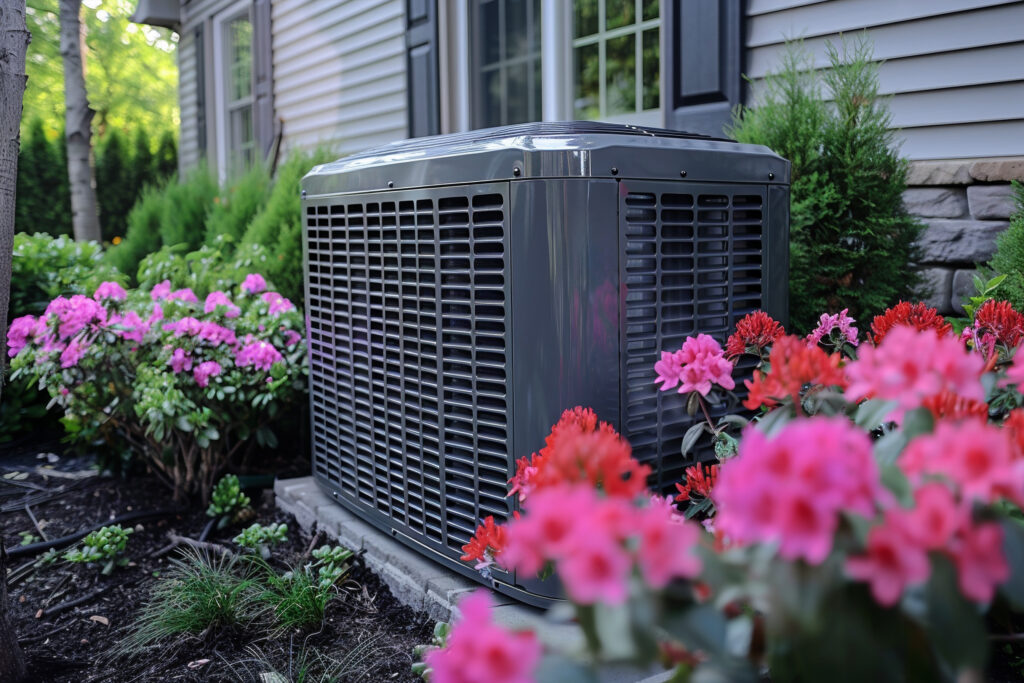
An air conditioning system, often abbreviated as AC, is a mechanical system designed to regulate the temperature, humidity, and air quality inside your home. At its core, it operates by removing heat from the indoor air and transferring it outside, leaving your living space cooler and more comfortable. Central air conditioners are the most common type and typically include an outdoor unit (the condenser) and an indoor unit (the evaporator coil and air handler).
This entire cooling process relies on a refrigerant cycling through tubes and coils, shifting between liquid and gaseous states to absorb and release heat. A fan moves indoor air across the cold evaporator coil, cooling the air before it circulates back through your home via ductwork. The warm air collected is released outside through the condenser. Thermostats control when the AC unit turns on or off, maintaining your desired indoor temperature with relative accuracy.
Key Components of a Home Air Conditioning System
To appreciate how your system operates—and why it occasionally fails—it’s worth understanding its main components. The compressor, often called the heart of the system, pressurizes refrigerant and initiates heat transfer. The evaporator coil is located inside your home, typically with the furnace, and it absorbs heat from the air. The condenser coil sits outside and releases collected heat. Meanwhile, the expansion valve manages refrigerant flow between these two coils. Together, these pieces form a closed loop that is vulnerable to wear and tear over years of use.
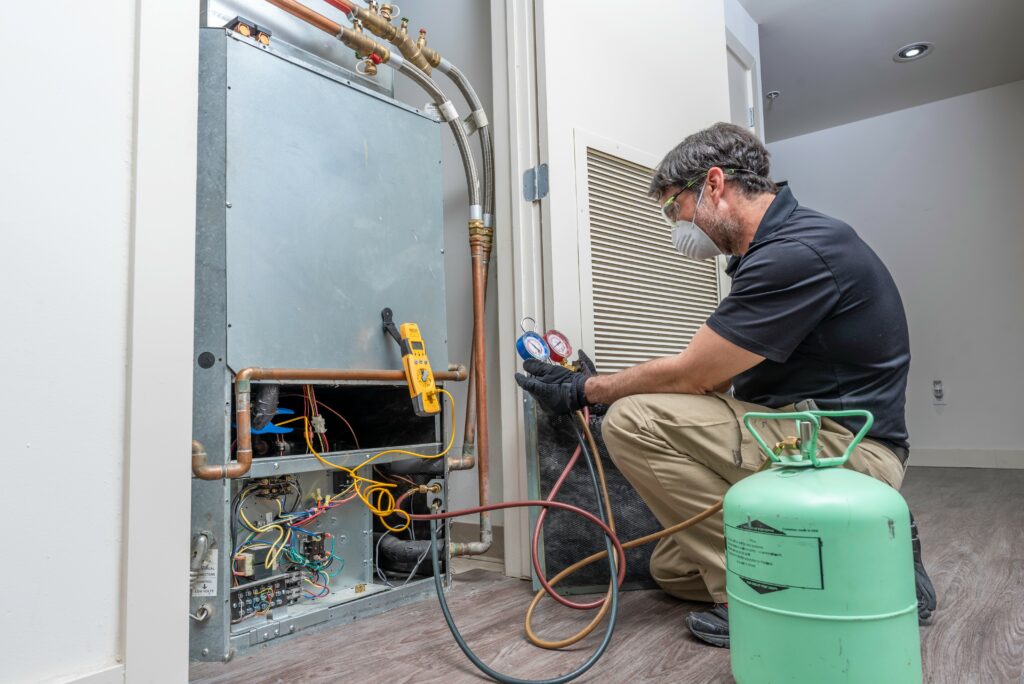
Regular maintenance, like cleaning filters or checking refrigerant levels, helps improve airflow and efficiency. When one component breaks, the performance of the whole system declines. That’s why even minor issues, such as clogged filters or dirty coils, can result in energy inefficiency, higher utility bills, or worse—complete breakdowns during summer’s peak.
Benefits of Air Conditioning for Homeowners
The comfort benefits of an air conditioner are obvious, but the value it adds to your home extends beyond temperature control. First, AC systems help regulate humidity, which reduces the likelihood of mold, mildew, and dust mites. This improves air quality—especially important for people with allergies or respiratory issues. An efficient AC system can also help preserve home interiors by preventing warping of wood flooring or furniture due to excess moisture.
Beyond comfort and health, there’s an economic angle. Homes with a central AC system often have higher resale value. Smart cooling systems also allow you to integrate controls via mobile apps, optimizing energy use and offering better cost management. In other words, the right air conditioner doesn’t just keep you cool—it helps your entire household infrastructure run better.
Common Drawbacks and Repair Issues
Of course, air conditioners aren’t immune to problems. And when they do fail, the issues can be costly and inconvenient. Compressors are particularly expensive to replace and can sometimes cost nearly as much as a new system. Fans burn out, refrigerant lines leak, coils corrode. Electrical sensors and thermostats can fail or deliver inconsistent readings. And sometimes, you may be dealing with something as mundane but frustrating as frozen components or entirely blocked airflow due to neglected maintenance.
AC units also suffer from what’s known as “short cycling,” where the system turns on and off repeatedly in quick succession without achieving the desired temperature. This generally indicates larger underlying issues like improper sizing, clogged filters, or failing components. Complex, aging systems demand more frequent repairs and eventual replacement. Without coverage, you’re entirely exposed to escalating repair costs and emergency service fees.
What Homeowners Can Do to Extend Their AC’s Lifespan
You don’t need to be a trained technician to support your air conditioner’s performance. Consistent, routine maintenance can dramatically extend its life. Replace air filters every three months—or more often if you have pets or allergies. Schedule professional servicing at least once a year to check refrigerant levels, assess duct leakage, and ensure coils and fan motors are clean.
Also, be mindful of your thermostat settings. Constantly dropping the temperature lower than necessary can overwork your system, accelerating its wear. Install a programmable or smart thermostat to create cooling schedules that align with your home’s occupancy patterns. Above all, never postpone dealing with minor symptoms. What seems like a small noise, inconsistent cooling, or higher energy bill could be the precursor to a major failure.
When to Repair vs. When to Replace
Deciding between repair and replacement often comes down to the age of the system, the frequency of failures, and the cost of repairs. If your unit is approaching or past the 10 to 15-year mark and faces increasingly frequent or expensive issues, replacement becomes the more economical and energy-efficient route. But if your system is relatively new and under warranty—or if the issue is isolated—repairs can offer a reasonable solution.
Energy efficiency ratings (SEER ratings) improve with newer models, which means that replacement can also lead to significant cost savings over time through reduced utility bills. However, it’s not always a one-size-fits-all decision. A qualified HVAC technician can help with diagnostics and provide repair estimates so you can make a financially sound decision backed by expert insight.
Protecting Your AC System with a Home Warranty from Armadillo
Your air conditioner is one of the most valuable systems in your home—and one of the most expensive to repair or replace. That’s why a comprehensive home warranty from Armadillo can make all the difference. With customizable protection plans, Armadillo helps homeowners manage the cost and stress of unexpected repairs. When your AC quits in the middle of a heatwave, the last thing you want is to chase down quotes or negotiate emergency service fees.
Armadillo’s plans include HVAC coverage that ensures qualified technicians handle the job, and fast. Plus, their streamlined service model means claim processing is quick, coverage is clear, and support is on-demand. You focus on staying cool—we’ll handle the rest.
Learn more at https://www.armadillo.one or build your plan here to protect your air conditioner and essential home systems starting today.