What Is a Dimmer Switch and Why Should Homeowners Care?
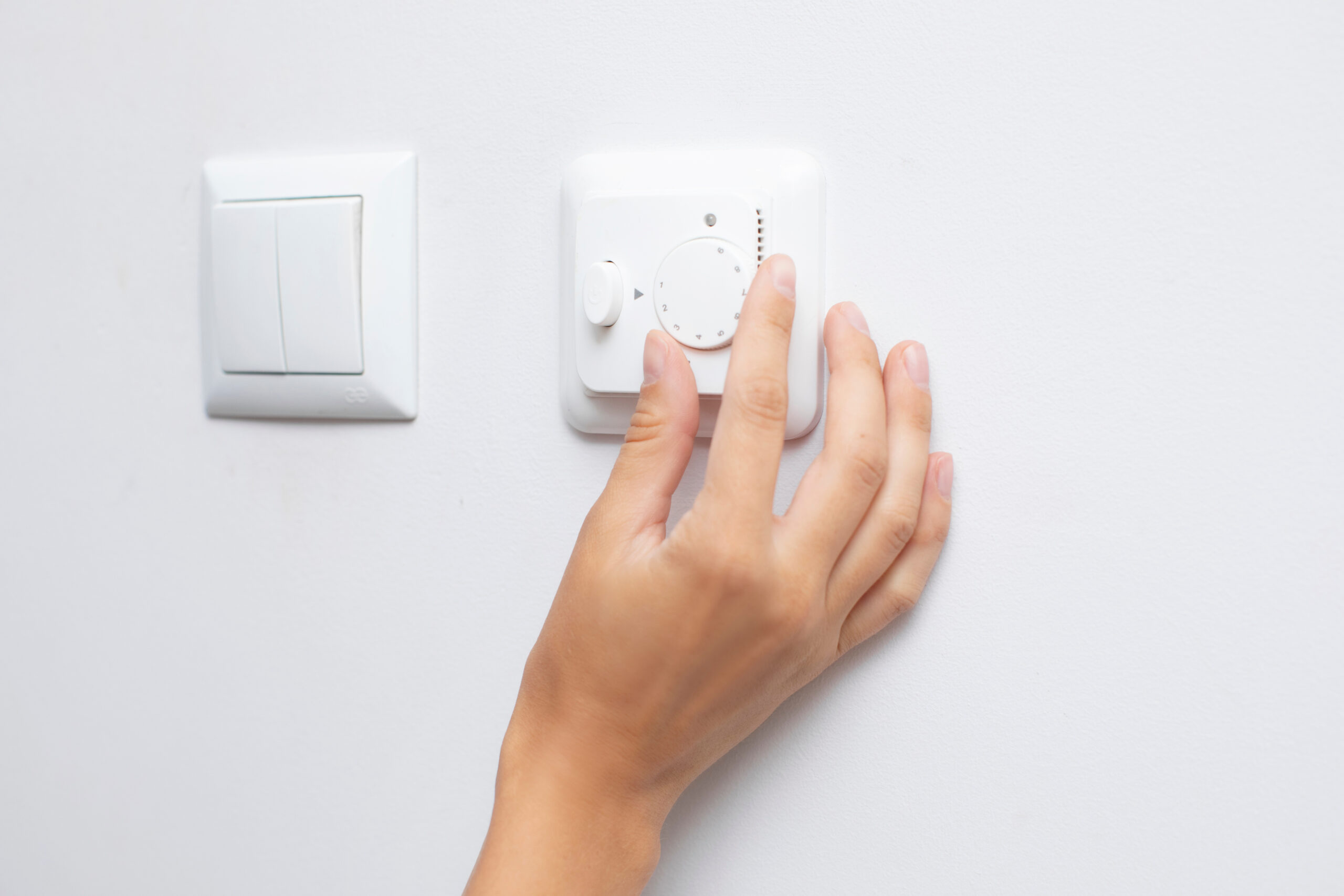
A dimmer switch is an electrical control device that allows you to adjust the brightness of your lights rather than simply toggling them on or off. It sounds simple, and in practice it is, but the technology behind it is actually pretty clever. For homeowners, understanding how a dimmer switch works is useful not just for comfort and ambiance, but also because it connects directly to your home’s electrical system, and that means it falls into a category of components worth knowing about when managing your home’s long-term health and maintenance costs.
How a Dimmer Switch Actually Works
Here is where it gets interesting. Traditional light switches are binary, on or off, full power or nothing. A dimmer switch interrupts that flow of electricity in rapid, precise cycles. It uses a component called a TRIAC, which stands for Triode for Alternating Current, to chop up the electrical waveform. Alternating current in a standard home switches direction 60 times per second. The TRIAC cuts into that cycle and essentially blocks portions of each wave, reducing the total energy delivered to the bulb. The faster and more precisely it cuts, the dimmer the light. Your eyes cannot detect these interruptions because they happen far too quickly to register as flicker. What you perceive is a smooth, continuous reduction in brightness. Newer smart dimmer switches add a layer of digital control on top of this same basic principle, allowing app control, voice commands, and programmable scenes.
Types of Dimmer Switches Available for Your Home
Not all dimmer switches are built the same, and choosing the wrong type for your lighting setup is one of the more common mistakes homeowners make. Here is a quick breakdown of what is available:
- Incandescent or halogen dimmers: The original design, compatible with traditional bulbs, widely available and relatively inexpensive.
- CFL dimmers: Designed for compact fluorescent bulbs, though CFL technology is largely being phased out in favor of LED.
- LED-compatible dimmers: Built to handle the low wattage draw of LED bulbs, which behave differently than incandescent when power is reduced.
- Smart dimmers: Wi-Fi or Bluetooth enabled, integrate with home automation systems, and allow remote or scheduled control.
- Multi-location dimmers: Allow control of the same light from two or more switch locations, useful for large rooms or hallways.
Compatibility is critical. Installing a standard incandescent dimmer on an LED fixture is a recipe for flickering, buzzing, or premature bulb failure. Always check the dimmer’s listed compatibility before purchasing.
The Real Benefits of Installing Dimmer Switches
Beyond the obvious aesthetic appeal of adjustable lighting, dimmer switches offer several practical advantages that genuinely benefit homeowners. Energy savings are the most cited benefit, and they are legitimate. When you dim a light to 75 percent brightness, you are using less power, and over time that adds up on your utility bill. LED bulbs paired with compatible dimmers amplify those savings further because LEDs are already efficient at full power. Dimming also extends bulb lifespan because the bulb is under less thermal and electrical stress during operation. In terms of home value and appeal, modern dimmer switches, especially smart ones, are a low-cost upgrade that signals a well-maintained, thoughtfully updated home to potential buyers. And from a daily living standpoint, the ability to set the right lighting level for different times of day or activities, whether that is bright task lighting for cooking or a soft glow for movie night, is genuinely useful.

Common Drawbacks and Limitations to Know
Dimmer switches are not without their complications. The most frequent issue homeowners encounter is incompatibility between the dimmer and the bulb. LED technology in particular has made this more complicated, not less, because LED drivers inside the bulb respond differently to the chopped waveform a TRIAC produces. The result can be flickering, humming from the fixture, or a limited dimming range where the light will not go below a certain percentage before cutting out entirely. There is also a minimum and maximum load rating on every dimmer switch, meaning if you connect too few bulbs or too many, the dimmer may not function properly. Installation, while manageable for a confident DIYer, does require working inside an electrical box, and any mistake in wiring can create a safety hazard. If there is any doubt, a licensed electrician should handle the job. Finally, some older homes with aluminum wiring or outdated electrical panels may have additional compatibility concerns that go beyond just the switch itself.
Installation Basics and What to Expect
Installing a dimmer switch is a straightforward process for someone comfortable with basic electrical work. You will turn off the breaker for the circuit, remove the existing switch, note the wiring configuration, and connect the new dimmer according to the manufacturer’s instructions. Most modern dimmers come with clear diagrams. The key variables are whether you have a single-pole or three-way setup, whether your wiring includes a neutral wire, which some smart dimmers require, and whether your existing wiring gauge is appropriate. The whole process typically takes under an hour. If you are managing multiple dimmer installations across a home or dealing with older wiring, the time and complexity increase. Always verify that the power is completely off before handling any wiring, and use a non-contact voltage tester to confirm.
Dimmer Switches and Your Home’s Electrical System
One thing homeowners sometimes overlook is how dimmer switches fit into the broader picture of their home’s electrical system health. A dimmer switch that buzzes, runs warm to the touch, or causes lights to flicker unpredictably is not just an annoyance, it can be a signal that something else in the circuit needs attention. Overloaded circuits, loose connections, or undersized wiring can all manifest as dimmer-related problems even when the switch itself is fine. Routine attention to your electrical system, including switches, outlets, and your panel, helps prevent small issues from becoming expensive repairs. This is one of the reasons electrical systems are a core component covered under many home warranty plans, because when something goes wrong, diagnosis and repair costs can escalate quickly.
Smart Dimmer Switches and Modern Home Integration
Smart dimmer switches represent a meaningful leap forward from the analog designs that have been around for decades. Brands like Lutron, Leviton, and others have developed dimmers that connect to your home Wi-Fi or a dedicated smart home hub, allowing control through apps, voice assistants, and automated schedules. You can program lights to gradually brighten in the morning, dim automatically at sunset, or shut off entirely when motion sensors detect no activity in a room. These features have moved from novelty to practical utility for many homeowners. The installation process mirrors a standard dimmer in most cases, though some smart dimmers require a neutral wire that older homes may not have at every switch location. If you are planning a broader smart home upgrade, starting with lighting through smart dimmers is a relatively low-cost, high-impact entry point.
Maintenance Tips to Keep Your Dimmer Switches Working Well
Dimmer switches do not require much active maintenance, but there are a few habits worth building. Periodically check that the switch plate is not warm or hot to the touch during normal operation, as this can indicate an overloaded circuit or a failing component. Keep the dimmer clean and free from dust or debris, especially in kitchens or utility areas. If a dimmer begins flickering lights that previously worked smoothly, the issue may be a deteriorating bulb rather than the switch itself, so swap bulbs before assuming the switch has failed. If the problem persists after replacing bulbs, have an electrician inspect the switch and wiring. Dimmer switches generally have a long service life, often a decade or more, but electrical components do age, and staying attentive to changes in performance is the simplest form of preventive maintenance you can do.
Why Armadillo Home Warranty Is a Smart Pairing for Electrical System Coverage
Here is the part worth paying attention to. Your home’s electrical system, from the panel to the switches on your walls, is one of those systems that homeowners rarely think about until something stops working. Dimmer switches themselves are small components, but they are part of a much larger electrical infrastructure that can be expensive to repair or diagnose when problems arise. That is exactly where a home warranty earns its value. Homeowners who want real protection for the systems they rely on every day should take a serious look at Armadillo home warranty plans built for electrical system coverage, which are designed to handle the kind of unexpected failures that catch people off guard. Whether it is a faulty circuit, wiring repair, or electrical component breakdown, having coverage in place means you are not absorbing those costs alone. If you are thinking about your options, the best move is to get a free home warranty quote for electrical and home system protection and see what a plan actually looks like for your home. Coverage that accounts for your electrical systems is not a luxury, it is a practical decision for any homeowner who wants fewer financial surprises.

Frequently Asked Questions About Dimmer Switches
Here are answers to some of the most common questions homeowners have about dimmer switches, how they work, and what to watch for.
Can I install a dimmer switch on any light fixture?
Not every fixture is compatible with a dimmer switch. The bulb type, fixture wiring, and dimmer model all need to be compatible. Always check the dimmer’s specification sheet for compatible bulb types before purchasing.
Why does my dimmer switch make a buzzing noise?
Buzzing is typically caused by incompatibility between the dimmer and the bulbs installed in the fixture. It can also indicate an overloaded dimmer or a failing component. Switching to dimmer-compatible LED bulbs often resolves the issue.
Do dimmer switches actually save energy?
Yes, dimming a light reduces the amount of electricity delivered to the bulb, which lowers energy consumption. The savings are more pronounced with LED bulbs, which are already efficient at full brightness and scale down effectively.
Can I use a regular dimmer switch with LED bulbs?
Standard incandescent dimmers are often not compatible with LED bulbs and can cause flickering, buzzing, or limited dimming range. LED-compatible dimmers are specifically designed to handle the lower wattage draw of LED lighting.
How do I know if my home’s wiring supports a smart dimmer switch?
Many smart dimmer switches require a neutral wire at the switch location. Older homes may not have one at every switch box. Check your existing wiring before purchasing, or consult a licensed electrician to assess your setup.
Is it safe to install a dimmer switch myself?
A confident DIYer can handle a standard dimmer installation safely, provided they turn off the correct breaker and verify the power is off with a voltage tester before touching any wiring. If there is any uncertainty about the wiring configuration, a licensed electrician is the right call.
What is the lifespan of a dimmer switch?
Most quality dimmer switches are designed to last ten years or more under normal operating conditions. Performance changes like flickering, inconsistent dimming, or heat at the switch plate can signal that the unit is nearing the end of its service life.
Are dimmer switches covered under a home warranty?
Coverage varies by provider and plan. Many home warranty plans cover electrical systems broadly, which can include switches and wiring, but individual components like a single dimmer switch may or may not be explicitly listed. Reviewing your specific plan terms is the best way to understand your coverage.
Can dimmer switches be used in every room of the house?
Dimmer switches can be used in most rooms, but certain applications, such as circuits connected to ceiling fans or some exhaust fans, require specific fan-rated speed controllers rather than standard light dimmers. Using a light dimmer on a fan motor can damage the motor over time.
What happens if I connect too many bulbs to a dimmer switch?
Every dimmer switch has a maximum wattage or load rating. Exceeding that rating can cause the dimmer to overheat, fail prematurely, or create a safety risk. Always calculate the total wattage of the connected bulbs and verify it falls within the dimmer’s rated capacity.