How Hot Does a Shower Get? What Every Homeowner Should Know About Water Temperature
It is one of those things most people never think about until something goes wrong. You step into the shower expecting that familiar warmth, and either nothing happens or the water is scalding hot before you can adjust the handle. Water temperature in your home is not just a comfort issue. It is a safety issue, an energy issue, and for homeowners who care about protecting their systems, it is also a home warranty issue. So how hot does a shower actually get, and what does that mean for your plumbing and water heating equipment?
The Average Shower Temperature Range
Most people shower somewhere between 98 and 105 degrees Fahrenheit. That is slightly above body temperature, warm enough to feel comfortable without tipping into dangerous territory. Some people prefer cooler showers around 90 degrees, especially in warmer months. Others run their water closer to 110 or even 112 degrees, which most medical professionals and plumbing experts would consider quite hot. The upper threshold you need to know about is 120 degrees Fahrenheit. That is the point at which water can cause scalding injuries in just a matter of minutes, and it is also the standard recommended maximum setting for residential water heaters.
What Temperature Is Your Water Heater Actually Set To
Here is where things get a little more complicated. Your water heater is almost certainly set higher than what comes out of your showerhead. Most manufacturers ship water heaters with a default temperature somewhere between 120 and 140 degrees Fahrenheit. At 140 degrees, tap water can cause third-degree burns in under five seconds. The reason some professionals recommend higher settings is to prevent bacterial growth, specifically Legionella, which thrives between 77 and 108 degrees. So there is a genuine tension between scalding prevention and bacterial control, and most plumbing experts land on 120 degrees as the reasonable middle ground for most households. If you have young children or elderly family members at home, staying closer to 120 degrees is a smart call.
How the Water Heater Actually Works
Understanding water temperature starts with understanding what is producing it. A conventional storage water heater holds anywhere from 30 to 80 gallons of water in an insulated tank, constantly heating it to your set temperature. When you turn on the shower, that preheated water travels through your home’s pipes to the fixture. Mixing valves or thermostatic cartridges inside your shower valve then blend hot and cold water to reach the temperature you select. Tankless water heaters work differently. They heat water on demand as it passes through a heat exchanger, which means the temperature response can be slightly more variable depending on flow rate and incoming water temperature. Either system can deliver water that is dangerously hot if not properly calibrated or maintained.
Signs Your Water Temperature System May Be Failing
Not everything that goes wrong announces itself loudly. With water temperature systems, the warning signs are often subtle until they are not. Here are the most common indicators that something is off:
- Water takes unusually long to heat up, or never fully reaches your normal temperature
- Temperature fluctuates wildly mid-shower without any change in usage
- The water runs too hot even at the lowest setting on your handle
- You hear popping or rumbling from the water heater, which often signals sediment buildup
- Rusty or discolored hot water coming from fixtures
Any of these symptoms points to a component that is either failing or has already failed. The thermostat inside the water heater, the heating element, the pressure relief valve, or the mixing valve in your shower fixture could all be involved. Ignoring these signs rarely ends well.

The Role of Pressure Balancing and Thermostatic Valves
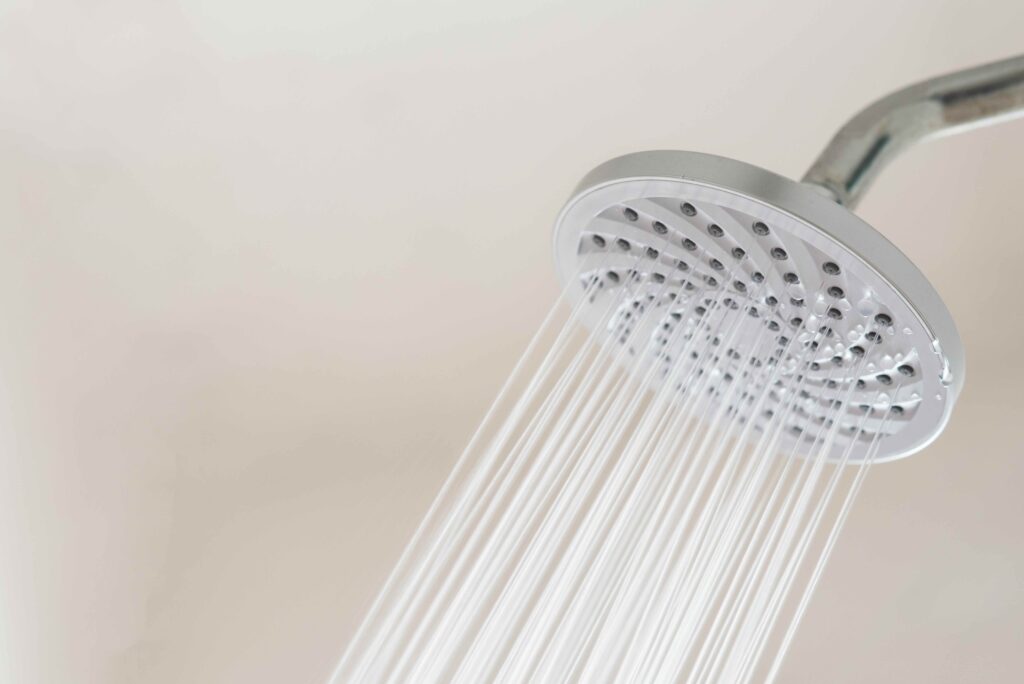
Modern shower valves are actually pretty clever. Pressure-balancing valves automatically adjust the ratio of hot and cold water if there is a sudden pressure change elsewhere in the home, like when someone flushes a toilet. This prevents that unwanted surge of scalding water that older homes are infamous for. Thermostatic valves go even further, maintaining a precise temperature regardless of pressure or supply fluctuations. If your home is older and still has basic single-handle valves without these features, an upgrade is worth serious consideration, particularly from a safety standpoint. The cost is relatively modest compared to the protection they offer.
How Pipe Material and Distance Affect Temperature
Something most homeowners do not factor in is that the water temperature at your showerhead is rarely the same as what leaves your water heater. Heat loss occurs as water travels through pipes, especially in uninsulated areas like crawl spaces, exterior walls, or long pipe runs. Older copper pipes conduct heat away more readily than modern PEX tubing, which holds temperature better over distance. If your bathroom is far from the water heater and you are noticing lukewarm water even with the heater set correctly, pipe insulation or a recirculation pump might be the more practical fix before assuming the heater itself is the problem.
Water Heater Maintenance Tips That Protect Your Temperature Control
Consistent maintenance keeps your water heater performing the way it should and extends the life of the unit significantly. Most homeowners skip this entirely, which is understandable, but the consequences show up eventually. A few key habits make a real difference:
- Flush the tank annually to remove sediment buildup that insulates water from the heating element
- Test the pressure relief valve once a year to confirm it opens and closes properly
- Inspect the anode rod every two to three years and replace it when it is significantly corroded
- Check and adjust the thermostat setting seasonally, as incoming water temperature changes with the weather
- Schedule a professional inspection every three to five years, or sooner if the unit is approaching the ten-year mark
When Hot Water Issues Become a Home Warranty Claim
This is where the home warranty conversation becomes genuinely relevant. Water heaters are one of the most frequently claimed items under home warranty plans, and for good reason. They work constantly, they contain mechanical and electrical components, and they have a finite lifespan, typically eight to twelve years for a conventional tank unit. When a thermostat fails, a heating element burns out, or a mixing valve stops regulating temperature correctly, those are exactly the kinds of covered repairs a home warranty is designed to handle. The key is understanding what your plan covers before you need it, not after the cold shower forces the conversation.
Why Armadillo Is the Right Partner for Your Water Heating and Plumbing Protection
When your water heater starts misbehaving or a shower valve stops holding temperature, the last thing you want is to figure out contractor logistics while standing in a cold bathroom. That is where Armadillo’s comprehensive home warranty coverage for water heaters and plumbing systems makes a genuine difference. Armadillo was built to remove the friction from home repairs by connecting homeowners with qualified service professionals quickly, handling the coordination, and keeping costs predictable. For anyone managing a home where temperature control, water heater reliability, or plumbing performance matters, a plan that actually covers these systems is not a luxury. If you are ready to stop guessing about what is covered and start protecting your home proactively, get a personalized home warranty quote that covers your water heater and essential home systems in just a few minutes. Armadillo keeps it simple because home protection should not feel like another full-time job.

Frequently Asked Questions About Shower and Water Heater Temperatures
These are the questions homeowners ask most often when trying to understand how water temperature works in their home and what it means for their systems and safety.
What is the ideal shower temperature for most adults?
Most adults find showers between 98 and 105 degrees Fahrenheit to be comfortable. Temperatures above 110 degrees are considered hot and may cause skin irritation or discomfort with prolonged exposure.
What temperature should a residential water heater be set to?
The U.S. Department of Energy recommends setting your water heater to 120 degrees Fahrenheit for most households. This balances energy efficiency, safety, and bacterial control.
At what temperature does water become dangerous or scalding?
Water at 130 degrees Fahrenheit can cause scalding in about 30 seconds. At 140 degrees, scalding can occur in under five seconds. Children and elderly individuals are at higher risk.
Why does my shower water temperature fluctuate unexpectedly?
Sudden temperature changes mid-shower are usually caused by pressure shifts in the plumbing system, such as another fixture being used simultaneously. A failing pressure-balancing valve in your shower is often the underlying cause.
How do I know if my water heater thermostat is failing?
Signs include inconsistent hot water temperatures, water that never reaches its usual warmth, or water that is excessively hot even at low heater settings. A licensed plumber can test and replace a faulty thermostat.
Does a tankless water heater deliver the same temperature consistency as a tank unit?
Tankless water heaters can provide consistent temperatures but may experience minor fluctuations based on flow rate and incoming cold water temperature. Proper sizing and installation are key to stable performance.
How does sediment buildup affect shower water temperature?
Sediment accumulation at the bottom of a tank water heater acts as insulation between the heating element and the water, making the unit work harder and often reducing the maximum temperature it can deliver.
Is a home warranty likely to cover a water heater temperature problem?
Most home warranty plans cover mechanical and electrical failures within the water heater, including thermostat and heating element failures. Coverage specifics vary by plan, so reviewing your policy details is always advisable.
What is a thermostatic shower valve and do I need one?
A thermostatic shower valve maintains a precise water temperature regardless of pressure changes elsewhere in the home. It is a significant upgrade for households with safety concerns or those who simply want a more consistent shower experience.
How often should I have my water heater professionally inspected?
A professional inspection every three to five years is a reasonable baseline for most homeowners. If your unit is older than eight years or showing any performance issues, annual inspections are a smarter approach.