
How Much Does It Cost to Charge an AC Unit at Home?
If your air conditioner is blowing warm air or struggling to keep up on a hot afternoon, there is a decent chance refrigerant is involved. And if a technician mentions recharging your AC, the first question most homeowners ask is a simple one: how much is this going to cost? Fair question. The answer depends on a few moving parts, but understanding what goes into an AC recharge can help you budget smarter and avoid getting caught off guard when the bill arrives.
What Does It Mean to Recharge an AC Unit?
Recharging an AC unit means replenishing the refrigerant that circulates through your system. Refrigerant is the substance responsible for absorbing heat from inside your home and releasing it outdoors. Without enough of it, your system cannot cool effectively. A common misconception is that refrigerant gets used up over time like gasoline. It does not. If your system is low, that almost always points to a leak somewhere in the system, which means recharging alone is rarely the complete fix.
Average Cost to Recharge a Home AC Unit
The cost to recharge a central air conditioning unit typically falls somewhere between $150 and $600, though it can climb higher depending on the refrigerant type and the amount needed. Window units tend to run cheaper, usually between $100 and $300. Here is what drives the cost up or down:
- Type of refrigerant: Older systems use R-22 (Freon), which has been phased out and is significantly more expensive. R-410A is the more common modern option and costs less per pound.
- Amount of refrigerant needed: Most systems require one to four pounds to reach the correct charge level.
- Labor costs: Technicians typically charge a service fee on top of refrigerant costs, ranging from $75 to $150 or more depending on your region.
- Leak detection and repair: If a leak is present, diagnosing and sealing it adds another $200 to $1,500 depending on severity and location.
R-22 vs. R-410A: Why Refrigerant Type Matters So Much
This is where costs can really diverge. R-22 refrigerant was phased out by the EPA starting in 2020 due to its environmental impact. Since it is no longer produced domestically, the remaining supply is reclaimed and recycled, making it expensive. Homeowners with older systems using R-22 may pay $50 to $175 per pound of refrigerant, compared to roughly $4 to $8 per pound for R-410A. If your system is older and still running on R-22, a recharge might prompt a bigger conversation about replacing the unit altogether.

Signs Your AC Might Need a Refrigerant Recharge
Not every cooling problem is a refrigerant problem, but there are some reliable signals worth paying attention to. Catching these early can prevent more costly damage down the road.
- Warm or lukewarm air blowing from your vents despite the thermostat being set low
- Ice forming on the refrigerant lines or the indoor evaporator coil
- A noticeable hissing or bubbling sound near the AC unit
- Higher-than-usual energy bills without any other clear explanation
- Your home taking much longer than normal to reach the set temperature
Should You Try to Recharge an AC Yourself?
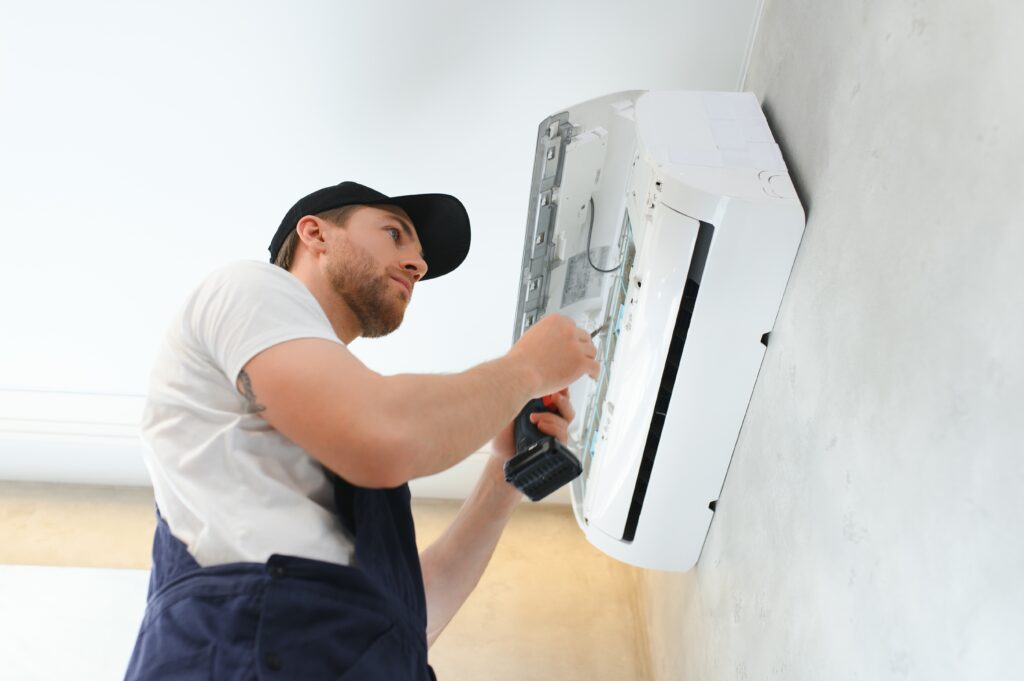
The short answer is no. Handling refrigerant legally requires EPA Section 608 certification. Beyond the legal aspect, improperly charging a system can damage the compressor, which is one of the most expensive components in the entire unit. DIY recharge kits exist and are marketed for window units, but even those come with real risks if you do not know what you are doing. This is one job where hiring a licensed HVAC technician is genuinely the right call every time.
How Often Does a Home AC Need to Be Recharged?
A properly sealed system should never need to be recharged. Refrigerant does not deplete through normal operation. If a technician is recommending a recharge, the next logical question is whether there is an active leak. A responsible technician will test for leaks before and after adding refrigerant. If you find yourself recharging the same system every year or two, that is a red flag that a leak has gone unrepaired. Addressing the root cause saves money in the long run.
The Real Cost: Recharge vs. Full System Replacement
This is the conversation nobody wants to have but everyone should be prepared for. If your system is more than 10 to 15 years old and running on R-22, the math sometimes favors replacement over repeated repairs. A new central air conditioner typically costs between $3,500 and $7,500 installed, depending on the unit size and your home’s ductwork situation. That is a significant investment, but when stacked against escalating refrigerant costs, leak repairs, and reduced efficiency on an aging system, replacement can make financial sense faster than you might expect.
How Home Warranties Factor Into AC Recharging Costs
Here is where a home warranty can make a meaningful difference. Many home warranty plans cover HVAC systems, including the diagnosis and repair of refrigerant leaks and the cost of refrigerant itself, up to specified limits. Coverage details vary by provider, so reading your contract carefully matters. Some plans cover refrigerant charges fully while others cap coverage at a set dollar amount. Either way, having a home warranty in place when your AC starts acting up can reduce what comes out of your pocket considerably, especially during peak summer months when HVAC service calls spike.
Why Armadillo Is Worth Considering for AC and HVAC Coverage
When an AC issue surfaces mid-July and the repair estimate lands in the hundreds, the last thing you want is uncertainty about coverage. That is exactly why Armadillo home warranty plans for HVAC systems and major appliances are worth a serious look. Armadillo offers straightforward coverage with no ambiguous fine print designed to leave you guessing. The plans are built around what homeowners actually need, and the claims process is designed to move quickly when something breaks. If you are thinking about protecting your cooling system before the next expensive surprise shows up, now is a good time to get a free home warranty quote that covers your AC and more. A few minutes of planning today can save a significant amount of stress and money when summer heat does what it always does.

Frequently Asked Questions About AC Recharging Costs
These are the questions homeowners ask most often when dealing with an AC refrigerant issue.
How much does it typically cost to recharge a central AC unit?
Most homeowners pay between $150 and $600 for a central AC recharge, though costs vary based on refrigerant type, the amount needed, and local labor rates.
How long does an AC recharge last?
If the system has no leaks, a recharge should last the lifetime of the unit. Refrigerant does not get consumed during normal operation, so needing a recharge again shortly after is a sign of an unresolved leak.
Is R-22 refrigerant more expensive than R-410A?
Yes, significantly. R-22 can cost $50 to $175 per pound because it is no longer manufactured in the United States. R-410A typically runs $4 to $8 per pound.
Can a home warranty cover the cost of an AC recharge?
Many home warranty plans do cover refrigerant and refrigerant leak repairs as part of HVAC coverage, but coverage limits and terms vary by provider and plan. Reviewing your specific contract is important.
Do I need a professional to recharge my AC?
Yes. Federal law requires EPA Section 608 certification to purchase and handle refrigerants. Attempting to recharge a system without proper training also risks damaging the compressor.
What happens if you do not recharge a low AC refrigerant?
Running an AC system with low refrigerant stresses the compressor and can lead to complete compressor failure, which is one of the most expensive AC repairs possible, often costing $1,200 to $2,800 or more.
How do I know if my AC has a refrigerant leak versus another problem?
A licensed HVAC technician can perform a leak detection test using electronic detectors or UV dye to confirm whether refrigerant is escaping. Warm airflow, ice on the coil, and unusual sounds are common indicators.
Is it worth recharging an old AC unit or better to replace it?
If the unit is over 12 to 15 years old and uses R-22, replacement is often the more cost-effective long-term choice. A technician can help you weigh the repair costs against the efficiency gains of a newer system.
Does a home AC lose refrigerant over time naturally?
No. A sealed system does not lose refrigerant through normal use. Any significant drop in refrigerant levels indicates a leak that needs to be found and repaired before recharging.
What is the difference between an AC tune-up and an AC recharge?
A tune-up is routine maintenance that includes cleaning coils, checking electrical components, and testing refrigerant levels. A recharge specifically refers to adding refrigerant to the system and is only done when levels are confirmed to be low.