Turning Your Garage Into a Living Space: What It Actually Costs
So you have a garage sitting there, doing garage things — storing bikes you never ride, boxes you have not opened since the last move, maybe a car if you are lucky. And at some point, a thought creeps in: what if this space were actually livable? A home office, a guest bedroom, a rental unit — the possibilities are real. But before the vision gets too far ahead of the budget, it helps to understand what a garage conversion actually costs and what drives that number up or down. This guide walks through all of it, from rough estimates to the factors most homeowners overlook entirely.
What Is a Garage Conversion and How Does It Work
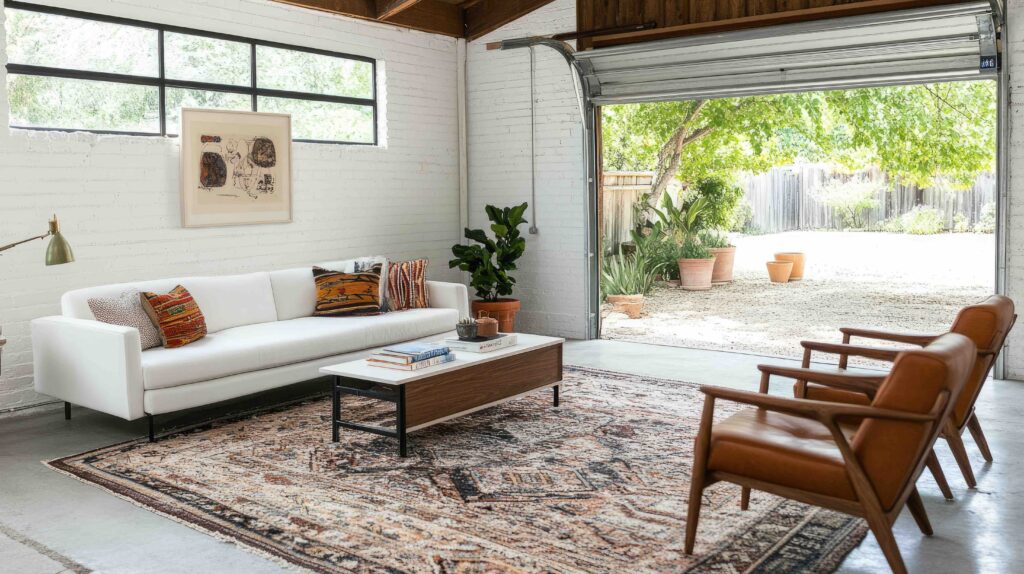
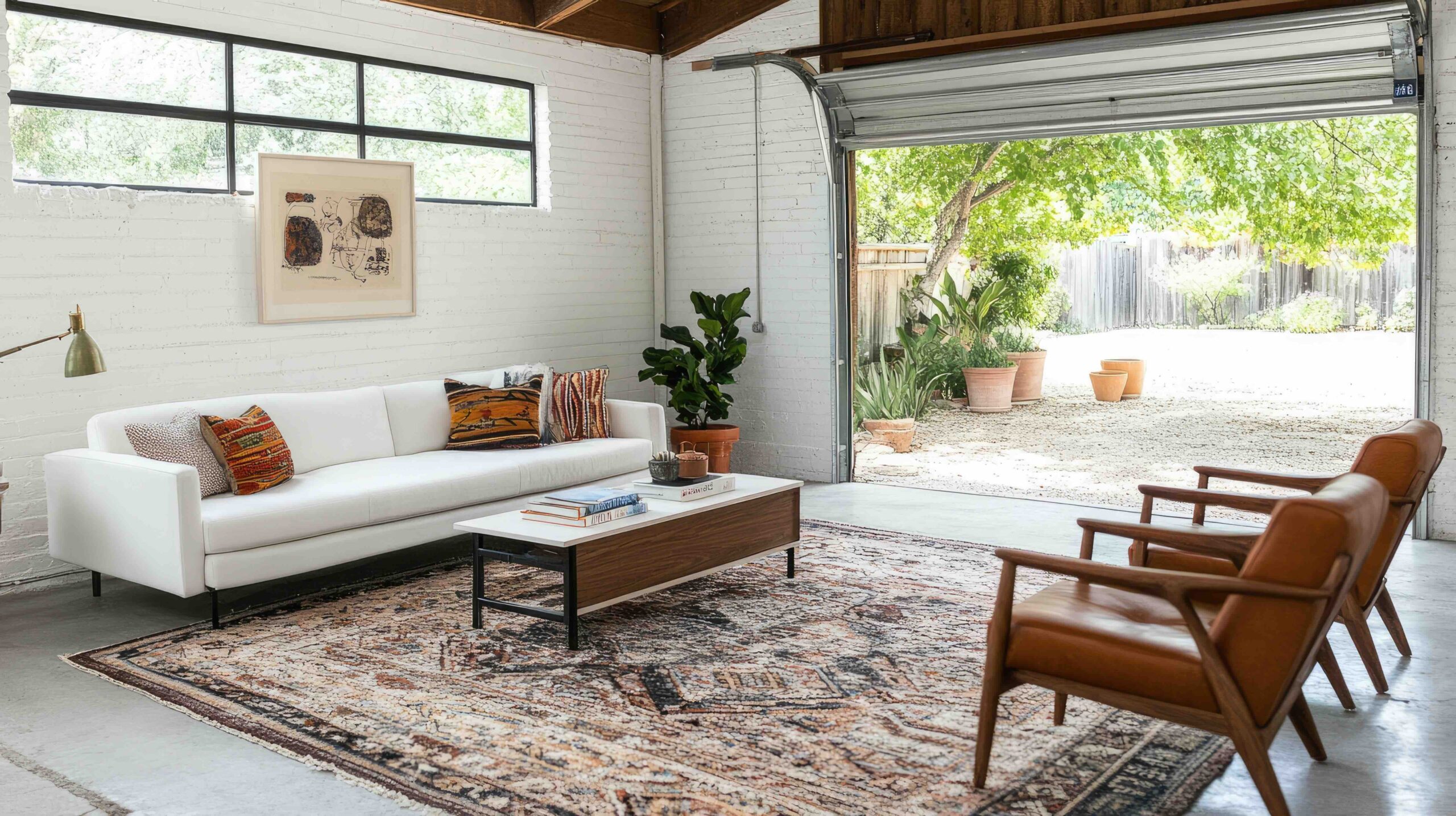
A garage conversion is exactly what it sounds like — taking an existing attached or detached garage structure and transforming it into a functional, habitable living space. Unlike an addition, you are working with an existing footprint, which is both an advantage and a constraint. The general process involves insulating the walls and ceiling, installing flooring, adding electrical outlets and lighting that meet residential code, extending HVAC systems or adding independent climate control, and framing out windows or a proper entryway. If the space will serve as a bedroom or rental unit, a bathroom is typically part of the scope as well. The garage door opening usually gets closed in and replaced with either a wall, a window, or a standard door depending on the design plan.
Average Cost to Convert a Garage Into a Room
Here is where things get real. The national average cost to convert a garage into a livable room falls somewhere between $6,000 and $27,000, with most homeowners landing around $10,000 to $15,000 for a mid-range project. That is a wide range, and the gap exists for good reason. A basic conversion for a single-car garage with minimal plumbing involved will sit on the lower end. A full ADU — accessory dwelling unit — with its own bathroom, kitchen, separate entrance, and all the permits that entails can push past $30,000 without blinking. The size of the garage matters. A two-car garage running around 400 to 500 square feet will cost more to convert than a single-car space, but it also delivers significantly more usable square footage in return.
Key Factors That Influence Your Total Project Cost
No two garage conversions cost the same, and that is not just contractor talk. Several variables genuinely shift the number in meaningful ways.
- Permits and local regulations: Some municipalities require extensive permitting and inspections for garage conversions, especially when the space becomes a habitable room or rental unit. Permit fees alone can range from a few hundred to a couple of thousand dollars depending on location.
- HVAC extension or installation: Tying into an existing HVAC system adds cost if ductwork needs rerouting. Installing a ductless mini-split system is often a popular alternative, running between $1,500 and $5,000 depending on the unit and installation complexity.
- Plumbing: Adding a bathroom or wet bar requires running new plumbing lines, which is one of the most labor-intensive and expensive parts of any conversion project.
- Insulation: Garages are typically uninsulated or poorly insulated. Bringing walls, floors, and ceiling up to residential standards is non-negotiable and adds to the base cost.
- Flooring: Concrete garage slabs need proper subfloor preparation before any finish material goes down. Epoxy, vinyl plank, or tile are common choices, each with different price points.

The Advantages of Converting a Garage Into a Living Room
The appeal of a garage conversion is not just about aesthetics. There is a practical, financial logic to it. Most homeowners are sitting on underutilized square footage that they are already heating, cooling, and paying property taxes on — even if indirectly. Converting that space into a functional room increases the livable square footage of the home without the expense of a full addition. It can generate rental income if converted into a legal ADU, provide a dedicated home office, offer a comfortable in-law suite, or simply give a growing family the extra bedroom they need. From a resale perspective, added livable square footage — done properly and permitted correctly — typically increases property value. The conversion usually costs far less per square foot than building an addition from scratch.
The Drawbacks Worth Thinking Through Before You Commit
It would not be a complete picture without talking about the downside. Garage conversions can complicate parking, which matters more in some neighborhoods and homeowner association communities than others. Losing garage storage is a real trade-off that homeowners sometimes underestimate until the bikes and seasonal bins have nowhere to go. If permits are skipped or the work is done without meeting local building codes, the conversion can create legal issues at resale or void homeowner’s insurance claims related to that space. There is also the matter of moisture — garages were not designed for human comfort, and without proper vapor barriers and insulation done right, moisture issues can follow. Choosing experienced contractors and pulling the appropriate permits is not optional; it is how the project gets done correctly.
How to Budget Smartly for a Garage Conversion
Starting with a clear scope of what the space needs to become is the most useful first step. A home office requires far less infrastructure than a guest suite with a bathroom. Get at least three contractor quotes and ask each one to itemize the estimate so you can compare line by line rather than just the final number. Set aside ten to fifteen percent of the total budget as a contingency — old structures have a way of revealing surprises once work begins. If the project is phased across multiple years, prioritize the structural and code-compliance items first: insulation, electrical, and egress windows. The cosmetic layer can follow later without undoing the foundational work.
What Home Warranties Cover After the Conversion Is Complete
Once the conversion is done and the space is in use, it becomes part of the home — and the systems serving it need protection just like the rest of the house. A home warranty plan can cover major systems and appliances within a converted garage room, including electrical systems, HVAC units, and built-in appliances, depending on the plan terms. This is worth thinking about particularly if a ductless mini-split was installed to serve the new space, since that equipment represents a meaningful investment. Home warranties do not cover the construction itself or pre-existing conditions, but they do provide a financial safety net once covered systems are in working order and a covered failure occurs. For homeowners expanding their livable footprint, it is a straightforward way to protect that investment over time.
Signs Your Converted Space Needs Attention
Even well-executed garage conversions can develop issues over time, and knowing what to watch for saves money in the long run. Uneven heating or cooling in the room often signals that the HVAC setup is undersized or that insulation is performing below standard. Moisture or condensation on walls or floors points to vapor barrier issues or improper drainage around the exterior. Flickering lights or tripped breakers in the converted space suggest the electrical panel may not have been properly assessed for the additional load. None of these problems are unusual, but they are worth addressing early rather than allowing them to compound into larger and more expensive repairs.
Why Armadillo Is the Right Home Warranty Partner After Your Garage Conversion
Completing a garage conversion is a real investment — one that adds livable space, potential rental income, and long-term value to your home. But what happens after the last contractor packs up? That is exactly where a reliable home warranty plan earns its place. Armadillo home warranty plans for converted living spaces and whole-home coverage are built around clarity and straightforward terms — no surprise exclusions, no frustrating fine print designed to avoid paying out. When a covered system in your newly converted room fails, Armadillo connects you with a qualified service professional and manages the process so you are not navigating repairs alone. If you are ready to protect your upgraded home from the next unexpected breakdown, get a free home warranty quote for your garage conversion and beyond in just a few minutes. Protecting the space you worked hard to build is simply the smart next step.

Frequently Asked Questions About Garage Conversion Costs
How much does it cost to convert a garage into a bedroom?
Converting a garage into a bedroom typically costs between $7,000 and $20,000 depending on the size of the space, whether a closet or egress window is required, and local permit fees. Basic conversions without plumbing work sit on the lower end of that range.
Do I need a permit to convert my garage into a living space?
In most jurisdictions, yes. Garage conversions that create habitable living space require permits covering electrical, structural, and sometimes plumbing work. Skipping permits can create legal issues when selling the home and may void applicable insurance coverage.
Does converting a garage add value to a home?
A properly permitted and professionally completed garage conversion generally increases home value by adding livable square footage. The return on investment varies by market, but in areas with high housing demand it can be quite favorable.
How long does a garage conversion take to complete?
A straightforward garage conversion typically takes two to four weeks for construction, not counting permit approval timelines. More complex projects involving plumbing or significant electrical work can take six weeks or longer from start to finish.
Can I convert a detached garage into a living space?
Yes, detached garages can be converted into living spaces or accessory dwelling units. The process involves the same core elements as an attached conversion but may require running new utility lines from the main home, which adds to the overall cost.
What is the cheapest way to convert a garage into a room?
The most cost-effective approach is to limit the scope to what is necessary: insulation, drywall, flooring, electrical upgrades, and climate control. Avoiding plumbing and keeping the space as a single-function room such as a home office or gym keeps costs significantly lower.
Will my homeowner’s insurance cover the converted garage space?
It depends on your policy and whether the conversion was permitted and completed to code. Contacting your insurance provider before beginning the project is advisable so that the new livable space is properly reflected in your coverage terms.
Can a home warranty cover systems in a converted garage room?
A home warranty can cover eligible systems and appliances within a converted garage space, such as HVAC equipment or electrical systems, as long as those items meet the plan’s eligibility requirements at the time of enrollment. Coverage specifics vary by plan.
Is a garage conversion cheaper than building an addition?
Yes, in most cases converting an existing garage costs significantly less than building a new addition because the structure, roof, and foundation are already in place. New additions typically start at $20,000 to $50,000 or more depending on scope and location.
What are the most common mistakes homeowners make during a garage conversion?
The most frequent mistakes include skipping permits, underestimating insulation requirements, failing to properly prepare the concrete slab for finished flooring, and not accounting for adequate HVAC capacity in the new space. Each of these can result in costly corrections after the project is otherwise complete.