Understanding Dishwasher Water Usage: What Every Homeowner Should Know
Dishwashers have become an essential part of modern home convenience. But they aren’t just about clean plates and time saved at the sink. Underneath the sleek exterior lies a highly engineered system with significant implications for your water consumption, energy efficiency, and overall home maintenance. As a homeowner, understanding how much water your dishwasher uses and how that usage impacts your utility bills—and your home warranty—can help you make educated decisions about appliance care and eventual replacement. Let’s dive into how today’s dishwashers work, their water consumption patterns, and how choosing the right unit fits into a smart homeownership strategy.
What Is a Dishwasher and How Does It Work?
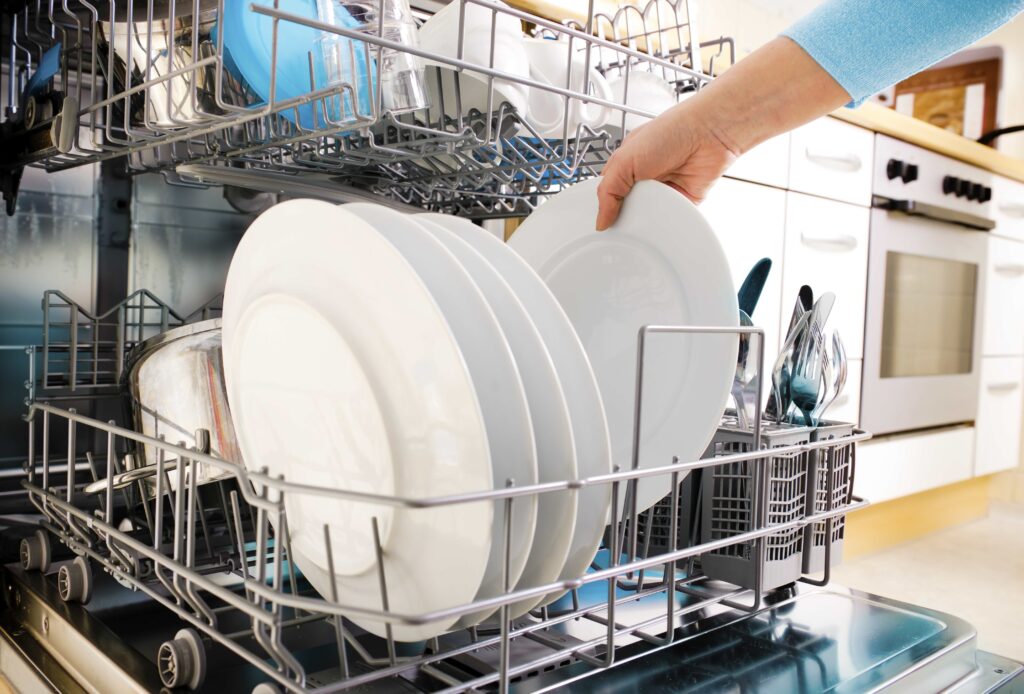
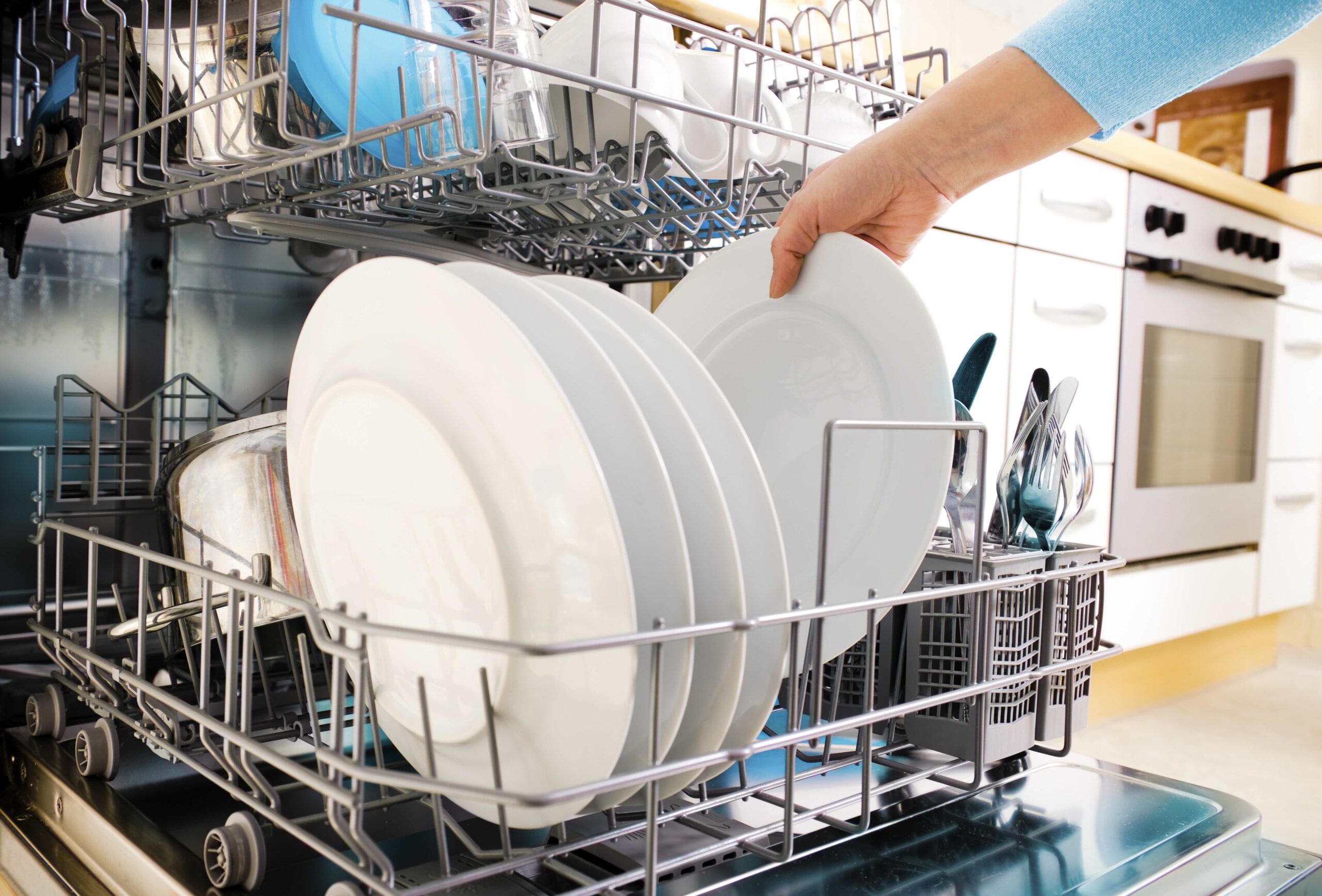
A dishwasher is a home appliance designed to automate the process of cleaning dishware, cookware, and utensils. Most models rely on a combination of pressurized hot water, detergent, and timed cycles to systematically clean and sanitize kitchen items. The process begins with a pre-rinse spray to loosen food particles, followed by the introduction of detergent and high-pressure hot water sprayed through rotating arms. Finally, the unit rinses and dries the contents using either heated air or residual heat from the wash cycle.
Inside, the dishwasher contains components such as an electric heating element, water inlet valve, drain pump, motor, and filtration system. What often goes unnoticed is that the entire cleaning process depends on precise water volume, temperature, and flow. An efficient dishwasher balances all these to maximize cleanliness while minimizing resource use—especially water.
Average Water Usage in Dishwashers
The Environmental Protection Agency (EPA) reports that standard dishwashers manufactured before 2013 use between 6 to 10 gallons of water per cycle. Comparatively, modern Energy Star-certified models use as little as 3.2 gallons of water per cycle, with high-efficiency models dipping even lower. Considering the average household runs the dishwasher approximately 5 times per week, that translates into a meaningful difference in water use over time.
Older dishwashers not only use more water but often recirculate it less efficiently. Newer models, by contrast, use sensors to adjust wash times and pressure based on the soil level of the dishes, ensuring just enough water is used without excess waste. While the upfront cost of a high-efficiency dishwasher may be higher, the savings on water bills—and often energy bills—can add up significantly year over year.
Why Water Consumption Matters for Homeowners
Beyond the immediate financial impact, water efficiency in dishwashers affects other areas of the home—and the systems that support it. For example, excessive water use can strain your home’s plumbing or even contribute to moisture issues if leaks develop. Water damage from a leaky dishwasher is one of the more common causes of home warranty claims related to kitchen appliances. A more efficient unit reduces that risk. Moreover, utility costs are predictable concerns for homeowners trying to control long-term expenses. Choosing appliances that use less water and electricity is a subtle but impactful way to stabilize monthly bills and reduce environmental impact.
Additionally, water-efficient dishwashers tend to be gentler on both your dishes and your home’s drainage over time. Lower water volumes mean less rinse-off stress, which can prolong the lifespan of your dishware. And less runoff means fewer issues with clogs and sewage backup, particularly in older homes with aging infrastructure.
The Pros and Cons of Dishwasher Ownership
There are clear advantages to owning a dishwasher, many of which relate directly to convenience and home efficiency. First and foremost, they save time—freeing homeowners from the repetitive task of nightly dishwashing. They also tend to consume less water than handwashing, especially when used correctly. Modern units feature multiple cycle settings including eco-wash, quick rinse, and heavy-duty scrub, allowing you to align water use precisely with need. In terms of hygiene, dishwashers utilizing high-temperature water surpass handwashing in sanitization efficacy.
However, dishwashers come with common drawbacks. Not all dishes get clean on the first cycle, especially if dishes are not pre-rinsed or loaded properly. Dishwashers also require regular maintenance, including filter cleaning, descaling, and periodic inspections of door seals and hoses. Over time, wear and tear can lead to water leaks or internal failures. These are issues that often fall under the protection umbrella of a home warranty—and it’s worth understanding what coverage you have before problems arise.
Maintenance Tips to Maximize Efficiency and Longevity
Maintaining a dishwasher involves more than emptying the bottom tray. Consistent upkeep ensures not only cleaner dishes but also better water efficiency. Check and clean the spray arms monthly to prevent blockages. Make sure to clear the filter to avoid buildup from trapped debris that could compromise cleaning cycles and waste water. Run a dishwasher cleaner through a hot cycle every two to three months to prevent mineral buildup inside the water lines and heating elements. Inspect hoses and seals for signs of wear, as unnoticed leaks can cause water damage that is often discovered after the fact, typically during inspection or worst-case scenario—a sudden flooding event.
Upgrading Your Dishwasher: What to Consider
If your dishwasher is over 10 years old, it may be time to reevaluate its efficiency and performance. Modern ENERGY STAR certified models offer substantial improvements in both water and energy usage. Look for features such as soil sensors, half-load options, and adjustable racks that optimize water use according to load size and soil amount. Also, consider the sound level; newer dishwashers operate quietly, a subtle yet meaningful upgrade for open-concept living areas. Cost, warranty, and water efficiency rating should all be factored into your buying decision. Lastly, professional installation ensures proper hook-ups to both water supply and drainage systems—this not only improves performance but helps avoid potential claim issues with your home warranty coverage.
Protect Your Dishwasher—and Your Home—with Armadillo
A well-functioning dishwasher is essential, but like all appliances, it’s susceptible to eventual failure. Water line breaks, pump malfunctions, and door seal leaks are not only inconvenience—they’re costly. A comprehensive home warranty from Armadillo can provide peace of mind, helping you manage unexpected repairs and replacements. Our plans cover major kitchen appliances, including dishwashers, and offer a proactive approach to home maintenance. Whether you’re purchasing new, upgrading an old unit, or just starting to think about water efficiency, a protection plan helps extend the value of your investment. Learn more about how we can support your home systems at armadillo.one or start customizing a protection plan today by visiting our plan builder.