How Much Water Does Your Dishwasher Actually Use?
Most homeowners have a general sense that running a dishwasher is more efficient than washing dishes by hand, but the actual numbers behind that claim tend to surprise people. The average modern dishwasher uses somewhere between 3 and 6 gallons of water per cycle. Older models, particularly those manufactured before 2013, can use anywhere from 10 to 15 gallons per cycle. That gap is significant, and it matters not just for your water bill but for your home’s overall efficiency profile. Understanding how your dishwasher consumes water is one of those things that sounds boring until you realize how directly it connects to real household costs and appliance longevity.
What Makes a Dishwasher Water-Efficient in the First Place
Dishwashers earn their ENERGY STAR certification by meeting water consumption thresholds set by the Environmental Protection Agency. A certified model must use 3.5 gallons or less per cycle. The engineering behind this is actually more thoughtful than most people assume. Modern dishwashers recirculate water through multiple wash arms, filter and reuse rinse water, and use soil sensors to detect how dirty the load is so the machine adjusts its water use accordingly. The result is a controlled, measured process that a handwashing session simply cannot replicate with any consistency. Hands tend to run the tap longer than necessary, and the water temperature is rarely optimized. A dishwasher, by contrast, heats water to around 120 to 140 degrees Fahrenheit, which is both more sanitary and more effective at cutting grease with less water volume.
How Dishwashers Actually Work: A Quick Overview
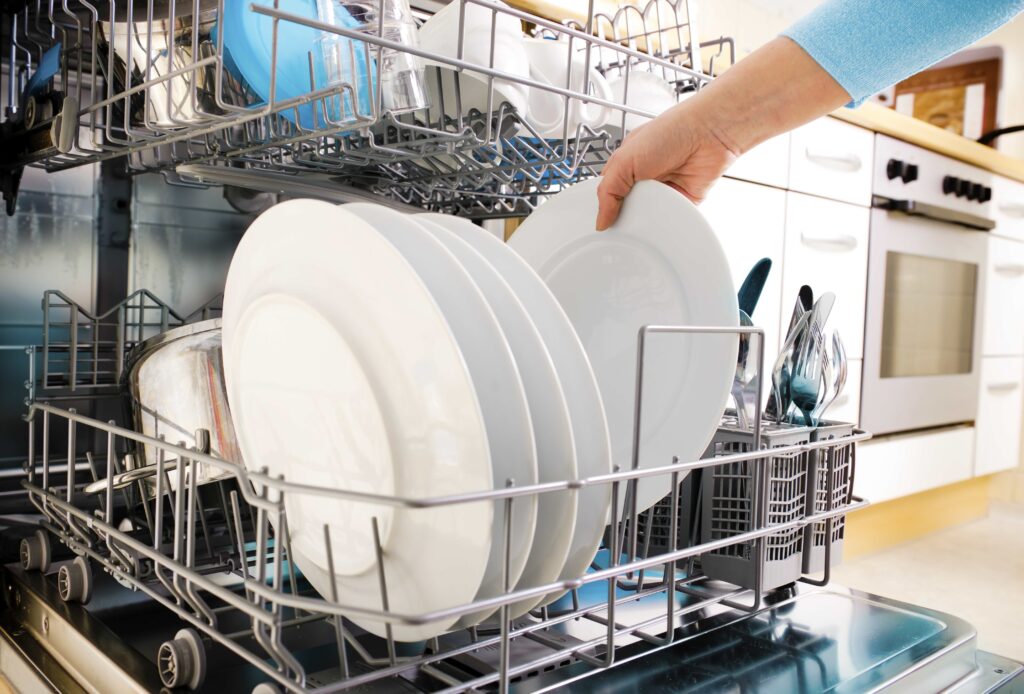
Walk through the mechanical side of a dishwasher cycle and it becomes easier to understand why water consumption is what it is. The machine draws in a set amount of water through an inlet valve, heats it using an internal heating element, then pushes that heated water through rotating spray arms positioned at the bottom and sometimes the top and middle of the tub. A detergent dispenser releases soap at a specific point in the cycle. After the main wash, the machine drains the dirty water, draws in fresh water for rinsing, and then activates a heated drying phase. The whole process is tightly controlled, which is exactly why the water numbers stay low. Nothing is running unnecessarily. The precision is built in.

The Real Advantages of Running a Dishwasher Regularly
Beyond water savings, dishwashers offer a set of practical advantages that are easy to overlook until you add them up. Regular use of an efficient dishwasher is one of the simpler ways to manage household utility costs without any lifestyle overhaul. Here is what makes a dishwasher genuinely worth having in good working condition:
- Uses significantly less water than handwashing, especially with ENERGY STAR-certified models
- Sanitizes dishes at temperatures the human hand cannot tolerate, reducing bacteria more effectively
- Saves time consistently over the course of a week and month
- Reduces detergent use compared to the unpredictable amounts used at the sink
- Adds measurable value and convenience to a home’s daily routine
These advantages stack up in a way that makes a functional dishwasher one of the more quietly impactful appliances in a home. It is easy to take for granted until it stops working, which tends to be when homeowners start asking sharper questions about what they actually had.
Common Dishwasher Problems Homeowners Should Know About
Dishwashers are durable, but they are not immune to wear. The components that manage water flow in particular are prone to issues over time. The inlet valve, which controls how much water enters the machine, can wear out and either restrict water or allow too much in. Spray arms can clog with mineral deposits, especially in areas with hard water, which affects cleaning performance without making it immediately obvious what the problem is. Door latches fail. Control boards malfunction. Heating elements burn out. And drainage issues are among the most common service calls in the appliance repair category. A dishwasher that is not draining properly is not just inconvenient, it can create moisture conditions that lead to bigger problems in the cabinetry and flooring around it.
Signs Your Dishwasher Is Not Running Efficiently
Efficiency loss in a dishwasher does not always announce itself loudly. Sometimes the machine runs fine on the surface while quietly consuming more water or energy than it should. Paying attention to a few indicators can help catch problems before they escalate into repairs or replacements.
- Dishes are coming out with residue, spots, or still visibly dirty
- The cycle takes noticeably longer than it used to
- Standing water remains at the bottom of the tub after a cycle completes
- The machine makes unusual sounds during the wash or drain phase
- There is a visible buildup of white mineral deposits inside the tub or on the spray arms
- The door seal shows cracking or the gasket is no longer creating a proper seal
Any one of these signs warrants a closer look. Some can be addressed with cleaning and basic maintenance. Others point to component failure that needs professional attention.
Maintaining Your Dishwasher to Preserve Water Efficiency
The maintenance requirements for a dishwasher are straightforward, and staying consistent with them has a direct effect on how efficiently the machine uses water over its lifespan. Cleaning the filter monthly is one of the highest-impact habits a homeowner can build. Most modern dishwashers have a removable filter located at the bottom of the tub that collects food debris. When it is clogged, the machine works harder and cleans less effectively. Running a cleaning cycle with a dishwasher-safe cleaning tablet or a cup of white vinegar placed on the bottom rack every month helps remove mineral buildup from internal components. Inspecting the spray arms for clogged holes and clearing them with a toothpick or thin wire takes about five minutes and can meaningfully restore water distribution. These small habits protect the appliance and preserve the water efficiency it was designed to deliver.
When to Repair Versus Replace Your Dishwasher
This is the question that comes up every time a dishwasher starts acting up. The general rule in the appliance industry is that if a repair costs more than half the price of a replacement unit and the machine is more than seven years old, replacement tends to make more financial sense. A brand-new ENERGY STAR dishwasher will use far less water per cycle than a machine from 2010 or earlier, so the upgrade often pays for itself over time in utility savings alone. That said, many common dishwasher failures, like a broken door latch, a worn pump, or a failed heating element, are worth repairing if the unit is relatively new and otherwise in good shape. The key is getting a clear diagnosis from a qualified technician before committing to either path.
Why Armadillo Home Warranty Makes Sense for Dishwasher Owners
A dishwasher works hard, handles water daily, and contains components that wear out over time. When something fails, the repair cost can range from a manageable inconvenience to a significant unexpected expense, and it tends to happen at the least convenient time. That is where a home warranty becomes less of an abstract concept and more of a practical financial tool. Armadillo home warranty coverage for kitchen appliances and home systems is built around exactly this kind of real-world scenario, giving homeowners a way to protect the appliances they depend on without budgeting for worst-case repair bills on their own. Whether the issue is a failed inlet valve, a malfunctioning control board, or a pump that has seen better days, having coverage in place means a qualified technician handles the diagnosis and repair without a surprise invoice landing in your inbox. If your dishwasher, HVAC system, plumbing, or other home systems are due for better protection, get a home warranty quote for your dishwasher and major appliances today and see exactly what a plan covers for your specific home.

Frequently Asked Questions About Dishwasher Water Use and Home Warranty Coverage
How many gallons of water does a modern dishwasher use per cycle?
Most ENERGY STAR-certified dishwashers use between 3 and 5 gallons of water per cycle. Older models manufactured before 2013 can use 10 to 15 gallons per cycle, making an upgrade a meaningful efficiency improvement.
Is it more water-efficient to hand wash dishes or use a dishwasher?
Running a full dishwasher is consistently more water-efficient than hand washing. Hand washing an equivalent load typically uses 15 to 27 gallons of water, depending on how long the tap runs.
How often should I clean my dishwasher filter?
Most manufacturers recommend cleaning the dishwasher filter once a month. Homes with hard water or heavy daily use may benefit from cleaning it every two to three weeks to maintain performance and efficiency.
Why is there standing water at the bottom of my dishwasher after a cycle?
A small amount of standing water is normal in some models. However, a significant pooling of water typically indicates a clogged drain filter, a blocked drain hose, or a failing drain pump, all of which should be addressed promptly.
Does a home warranty cover dishwasher repairs?
Many home warranty plans include coverage for built-in dishwashers. Coverage typically applies to mechanical and electrical failures of components like the motor, pump, water inlet valve, and control board. Reviewing your specific plan details is always recommended.
What is the average lifespan of a dishwasher?
The average dishwasher lasts between 9 and 12 years with regular use and basic maintenance. Higher-end models with proper care can exceed that range, while neglected machines may require replacement sooner.
Can hard water damage a dishwasher over time?
Yes. Hard water causes mineral buildup on spray arms, filters, and internal components, which reduces efficiency and can shorten the appliance’s lifespan. Using rinse aid and running periodic cleaning cycles helps mitigate the effects.
At what water temperature does a dishwasher clean most effectively?
Dishwashers clean most effectively at water temperatures between 120 and 140 degrees Fahrenheit. This temperature range is sufficient to dissolve grease and kill most common bacteria without damaging dishes or using excessive energy.
Should I run my dishwasher when it is not completely full?
Running a dishwasher with a partial load uses the same amount of water as a full load, which reduces overall efficiency. Waiting until the dishwasher is reasonably full before running a cycle is the most water-conscious approach.
How do I know if my dishwasher qualifies as ENERGY STAR certified?
ENERGY STAR-certified dishwashers carry a blue ENERGY STAR label on the appliance itself or in the product documentation. You can also verify certification by entering the model number on the ENERGY STAR product database maintained by the EPA.