Why Smoke Detector Maintenance Belongs on Every Homeowner’s Radar
Smoke detectors are one of those things that sit quietly on the ceiling, doing absolutely nothing for years — and that is exactly how you want it. But when something actually happens, those unassuming little devices are the difference between a close call and a catastrophe. The problem is that most homeowners forget about them entirely until a low battery chirp starts happening at two in the morning. That is not a maintenance strategy. That is just luck running out slowly. Knowing how often smoke detectors should be tested, replaced, and serviced is a fundamental part of responsible homeownership — and yes, it connects directly to your home warranty coverage too.
What a Smoke Detector Actually Does and Why It Matters
A smoke detector is a life-safety device designed to sense combustion particles or heat in the air and alert occupants before a fire becomes uncontrollable. There are two primary types: ionization detectors, which respond faster to fast-flaming fires, and photoelectric detectors, which are better at catching slow, smoldering fires. Some units combine both technologies. Hardwired models connect directly to your home’s electrical system and often include a battery backup, while battery-only models operate independently. Either way, the device is only as reliable as the maintenance behind it. A smoke detector that has not been tested in two years is essentially a plastic decoration on your ceiling.
How Often Should Smoke Detectors Be Tested
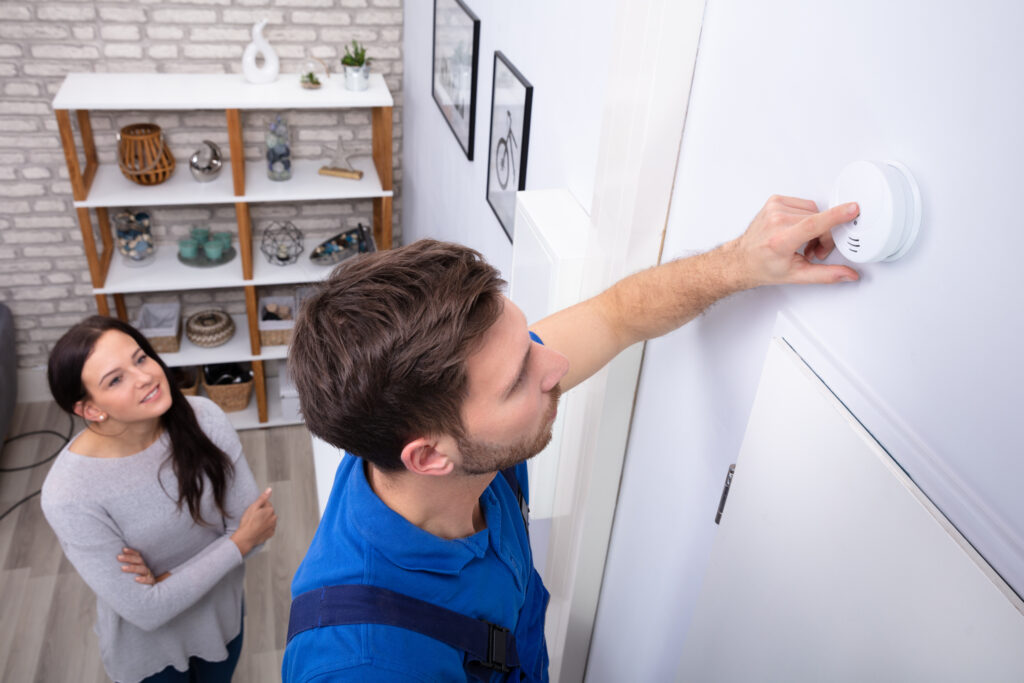
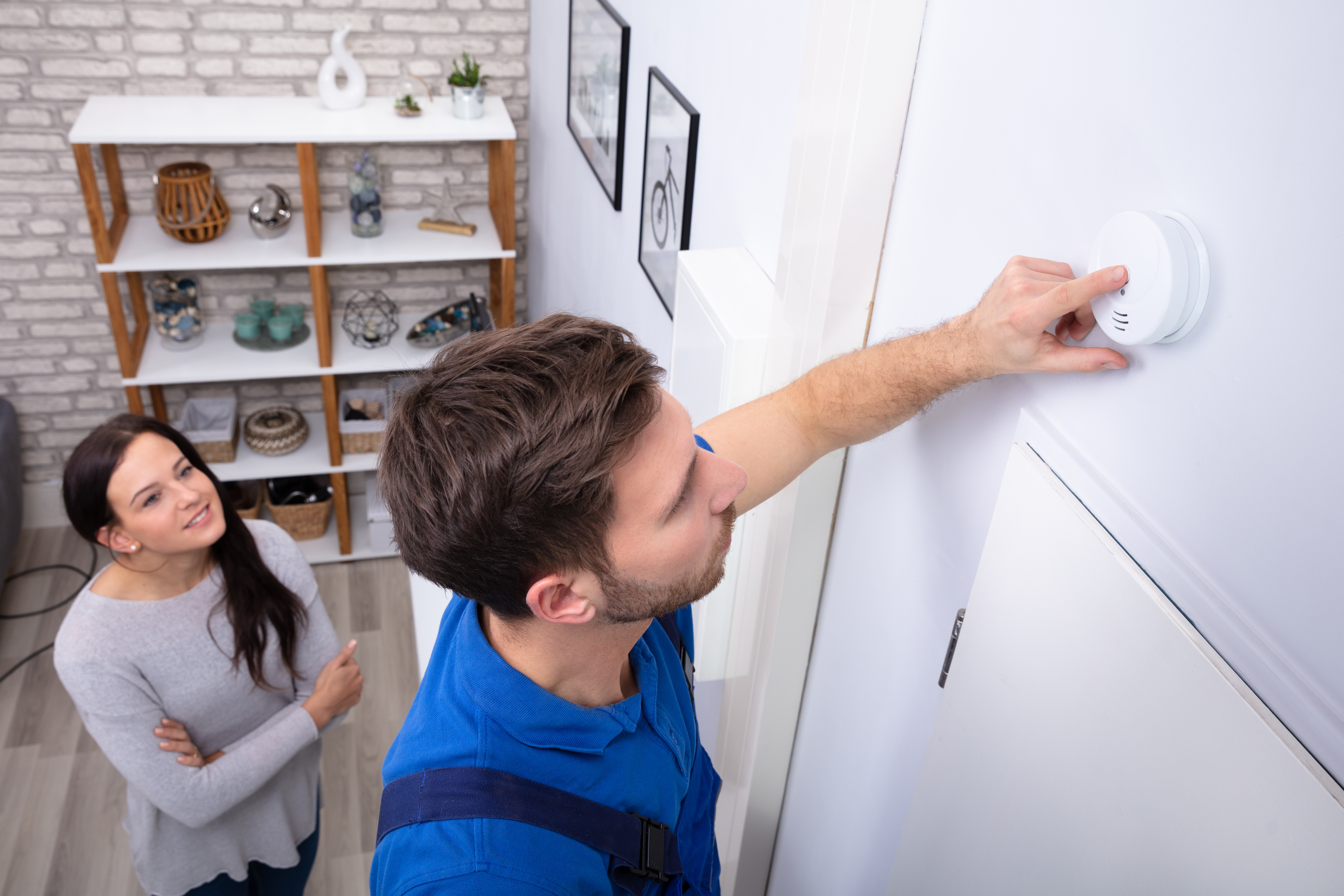
This is the part that trips up most homeowners. According to the National Fire Protection Association, smoke detectors should be tested at least once a month. That is twelve times a year. Testing is simple — press and hold the test button until the alarm sounds. If it does not sound, or sounds weak, the battery needs replacing or the unit itself may need attention. Beyond monthly testing, batteries in battery-operated detectors should be replaced at least once a year, though many fire safety experts recommend replacing them every six months to be safe. A reliable habit is to swap batteries when you change your clocks for daylight saving time. And full unit replacement? That should happen every ten years, regardless of whether the detector appears functional. Smoke sensors degrade over time even when they seem to be working just fine.
Smoke Detector Placement and Coverage Standards
Testing frequency only matters if the detectors are placed correctly to begin with. Most building codes and fire safety guidelines call for smoke detectors inside every bedroom, outside each sleeping area, and on every level of the home including the basement. That means a two-story home with three bedrooms should have at minimum five smoke detectors. Kitchens need some attention here too — detectors should be installed at least ten feet from cooking appliances to reduce false alarms, but not so far that they cannot detect an actual kitchen fire. Interconnected systems, where all alarms sound when one is triggered, are considered the gold standard for residential safety. Hardwired units typically support interconnection more easily than battery-only models.

Key Advantages of Staying on Top of Smoke Detector Maintenance
Consistent smoke detector maintenance delivers benefits that extend well beyond the obvious safety implications. Here is what homeowners stand to gain by keeping up with a proper testing and replacement schedule:
- Significantly reduced risk of fire-related injury or death — working smoke detectors cut the risk of dying in a home fire by more than half, according to fire safety data
- Lower homeowners insurance premiums in some cases, as insurers reward proactive safety measures
- Peace of mind during travel, knowing the home is protected even when unoccupied
- Compliance with local building codes, which can affect home sale inspections and appraisals
- Reduced likelihood of false alarms that desensitize household members to the sound of the alarm
Common Drawbacks and Challenges Homeowners Face
No system is perfect, and smoke detectors come with their own set of frustrations. False alarms triggered by cooking smoke, steam from showers, or even dust accumulation are among the most common complaints. Over time, these nuisance alarms cause homeowners to disable detectors entirely — which is a serious safety hazard. Hardwired units can be tricky to replace without some basic electrical knowledge, and older interconnected systems may not be compatible with newer replacement models. Battery-powered detectors introduce the ongoing cost and inconvenience of battery management. In multi-story homes or larger square footage layouts, ensuring full coverage without gaps requires careful planning that many homeowners skip during initial setup.
Smoke Detectors and the Home Warranty Connection
Here is where things get a little more nuanced, and it is worth paying attention. Most standard home warranty plans do not cover smoke detectors as a standalone item. This is largely because detectors are considered safety devices rather than mechanical systems or appliances in the traditional sense. However, the hardwired electrical components that connect smoke detectors to your home’s electrical system may fall under electrical system coverage depending on the plan. If a hardwired detector fails due to an electrical fault covered under your warranty, that intersection is worth exploring with your provider. The broader takeaway is this: home warranty coverage protects the systems and appliances that make your home functional, while smoke detectors protect the people inside it. Both matter, and neither replaces the other.
A Practical Smoke Detector Maintenance Schedule to Follow
Putting this all together into an actionable routine makes compliance far easier. Most homeowners do best with a tiered maintenance approach that builds testing and inspection into existing habits rather than treating it as a separate project. Consider the following schedule as a baseline:
- Monthly: Press test button on every smoke detector in the home and confirm alarm sounds properly
- Every six to twelve months: Replace batteries in all battery-operated units, even if they appear functional
- Annually: Vacuum or gently dust detector units to remove debris that can interfere with sensors
- Every ten years: Replace all smoke detector units entirely, and check manufacturing date labels if unsure of age
- After any fire event or false alarm: Inspect the affected detector for damage or contamination before returning it to service
Smart Smoke Detectors and Modern Upgrades Worth Considering
The smoke detector market has changed considerably in the past decade, and homeowners now have access to smart devices that connect to home networks and send alerts directly to a smartphone. Smart detectors can distinguish between smoke and steam, reducing false alarms. Some models integrate with smart home platforms like Google Home or Amazon Alexa, allowing voice alerts and remote monitoring. For homeowners with interconnected hardwired systems, wireless smart bridges are available that link older wired detectors to modern smart platforms without requiring a full rewire. The cost premium over standard detectors is worth evaluating against the added functionality, particularly for homeowners who travel frequently or manage rental properties where real-time alerts carry significant value.
Why Armadillo Is the Right Home Warranty Partner for Safety-Conscious Homeowners
Taking smoke detector maintenance seriously says something about how you approach homeownership overall — and that mindset deserves a home warranty partner that matches it. Armadillo is built for homeowners who want straightforward, honest coverage without the runaround. If you are looking for a home warranty plan that protects your essential systems and appliances, Armadillo offers transparent coverage options that are easy to understand and built around how real homes actually work. Whether your concern is the electrical system powering your hardwired detectors, your HVAC, or the appliances you rely on daily, Armadillo is designed to cover the things that matter most. The best time to get protected is before something goes wrong — so take two minutes and get a free home warranty quote for your home today. It is a simple step that responsible homeowners are glad they took.

Frequently Asked Questions About Smoke Detector Testing and Maintenance
These are the questions homeowners ask most often about smoke detector upkeep, testing schedules, and what it all means for home safety and warranty coverage.
How often should smoke detectors be tested in a home?
Smoke detectors should be tested at least once a month by pressing the test button and confirming the alarm sounds correctly.
How often should smoke detector batteries be replaced?
Batteries should be replaced at least once a year. Many fire safety professionals recommend every six months for added reliability.
When should a smoke detector be completely replaced?
Smoke detectors should be fully replaced every ten years from the date of manufacture, regardless of whether they appear to be functioning normally.
How many smoke detectors does a home need?
Homes should have smoke detectors inside every bedroom, outside each sleeping area, and on every level of the home including the basement.
Are smoke detectors covered under a home warranty plan?
Most home warranty plans do not cover smoke detectors directly, as they are classified as safety devices rather than mechanical systems. However, hardwired electrical connections may fall under electrical system coverage depending on the specific plan.
What is the difference between ionization and photoelectric smoke detectors?
Ionization detectors respond more quickly to fast-flaming fires, while photoelectric detectors are more sensitive to slow, smoldering fires. Combination units that include both technologies offer the broadest protection.
Why does my smoke detector keep going off for no reason?
False alarms are commonly caused by cooking smoke, steam from bathrooms, dust accumulation inside the sensor, or an aging unit that has become oversensitive. Cleaning the unit and checking its placement can reduce nuisance alarms.
Can I replace a hardwired smoke detector myself?
Hardwired smoke detectors can often be replaced by homeowners comfortable with basic electrical tasks, but the power should always be shut off at the breaker first. When in doubt, a licensed electrician should handle the replacement.
Do smart smoke detectors work better than standard ones?
Smart smoke detectors offer added features like smartphone alerts, better differentiation between smoke and steam, and integration with smart home systems, but standard detectors that are properly maintained still provide effective basic protection.
What should I do after a smoke detector goes off due to an actual fire?
After any fire event, the affected smoke detector should be inspected for heat damage or contamination before being returned to service. Detectors exposed to significant smoke or heat may need to be replaced even if they appear undamaged.