How Often Should You Drain Your Water Heater? A Homeowner’s Guide
Your water heater works quietly in the background every single day, and honestly, most homeowners never give it a second thought until something goes wrong. That is exactly the kind of relationship that leads to expensive surprises. One of the most overlooked but genuinely impactful pieces of water heater maintenance is draining the tank. It sounds simple because it is, but the question of how often to drain a water heater trips up a lot of people. The short answer is once a year. The longer answer involves understanding why it matters, what happens when you skip it, and how this one habit connects directly to the lifespan of one of your home’s most essential appliances.
What Happens Inside Your Water Heater Tank
Water contains naturally occurring minerals, primarily calcium and magnesium. When water sits in a tank and gets heated repeatedly, those minerals separate from the water and settle at the bottom of the tank as sediment. Over time, this sediment builds into a thick layer. That layer forces your water heater to work harder to heat the water sitting above it, which drives up energy costs and puts unnecessary strain on the heating element or burner. In gas water heaters, that sediment layer can cause overheating at the bottom of the tank, which degrades the steel and shortens the tank’s life considerably. It is a slow process, which is part of why it sneaks up on homeowners.
How Often Should You Drain Your Water Heater
The general recommendation from most plumbers and manufacturers is to flush and drain your water heater at least once per year. If your home has hard water, meaning water with a higher concentration of dissolved minerals, you may want to do this every six months. Hard water accelerates sediment buildup significantly, and if you have noticed white or chalky residue around your faucets or showerheads, that is a strong indicator that your water supply runs on the harder side. Annual draining is a reasonable baseline for most households, but your local water quality should guide how aggressive you are with this schedule.
Signs Your Water Heater Needs to Be Drained Now
Sometimes the calendar is not the only cue. Your water heater will often tell you when it needs attention if you know what to listen and look for. Watch out for these indicators:
- Rumbling or popping sounds coming from the tank during heating cycles
- Inconsistent water temperature or water that takes longer than usual to heat
- Discolored or rusty hot water coming from your taps
- Reduced hot water pressure compared to cold water pressure
- Visible sediment or particles in the water
Any of these signs suggest that sediment has accumulated to the point where it is actively affecting performance. Draining the tank at that stage is still worthwhile, though in severe cases, some of the sediment may have hardened to the point where a full flush alone will not resolve the problem.
How to Drain a Water Heater Step by Step
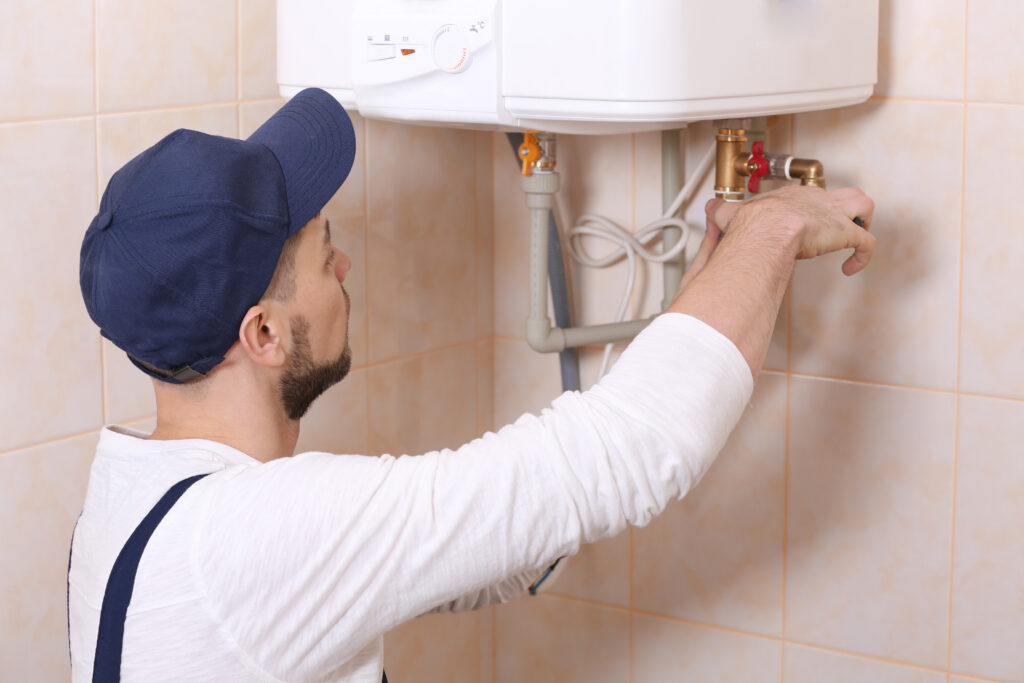
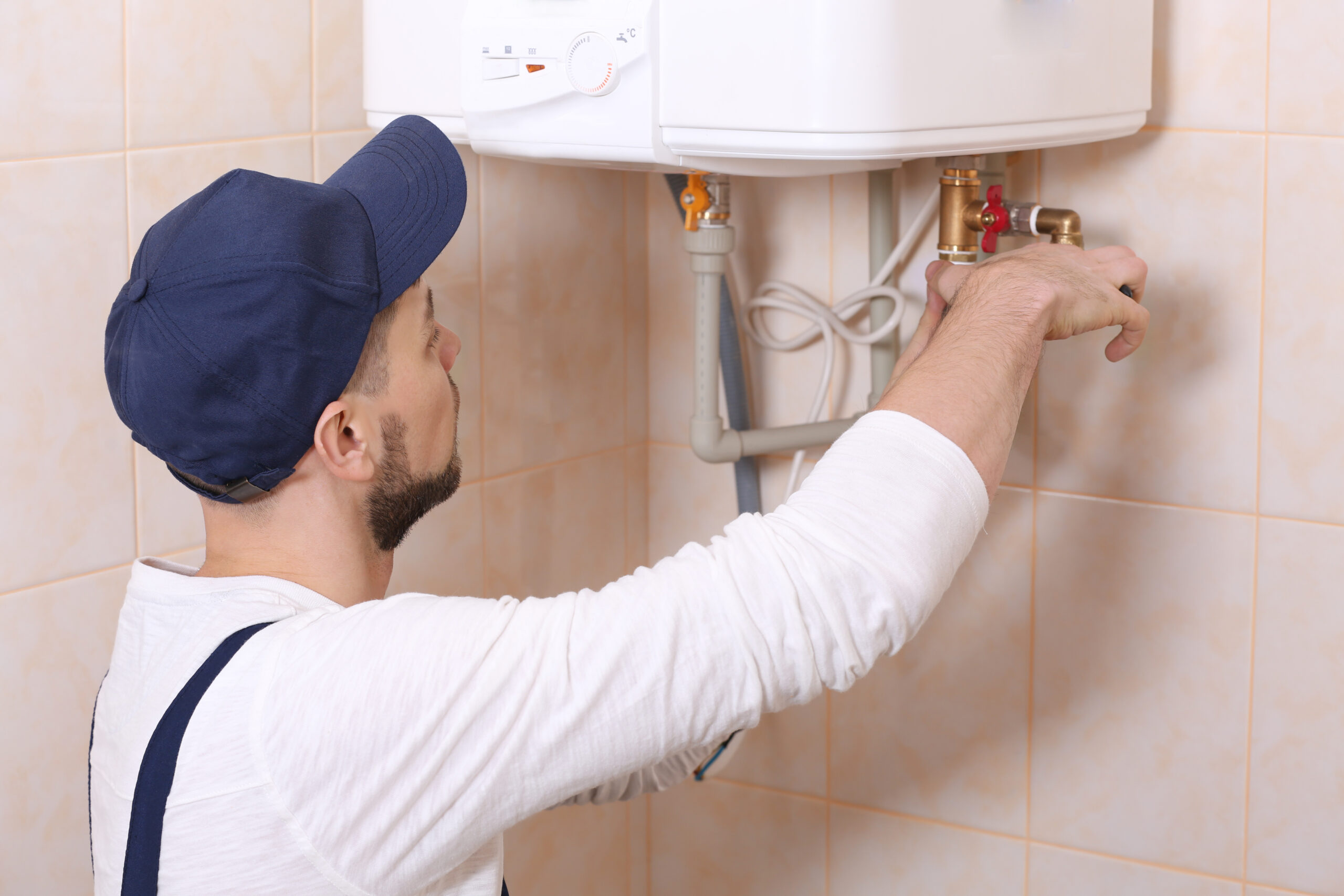
Draining your water heater is something most homeowners can handle on their own with minimal tools. You will need a garden hose, a flathead screwdriver, and about an hour of patience. Start by turning off the power supply, either switching off the breaker for electric units or setting the gas valve to the pilot position for gas units. Connect a garden hose to the drain valve at the bottom of the tank and run the other end to a floor drain or outside. Turn off the cold water supply inlet at the top of the tank, then open a hot water faucet somewhere in the house to relieve pressure. Open the drain valve and let the water flow out completely. Once empty, briefly turn the cold water supply back on to flush out any remaining sediment, then close the drain valve, disconnect the hose, and refill the tank before restoring power.

Key Benefits of Regular Water Heater Flushing
The advantages of draining your water heater consistently go well beyond just keeping things clean. When sediment is removed on a regular schedule, the unit operates more efficiently because the heating element or burner is not fighting through a mineral barrier to do its job. This directly translates to lower energy bills. Beyond efficiency, a well-maintained water heater simply lasts longer. The average tank water heater has a lifespan of eight to twelve years. Homeowners who flush their tanks annually often land closer to that twelve-year mark, while those who neglect maintenance may start seeing problems well before the eight-year point. Routine draining also gives you a chance to inspect the anode rod, which is the sacrificial component inside the tank that prevents internal corrosion.
Common Drawbacks and What to Watch For
Draining a water heater is not without its pitfalls. One of the most common issues homeowners encounter is a drain valve that has never been opened and has essentially seized or corroded in place. Forcing it can cause the valve to leak afterward, which then requires a replacement. Older tanks that have gone years without maintenance sometimes release sediment that is too dense or compacted to fully flush, meaning the benefits of a single drain are limited. There is also the risk of scalding, since the water in the tank is extremely hot. Patience matters here. Letting the water cool for a couple of hours before draining, or at minimum working carefully and wearing protective gear, is strongly advised.
Electric vs. Gas Water Heaters: Does It Change the Routine
The draining process is largely the same whether you have an electric or gas water heater, but there are a few differences worth noting. With electric units, it is critical that you do not restore power until the tank is completely full of water again. Running an electric heating element dry will burn it out immediately, and that is a repair cost that is entirely avoidable. Gas units require you to relight the pilot light after the process if it goes out during the procedure. Both types benefit equally from annual flushing, and the frequency recommendation does not change based on fuel source. What does change is your local water hardness and how long the unit has been in service without maintenance.
What About Tankless Water Heaters
Tankless water heaters, which heat water on demand rather than storing it in a reservoir, require a different maintenance approach. They do not accumulate sediment in the same way a traditional tank does, but they are not entirely immune to mineral buildup. Instead of draining, tankless units require periodic descaling or flushing with a vinegar solution through the heat exchanger. Manufacturers typically recommend this process once a year as well, and more frequently in hard water areas. If you have recently transitioned from a tank to a tankless system, understand that the maintenance needs have shifted rather than disappeared.
How a Home Warranty Can Protect Your Water Heater Investment
Even when you do everything right, water heaters can and do fail. Components wear out, valves leak, and tanks eventually reach the end of their service life. That is where having solid coverage in place becomes genuinely valuable. Armadillo home warranty plans for water heater protection and major home systems are built to help homeowners avoid the financial shock of unexpected appliance breakdowns. When your water heater fails outside of normal maintenance causes, having a home warranty means you are not starting from zero with repair or replacement costs. If you are thinking about what that coverage actually looks like for your home, you can get a personalized home warranty quote that covers your water heater and other essential systems in just a few minutes. Maintenance habits and financial protection are not an either-or situation. They work better together.

Frequently Asked Questions About Draining Your Water Heater
Homeowners ask a lot of good questions about water heater maintenance. Here are the most common ones, answered directly.
How often should I drain my water heater?
Most manufacturers and plumbing professionals recommend draining your water heater once per year. If you have hard water, consider flushing it every six months to prevent accelerated sediment buildup.
What happens if I never drain my water heater?
Sediment accumulates at the bottom of the tank, forcing the unit to work harder, reducing efficiency, increasing energy costs, and shortening the overall lifespan of the appliance. In severe cases, the tank can overheat and fail prematurely.
Can I drain my water heater myself or do I need a plumber?
Most homeowners can drain a water heater themselves with basic tools and about an hour of time. However, if the drain valve is seized, corroded, or leaking, it is best to contact a licensed plumber to handle the repair.
How long does it take to drain a water heater?
A full drain typically takes between 20 and 45 minutes depending on the size of the tank and how much sediment is present. Allow additional time for the water to cool before starting if safety is a concern.
Is it safe to drain a water heater on my own?
Yes, but caution is necessary. The water inside the tank is very hot. Allow the unit to cool for one to two hours before draining, or take precautions with protective gear and careful valve handling to avoid scalding.
Will draining my water heater lower my energy bill?
Yes, removing sediment allows the heating element or burner to operate more efficiently, which reduces the energy required to heat water. The impact is more noticeable in units that have gone several years without maintenance.
What does rusty or discolored hot water mean?
Rusty or discolored hot water is often a sign of corrosion inside the tank or a failing anode rod. Draining the tank and inspecting the anode rod should be the first steps, though in some cases it may indicate the tank itself needs to be replaced.
Does a tankless water heater need to be drained too?
Tankless water heaters do not store water, so they do not require draining in the traditional sense. However, they do need periodic descaling to remove mineral buildup from the heat exchanger, typically once a year.
Does a home warranty cover water heater repairs and replacement?
Many home warranty plans include coverage for water heater repairs and replacement when the failure is due to normal wear and tear rather than lack of maintenance. Coverage details vary by provider and plan, so reviewing the specific terms is important.
What is the average lifespan of a tank water heater with proper maintenance?
With consistent annual draining and proper care, a tank water heater can last between ten and twelve years. Without regular maintenance, failures often occur closer to the six to eight year mark.