Why Smoke Alarm Testing Is One of the Most Important Things You Can Do as a Homeowner
Most homeowners think about smoke alarms exactly twice: when the battery dies and starts chirping at 2 a.m., and when they burn something on the stove. That is not a testing strategy. That is just life happening to you. Smoke alarms are one of the few things in your home that exist solely to save your life, and yet they are almost universally ignored between installations. Understanding how often you should test smoke alarms, and what that process actually involves, is not just good housekeeping. It is a genuine safety decision that affects everyone living under your roof.
What a Smoke Alarm Actually Does and How It Works
A smoke alarm is a device designed to detect combustion byproducts, typically smoke particles or heat, and emit an audible alert before a fire has a chance to spread. There are two primary types used in residential settings. Ionization alarms use a small amount of radioactive material to ionize air inside a sensing chamber, and when smoke disrupts that ionized air, the alarm triggers. Photoelectric alarms use a light beam inside the chamber, and when smoke scatters that beam onto a sensor, the alarm sounds. Some modern units combine both technologies, and others include carbon monoxide detection as well. Each type responds differently depending on the nature of a fire, which is why placement and testing both matter more than most people realize.
How Often Should You Test Smoke Alarms
The answer is monthly. That is the recommendation from the National Fire Protection Association, and it is echoed by fire safety organizations across the country. Testing once a month takes about thirty seconds per unit. You press and hold the test button until the alarm sounds, confirm it is audible from all areas of the home, and move on. Simple. Beyond monthly testing, there are other maintenance intervals worth knowing:
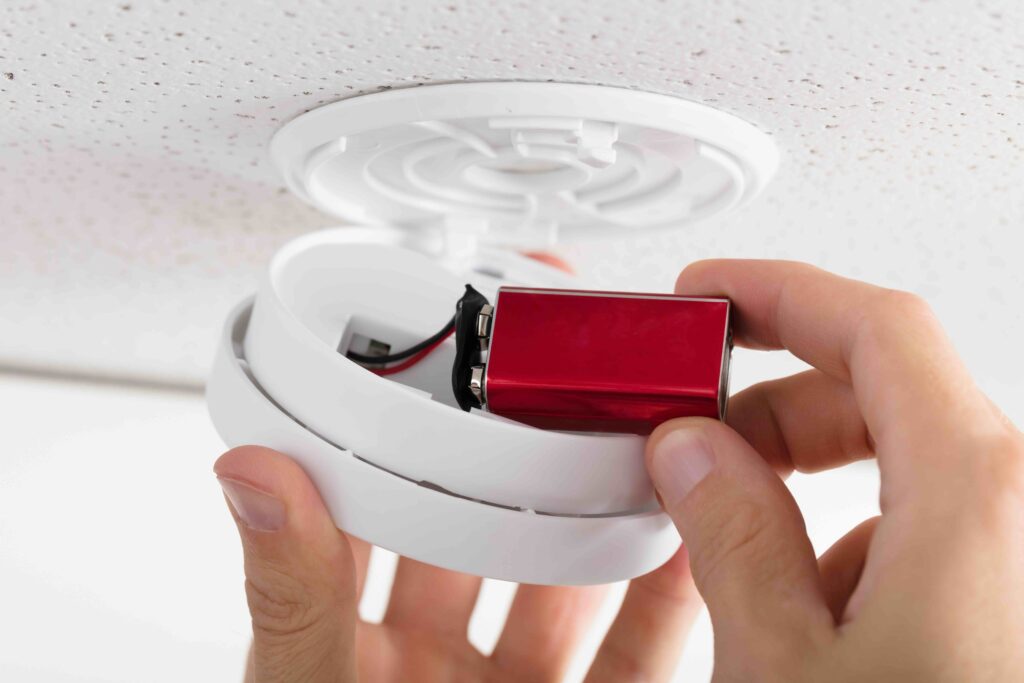
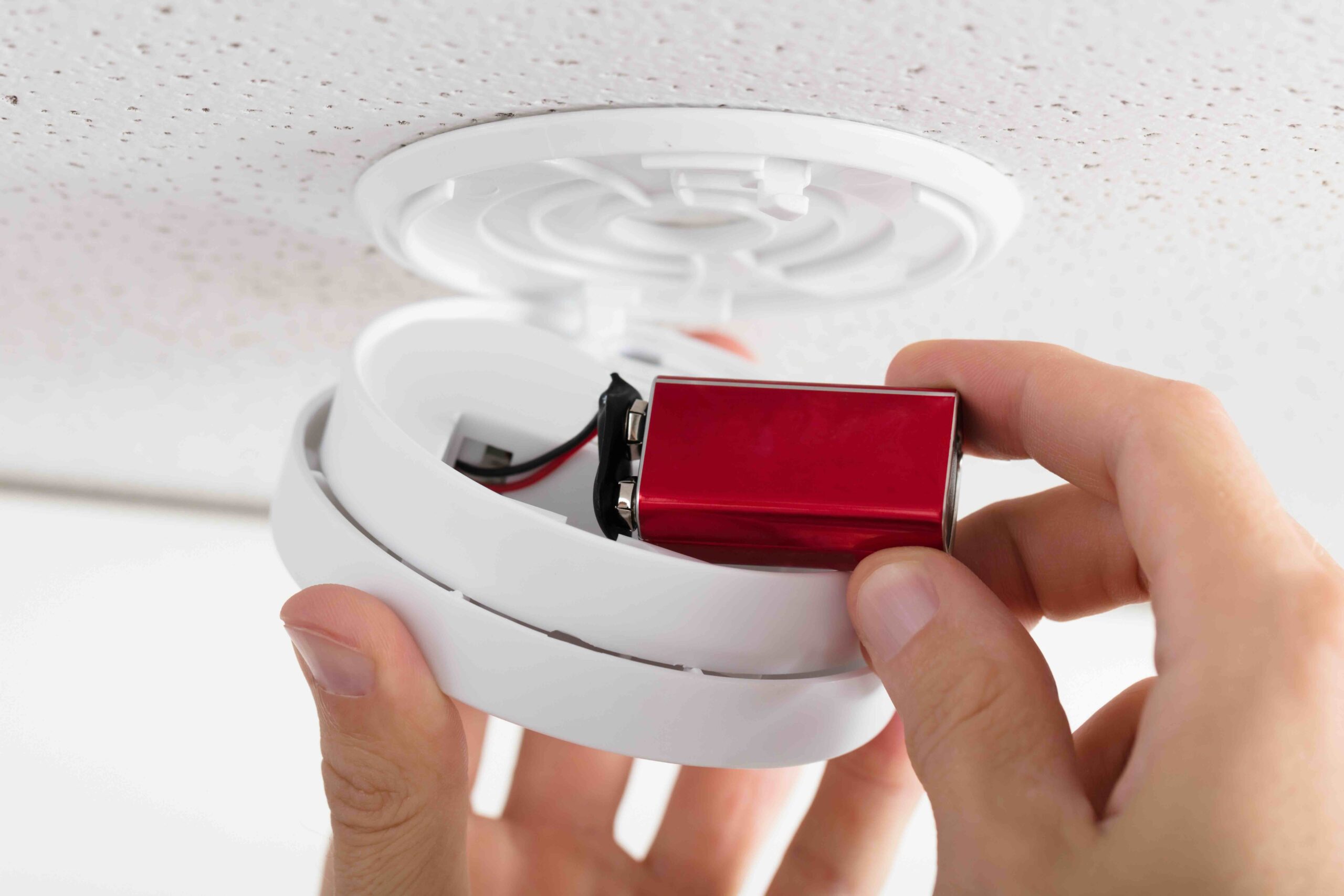
- Replace batteries in battery-operated or combination units at least once per year, or whenever the low-battery chirp begins
- Replace hardwired smoke alarms with battery backup every ten years, even if they appear to be functioning normally
- Clean alarms every six months using a vacuum attachment to remove dust and debris from the vents
- Test interconnected alarms throughout the home to confirm all units trigger when one is activated
The ten-year replacement rule is often overlooked entirely. Smoke alarm sensors degrade over time, and a unit that sounds when you press the test button may not respond reliably to actual smoke. The test button checks the horn, not the sensor itself. That is an important distinction most homeowners never think about.
Where Smoke Alarms Should Be Installed in Your Home
Testing only matters if your alarms are in the right locations. Current guidelines recommend a smoke alarm inside every bedroom, outside each sleeping area, and on every level of the home including the basement. Alarms should be mounted on the ceiling or high on a wall, since smoke rises. They should not be placed within ten feet of a cooking appliance to avoid nuisance trips from normal cooking activity, and they should not be installed near windows, doors, or ducts where drafts could interfere with detection. If your home was built before modern placement standards were codified, it may be worth walking through with fresh eyes to evaluate coverage.

The Key Advantages of Staying on a Regular Testing Schedule
Committing to monthly smoke alarm tests creates a layer of home safety that is genuinely difficult to replicate any other way. Early fire detection is the single greatest factor in surviving a residential fire. According to fire safety research, working smoke alarms cut the risk of dying in a reported home fire in half. Beyond that, staying on a consistent testing schedule means you are more likely to catch failing batteries before they become a problem, identify alarms that have reached end of life, and spot units that may have been accidentally disconnected or damaged. It also creates awareness. Homeowners who test regularly are more familiar with where alarms are located, which matters when seconds count.
Common Drawbacks and Challenges Homeowners Face
Consistency is the main problem. Monthly testing sounds manageable until three months pass and you realize you have not thought about it once. Nuisance alarms from cooking or steam from showers also cause a frustrating cycle where homeowners remove batteries to stop false trips and then forget to replace them. Hardwired systems introduce a different set of complications, particularly in older homes where wiring may not support interconnected units. And then there is the issue of accessibility. Alarms installed on high ceilings in two-story foyers or stairwells can be genuinely difficult to reach for testing or replacement, leading to units that go untouched for years. None of these challenges are insurmountable, but they do require intentional planning.
Practical Tips for Building a Smoke Alarm Maintenance Routine
The easiest approach is to attach smoke alarm testing to something you already do on a consistent schedule. Many fire safety professionals suggest testing alarms when clocks change for daylight saving time, which handles a biannual check and serves as a natural battery replacement reminder. For monthly testing, setting a recurring phone reminder on the first of each month removes the reliance on memory entirely. Keeping a small log, even just a note on your phone, with the installation date and last test date for each alarm in your home helps track replacement schedules without guesswork. If accessibility is an issue, an extendable duster handle or a step stool kept in a consistent location removes the friction that often causes people to skip testing altogether.
Smoke Alarms and Your Home Warranty Coverage
Here is where the home warranty conversation becomes relevant. Smoke alarms themselves are generally not covered under standard home warranty plans, since they are considered safety devices rather than mechanical systems. However, the electrical systems they connect to, including hardwired circuits, breaker panels, and the wiring that powers interconnected alarm networks, often are covered. When a hardwired smoke alarm fails to function correctly and the root cause traces back to an electrical wiring issue or a connected system component, that is the kind of repair where home warranty coverage can step in and reduce out-of-pocket costs significantly. Understanding the distinction between the device and the system it operates within is an important part of being an informed homeowner.
Signs Your Smoke Alarms Need Immediate Attention
Do not wait for the monthly test if any of the following are present. An alarm that chirps randomly, fails to sound during a manual test, displays a fault indicator light, or has visible yellowing or discoloration on the housing is telling you something. Yellowing in particular is a sign of age-related degradation in the plastic casing, and it often correlates with sensor decline. An alarm that sounds without any apparent cause, repeatedly and not in response to cooking or steam, may have a contaminated sensor chamber or may simply be at end of life. Any unit that is ten years old or older should be replaced regardless of whether it appears to be working. Appearance and function during a button test are not reliable proxies for actual detection capability.
How Armadillo Supports Homeowners Who Take Their Home Systems Seriously
If you are the kind of homeowner who tests smoke alarms monthly, checks HVAC filters, and pays attention to how your systems are performing, then you already understand the value of being prepared before something goes wrong. That same mindset is exactly what Armadillo home warranty plans for proactive homeowners are built around. Armadillo covers the mechanical systems and appliances that keep your home running, and when something breaks down unexpectedly, you are not left scrambling for a contractor or staring down a repair bill that disrupts your budget. From HVAC and plumbing to electrical systems that power your interconnected safety devices, coverage matters. If you have not looked into what a home warranty can do for your specific situation, now is a reasonable time to get a personalized home warranty quote to protect your home systems and see what fits your home and your budget.

Frequently Asked Questions About Smoke Alarm Testing and Maintenance
Real questions from homeowners, answered directly.
How often should you test smoke alarms in your home?
Smoke alarms should be tested once per month using the built-in test button. This confirms the alarm horn is functioning and that the unit has adequate power. Monthly testing is the standard recommendation from the National Fire Protection Association.
Does pressing the test button actually test the smoke sensor?
No. The test button checks the alarm circuit and horn, not the smoke detection sensor itself. The only way to test the sensor is with actual smoke or a specialized aerosol test spray designed for that purpose. This is why replacing alarms every ten years matters even when the button test appears normal.
How long do smoke alarm batteries last?
Standard nine-volt batteries in smoke alarms typically last six to twelve months under normal use. Some newer alarms use sealed ten-year lithium batteries designed to last the life of the unit. Check your specific model’s documentation for the manufacturer’s recommendation.
When should smoke alarms be replaced entirely?
Smoke alarms should be replaced every ten years from the manufacture date, which is printed on the back of the unit. Sensors degrade over time and may not respond reliably to smoke even if the alarm sounds during a button test.
How many smoke alarms does a home actually need?
Current guidelines recommend at least one smoke alarm inside every bedroom, one outside each sleeping area, and one on every level of the home including the basement. Larger homes or homes with open floor plans may require additional units for adequate coverage.
What is the difference between ionization and photoelectric smoke alarms?
Ionization alarms respond more quickly to fast-flaming fires that produce smaller combustion particles. Photoelectric alarms respond more quickly to slow, smoldering fires that produce larger smoke particles. Combination alarms include both technologies and are generally recommended for comprehensive residential coverage.
Why does my smoke alarm keep going off for no reason?
Nuisance alarms are commonly caused by cooking fumes, steam from showers, dust accumulation inside the sensor chamber, or a unit that is nearing end of life. If cleaning the unit does not resolve random triggering and no cooking or steam is present, the alarm may need to be replaced.
Are smoke alarms covered under a home warranty plan?
Smoke alarm devices themselves are generally not covered under standard home warranty plans, as they are classified as safety devices rather than mechanical systems. However, the electrical wiring and systems that power hardwired alarms may fall within coverage depending on the plan terms.
Can I install smoke alarms myself or do I need an electrician?
Battery-operated smoke alarms can be installed without professional help in most cases. Hardwired alarms that connect to your home’s electrical system should be installed by a licensed electrician to ensure proper wiring, grounding, and interconnection with other units throughout the home.
What should I do if a smoke alarm fails during a monthly test?
First, replace the battery and test again. If the alarm still does not sound, check the manufacture date on the back of the unit. If it is ten years old or older, replace it immediately. If it is newer and still failing after a fresh battery, the unit itself is defective and should be replaced as soon as possible.