How Often Should You Drain Your Water Heater? A Homeowner’s Guide
Your water heater is one of the most quietly essential systems in your home. When it’s working right, you barely think about it. But like any appliance that works behind the scenes day in and day out, it requires a bit of routine care to keep delivering hot water consistently and efficiently. One critical maintenance task that often goes overlooked? Draining your water heater. If you’re like most homeowners, you’re probably unsure how often this needs to be done—or even why it matters. Let’s change that.
Understanding Water Heater Maintenance
Draining your water heater isn’t just a suggestion—it’s a necessary maintenance step that can extend the life of your unit and keep utility bills in check. Over time, sediment like minerals and debris builds up at the bottom of the water heater tank, especially in areas with hard water. This sediment insulates the water from the burner or heating element, which means your heater has to work harder and may eventually start to fail. Flushing the tank removes this layer and helps the system operate as intended.
How a Water Heater Works
Before diving into when and how to maintain your water heater, a quick overview of how it works helps. Most U.S. homes use either a gas or electric storage tank water heater. Cold water enters the tank, is heated by a gas burner or electric element, then rises to the top of the tank where it exits through a dedicated hot water outlet pipe. The water heater maintains this cycle throughout the day—ensuring hot water is on standby whenever needed. Once sediment forms a layer at the bottom of the tank, the heating process becomes inefficient, leading to wasted energy, increased costs, and potentially shortening the life of the unit.
How Often Should You Drain It?
General guidance recommends draining your water heater at least once a year. In some cases, every six months is more appropriate—especially if your home has hard water or you notice signs like popping or rumbling noises from the unit, inconsistent hot water, or discoloration. Annual flushing helps prevent corrosion and sediment buildup, keeping your water heater optimized and extending its lifespan by several years. It’s a simple act of preventive maintenance that can ultimately save you from the cost and inconvenience of early replacement.
Benefits of Regular Water Heater Flushing
The advantages of a well-maintained water heater go beyond longer system life. Flushing improves heating efficiency, which directly impacts energy use and utility costs. It also reduces system stress, helping to prevent emergency breakdowns when you least expect them—like during a cold morning shower. Additionally, regular draining can prevent foul odors and discolored water by discouraging bacteria and rust buildup inside the tank. These are small preventive efforts with big payoffs for homeowners who prioritize their system’s health.
Drawbacks and Considerations of Draining
While the benefits are clear, there are a few considerations to keep in mind. Draining a water heater does involve some work and time, especially if it hasn’t been flushed in several years. In older systems or neglected units, sediment may have hardened, making removal more difficult. Improper techniques—like failing to turn off the water supply or heater before draining—could lead to leaks or damage. For those uncomfortable handling plumbing tasks, hiring a licensed plumber to perform the flushing may be worth the investment. Keep in mind, though, that including water heater maintenance under a home warranty may save both time and troubleshooting in the long run.
Tips for Homeowners Planning to Drain the Tank
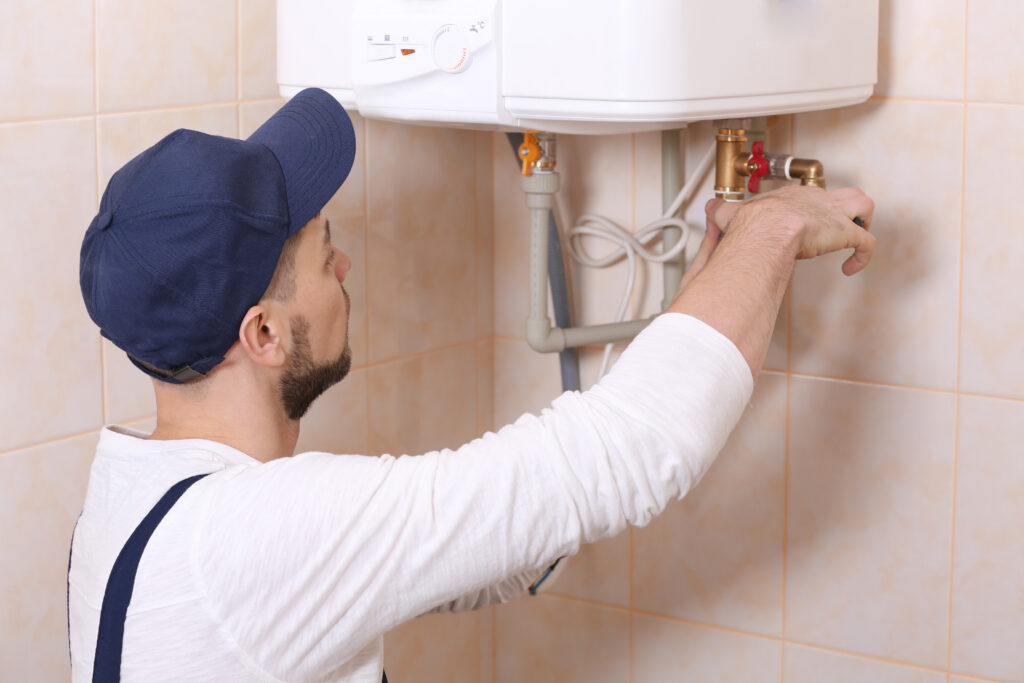
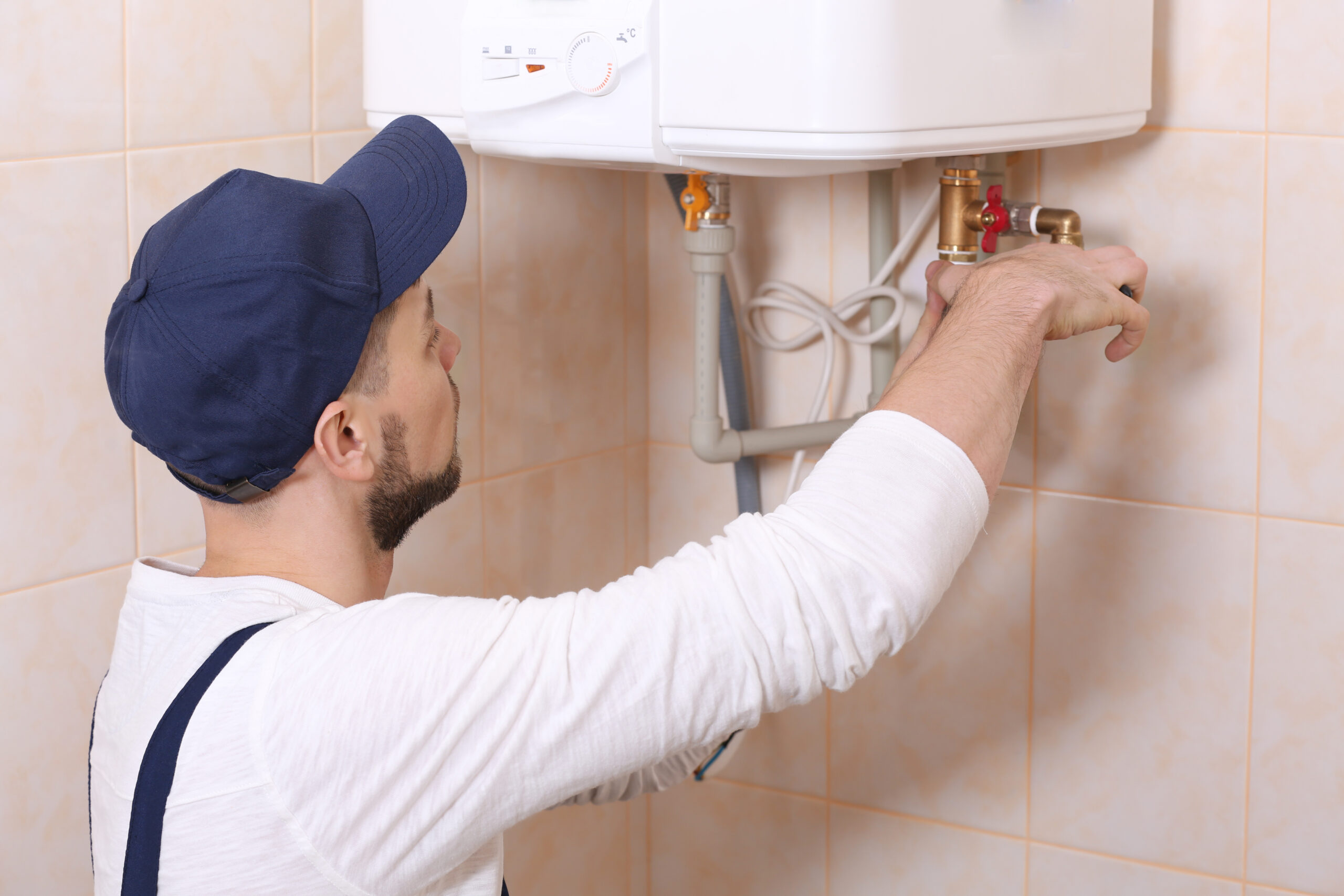
If you’re planning to tackle draining your water heater yourself, preparation starts with safety. Turn off the power supply for electric units, or set your gas heater to the pilot setting. Wait a few hours for the water to cool, then connect a garden hose to the drain valve at the base of the tank. Run the water into a floor drain or outdoor area where it can safely disperse. Open the pressure relief valve and hot water tap to allow air in, helping the tank drain smoothly. Once empty, you can briefly turn the cold water supply back on to stir up remaining sediment at the bottom. Repeat this cycle once or twice to ensure complete cleanup before refilling and restarting the unit. If this sounds complex, consider scheduling it annually as part of recurring home maintenance.
Coverage, Care, and Convenience with Armadillo
Water heater maintenance, while often overlooked, is essential for preserving one of your home’s hardest-working systems. Yet we understand how easy it is to let tasks like flushing it fall by the wayside—especially when you’re managing a busy household. That’s where Armadillo fits in. With comprehensive home warranty coverage built for modern homeowners, Armadillo allows you to protect your systems from both expected wear and unexpected breakdowns. If your water heater starts acting up despite your best efforts, we’ve got you covered. Start safeguarding your home today at armadillo.one or begin customizing your plan now at this link. Trust Armadillo to handle the mechanisms so you can focus on your home.