Understanding the Effects of Snow on Your Roof: What Every Homeowner Needs to Know
Winter transforms neighborhoods into postcard-worthy scenes of snow-covered roofs and frosty trees. While this seasonal pause often looks serene, the quiet story unfolding atop your roof might involve pressure, weight, and moisture damage—none of which are harmless to your home. If you’re a homeowner navigating winter’s impact, understanding how snow interacts with your roof is more than seasonal trivia. It’s essential knowledge that can protect the structural integrity of one of your largest investments. In this article, we’ll unravel how snow affects roofing systems, discuss key benefits and potential concerns, and explore proactive measures. Grounded in the home warranty industry, you’ll also see how mitigating roof risks ties directly to long-term home protection and peace of mind.
What Happens When Snow Accumulates on Your Roof?
Snowfall doesn’t just sit harmlessly atop your home. Snow on a roof exerts a downward force known as snow load. This weight can vary depending on the type of snow—wet, heavy snow exerts more pressure than lighter, fluffier snow. The concern arises when accumulation exceeds what your roof was built to handle. Roof systems, particularly in northern regions, are often engineered to manage predetermined loads, but that capacity has limits. When these limits are breached, building components like rafters, sheathing, and fasteners bear undue stress. Left unchecked, the consequences may range from cosmetic ceiling cracks to significant structural compromise. Icy buildup can also creep under shingles, leading to hidden water ingress long before you notice damp drywall. All in all, snow isn’t just a scenic blanket—it’s a force, and sometimes not a gentle one.
How Roofs Are Designed to Handle Snow
The slope, materials, and ventilation of a roof all influence how well it handles winter weather. A steeply pitched roof, for example, allows snow to slide off more easily, reducing pressure buildup. Conversely, low-slope or flat roofs are more vulnerable to accumulation and require strategic design features like internal drains and reinforced load capacity. Roofing materials matter, too. Metal roofs typically facilitate snow shedding faster than asphalt shingles. However, they may require snow guards to ensure cascading snow doesn’t slam into landscaping or people below. Proper attic insulation and ventilation also play a crucial, often-overlooked role. They help maintain uniform roof temperatures, reducing the risk of ice dams forming along eaves. These design elements work together to preserve roof lifespan and preserve indoor air quality, especially in winter when excess weight and trapped moisture present compounding challenges.
Advantages of Snow—Yes, There Are a Few
It might come as a surprise, but snow accumulation isn’t entirely detrimental. A moderate snow cover can insulate your home, acting as a temporary thermal barrier. This snowy buffer reduces heat loss through the roof, easing winter heating demands. For homeowners in older homes or those with modest insulation, this can improve interior comfort and even shrink heating bills, albeit temporarily. Additionally, observing snow melt patterns on your roof can alert you to problem areas. If isolated sections melt faster, it may suggest heat is escaping—a red flag for suboptimal insulation or ventilation. In this way, snow tells a story, visually mapping how well your roof system is functioning. When interpreted correctly, it offers a diagnostic advantage amid winter’s freeze.
The Risk of Ice Dams and How to Prevent Them
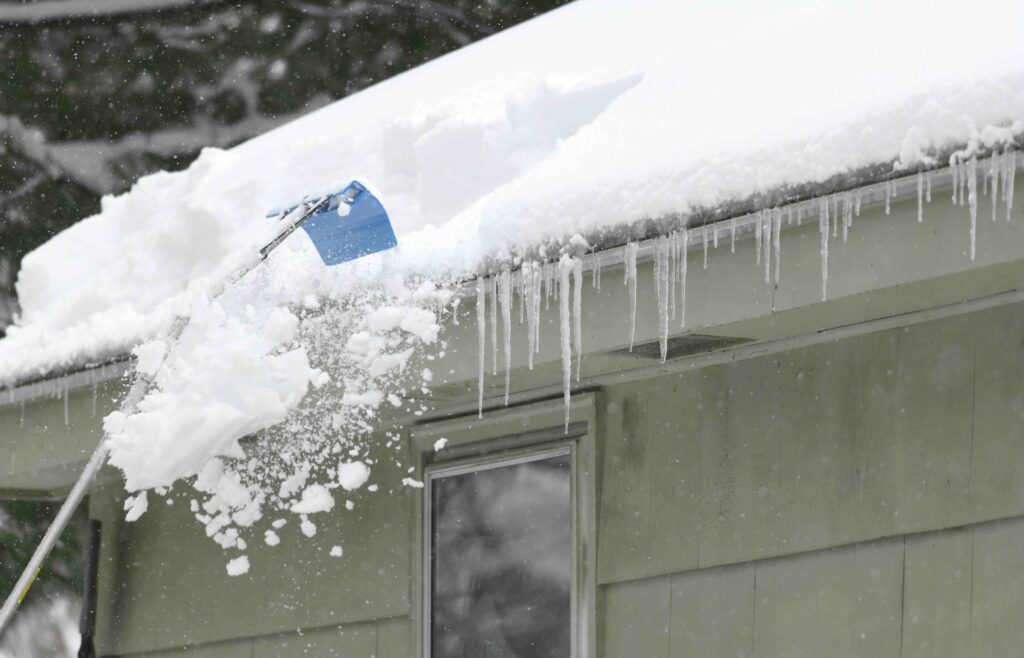
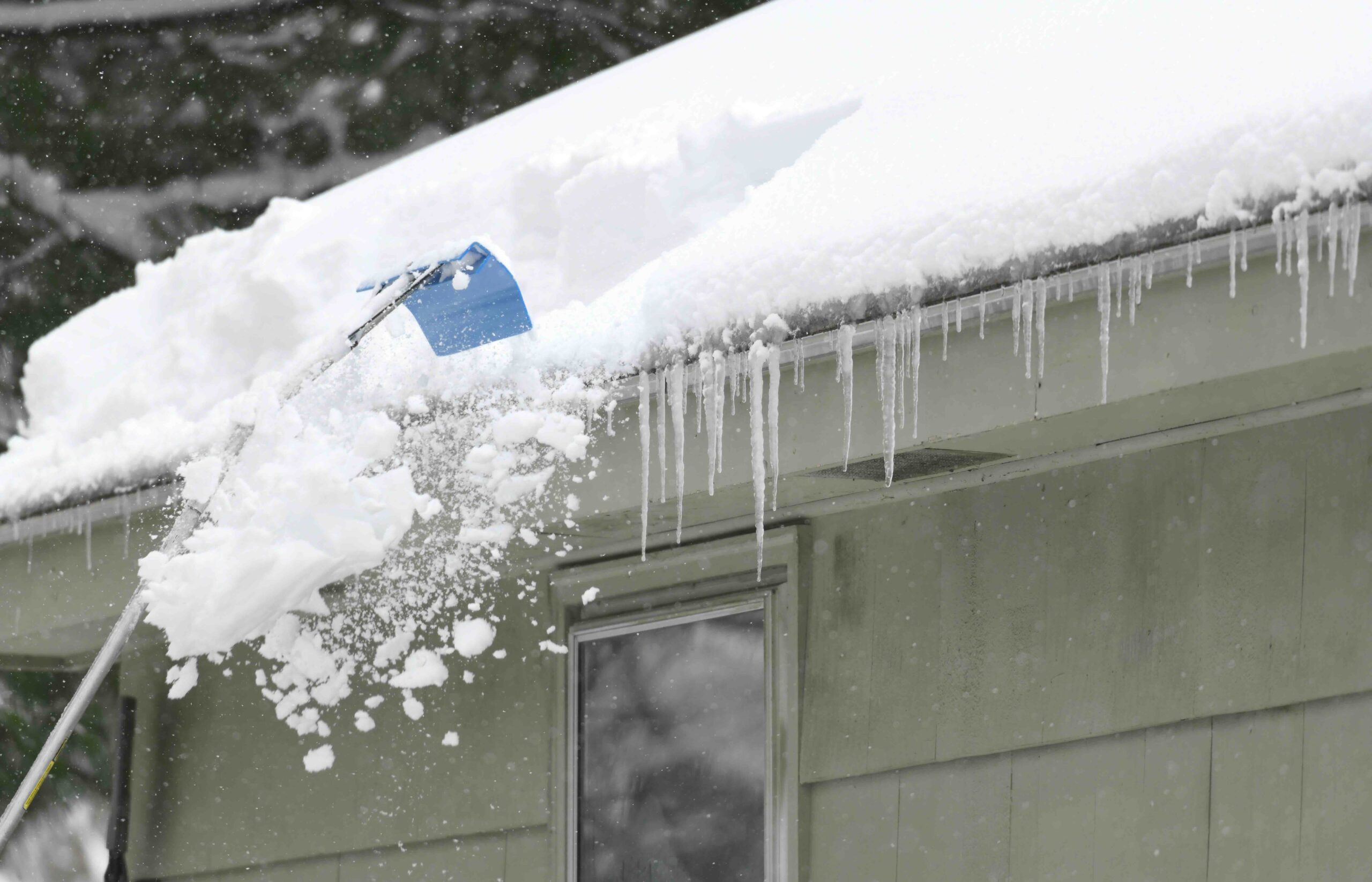
Ice dams are among the most insidious byproducts of snow-covered roofs. These form when warm attic air melts the underside of the snow, causing water to trickle down until it hits colder eaves where it refreezes. Over time, this frozen lip creates a barrier that traps water, which can then seep under shingles and penetrate sheathing. The result? Water-stained ceilings, peeling paint, and sometimes even mold development. Prevention hinges on maintaining consistent roof temperatures. That means ensuring your attic is properly insulated and ventilated, allowing cold air to circulate and preventing localized warm zones. In extremely vulnerable regions, gutter heating cables or roof rakes can serve as useful supplements. But the key remains proactive design and insulation integrity—two ingredients of a roof system that many older homes sorely lack.
Recognizing When Snow Damage Requires Professional Attention
Homeowners can safely monitor their roof’s condition from ground level. Persistent sagging beneath snow, unusual creaking noises, or interior signs like ceiling stains and damp patches should not be ignored. These are often early warnings of excessive snow load or ice dam infiltration. Another marker? Frost in your attic. It’s not a quirky side effect of cold weather—it indicates indoor moisture, usually from inadequate ventilation, which was trapped and froze. Timely inspections matter, especially after significant snowfall or unusually heavy storms. A licensed roofing professional can assess hidden damage, evaluate load stress, and advise on safe snow removal. Attempting to tackle heavy snow buildup without proper tools could lead to personal injury or further property damage. Know when to call it in—it’s part of responsible homeownership.
Can a Home Warranty Help with Snow-Related Roof Issues?
While home warranties don’t traditionally cover roof replacement due to external weather events, many plans offer limited roofing coverage for issues like normal wear and tear that may be exacerbated by winter stress. For instance, if snow weakens shingles or accelerates flashing degradation, a properly structured home warranty may step in to offset repairs. The key is knowing what your specific plan covers. In addition, a comprehensive policy may protect connected systems that are secondary victims of roof leaks—like ceiling repairs, interior electrical components, or even HVAC damage due to moisture infiltration. Robust warranty coverage works best as part of a bigger homeowner strategy, encompassing preventative maintenance and seasonal assessment. It won’t stop snow from falling, but it can soften the financial blow of what the snow ultimately triggers.
Best Practices for Snow and Ice Management on Roofs
If your region regularly sees significant snow, proactive management matters. Clearing snow with a roof rake helps reduce weight while also minimizing melting and refreezing cycles. Always remove snow in patterns that preserve shingles and avoid damage. Heat cables near gutters can prevent ice dams, though they should never replace insulation and air sealing. Trimmed tree limbs near your roof can prevent snow-laden branches from breaking and collapsing onto the structure. Lastly, conduct a seasonal roofing inspection each fall. Identifying loose shingles, cracked vents, or flashing weaknesses before winter hits lowers your risk of mid-season surprises. Your roof may be out of sight, but it deserves to be top of mind—especially when the snow settles in for the long haul.
Protect Your Roof and Home the Smart Way with Armadillo
Your roof works overtime, especially in freezing seasons. Snow might seem like a soft landing, but the truth is—it presses, it seeps, and over time, it erodes. That’s why smart homeowners consider long-term protection after addressing seasonal management. A home warranty with Armadillo ensures that when winter wear shows up in covered roofing systems or related interior systems, you’re not starting from scratch. Armadillo offers relevant coverage backed by responsive service and streamlined digital tools. Visit armadillo.one to explore how protection plans go beyond the unexpected, or begin building your custom warranty today at our plan builder. The season will pass—but the value of proactive protection lasts all year.