Understanding Tankless Water Heaters: How They Work and Why Homeowners Should Care
Hot water is one of those modern comforts most of us take for granted—until it disappears. Whether it’s a sudden cold shower or a sluggish system that can’t keep up with demand, traditional water heaters can fall short when it matters most. That’s where tankless water heaters enter the picture. For homeowners seeking energy efficiency, consistent hot water, and long-term savings, understanding how tankless water heaters work and whether they’re the right fit is essential. This guide breaks down the system in professional but approachable language, highlighting key benefits, potential drawbacks, and tips to help you make informed decisions about your home.
What is a Tankless Water Heater?
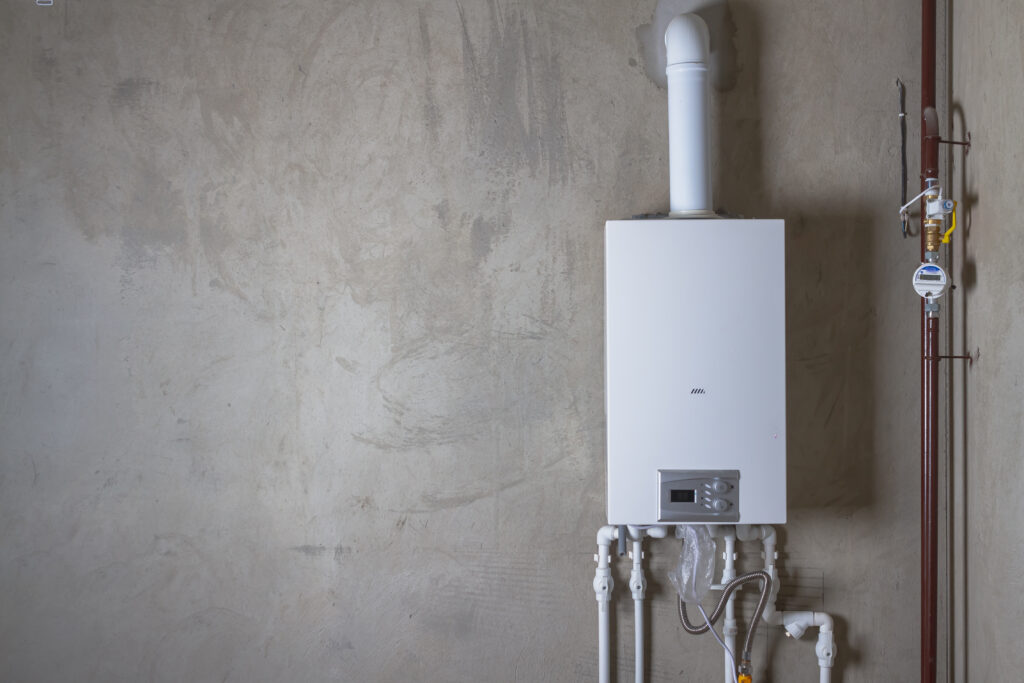
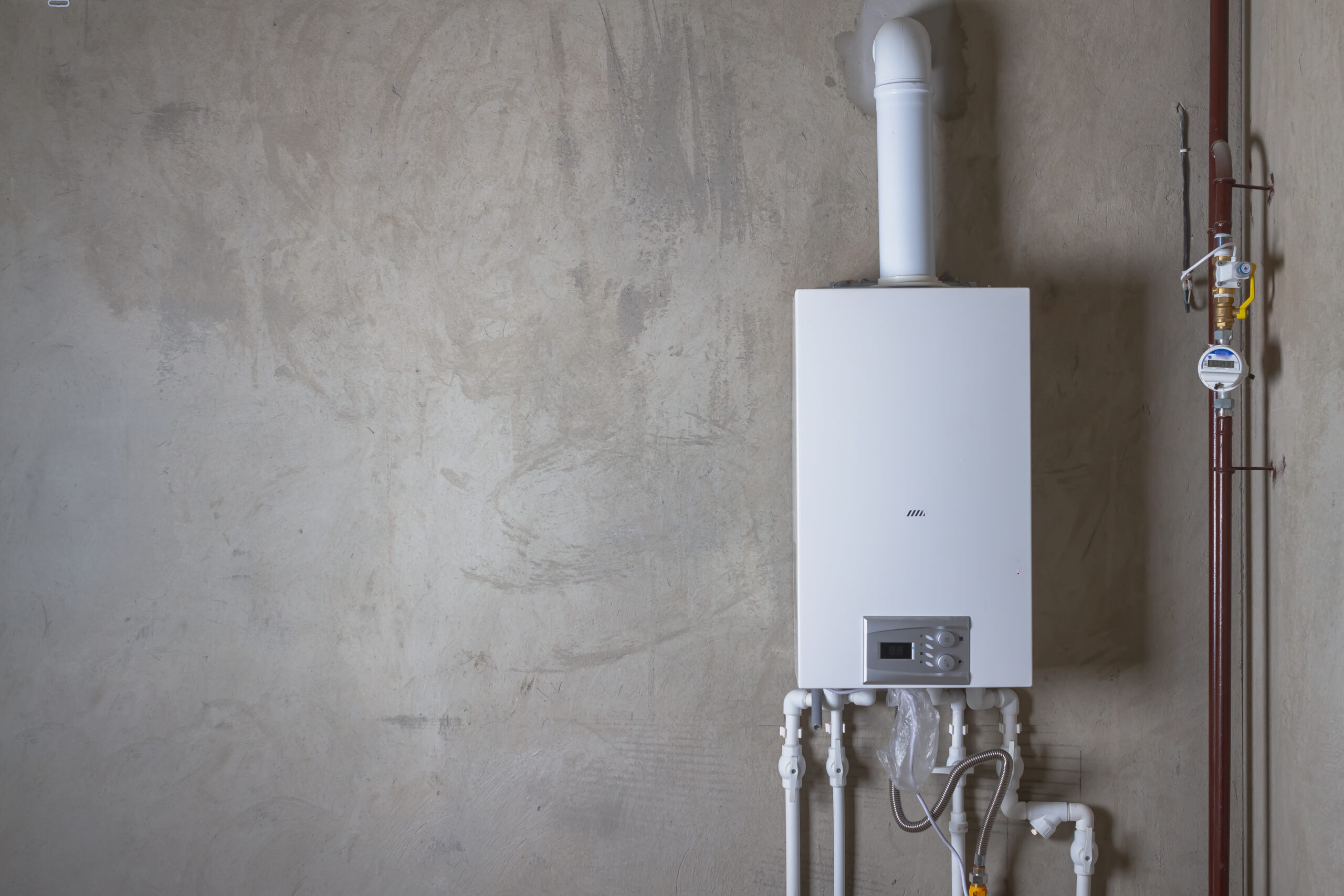
At its core, a tankless water heater—also known as an on-demand water heater—is a system that heats water only when you need it. Unlike conventional storage water heaters that constantly maintain a supply of hot water in a dedicated tank, tankless systems skip the standby step entirely. When a hot water tap is turned on, cold water travels through a pipe into the unit. Either a gas burner or an electric element heats the water almost instantly as it flows through, delivering it directly to your faucet or appliance.
How Tankless Water Heaters Operate in the Home
Tankless systems deliver hot water in real time without relying on stored capacity. That means there’s no delay caused by reheating a depleted tank. However, the speed and volume of hot water are limited by the unit’s gallons-per-minute (GPM) rating. For instance, a single tankless unit may efficiently serve a single bathroom or kitchen, but simultaneous use across multiple points could require additional units or a higher capacity system. Because there’s no standing tank of heated water, these systems minimize energy lost to standby heating, resulting in more efficient energy consumption overall.
Advantages of Choosing a Tankless Water Heater
The most obvious advantage for many homeowners is energy efficiency. The U.S. Department of Energy estimates that homes using 41 gallons or less of hot water daily can achieve energy savings of 24 to 34 percent by switching to a tankless model. Beyond efficiency, tankless systems provide a virtually endless hot water supply—ideal for households with frequent or high-volume water usage. The compact design also makes installation flexible, often freeing up space in utility closets or garages. Longevity is another critical benefit; tankless units generally last 20 years or more, versus 10 to 15 years for traditional models.
Potential Drawbacks to Consider
Every home improvement comes with trade-offs. Tankless water heaters typically involve a higher up-front investment than their traditional counterparts. This includes the cost of the unit itself and more complex installation requirements, which may involve upgrading electrical systems or venting for gas models. Also, while tankless systems excel at providing continuous hot water, they can struggle when multiple high-demand fixtures run simultaneously, such as a shower and washing machine. Some users notice a slight delay in hot water delivery, especially if the unit is located far from the fixture in use. Maintenance is minimal but important; scale build-up in mineral-heavy water areas can reduce efficiency without regular flushing or filtration.
How to Know When a Tankless Water Heater is a Good Fit
Evaluating your household’s water usage is a good starting point. Homes with average or below-average demand—especially those seeking energy savings—stand to benefit the most. Compact urban homes or smaller families often find tankless efficiency lines up perfectly with their hot water needs. On the other hand, large families or homes with high simultaneous demand might need multiple units or a hybrid solution. If space-saving is a priority or if your current heater is nearing the end of its lifespan, making the switch may offer long-term benefits. Geographic factors like water hardness should also influence your decision, as hard water areas demand more proactive maintenance.
Installation and Maintenance Considerations
Installing a tankless water heater isn’t a plug-and-play scenario, and working with a qualified plumber or installer is highly recommended. A full assessment of your electrical or gas supply is typically required to ensure compatibility. Venting requirements for gas models can also impact your system design and installation cost. Once installed, maintenance is straightforward if not entirely hands-off. Flushing the system annually helps remove scale buildup and protects the heat exchanger. In hard water regions, investing in a water softener or descaling solution may be essential. Regular maintenance ensures operating efficiency stays high and extends the lifespan of the unit.
Protecting Your Tankless Investment with Armadillo
A tankless water heater delivers efficiency, longevity, and convenience—but like all home systems, it’s not immune to the unexpected. Whether it’s a failed heating element or calcified valves halting water flow, repairs can be inconvenient and costly. That’s where a comprehensive home protection plan makes a real difference. Armadillo offers easy-to-understand, fully digital home warranty coverage designed to eliminate the guesswork. With plans that support modern systems like tankless water heaters, homeowners can rest easy knowing repairs and replacements are handled quickly and professionally. See how Armadillo simplifies home ownership at www.armadillo.one, or get started on protecting your home today with a custom plan at our plan builder.