
What Is Curb Appeal and Why Does It Matter More Than You Think
Curb appeal is one of those terms that gets thrown around a lot in real estate and home improvement circles, but it is worth slowing down and actually thinking about what it means for your home specifically. At its core, curb appeal refers to the visual attractiveness of a property as seen from the street. It is the first impression your home makes, and whether you are planning to sell or simply want to take pride in where you live, that impression carries real weight. Studies consistently show that homes with strong curb appeal sell faster and at higher prices than comparable homes that have been neglected on the outside. But beyond resale value, a well-maintained exterior signals something important to any homeowner: that the property is cared for, inside and out.
The Exterior Systems Behind the Curb Appeal You See
Here is something most homeowners do not immediately connect: curb appeal is not just about aesthetics. It is directly tied to the condition of your home’s exterior systems. Your roof, gutters, siding, garage door, and even your driveway are all functional components that also serve as the visual face of your home. A sagging gutter, cracked siding panel, or faded garage door does not just look bad — it signals deferred maintenance and potential structural concerns. Understanding that curb appeal improvements often overlap with home system upkeep is the first step toward making smart, strategic upgrades that protect both your home’s look and its long-term health.
How Landscaping Works as a Home System
Landscaping tends to get treated as decoration, but it functions more like a system than most people realize. Trees and shrubs manage water runoff, reduce soil erosion, and provide shade that can lower cooling costs. A well-designed front yard landscape directs foot traffic, frames the home visually, and creates natural boundaries. When that system breaks down — overgrown trees threatening the roof, dead shrubs crowding the foundation, or poor grading sending water toward the house — you are looking at both an aesthetic problem and a functional one. Keeping landscaping healthy and intentionally designed is one of the most cost-effective curb appeal investments you can make, and it pays dividends in home protection too.

Key Curb Appeal Upgrades That Deliver the Most Value
Not every improvement delivers the same return, so it helps to know where to focus your attention and budget. Some of the highest-impact curb appeal upgrades include front door replacement or refinishing, exterior paint or siding updates, new garage door installation, driveway resurfacing, and updated exterior lighting. These are not random suggestions — they are consistently cited by real estate professionals and home improvement data as the upgrades that move the needle most significantly on perceived home value. The key is prioritizing improvements that address both the visual and functional condition of your exterior at the same time.
Common Curb Appeal Mistakes Homeowners Make
Even well-intentioned homeowners make missteps when approaching curb appeal. Overplanting is a common one — cramming too many shrubs or flowers into a small front yard creates visual noise rather than visual appeal. Another frequent mistake is ignoring the condition of gutters and downspouts while focusing heavily on paint or landscaping. Clean, properly functioning gutters contribute to the overall tidiness of a home’s exterior more than most people acknowledge. Mismatched exterior fixtures, outdated house numbers, and neglected walkways are other small details that quietly erode the overall impression. The goal is cohesion, not perfection, and that requires stepping back and evaluating your home’s exterior as a whole rather than as separate components.
Seasonal Curb Appeal Maintenance You Should Not Skip
Curb appeal is not a one-time project. It requires seasonal attention to stay sharp. Here is a practical breakdown of what to keep on your radar throughout the year:
- Spring: Power wash the driveway and walkways, inspect the roof for winter damage, refresh mulch beds, and touch up exterior paint where needed.
- Summer: Maintain lawn health, trim shrubs away from the foundation and windows, and check that exterior lighting fixtures are functioning properly.
- Fall: Clear gutters of leaves and debris, reseal the driveway if needed, and cut back perennials before the first frost.
- Winter: Keep walkways clear of ice and snow, check exterior pipes and hose bibs, and inspect weatherstripping around the front door and garage.
Seasonal maintenance keeps your home looking its best year-round and, more importantly, prevents small cosmetic issues from becoming costly system failures.
The Garage Door as Both a Functional System and a Curb Appeal Statement
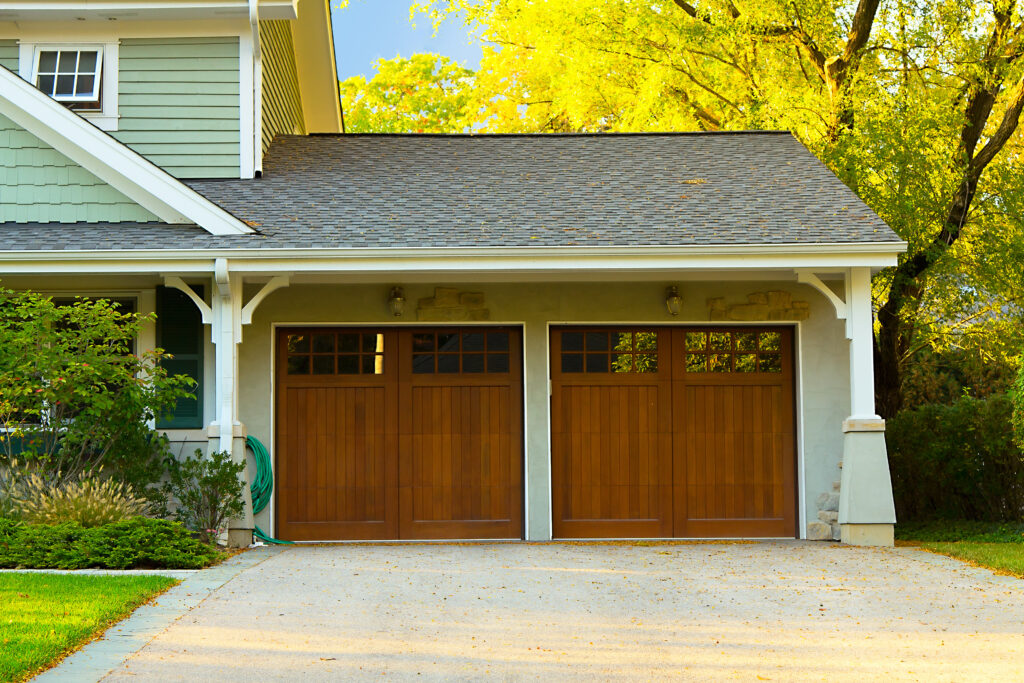
The garage door deserves its own spotlight because it occupies a surprisingly large percentage of most home’s front-facing square footage. On a typical attached garage home, the garage door can represent up to 30 percent of the visible exterior. That means its condition has an outsized effect on overall curb appeal. But beyond its visual presence, the garage door is a mechanical system with springs, cables, sensors, and an opener motor — all of which require regular maintenance and are subject to failure over time. Updating to a carriage-style door, adding windows, or simply repainting the existing door can dramatically improve your home’s front elevation while also being a practical investment in a system that gets used multiple times a day.
Understanding the Drawbacks of Curb Appeal Improvements
There are real limitations to curb appeal projects that are worth acknowledging. Costs can escalate quickly, particularly when surface-level improvements reveal underlying issues — replacing siding, for example, might uncover moisture damage behind the panels that requires remediation before the new siding can go on. Landscaping projects that look stunning in the first year can require significant ongoing maintenance to sustain their appearance. Exterior paint finishes in harsh climates may fade or peel faster than anticipated. And some upgrades, like custom front doors or ornate garage doors, may not recoup their full cost if the surrounding neighborhood does not support a higher price point. The takeaway is not to avoid these projects, but to go into them with clear expectations and realistic budgets.
How a Home Warranty Connects to Your Curb Appeal Investment
When you invest in curb appeal, you are investing in the overall value and livability of your home. It makes sense, then, to protect that investment with a layer of financial security that covers the systems and appliances working behind the scenes to keep everything functioning. trusted home warranty coverage for exterior systems and essential home appliances can make a meaningful difference when a covered component fails unexpectedly — especially when you have already allocated budget toward exterior improvements. Armadillo offers straightforward, homeowner-friendly plans that take the guesswork out of home protection, so you can focus on the upgrades that improve your home’s look and feel without worrying about what happens when something breaks inside. If you are ready to protect your home from the inside out, get a personalized home warranty quote built around your home’s specific needs and see how simple real coverage can be.

Frequently Asked Questions About Curb Appeal and Home Maintenance
These are the questions homeowners ask most often when thinking through curb appeal improvements and how they intersect with home system care and protection.
What is the single most impactful curb appeal improvement a homeowner can make?
Replacing or refinishing the front door consistently ranks as one of the highest-return curb appeal improvements, offering strong visual impact at a relatively modest cost.
Does curb appeal actually affect home value?
Yes. Research from the National Association of Realtors and various real estate economists consistently shows that strong curb appeal can increase perceived home value by five to eleven percent and reduce time on market.
How often should gutters be cleaned for curb appeal and home protection?
Gutters should be cleaned at least twice per year — once in the spring and once in the fall — and inspected after any major storm to prevent overflow, staining, and foundation moisture issues.
Is landscaping considered a home system for warranty purposes?
Landscaping itself is typically not covered under standard home warranty plans, but irrigation systems and related components may be covered depending on the plan selected.
What exterior components does a home warranty typically cover?
Home warranty plans vary, but many cover systems like the garage door opener, electrical systems serving exterior fixtures, and plumbing components including outdoor hose bibs, depending on plan terms.
How much should a homeowner budget for curb appeal improvements?
A practical starting point is one to two percent of the home’s value annually for exterior maintenance and improvements, though larger upgrades like new siding or a garage door replacement will require separate project budgeting.
Can poor curb appeal affect a home inspection outcome?
While curb appeal itself is not graded on a home inspection, visible exterior deterioration — cracked siding, damaged roofing, overgrown landscaping near the foundation — can trigger closer inspection of those systems and flag maintenance concerns.
What is the best low-cost curb appeal improvement for renters or those on a tight budget?
Fresh exterior paint on the front door, new house numbers, updated mailbox hardware, and clean mulch beds are all low-cost improvements that make a noticeable difference without significant financial investment.
Does exterior lighting improve curb appeal and home security?
Absolutely. Well-placed exterior lighting enhances the visual appeal of a home at night, increases perceived safety, and can highlight architectural features and landscaping that might otherwise go unnoticed after dark.
How does a home warranty protect homeowners who invest in curb appeal improvements?
A home warranty protects the interior systems and appliances that support the overall function of a home, reducing out-of-pocket repair costs that could otherwise compete with a homeowner’s exterior improvement budget.