Why Vinegar Belongs in Your Front Loader Laundry Routine
Front-loading washing machines are efficient, gentle on clothes, and generally more water-conscious than their top-loading counterparts. But they come with a quirk that every owner eventually encounters: that unpleasant musty smell, the buildup of detergent residue, and the stubborn film that develops inside the drum and rubber gasket over time. White distilled vinegar has become a go-to solution for homeowners who want to clean and freshen their machine without reaching for harsh commercial products. It is inexpensive, widely available, and effective. The catch is that using it incorrectly in a front loader can create more problems than it solves. Knowing exactly how and where to add vinegar makes all the difference.
Understanding How Your Front Loader Actually Works
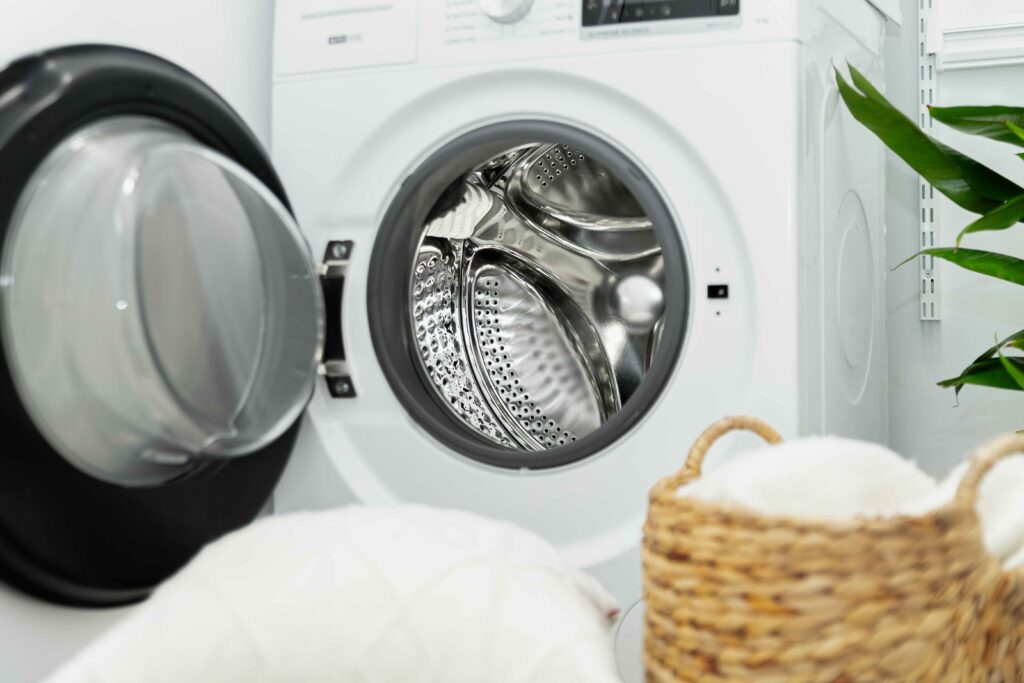
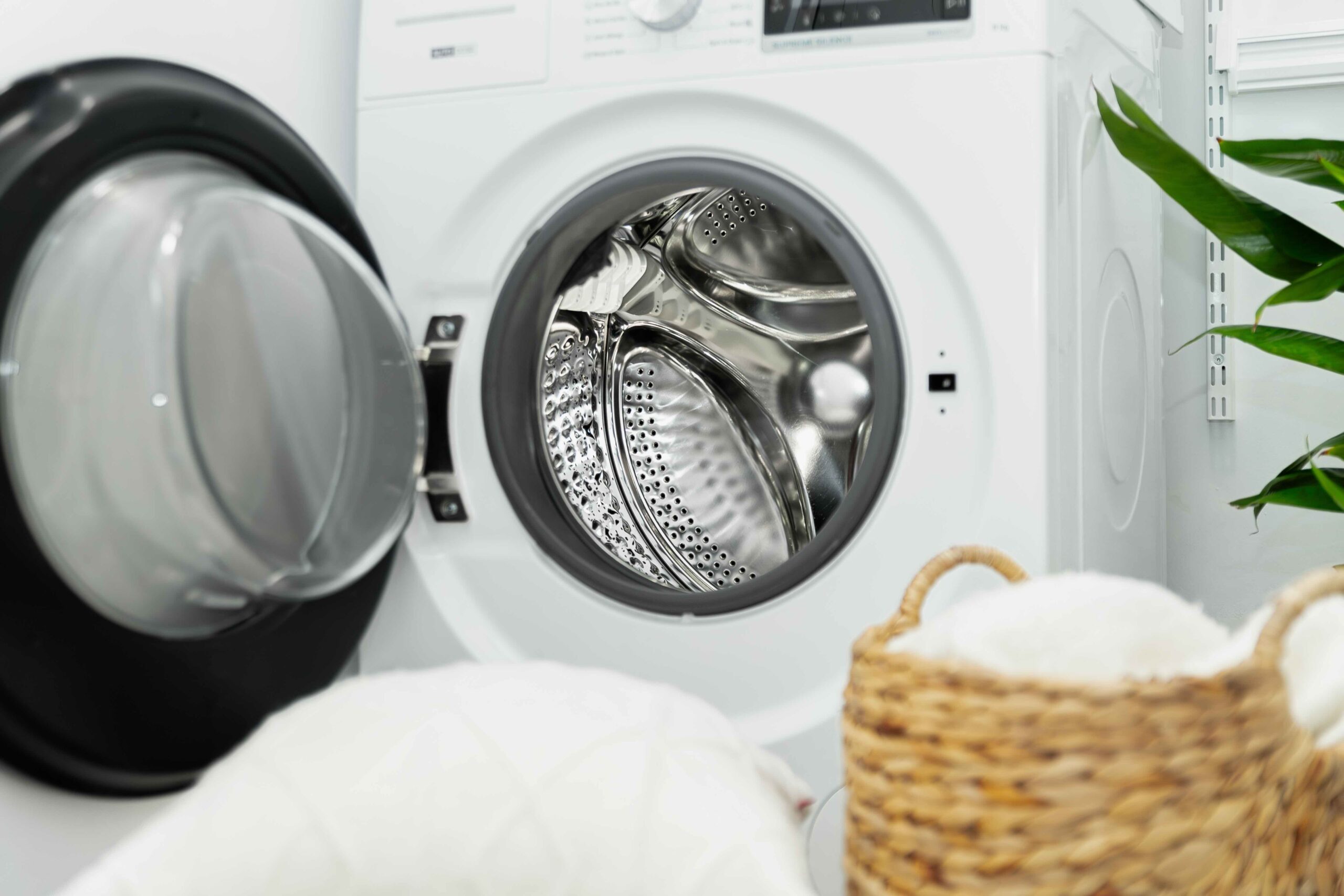
Front-loading washing machines operate using a tumbling mechanism that lifts clothes and drops them through a small pool of water at the bottom of the drum. Because they use significantly less water than top loaders, detergent and mineral deposits have less opportunity to fully rinse away. This creates a residue problem over time, especially in the rubber door gasket, the detergent dispenser drawer, and along the interior drum walls. The sealed environment, combined with residual moisture after each cycle, makes front loaders prone to mold and mildew growth. Vinegar works against this by cutting through mineral deposits, neutralizing odors, and helping lift soap scum buildup from internal surfaces. It is mildly acidic, which makes it effective without being corrosive when used appropriately.
Where to Put Vinegar in a Front Loader
This is where most homeowners get tripped up. In a front loader, you should never pour vinegar directly into the drum at the start of a wash cycle the same way you might with a top loader. The correct approach depends on what you are trying to accomplish. For a general cleaning cycle, add two cups of white distilled vinegar directly into the detergent dispenser drawer. Place it in the main wash compartment, not the fabric softener compartment, unless you specifically want it released during the rinse phase to act as a natural softener. For deep cleaning the machine itself without clothes inside, pour two cups into the drum and run a hot water cleaning cycle. If your machine has a dedicated tub clean or drum clean setting, use that. For softening laundry, one half cup of white vinegar in the fabric softener compartment is the right move. The dispenser will release it during the rinse cycle, which is exactly when fabric softeners do their job.
Step-by-Step: Running a Vinegar Cleaning Cycle
Cleaning your front loader with vinegar is a straightforward process, but the order of steps matters. Follow this sequence for the best results:
- Make sure the drum is completely empty before you begin
- Wipe down the rubber door gasket with a damp cloth to remove visible mold or residue
- Pour two cups of white distilled vinegar into the detergent dispenser drawer
- Set the machine to the hottest water setting available and select the longest cycle or the dedicated clean cycle
- Once the cycle finishes, leave the door open to allow the drum to air dry fully
- If odors persist, repeat the cycle with a half cup of baking soda added directly to the drum before running it again
Doing this once a month keeps odors from developing and prevents heavy residue buildup. It is a small habit that noticeably extends the freshness of every load you wash.

The Real Benefits of Using Vinegar in Your Washing Machine
Beyond the obvious freshness factor, vinegar offers several practical advantages for front loader maintenance. It dissolves hard water mineral deposits that accumulate inside hoses and on internal components. It neutralizes detergent residue that clings to the drum and gasket. It is non-toxic and biodegradable, which appeals to homeowners who are mindful of what goes down their drains. It is also remarkably affordable compared to commercial washer cleaning tablets. Many appliance care specialists consider it one of the most versatile and underutilized maintenance tools available to the average homeowner. When used consistently, vinegar can contribute to fewer odor complaints, cleaner laundry, and better overall machine performance.
Common Mistakes to Avoid When Using Vinegar
There are a few missteps that can turn this helpful habit into a minor headache. First, never mix vinegar and bleach. This combination produces chlorine gas, which is both dangerous and completely counterproductive to the goal of a clean machine. Second, avoid using apple cider vinegar or any flavored vinegar variant. The only appropriate choice for appliance maintenance is plain white distilled vinegar. Third, do not use vinegar every single cycle as a substitute for detergent or as a regular additive. Overuse can degrade certain rubber components over time, particularly in machines with older gaskets. Monthly use is appropriate. Weekly use edges into overuse territory. Fourth, do not skip the step of cleaning the gasket manually. Vinegar in the dispenser will not thoroughly reach the folds of the rubber seal where mold most commonly hides. That part requires hands-on attention.
What Vinegar Cannot Fix and When to Call a Professional
Vinegar is a maintenance tool, not a repair solution. If your front loader is not draining properly, making unusual noises during the spin cycle, failing to reach temperature, or leaving clothes soaking wet after a full cycle, those are mechanical issues that vinegar will not address. These problems typically point to a failing pump, a worn drum bearing, a malfunctioning heating element, or a control board issue. At that point, routine cleaning is secondary to professional diagnosis. Ignoring mechanical symptoms while continuing to run the machine can escalate a minor repair into a full replacement, which is significantly more expensive.
How Appliance Maintenance Connects to Home Warranty Coverage
Keeping a maintenance record for your washing machine actually matters more than most homeowners realize, especially when it comes to home warranty claims. Home warranty providers cover mechanical and electrical failures that occur under normal use and maintenance. When a machine breaks down and there is documented evidence of regular upkeep, including cleaning cycles and proper use, claims tend to process more smoothly. Neglect, on the other hand, is one of the most common reasons warranty claims are denied. Running monthly vinegar cleaning cycles is exactly the kind of preventive care that reflects responsible ownership. It does not just protect your machine, it protects your ability to make a warranty claim with confidence if something does eventually fail.
Signs Your Front Loader Needs More Than a Vinegar Treatment
Knowing when to escalate from maintenance to repair is an important skill for any homeowner. Watch for the following indicators that your front loader may need professional attention:
- Persistent odors that do not resolve after two or three cleaning cycles
- Visible mold growth that returns rapidly after cleaning
- Water pooling in the drum after the cycle ends
- Clothes coming out with detergent residue despite correct loading and detergent amounts
- Error codes appearing on the display panel
- Unusual vibration or banging during the spin cycle
Any one of these issues is worth taking seriously. A front loader that is struggling mechanically will not be fixed by better cleaning habits. These are the moments when a home warranty can step in and absorb the financial impact of an unexpected repair or replacement.
Why Armadillo Is the Right Home Warranty Partner for Appliance-Savvy Homeowners
Homeowners who take the time to properly maintain their appliances, including learning exactly how to add vinegar to a front loader washing machine the right way, are exactly the type of owners who benefit most from a well-structured home warranty plan. Armadillo is built for people who take their home seriously. When a well-maintained washing machine experiences a mechanical failure despite consistent care, Armadillo home warranty coverage for washers and major home appliances ensures you are not left managing an expensive surprise on your own. The coverage is straightforward, the claims process is designed to be simple, and the plans are built to reflect how real homes function. If you are ready to stop worrying about what happens when a covered appliance breaks down, get a free home warranty quote to protect your front loader and home systems today. Maintenance keeps things running. A home warranty keeps your budget intact when maintenance is not enough.

Frequently Asked Questions About Using Vinegar in a Front Loader Washing Machine
These are the questions homeowners ask most often when they start incorporating vinegar into their front loader maintenance routine.
Can I put vinegar directly in the drum of my front loader?
Yes, but only when running a drum cleaning cycle without clothes. Pour two cups of white distilled vinegar directly into the empty drum, then run the hottest cycle available or the designated clean cycle.
Is it safe to use vinegar in every wash cycle?
No. Monthly use for cleaning and occasional use as a fabric softener substitute is appropriate. Using vinegar in every cycle can gradually degrade rubber gaskets and internal seals over time.
Can I mix vinegar and baking soda in the same cycle?
It is better to use them in separate cycles. When combined, they neutralize each other and reduce the effectiveness of both. Use vinegar in one cleaning cycle and baking soda in a follow-up cycle if needed.
Where exactly do I put vinegar for fabric softening in a front loader?
Place a half cup of white distilled vinegar in the fabric softener compartment of the detergent dispenser drawer. The machine will automatically release it during the rinse cycle.
Will vinegar damage my front loader’s rubber gasket?
Occasional use will not damage a gasket in good condition. However, frequent or concentrated use over a long period can cause deterioration in older or already worn gaskets. Stick to monthly cleaning cycles.
Why does my front loader still smell after a vinegar cleaning cycle?
Persistent odors usually mean mold or mildew is trapped in the folds of the door gasket. Clean the gasket manually with a vinegar-dampened cloth, getting into every fold, before running the next cleaning cycle.
Does vinegar remove hard water deposits from a front loader?
Yes. The mild acidity in white distilled vinegar is effective at dissolving mineral scale from hard water that accumulates on internal components, the drum, and hoses over time.
Can I use vinegar in a high-efficiency front loader?
Yes, white distilled vinegar is safe for use in high-efficiency machines. Use it in the dispenser drawer rather than pouring large amounts directly into the drum during a laundry cycle.
How often should I clean my front loader with vinegar?
Once a month is the standard recommendation for most households. Homes with hard water or heavy laundry loads may benefit from cleaning every three weeks.
Does a home warranty cover front loader washing machine repairs?
Most home warranty plans that include appliance coverage will cover mechanical and electrical failures in a washing machine, provided the machine has been reasonably maintained and the failure is not the result of misuse or neglect.