What Is a Garage Door Opener Code Change and Why Does It Matter?
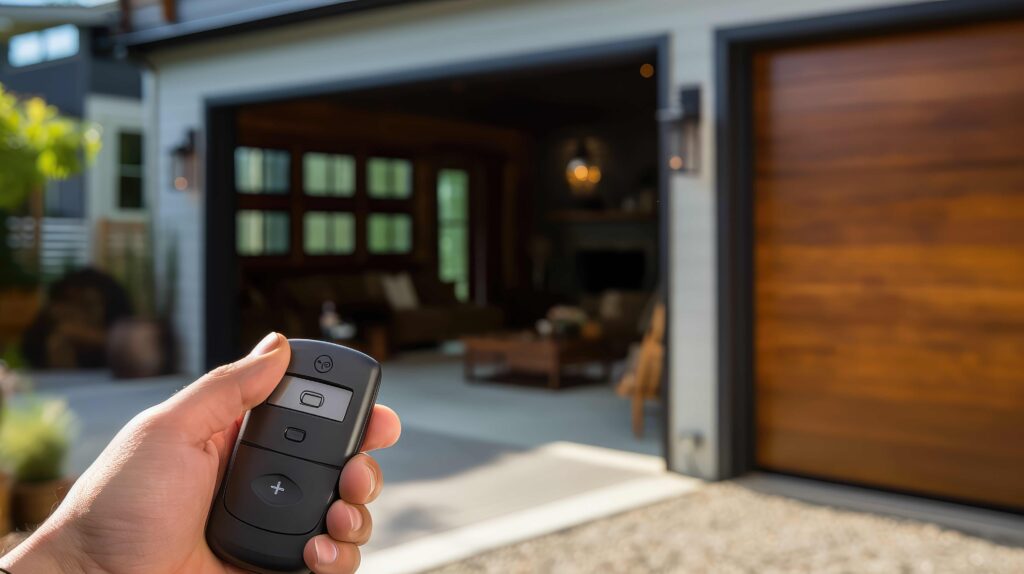
Your garage door is one of the most-used entry points in your home. That rolling clicker in your cup holder or hanging from your visor is doing a lot more work than most homeowners realize. Every time you press that button, a radio frequency signal travels from the remote to a receiver inside the garage door opener unit, triggering the motor to raise or lower the door. Simple enough. But here is where things get interesting — that signal is tied to a specific code, and if that code is compromised, so is your home. Changing your garage door opener code is one of those small maintenance tasks that flies completely under the radar, yet it carries real security implications. Whether you just moved into a new home, lost a remote, or simply have not thought about it in years, understanding how this process works is genuinely worth your time.
How Garage Door Opener Codes Actually Work
Older garage door openers used a fixed-code system. There were a limited number of possible code combinations — sometimes as few as 256 — and they never changed. That meant anyone with the right remote and a little patience could potentially open your garage. Modern openers have moved on from that. Most systems manufactured after the mid-1990s use rolling code technology, sometimes called hopping code. Every time you press the remote button, the transmitter and receiver both cycle to the next code in a shared sequence. Even if someone intercepted your signal, that code would already be expired by the next use. It is a significantly smarter system. But even with rolling codes, there are still scenarios where manually resetting or reprogramming your opener makes sense — and knowing the difference between a rolling code system and a fixed-code system changes how you approach the reset process entirely.
When Should You Actually Change Your Garage Door Opener Code?
This is one of those things where people either do it obsessively or never at all. There is a reasonable middle ground. Here are the situations that genuinely warrant a code change or full reprogramming of your garage door opener system:
- You recently purchased a home and the previous owners still have their original remotes
- A remote was lost or stolen and you cannot confirm its location
- You dismissed a houseguest, house sitter, or contractor who had access
- You noticed unusual or unauthorized entry through the garage
- Your system is older and you suspect it uses fixed-code technology
- Your remote stopped working reliably and a reset might resolve it
Moving into a new home is the most overlooked scenario on that list. Sellers frequently forget to surrender all remotes, or those remotes end up with real estate agents, neighbors, or family members. Resetting your opener on move-in day is a straightforward security measure that costs nothing except a few minutes.
How to Change Your Garage Door Opener Code Step by Step
The exact process varies depending on your opener brand and model, but the general workflow is consistent across most residential systems. Start by locating the Learn button on your garage door opener motor unit — it is usually found on the back or side of the unit mounted to your ceiling. Pressing and holding this button for several seconds will erase all previously programmed remotes from memory. Once cleared, you reprogram each remote by pressing the Learn button again briefly, then pressing the button on your remote until the opener light blinks or you hear a click. Most systems confirm successful pairing with a visual or auditory signal. From that point forward, only the remotes you just programmed will operate the door. If your system uses a keypad entry, you will also want to reset that PIN through its own programming sequence, which is usually outlined in the owner manual or available through the manufacturer’s support page.
Key Advantages of Keeping Your Opener Code Current
There is an easy argument to make here. Resetting your garage door opener code periodically is low-effort security maintenance with meaningful payoff. The advantages extend beyond just keeping unauthorized users out. A properly maintained opener system also tends to communicate more reliably between transmitter and receiver — especially after a reset, when any corrupted or outdated code pairing is cleared. For households with multiple remotes and a keypad, periodic resets also give you a clean inventory of who actually has access. Over time, remotes get handed out, misplaced, or forgotten, and it is easy to lose track. A reset forces a fresh start and gives you full visibility into your access points again.
Common Drawbacks and Things That Can Go Wrong
No home maintenance task is entirely without friction. When changing your garage door opener code, a few issues come up more often than others. The most common is simply not having the owner manual on hand — especially in older homes where documentation has long since disappeared. Without knowing your specific model, finding the Learn button or understanding the programming sequence can be confusing. Some older openers also do not have a Learn button at all, which means changing the code requires physically adjusting DIP switches inside both the remote and the motor unit. That process is more involved and less intuitive. There is also the occasional situation where a reset does not fully clear all paired remotes, usually due to a hardware issue or a step that was skipped in the process. If reprogramming does not seem to work, a full factory reset through the opener’s power cycle is often the next logical step.
The Home Warranty Angle: Is Your Garage Door Opener Covered?
Here is where the home warranty conversation becomes directly relevant. Garage door openers are mechanical systems with motors, circuit boards, and moving components — all of which can and do fail. A home warranty plan that covers built-in systems and appliances will often include the garage door opener motor unit as part of its coverage. That means if your opener stops functioning due to normal wear and tear — a failed motor, a blown capacitor, or a malfunctioning receiver board — a covered repair or replacement may be available to you without paying full out-of-pocket costs. It is worth noting that a home warranty does not cover damage caused by improper use, code-related lockouts, or physical damage to remotes. The mechanical system itself, however, is often within scope.
What Homeowners Often Overlook About Garage Door System Maintenance
Changing the opener code is one piece of a broader maintenance picture. The garage door system as a whole includes springs, cables, rollers, hinges, tracks, and the opener unit itself. Each of those components has a lifespan, and neglecting one can accelerate wear in others. For instance, a door that is out of alignment creates additional strain on the opener motor every time it cycles. Lubricating the moving parts twice a year, checking the balance of the door manually, and testing the auto-reverse safety feature are all tasks that extend the useful life of the entire system. Treating the opener code change as an annual or semi-annual habit is a reasonable way to bundle it with those other checks.
Practical Tips for Managing Garage Door Opener Access at Home
Keeping your garage access secure does not require expensive technology upgrades. A few consistent habits go a long way. Consider these practical suggestions for managing your system more effectively:
- Store a backup remote in a secure location inside the home rather than leaving a spare in an unlocked vehicle
- Use a unique PIN for your keypad entry that is not shared with other home access codes
- Review who has active remotes every six to twelve months and revoke access by resetting if anyone no longer needs it
- Keep your opener’s model number and manual information saved digitally for easy reference during resets
- Consider a smart garage door controller if you want remote monitoring and access logs via smartphone
Why Armadillo Is the Right Home Warranty Partner for Garage Door System Protection
Maintaining your garage door opener — codes, remotes, and all — is a smart ownership habit. But the mechanical components that make that system run are subject to wear regardless of how carefully you maintain them. That is exactly where a home warranty becomes a genuine safety net rather than a sales pitch. Armadillo home warranty coverage for garage door openers and essential home systems is designed to protect homeowners from the unexpected costs that come with normal equipment failure. The coverage is straightforward, the claims process is built to be simple, and the plans are priced to make sense for real households — not just premium properties. If you have been putting off getting covered because the process seemed complicated, it is much more approachable than you might think. You can get a free home warranty quote that includes garage door opener protection in just a few minutes, and you will know exactly what is covered before committing to anything. For a system you use every single day, that kind of coverage is well worth considering.

Frequently Asked Questions About Garage Door Opener Code Changes
Answers to the most common questions homeowners have about resetting, reprogramming, and securing their garage door opener systems.
How do I know if my garage door opener uses a rolling code or a fixed code?
Check the manufacturing date on your motor unit. Openers made after approximately 1996 are very likely to use rolling code technology. You can also look for the word “Security+” or “Rolling Code” on the unit or in the manual. If your system is older and lacks those designations, it likely uses fixed DIP switch codes.
How long does it take to change a garage door opener code?
For most modern systems, the full process takes between five and fifteen minutes. This includes erasing all paired remotes, reprogramming each one, and resetting a keypad PIN if applicable. Older fixed-code systems take longer because they require manually adjusting switches inside both the remote and the opener unit.
Will changing my opener code affect all remotes in the household?
Yes. When you perform a full reset by holding the Learn button, all previously paired remotes are erased simultaneously. You will need to reprogram every remote and keypad you intend to keep active after the reset is complete.
Can I change my garage door opener code without the original remote?
Yes. The Learn button on the motor unit can initiate a reset independently of any remote. You will need at least one functioning remote to reprogram after the reset, but the erase process itself does not require the original or existing remotes to be present.
Is changing my garage door opener code covered under a home warranty?
Code changes are a routine maintenance task and are not typically covered by home warranty plans. However, if the receiver board or motor unit malfunctions and prevents the opener from responding to valid codes, that type of mechanical failure may fall within warranty coverage depending on your plan terms.
How often should I change my garage door opener code?
There is no universal rule, but performing a reset annually or whenever an access change occurs — such as a tenant moving out or a remote being lost — is a reasonable practice. Pairing the reset with other seasonal home maintenance tasks makes it easier to remember.
What should I do if my garage door opener will not reset?
First, confirm the motor unit has power and that you are pressing the Learn button for the correct duration. If the reset still does not take, try unplugging the unit for thirty seconds and repeating the process. If the issue persists, the receiver board may have a hardware fault that warrants professional service.
Does a smart garage door controller replace the need to change codes?
Not entirely. Smart controllers add access logging and remote monitoring, which are useful security features, but the underlying radio frequency system still uses codes that can be managed and reset. Smart controllers complement code management rather than replace it.
Are garage door openers typically covered under home warranty plans?
Many home warranty plans include coverage for the garage door opener motor unit as part of their built-in systems or appliance coverage. Coverage generally applies to mechanical and electrical failure from normal use. Physical damage, cosmetic issues, and remote batteries are typically excluded.
What is the difference between reprogramming a remote and changing the opener code?
Reprogramming a remote syncs it to the current code on the opener receiver without erasing other paired devices. Changing the code — via a full reset — clears all existing pairings and generates a new baseline, requiring all remotes to be reprogrammed from scratch. A full reset is the more thorough security measure.